
Canopy Management Defined: A Critical Practice for Vineyard Quality
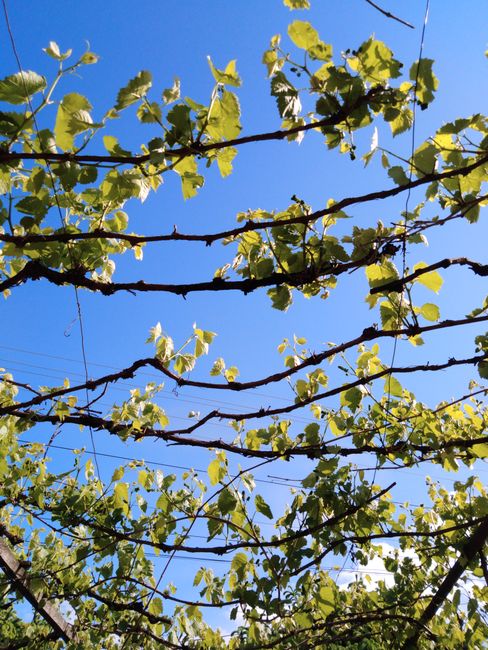
The Cost of Neglecting Your Vineyard's Canopy
As an experienced vineyard manager, you understand the delicate balance required to produce high-quality fruit. One of the most insidious problems, often overlooked until it impacts the bottom line, is an unmanaged vine canopy. Dense, unchecked canopies lead to a cascade of issues: increased humidity and reduced airflow foster fungal diseases, demanding higher fungicide applications. Poor light penetration to the fruit zone results in uneven ripening, lower sugar accumulation, and underdeveloped color and phenolic compounds, ultimately diminishing grape quality and market value. Furthermore, inefficient photosynthesis in shaded leaves can reduce overall vine productivity. The cumulative effect is a significant increase in operational costs for disease control and sorting, coupled with a potential reduction in grape prices due to inconsistent quality. You are essentially leaving money on the table and increasing your labor burden.
What is Canopy Management?
Canopy management is the strategic manipulation of a grapevine's vegetative growth (shoots, leaves, and laterals) to optimize the microclimate around the fruit zone and ensure vine balance. The primary goal is to achieve an ideal leaf-to-fruit ratio, maximize light interception by leaves, improve air circulation, and regulate fruit zone temperature, all of which are critical for enhancing fruit quality, managing disease pressure, and promoting sustainable vine health.
"Effective canopy management is not just about trimming leaves; it's about engineering the vine's environment to produce premium fruit consistently."
Core Principles and Specifications for Optimal Canopy
Achieving an optimal canopy requires adherence to specific metrics:
- Light Interception: Aim for 20-40% of ambient photosynthetically active radiation (PAR) to reach the fruit zone. Measurements can be taken with a ceptometer (e.g. AccuPAR LP-80) at solar noon.
- Airflow: Maintain a leaf layer number of 1-3. Excessive layering (4+) significantly increases humidity and disease risk. Visual assessment is often sufficient, but airflow meters can provide quantitative data.
- Shoot Density: Target 4-6 shoots per linear foot (or 13-20 shoots per linear meter) of cordon. This provides sufficient leaf area without overcrowding.
- Fruit Zone Temperature: Reduce extreme temperature fluctuations. Canopy manipulation can help buffer the fruit from direct, intense sunlight (leading to sunburn) and also promote warming in cooler climates.
| Parameter | Target Range | Measurement Tool/Method |
|---|---|---|
| Light in Fruit Zone (PAR) | 20-40% of Ambient | Ceptometer (e.g. AccuPAR LP-80) |
| Leaf Layer Number | 1-3 layers | Visual assessment |
| Shoot Density | 4-6 shoots/linear ft (13-20/meter) | Manual count |
Step-by-Step Canopy Management Techniques
1. Shoot Thinning
- Timing: Perform post-bud break when shoots are 4-6 inches (10-15 cm) long, typically EL stage 12-14.
- Process: Remove weak, unproductive, or poorly positioned shoots. Aim for the target shoot density of 4-6 shoots/linear foot. Prioritize removing double shoots, those growing downwards, or excessively vigorous ones.
- Equipment: Manual.
- Safety: Standard vineyard safety, ensuring stable footing.
2. Shoot Positioning
- Timing: Continuously as shoots grow, before they become woody and brittle, typically from EL stage 15 (flower caps separating) through fruit set.
- Process: Gently guide shoots upwards through catch wires to create an organized, narrow canopy wall. This ensures even light exposure and reduces shading.
- Equipment: Manual, trellis wires.
- Troubleshooting: If shoots are too vigorous, consider additional passes or a final hedging pass.
3. Leaf Removal (Defoliation)
- Timing: Critical window is pre-véraison, typically EL stage 29-31 (pea-sized berries). Early removal (pre-bloom) can reduce fruit set; late removal (post-véraison) offers fewer benefits.
- Process: Focus on removing basal leaves in the fruit zone to improve light penetration, airflow, and reduce disease pressure. Target removal of 30-50% of leaves directly shading clusters on the morning sun side. Avoid excessive removal, especially on the afternoon sun side in hot climates, to prevent sunburn.
- Equipment: Manual for precision, or mechanical leaf removers (e.g. Pellenc Vision 2, Gregoire E-Vit) for larger blocks. Calibrate mechanical removers carefully to avoid damage.
- Safety: When using mechanical equipment, wear appropriate PPE (hearing protection, eye protection) and ensure guards are in place.
- Common Mistake: Removing too many leaves too aggressively, leading to sunburn, especially on exposed clusters, which can reduce fruit quality significantly.
Example Scenario (hypothetical)
A vineyard block of Cabernet Sauvignon consistently shows high disease pressure (Botrytis) and uneven ripening, with Brix levels varying by 2-3 points within clusters. Data from the previous season indicated a leaf layer number of 4-5 and fruit zone PAR below 15%. The manager implements a stricter shoot thinning program, aiming for 5 shoots/linear foot, followed by a targeted leaf removal pass at EL stage 30, removing basal leaves on the eastern side of the canopy to expose clusters to morning sun. This aims to reduce humidity and increase PAR to 35% in the fruit zone, mitigating disease and promoting more uniform ripening.
Actionable Next Steps for Vineyard Managers
- Assess Current Canopy: Before implementing changes, walk your blocks and visually assess leaf layer numbers, shoot density, and fruit zone shading. Use a ceptometer in problem areas.
- Develop a Block-Specific Plan: Based on assessment, define specific shoot thinning and leaf removal targets for each block, considering varietal vigor and climate.
- Train Your Crew: Ensure all personnel understand the 'why' and 'how' of each canopy management technique, including the specific timing and desired outcomes.
- Utilize Data Tracking: Record canopy management activities and observations using vineyard management software like VinoBloc. Track shoot density, leaf removal percentages, and subsequent impact on disease incidence, ripening uniformity, and harvest parameters.
- Monitor and Adjust: Continuously monitor canopy development and fruit zone conditions throughout the season. Be prepared to make small adjustments based on weather patterns and vine response.
Conclusion
Canopy management is not a one-time task but an ongoing, precise effort that directly influences grape quality and vineyard profitability. By understanding and meticulously applying these principles and techniques, vineyard managers can significantly enhance fruit characteristics, reduce disease risk, and optimize vine health, ensuring a superior harvest year after year.
VinoBloc Team
Vineyard Management Experts
Ready to Transform Your Vineyard Management?
See how VinoBloc can help you streamline block-level data and harvest decisions.