Cover Crops in Vineyards: Selection, Management, and Termination for Optimal Soil & Vine Health

Cover Crops in Vineyards: Selection, Management, and Termination for Optimal Soil & Vine Health
Executive Summary
This comprehensive guide is meticulously crafted for vineyard managers, viticulturists, and vineyard owners committed to enhancing the sustainability and productivity of their operations. It addresses the critical challenge of effectively integrating cover crops into vineyard management, ensuring they contribute positively to the ecosystem rather than competing with valuable grapevines. Many struggle with selecting appropriate species, optimizing seeding rates, managing growth, and timing termination to maximize benefits while minimizing risks.
By delving into the nuances of cover crop science and practical application, this article provides authoritative insights and actionable strategies. Readers will gain a deep understanding of how to transform their vineyard floor management into a powerful tool for soil health, water conservation, and vine vigor control. This guide serves as the definitive resource for making informed decisions that lead to healthier soils, more resilient vines, and ultimately, higher quality fruit.
What you will learn:
- How to select the ideal cover crop species or mix based on specific vineyard goals and regional climate.
- Detailed steps for effective cover crop establishment, including seeding rates and methods.
- Best practices for ongoing cover crop management, focusing on mowing timing, height, and mitigating vine competition.
- Critical strategies for timely and effective cover crop termination to prepare for bud break and minimize resource competition.
- Expert guidance on adapting cover crop management in challenging conditions, such as drought or excessive rainfall.
- Practical troubleshooting tips for common cover crop issues and a curated list of essential tools and resources.
Estimated Reading Time: Approximately 15-20 minutes
Table of Contents
- Understanding the "Why": The Multifaceted Benefits of Vineyard Cover Crops
- Selecting the Right Cover Crop Mix: Goals, Species, and Regional Adaptation
- Establishing Cover Crops: Seeding Rates, Methods, and Early Management
- Ongoing Management: Mowing Timing, Height, and Competition Control
- Cover Crop Termination: Timing, Methods, and Preparing for Bud Break
- Managing Cover Crops in Challenging Conditions: Drought and Extreme Weather
- Tools & Resources for Effective Cover Crop Management
- Key Takeaways for Vineyard Cover Crop Success
Understanding the "Why": The Multifaceted Benefits of Vineyard Cover Crops
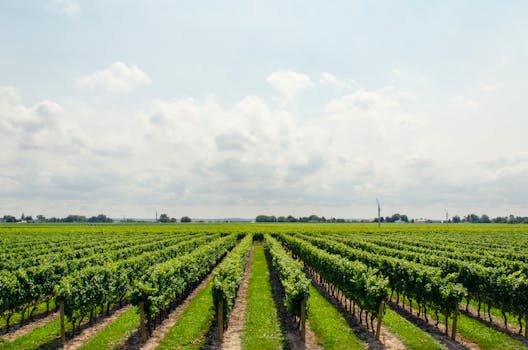
Why are cover crops important in vineyards? The integration of cover crops into vineyard management represents a foundational practice for sustainable viticulture, offering a spectrum of ecological and economic advantages. Beyond mere aesthetics, cover crops actively contribute to soil health, nutrient cycling, and overall vineyard resilience. Research consistently demonstrates that well-managed cover crop systems can lead to significant improvements in soil structure, water infiltration, and biodiversity.
One of the most immediate benefits is enhanced soil erosion control. In vineyards, particularly those on slopes or with high rainfall, bare soil is highly susceptible to erosion, leading to topsoil loss and nutrient depletion. A robust cover crop canopy, combined with its extensive root system, can reduce soil erosion by 80-95% compared to bare ground, retaining valuable topsoil and preventing sediment runoff into waterways. This is particularly critical in regions with significant winter rainfall, such as the North Coast of California or the Pacific Northwest.
Furthermore, cover crops are instrumental in increasing soil organic matter (SOM). As cover crop biomass decomposes, it adds carbon to the soil, improving soil structure, water holding capacity, and nutrient availability. Studies have shown that continuous cover cropping can increase SOM levels by 0.1% to 0.3% annually in the upper soil profile. For instance, a 1% increase in SOM can increase soil water holding capacity by approximately 25,000 gallons per acre-foot. This directly translates to improved water use efficiency for vines, especially beneficial in arid or semi-arid regions. Certain cover crop species, particularly legumes, also contribute to nitrogen fixation, reducing the need for synthetic nitrogen fertilizers. A healthy stand of vetch, for example, can fix 80-150 lbs of nitrogen per acre per year.
Beyond soil improvements, cover crops play a vital role in weed suppression, reducing reliance on herbicides. A dense cover crop canopy outcompetes undesirable weeds for light, water, and nutrients. They also provide habitat for beneficial insects, fostering biodiversity and contributing to natural pest control. For instance, flowering cover crops like sweet alyssum or buckwheat can attract predatory mites and parasitic wasps that prey on common vineyard pests such as leafhoppers and spider mites. This integrated approach minimizes chemical inputs and supports a more balanced vineyard ecosystem.
Common Mistakes: Ignoring initial soil tests before selecting cover crops. Without understanding existing nutrient levels, pH, and organic matter, vineyard managers may choose species that are not well-suited to the site, leading to poor establishment or suboptimal benefits.
Selecting the Right Cover Crop Mix: Goals, Species, and Regional Adaptation
How to choose cover crops for vineyards? The success of a cover cropping program hinges on selecting the appropriate species or mix tailored to specific vineyard goals, soil conditions, and regional climate. A monoculture approach is often less effective than a diverse mix, which can provide a broader range of benefits and adapt better to varying conditions within a vineyard block. The first step in selection is clearly defining the primary objectives, which might include erosion control, nitrogen fixation, biomass production, weed suppression, or beneficial insect habitat.
Species Selection by Goal:
- Erosion Control & Soil Building: Grasses (e.g. Cereal Rye, Annual Ryegrass, Fescues) are excellent due to their fibrous root systems and rapid biomass production. Cereal rye (Secale cereale) can produce 4,000-8,000 lbs of dry biomass per acre.
- Nitrogen Fixation: Legumes (e.g. Crimson Clover, Vetch, Subterranean Clover) host nitrogen-fixing bacteria. Hairy vetch (Vicia villosa) can fix 80-150 lbs N/acre/year.
- Weed Suppression: Species with dense canopy growth and allelopathic properties, such as Cereal Rye or some Mustards (e.g. White Mustard, Yellow Mustard), are effective.
- Beneficial Insect Habitat: Flowering species like Buckwheat (Fagopyrum esculentum), Sweet Alyssum (Lobularia maritima), or various clovers attract pollinators and predatory insects.
- Nematode Suppression: Certain Brassicas (e.g. Oilseed Radish, Mustards) release biofumigant compounds into the soil.
Regional adaptation is paramount. Cool-season cover crops (e.g. cereal rye, vetch, crimson clover) are typically planted in the fall after harvest and grow through winter and spring, common in Mediterranean climates like California and the Pacific Northwest. Warm-season cover crops (e.g. buckwheat, sudangrass) are less common in vineyards but can be used in specific scenarios, often planted in late spring/early summer in regions with hot summers and sufficient rainfall or irrigation. Drought tolerance is a key consideration in arid regions; species like subterranean clover or specific fescue varieties (e.g. sheep fescue) require less water.
| Species Type | Primary Benefit(s) | Growth Habit | Water Needs | Termination Ease |
|---|---|---|---|---|
| Cereal Rye (Grass) | Erosion, biomass, weed suppression | Tall, upright, fibrous roots | Moderate | Moderate (can be tough when mature) |
| Hairy Vetch (Legume) | Nitrogen fixation, biomass | Vining, sprawling | Moderate | Easy (winterkills in cold areas) |
| Crimson Clover (Legume) | Nitrogen fixation, beneficial insects | Bushy, upright | Moderate | Easy |
| Annual Ryegrass (Grass) | Erosion, quick establishment | Dense, low-growing | Moderate-High | Easy (before seed set) |
| Oilseed Radish (Brassica) | Nematode suppression, soil loosening | Deep taproot, broad leaves | Moderate | Easy (winterkills often) |
Step-by-step Selection Process:
- Define Goals: Prioritize 1-3 key objectives for your cover crop.
- Assess Site Conditions: Analyze soil type, pH, fertility, existing weed pressure, and typical rainfall patterns.
- Consider Vine Vigor: In high-vigor blocks, choose more competitive cover crops; in low-vigor blocks, select less competitive or easily terminated options.
- Select Species/Mix: Choose 2-4 species that collectively address your goals and are adapted to your region. Aim for a mix of grasses and legumes for balanced benefits.
- Plan for Termination: Ensure selected species can be effectively terminated with available equipment and within desired timing.
Common Mistakes: Using a single species that doesn't meet all objectives. Forgetting to consider the cover crop's water demand relative to vine water availability, especially in dry-farmed or water-stressed vineyards.
Establishing Cover Crops: Seeding Rates, Methods, and Early Management
What are the best methods for planting cover crops in vineyards? Successful cover crop establishment is crucial for realizing their full potential. Poor establishment can lead to sparse stands, ineffective weed suppression, and wasted resources. The timing, seeding rate, and method of application are critical factors that influence germination and initial growth.
Timing and Preparation:
For cool-season cover crops, the optimal planting window is typically in the fall, immediately after harvest, when soil temperatures are still warm enough for germination (above 45°F/7°C). This allows for sufficient growth before winter dormancy. In many regions, this window spans from late September to late October. Delaying planting too long into late fall can result in poor germination and reduced biomass production. For warm-season cover crops, planting usually occurs in late spring after the risk of frost has passed, once soil temperatures consistently reach 60°F (15°C) or higher.
Seedbed preparation is often minimal in established vineyards but can involve light disking or harrowing to create a fine, firm seedbed if compaction is an issue or if broadcast seeding. Removing excessive post-harvest vine debris can also improve seed-to-soil contact. A soil test prior to planting can inform any necessary amendments, though cover crops typically thrive on residual soil fertility.
Seeding Rates and Methods:
Seeding rates are specific to each species and whether it's part of a mix. Using certified seed is recommended to ensure germination viability and purity. Typical rates for common species are:
- Cereal Rye: 60-120 lbs/acre (monoculture), 30-60 lbs/acre (in mixes)
- Annual Ryegrass: 20-40 lbs/acre (monoculture), 10-20 lbs/acre (in mixes)
- Hairy Vetch: 20-40 lbs/acre (monoculture), 10-20 lbs/acre (in mixes)
- Crimson Clover: 15-25 lbs/acre (monoculture), 5-10 lbs/acre (in mixes)
- Mixes: Total seeding rate often ranges from 50-100 lbs/acre, depending on the desired density and species included.
Accurate calibration of seeding equipment is essential to achieve these rates. Over-seeding wastes seed and can lead to overly dense stands that are difficult to manage; under-seeding results in sparse coverage and poor weed suppression.
Primary Seeding Methods:
- Drill Seeding: This is the preferred method for precision. Seed drills place seeds at a consistent depth (typically 0.5-1.0 inch for most cover crops) and ensure good seed-to-soil contact. This method generally requires lower seeding rates due to higher efficiency and results in more uniform stands. No-till drills are particularly beneficial as they minimize soil disturbance.
- Broadcast Seeding: Seeds are spread over the soil surface using a spinner spreader or air seeder. This method is faster and requires less specialized equipment but often necessitates higher seeding rates (up to 25-50% more) to compensate for uneven distribution and poor seed-to-soil contact. Light harrowing or rolling after broadcasting can improve seed-to-soil contact and germination rates.
Step-by-step Establishment Process:
- Site Assessment: Clear heavy debris, assess soil moisture.
- Equipment Calibration: Calibrate your drill or broadcast spreader for the specific seed size and desired rate.
- Seed Inoculation (for legumes): If planting legumes and the field has not grown them recently, inoculate seeds with the appropriate rhizobia bacteria for optimal nitrogen fixation.
- Seeding: Plant at the recommended depth and rate. Ensure even passes.
- Post-Seeding: If broadcast seeding, follow with light harrowing or rolling. If conditions are very dry, a light irrigation pass can significantly improve germination.
Common Mistakes: Planting too deep or too shallow, leading to poor germination. Using uncalibrated equipment, resulting in uneven stands or wasted seed. Neglecting to inoculate legume seeds when necessary, which reduces nitrogen fixation benefits. If coverage is uneven, check for clogged nozzles or an improperly calibrated spreader before reseeding affected areas.
Ongoing Management: Mowing Timing, Height, and Competition Control
How to manage cover crops in vineyards? Effective ongoing management is crucial to ensure cover crops provide benefits without becoming a detriment to vine health and productivity. The primary management tool is mowing, with timing and height being critical variables that influence biomass production, weed suppression, and competition with grapevines. The goal is to maximize the positive impacts of cover crops while minimizing any negative interactions, particularly regarding water and nutrient availability.
Mowing Timing and Height:
The timing of mowing significantly impacts cover crop physiology and its subsequent effects on the vineyard. Generally, cool-season cover crops are mowed in late winter or early spring before they set seed. Mowing prior to seed set prevents unwanted reseeding and helps manage vigor. For biomass production and nutrient cycling, mowing when the cover crop is in its early reproductive stage (e.g. grasses at boot stage, legumes at early flower) maximizes the carbon-to-nitrogen ratio of the residue, promoting slower decomposition and longer-term organic matter contribution. Mowing too early can reduce overall biomass, while mowing too late allows seed set, potentially leading to persistent weed problems in subsequent seasons.
Mowing height is also critical. For most cover crops, a mowing height of 4-6 inches (10-15 cm) is recommended. Mowing too low (e.g. under 3 inches) can damage the crowns of perennial grasses and clovers, hindering their regrowth potential. For legumes like crimson clover, a higher cut (6-8 inches) may be beneficial to encourage a second flush of growth. Conversely, if the goal is to terminate the cover crop mechanically, a very low cut or multiple passes might be employed, though complete termination often requires additional methods.
Competition Control:
Cover crops, by their nature, compete with grapevines for essential resources, primarily water and nutrients. This competition can be beneficial in high-vigor sites to moderate vine growth, but in low-vigor or water-stressed vineyards, it can lead to reduced vine growth, delayed ripening, and decreased yields. Managing this competition is paramount:
- Mow Strips: Maintaining a vegetation-free strip directly under the vine row (typically 2-3 feet wide) is a common strategy. This can be achieved through cultivation, herbicides (if permitted), or specialized mowers. This ensures that the immediate root zone of the vine has reduced competition for water and nutrients.
- Mowing Frequency: In competitive scenarios, more frequent mowing can reduce the cover crop's biomass accumulation and its demand for water and nutrients. However, this increases operational costs.
- Species Selection: Choosing less competitive cover crop species, such as subterranean clover or specific fescues, can mitigate competition. These species have shallower root systems or lower water demands compared to aggressive annual ryegrass or cereal rye.
- Monitoring Vine Water Status: Regular monitoring of vine water potential (e.g. using a pressure bomb) is essential, especially in dry years or regions. If vines show signs of excessive water stress, earlier or more aggressive cover crop termination may be necessary. Research indicates that vines grown with unmanaged, vigorous cover crops can exhibit midday stem water potentials 2-4 bars lower than those with managed or no cover crops.
Regional considerations play a role. In high-rainfall regions, competition for water is less of a concern, and cover crops can be allowed to grow longer to maximize biomass and organic matter contribution. In contrast, in drought-prone or dry-farmed regions, proactive and early management of cover crop biomass and termination is critical to conserve moisture for the vines.
Common Mistakes: Mowing too low, which can damage cover crop crowns and reduce regrowth. Mowing too late, allowing cover crops to set seed and become a weed problem. Ignoring signs of vine water stress (e.g. leaf curling, reduced shoot growth) and failing to adjust cover crop management accordingly. If cover crop regrowth is too vigorous after mowing, consider shortening the interval between mows or adjusting the mowing height to be slightly lower in subsequent passes, ensuring not to damage the plant crowns excessively.
Cover Crop Termination: Timing, Methods, and Preparing for Bud Break
When and how to terminate vineyard cover crops? Cover crop termination is a critical management practice that directly impacts vine performance, especially during the crucial period leading up to bud break and early shoot growth. The primary objective is to eliminate competition for water and nutrients at a time when vines require these resources most, while also facilitating vineyard operations and allowing the cover crop biomass to decompose and enrich the soil.
Optimal Timing:
The ideal termination window is typically 4-6 weeks before anticipated bud break. This timing allows sufficient time for the cover crop to desiccate or decompose, releasing nutrients into the soil profile and minimizing its water demand before the vines actively begin growth. Terminating too early (e.g. 8+ weeks before bud break) might leave the soil exposed to erosion during late winter rains and reduce the total biomass contribution. Terminating too late (e.g. 2 weeks before or at bud break) can lead to significant competition with newly emerging vine shoots for critically needed soil moisture and nitrogen, potentially delaying bud break, reducing early shoot vigor, and impacting fruit set. In regions prone to spring frosts, a tall, intact cover crop can sometimes increase frost risk by preventing heat radiation from the soil, so this must be balanced against the risk of competition.
Termination Methods:
The choice of termination method depends on vineyard goals (e.g. organic certification, desire for no-till), cover crop species, and available equipment.
- Mechanical Termination:
- Flail Mowing: A common method that chops the cover crop into fine pieces, accelerating decomposition and nutrient release. Multiple passes may be needed for very dense stands.
- Discing/Cultivation: Incorporates the cover crop biomass into the soil, which can rapidly increase organic matter and nutrient availability. However, it disturbs soil structure, can lead to compaction, and is generally avoided in no-till systems. Typically, shallow discing (4-6 inches deep) is preferred to minimize soil disturbance.
- Roller-Crimping: A specialized implement that crimps and lays down tall cover crops without cutting them. This method is excellent for no-till systems, creating a mulch layer that suppresses weeds and conserves moisture. It is most effective when cover crops are in their flowering or early seed-set stage.
- Chemical Termination:
- Herbicides: Non-selective herbicides (e.g. glyphosate) can provide quick and effective termination. This method is efficient but not suitable for organic vineyards and raises environmental concerns for some growers. Application should be carefully timed to avoid drift onto vines.
- Winterkill: Some cover crop species (e.g. oats, oilseed radish) are not cold-hardy and will naturally terminate with severe winter frosts. This is a passive method, but growers must select appropriate species for their climate.
Step-by-step Termination Process:
- Assess Vine Vigor: For low-vigor blocks, terminate earlier. For high-vigor blocks, termination can be slightly delayed to allow for more biomass accumulation, but always before bud break.
- Monitor Weather: Avoid terminating immediately before heavy rainfall if using methods that leave soil exposed, to prevent erosion. Conversely, ensure adequate moisture for decomposition after termination if dry conditions are expected.
- Select Method: Choose based on vineyard system (organic, conventional), available equipment, and cover crop species.
- Execute Termination: Perform the chosen method carefully, ensuring complete termination to prevent regrowth and competition.
Common Mistakes: Terminating too late, leading to significant competition with vines for water and nutrients. Incomplete mechanical termination, resulting in regrowth and continued competition. Forgetting to consider the impact of termination on soil moisture, especially in dry-farmed vineyards. If mechanical termination results in excessive dust, consider a light irrigation pass post-termination to settle dust and aid decomposition. If chemical termination shows incomplete kill, check herbicide rates, application conditions (e.g. temperature, wind), and consider a follow-up spot treatment or mechanical pass.
Managing Cover Crops in Challenging Conditions: Drought and Extreme Weather
How to manage vineyard cover crops during drought? Vineyard managers must be agile in adapting cover crop strategies to challenging environmental conditions, particularly drought, excessive rainfall, or extreme temperatures. These conditions can significantly alter the balance between cover crop benefits and potential risks, necessitating proactive adjustments.
Drought Management:
Drought is arguably the most critical challenging condition for cover crop management in vineyards. While cover crops offer long-term soil health benefits that can improve water infiltration and retention, their immediate water demand can exacerbate vine stress during dry periods. Effective drought management strategies include:
- Early Termination: This is the most crucial adjustment. In a drought year, terminate cover crops 2-4 weeks earlier than the standard window (e.g. 6-8 weeks before bud break) to conserve soil moisture for the vines. This significantly reduces competition for limited water resources. Monitoring vine water status (e.g. midday stem water potential) can help pinpoint the exact timing. Research indicates that early termination can conserve 1-2 inches of soil moisture compared to late termination.
- Species Selection: Prioritize drought-tolerant species or mixes. Examples include subterranean clover (Trifolium subterraneum), various fescue species (e.g. sheep fescue, hard fescue), and specific types of medic (Medicago spp.). These species often have deeper root systems or lower transpirational rates.
- Reduced Seeding Rates: In anticipation of drought, consider reducing seeding rates by 10-20% to establish a less dense stand, thereby decreasing overall water demand.
- Wider Vine Row Strips: Increase the width of the vegetation-free strip under the vine row (e.g. from 2 feet to 3-4 feet) to create a larger zone of reduced competition for vine roots.
- Mowing Frequency: More frequent mowing during periods of active cover crop growth can reduce biomass and water use, though this increases operational costs.
Excessive Rainfall and Erosion Control:
Conversely, in years with unusually high rainfall or in vineyards prone to erosion, cover crops become even more vital. Strategies include:
- Aggressive Cover Crop Use: Utilize dense-growing, deep-rooted grass species (e.g. cereal rye, annual ryegrass) to maximize soil surface protection and root biomass.
- No-Till Approaches: Minimize soil disturbance during establishment and termination to maintain soil structure and maximize the protective mulch layer. Roller-crimping is an excellent method for this.
- Strategic Seeding: Ensure cover crops are well-established before the onset of heavy winter rains. If planting is delayed, consider fast-establishing species.
- Delay Termination (if possible): If water competition is not a concern and erosion risk remains high into spring, delaying termination slightly can extend the period of soil protection, provided it does not interfere with vine growth.
Extreme Cold/Frost:
While cover crops are not a primary frost protection method, they can slightly influence vineyard microclimate. A dense, mown cover crop can sometimes trap a thin layer of cold air, potentially increasing frost risk by 1-2°F (0.5-1°C) compared to bare soil, which radiates heat more effectively. However, a cover crop that has been terminated and allowed to decompose, leaving a dry mulch layer, will have less impact. For regions with significant frost risk, managing cover crop height (keeping it short) or terminating earlier in spring is a prudent approach.
Common Mistakes: Failing to adjust termination timing in a drought year, leading to severe vine water stress. Using water-intensive cover crop species in drought-prone regions without adequate irrigation. Ignoring weather forecasts and planting or terminating at inopportune times (e.g. planting just before a dry spell without irrigation, terminating before expected heavy rains). If vines show signs of severe water stress despite early termination, consider a light, targeted irrigation pass if available, or further reduce the cover crop strip width in subsequent seasons.
Tools & Resources for Effective Cover Crop Management
Implementing a successful cover crop program relies on a combination of appropriate equipment, informed decision-making, and robust record-keeping. Utilizing the right tools and resources can streamline operations, improve efficiency, and ensure that cover crop efforts yield their intended benefits.
Essential Equipment:
- Seed Drills: For precise and efficient seeding. No-till drills are highly recommended as they minimize soil disturbance, preserving soil structure and moisture. They ensure consistent seeding depth and seed-to-soil contact, leading to better germination rates.
- Broadcast Spreaders: Cost-effective for larger areas or when precision depth is less critical. Spinner spreaders (tractor-mounted or handheld) and air seeders are common. Often paired with light harrowing or rolling for improved seed-to-soil contact.
- Flail Mowers: Versatile for mowing and terminating cover crops. They chop biomass into fine pieces, accelerating decomposition and nutrient cycling. Available in various widths to fit vineyard row spacing.
- Rotary Mowers (Brush Shredders): Also used for mowing, often for heavier growth. May not chop as finely as flail mowers.
- Roller-Crimpers: Specialized implements for mechanical termination in no-till systems. They crimp the stems of mature cover crops, laying them down as a mulch layer without cutting them, which is excellent for moisture retention and weed suppression.
- Discs or Cultivators: Used for incorporating cover crop biomass into the soil, particularly in conventional tillage systems. Choose implements that allow for shallow incorporation to minimize soil disturbance.
- Pressure Bomb (Scholander Chamber): A critical tool for measuring vine water potential, providing real-time data on vine water stress. This helps vineyard managers make informed decisions about irrigation and cover crop termination timing, especially in drought years.
Vineyard Management Software:
Effective cover crop management, like all vineyard operations, benefits immensely from systematic data collection and analysis. Vinobloc is a leading vineyard management software that offers comprehensive modules to support these efforts:
- Field Mapping & Planning: Vinobloc allows for detailed mapping of vineyard blocks, enabling managers to plan cover crop zones, track species planted in each area, and record seeding dates.
- Task Management & Scheduling: Schedule and track all cover crop-related activities, including seeding, mowing, and termination. Assign tasks to crews, monitor progress, and log completion dates.
- Resource Allocation: Manage inventory of cover crop seeds, track equipment usage (e.g. hours on mowers, drills), and monitor labor costs associated with cover crop management.
- Data Logging & Analysis: Record crucial environmental data (rainfall, temperature), soil test results, and vine water status readings. Vinobloc can integrate this data to help analyze the impact of cover crop decisions on vine health and soil parameters over time, aiding in continuous improvement.
- Compliance & Reporting: Generate reports for organic certification (if applicable) or internal audits, documenting all cover crop practices and inputs.
Helpful Templates & Checklists:
- Cover Crop Selection Checklist: A template guiding managers through the decision-making process, considering goals, soil type, climate, and vine vigor.
- Seeding Rate Calculation Worksheet: Helps accurately determine the amount of seed needed per acre based on species, mix, and application method, minimizing waste.
- Cover Crop Termination Schedule Planner: A customizable calendar template to plan termination dates relative to anticipated bud break and weather forecasts, ensuring timely action.
- Vine Water Status Monitoring Log: A simple log to record pressure bomb readings, enabling systematic tracking of vine stress and informing irrigation and cover crop management decisions.
These tools, when used in conjunction with sound viticultural practices, empower vineyard managers to optimize their cover crop programs for maximum benefit.
Key Takeaways for Vineyard Cover Crop Success
✓ Align Selection with Goals: Choose cover crop species or mixes based on specific vineyard objectives (e.g. erosion control, nitrogen fixation, weed suppression) and local environmental conditions. Avoid a one-size-fits-all approach.
✓ Prioritize Proper Establishment: Calibrate seeding equipment meticulously and ensure correct seeding rates and depths (0.5-1.0 inch) to achieve uniform, dense stands, typically in fall post-harvest.
✓ Manage Competition Proactively: Use strategic mowing (4-6 inch height, before seed set) and maintain clear under-vine strips (2-3 feet) to prevent cover crops from outcompeting vines for water and nutrients, especially in low-vigor blocks.
✓ Timely Termination is Critical: Terminate cover crops 4-6 weeks before anticipated bud break to release nutrients and eliminate resource competition, ensuring vines have ample resources for spring growth. Adjust timing based on vine vigor and weather forecasts.
✓ Adapt to Challenging Conditions: In drought years, terminate cover crops earlier (6-8 weeks pre-bud break) and consider drought-tolerant species. For high erosion risk, prioritize dense, deep-rooted species and no-till practices.
✓ Monitor and Record: Regularly assess soil health, vine vigor, and water status. Utilize vineyard management software like Vinobloc to track all cover crop activities, analyze data, and refine strategies over time for continuous improvement.
VinoBloc Team
Vineyard Management Experts
Ready to Transform Your Vineyard Management?
See how VinoBloc can help you streamline block-level data and harvest decisions.