Dormancy in Grapevines: A Quick Guide for Vineyard Managers
The Critical Challenge of Dormancy Management
Vineyard managers understand that the winter season is far from dormant in terms of strategic decision-making. If you misjudge the precise onset or conclusion of grapevine dormancy, the operational and financial repercussions can be significant. Errors in timing, from early pruning to delayed frost protection, can lead to increased susceptibility to winter damage, inconsistent bud break, reduced bud fertility, and ultimately, compromised yield potential and quality. The cost of such miscalculations, while not always immediate, compounds over the season, impacting revenue streams and long-term vine health.
What is Dormancy? A Quick Definition
Dormancy in grapevines is a crucial physiological state of suspended growth, essential for vine survival during adverse winter conditions. It is not a simple 'sleep' but a complex, internally regulated process. Understanding its phases is paramount for effective vineyard management.
Key Phases of Grapevine Dormancy:
- Endodormancy (True Dormancy): This is the initial, deeper phase of dormancy, where buds will not grow even under favorable conditions. It is an internal, physiological block that must be overcome by accumulating sufficient chilling hours. This phase typically begins after leaf fall.
- Ecodormancy (Quiescence): Once the chilling requirement is met, the vine transitions to ecodormancy. In this phase, buds are physiologically capable of growth but remain dormant due to unfavorable external conditions, primarily low temperatures. A sustained period of warm temperatures will trigger bud break.
- Paradormancy: While less relevant for the winter dormancy cycle, paradormancy refers to the inhibition of bud growth by physiological signals from other parts of the vine, such as actively growing shoots. This is more pertinent during the growing season.
Industry experts note that distinguishing between endodormancy and ecodormancy is critical for timing winter vineyard tasks, especially pruning.
Key Indicators and Specifications for Dormancy
Accurate assessment of dormancy relies on both environmental data and visual cues:
| Indicator | Specification/Range | Relevance |
|---|---|---|
| Chilling Hours | 200-1000 hours below 45°F (7°C), depending on variety. Some models use 32-50°F (0-10°C) range. | Requirement to break endodormancy. Crucial for consistent bud break. |
| Critical Winter Temperatures | For Vitis vinifera, damage can occur below 15°F (-9°C) to -5°F (-20°C), depending on cultivar and acclimation. | Indicates risk of primary bud mortality. Deep dormancy enhances cold hardiness. |
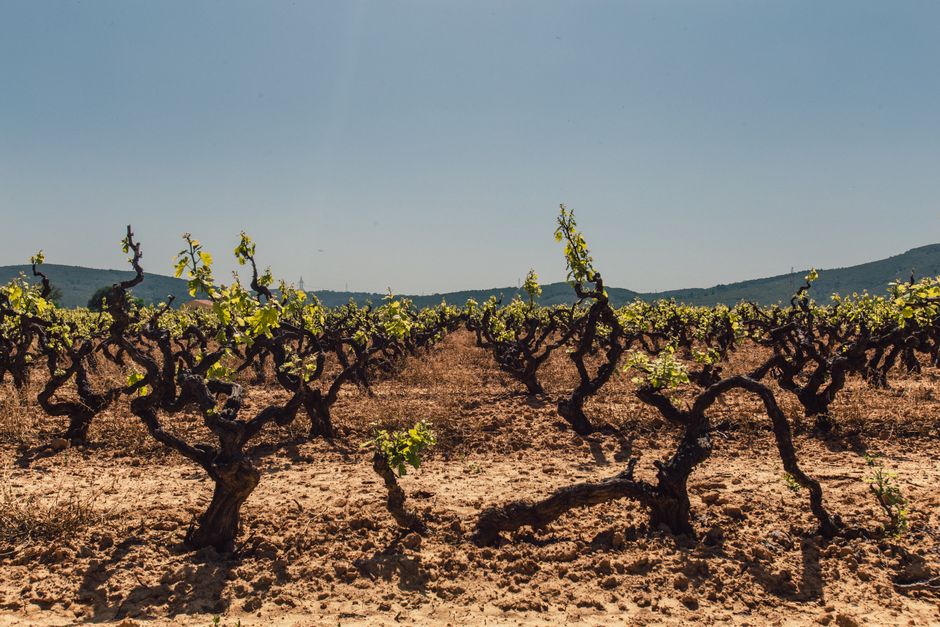
| Visual Cues | Complete leaf fall, hardened, lignified canes, firm buds. | Confirms physiological readiness for winter. |
| Bud Swell Stage | Visible swelling, 'fuzzy' appearance, green tip. | Indicates end of ecodormancy and imminent bud break. Pruning should generally be completed before this stage. |
Managing Dormancy: A Step-by-Step Approach
Effective dormancy management is proactive and data-driven.
- Monitor Chilling Accumulation Rigorously: Utilize vineyard weather stations equipped with temperature sensors to track chilling hours. Many modern vineyard management software platforms, such as VinoBloc, offer tools to log and analyze this data, providing real-time insights into your vineyard's dormancy progression.
- Observe Visual Cues Consistently: Regularly scout vineyards for complete leaf fall and the lignification of canes. This confirms the vine has entered deep endodormancy and is preparing for winter.
- Strategize Pruning Timing:
- Deep Dormancy Pruning: For most varieties, pruning during deep endodormancy (after chilling requirements are largely met but before significant warming trends) is ideal. This minimizes sap bleed and reduces the risk of frost damage to fresh cuts.
- Delayed Pruning: In areas prone to late frosts, delaying pruning of certain blocks or varieties until just before bud swell can be a strategic frost mitigation technique, as unpruned canes offer some protection to primary buds.
Example Scenario 1 (Hypothetical): A vineyard manager in a region with historically mild winters notices an unusually warm December. While visual cues indicate dormancy, chilling hour accumulation (e.g. only 150 hours compared to a typical 400 by this point) suggests endodormancy is not fully satisfied. Pruning is delayed to avoid potential false bud break if a subsequent warm spell occurs, which could expose new growth to later, harsher frosts.
- Prepare for Ecodormancy Break: As chilling hours are met and temperatures begin to rise, prepare frost protection equipment (e.g. wind machines, overhead sprinklers) well in advance of anticipated bud swell.
Common Mistakes and Consequences:
- Pruning Too Early: Before full endodormancy, this can lead to excessive sap bleed ('bleeding vines'), weakening the vine and potentially increasing susceptibility to diseases. It also risks exposing buds to early winter cold before they have achieved maximum cold hardiness.
- Pruning Too Late: After bud swell, pruning can remove developing shoots, reduce vigor, and significantly impact the current season's yield.
- Ignoring Chilling Hour Data: Relying solely on calendar dates or visual cues without considering accumulated chilling can lead to mistimed operations, especially in climatically variable regions.
Actionable Next Steps
To optimize dormancy management and vineyard health:
- Implement a Chilling Hour Monitoring Protocol: Establish a consistent system for tracking chilling hour accumulation using your vineyard's weather station data. Integrate this data into your vineyard management software, such as VinoBloc, for easy visualization and analysis.
- Develop a Dynamic Pruning Schedule: Create a flexible pruning plan that considers both variety-specific chilling requirements and real-time weather forecasts, rather than a rigid calendar schedule.
- Review and Prepare Frost Protection: By late winter, ensure all frost protection systems are fully operational and staff are trained on deployment protocols, ready for the transition out of ecodormancy.
- Educate Vineyard Staff: Conduct training sessions for vineyard crews on identifying dormancy stages and the importance of precise timing for winter tasks.
Success in dormancy management is measured by consistent bud break across blocks, minimal winter damage, and the overall vigor and productivity of your vines in the subsequent growing season. Proactive, data-informed decisions during dormancy lay the foundation for a successful harvest.
VinoBloc Team
Vineyard Management Experts
Ready to Transform Your Vineyard Management?
See how VinoBloc can help you streamline block-level data and harvest decisions.