Grapevine Winter Damage: Expert Assessment and Strategic Recovery for Vineyards
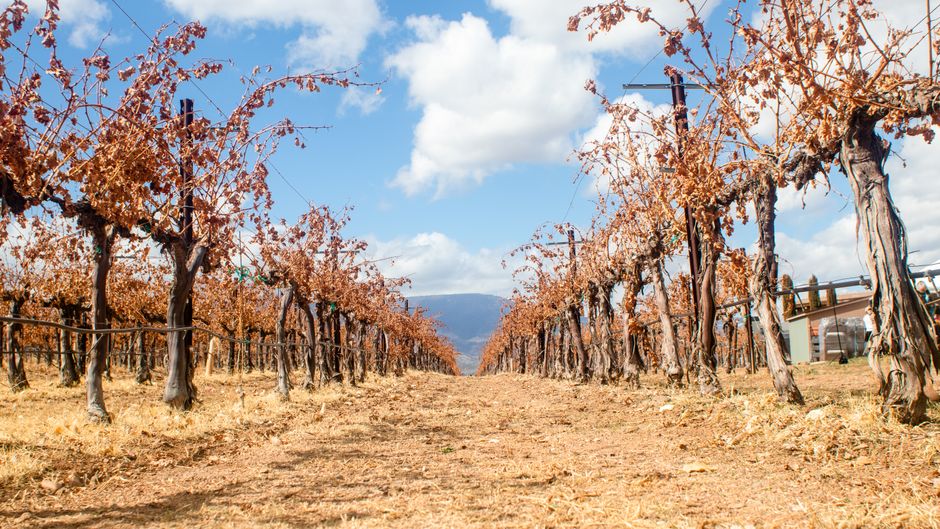
Introduction: The Silent Threat of Winter Damage
As an experienced vineyard manager, you understand the profound impact that unpredictable winter events can have on your operation. A sudden, severe cold snap or prolonged freezing temperatures can inflict significant grapevine winter damage, leading to substantial financial losses through reduced yields, compromised fruit quality, and even the complete loss of productive vines. The cost of not addressing this damage promptly and strategically extends beyond a single season, potentially requiring multi-year recovery efforts and considerable investment in replanting. This guide provides a detailed, actionable framework for assessing winter damage and implementing effective recovery strategies, ensuring the long-term resilience and productivity of your vineyard.
Understanding Cold Hardiness and Vulnerability
Grapevine cold hardiness is a complex physiological state influenced by cultivar genetics, vine age, nutritional status, and prior season's crop load. Different parts of the vine exhibit varying degrees of tolerance to freezing temperatures. Understanding these thresholds is critical for accurate assessment.
| Vine Part | Temperature Range for Damage | Impact |
|---|---|---|
| Primary Buds | -15°C to -20°C (5°F to -4°F) | Significant yield reduction, reliance on secondary buds |
| Secondary Buds | -20°C to -25°C (-4°F to -13°F) | Severe yield reduction, reliance on tertiary buds or latent buds |
| Canes/Cordons | -20°C to -28°C (-4°F to -18°F) | Loss of fruiting wood, potential need for cordon renewal |
| Trunks/Rootstock | -22°C to -30°C (-8°F to -22°F) | Vine death, trunk splitting, graft union failure |
Phase 1: Immediate Post-Freeze Assessment
Timely and accurate assessment is the cornerstone of effective recovery. Begin your evaluation within days of a suspected damaging freeze, but allow sufficient time for cellular damage to become visible (typically 7-10 days).
1. Initial Visual Inspection (Within 24-48 hours of suspected freeze)
Conduct a preliminary walk-through to identify obvious signs of damage.
- Observe for external signs: Look for split bark, particularly on the trunk and cordons. Shriveled or discolored buds (brown/black) are immediate indicators.
- Cane flexibility: Healthy canes should be pliable. Brittle, stiff canes may indicate desiccation or freezing damage.
- Graft union integrity: Inspect the graft union for cracks or swelling, which can indicate damage to vascular tissues.
2. Bud and Cane Viability Testing (Within 7-10 days post-freeze)
This is the most critical step for determining potential yield and guiding pruning decisions. Sample canes from various blocks and vine positions (e.g. top, middle, bottom of slopes).
- Sample Collection: Collect 10-20 canes per block, ensuring representation of different varieties and training systems. Cut 2-3 nodes from the middle of each cane.
- Sectioning: Using a sharp razor blade, carefully slice longitudinal sections through the buds. Observe the cross-section of the bud.
- Visual Examination:
- Healthy: Primary, secondary, and tertiary bud tissues will appear vibrant green and turgid.
- Damaged: Necrotic tissue will appear brown or black, soft, and watery.
- Chemical Staining (Optional but Recommended for Accuracy):
- Tetrazolium Chloride (TTC) Test: Prepare a 0.5% - 1% solution of 2,3,5-triphenyltetrazolium chloride. Soak the bud sections in the solution for 2-4 hours at room temperature (20-25°C / 68-77°F) in the dark. Living, respiring cells will stain bright red; dead cells will remain unstained or light pink.
- Potassium Iodide (KI) Test: Prepare a 0.5M solution of potassium iodide. Soak bud sections for 15-30 minutes. Starch present in healthy tissues will react, turning dark blue or black. Damaged tissues will show little to no color change.
- Data Recording: Record the percentage of live primary, secondary, and tertiary buds for each sample. This data is crucial for VinoBloc or your preferred vineyard management software to track damage patterns and inform pruning strategies.
| Primary Bud Viability (%) | Recommended Pruning Strategy |
|---|---|
| > 80% | Standard pruning, minimal adjustments. |
| 50% - 80% | Delay pruning, leave 2-3 extra buds per cane/spur. |
| 20% - 50% | Delay pruning significantly (until bud swell), leave 4-5 extra buds, consider cane pruning even in spur-pruned vineyards. |
| < 20% | Severe damage. Look for basal buds or suckers from below the cordon. Consider trunk renewal or retraining from the ground up. |
3. Rootstock and Trunk Assessment
Damage below the graft union or to the trunk is often more severe and can result in vine death. Scrape the outer bark of the trunk near the ground line. Healthy tissue will be green; damaged tissue will be brown or black. If the cambium layer is compromised, the vine's ability to transport water and nutrients is severely impaired.
Phase 2: Strategic Pruning and Canopy Management
Pruning after winter damage requires a nuanced approach, deviating from standard practices.
1. Delayed Pruning Strategy
Delaying pruning until late winter or early spring (just before bud break) allows for a more accurate assessment of viable buds. This strategy enables the vine to allocate resources to surviving buds and helps identify which buds will push.
- Assess Viability: Re-evaluate bud viability just before pruning, especially if the initial assessment showed moderate to severe damage.
- Adjust Bud Count: Based on the viability test results, adjust the number of buds left on each cane or spur. If primary bud viability is low, leave more buds to compensate, relying on secondary or tertiary buds. For example, if 50% of primary buds are dead, consider leaving double the typical bud count.
- Retain Canes: In severely damaged blocks, consider cane pruning instead of spur pruning, even for traditionally spur-pruned varieties. Canes offer more dormant buds per linear foot and greater flexibility for selecting live wood.
- Trunk Renewal: If trunk damage is extensive but the rootstock is healthy, select a vigorous shoot or sucker originating from below the graft union to retrain as a new trunk. This is a multi-year process.
Safety Consideration: Always use sharp, clean pruning tools to minimize further stress on damaged vines. Wear appropriate personal protective equipment (PPE), including gloves and eye protection.
Example Scenario (Hypothetical): Moderate Bud Damage
A Chardonnay block experiences a -18°C (0°F) freeze. Initial bud viability tests show 60% primary bud survival and 90% secondary bud survival. Instead of the typical 40-bud count for cane pruning, the vineyard manager decides to delay pruning until early spring and aims for 60-70 buds per vine, leaving longer canes to maximize the chance of secondary bud break. This strategy is estimated to recover approximately 70-80% of a normal yield, albeit with a later harvest.
2. Canopy Reconstruction
Once new shoots emerge, careful canopy management is crucial to rebuild the vine structure and ensure future productivity.
- Shoot Thinning: Aggressively thin non-count shoots, watersprouts, and suckers that are not needed for trunk renewal. Focus energy on fruitful shoots.
- Shoot Positioning: Position new shoots to establish a balanced canopy, ensuring adequate light penetration and air circulation.
- Retraining: For renewed trunks or cordons, carefully train new shoots along the trellis system. This may involve multiple tying passes throughout the growing season.
Phase 3: Nutritional and Soil Recovery
Vines recovering from winter damage are under significant stress and require optimal nutritional support.
1. Soil Health and Nutrient Replenishment
Conduct comprehensive soil tests in late winter/early spring to assess nutrient levels and pH.
- Target pH: Maintain soil pH between 6.0 and 7.0 for optimal nutrient availability. Apply lime or sulfur as needed.
- Nitrogen (N): Aim for soil N levels of 20-40 ppm. Apply slow-release nitrogen fertilizers (e.g. urea, ammonium sulfate) in split applications to support new shoot growth without promoting excessive vigor that could reduce fruit quality.
- Potassium (K): Ensure K levels are 150-250 ppm. Potassium is vital for cold hardiness and water regulation. Apply potassium sulfate or potassium chloride based on soil test results.
- Organic Matter: Incorporate compost or other organic amendments to improve soil structure, water retention, and nutrient cycling. Target >2% organic matter.
2. Water Management
Damaged vines are more susceptible to drought stress. Implement a precise irrigation schedule to maintain consistent soil moisture, especially during critical growth stages. Avoid overwatering, which can lead to root rot.
3. Disease and Pest Monitoring
Stressed vines are more vulnerable to diseases and pests. Increase scouting frequency and be prepared to apply targeted treatments. Pay close attention to trunk diseases, as damaged wood can provide entry points for pathogens.
Long-Term Vineyard Resilience and Prevention
While complete prevention of winter damage is impossible, proactive measures can significantly reduce its severity.
1. Cultivar Selection and Site Management
- Cold-Hardy Varieties: Where extreme winters are common, consider planting cold-hardy rootstocks and scion varieties.
- Site Selection: Prioritize sites with good air drainage to prevent cold air pooling in low-lying areas.
2. Proactive Protection Strategies
- Hilling Up/Mounding: Mounding soil around the graft union in late fall can protect this vulnerable area. Remove soil in spring.
- Double Trunks: Establishing a second trunk provides a backup in case the primary trunk is damaged.
- Dormant Oils: While primarily for pest control, some dormant applications can provide minor insulation.
- Wind Machines: For high-value blocks, wind machines can mix warmer air from above with cold air near the ground, raising temperatures by a few degrees.
Example Scenario (Hypothetical): Severe Trunk Damage
A Cabernet Sauvignon block experiences widespread trunk splitting. Rootstock appears healthy. The vineyard manager decides to implement a trunk renewal program. For each affected vine, two vigorous suckers originating below the graft union are selected and trained vertically. One is eventually removed, leaving a new, healthy trunk. This process is expected to take 2-3 years for the new trunk to become fully productive, with estimated reduced yields for the intervening years.
Leveraging Technology for Damage Management
Effective recovery from winter damage relies on meticulous record-keeping and data analysis. Vineyard management software like VinoBloc can be instrumental. Utilize its features to:
- Track Damage Assessment: Log bud viability percentages, trunk damage severity, and affected areas per block.
- Manage Pruning Records: Document adjusted bud counts and pruning strategies implemented for each vine or block.
- Monitor Recovery: Record bud break rates, shoot vigor, and yield estimates throughout the growing season to evaluate the success of recovery efforts.
- Nutrient Management: Integrate soil test results and track fertilizer applications to ensure optimal vine nutrition.
Actionable Next Steps for Vineyard Managers
To navigate the complexities of winter damage and ensure a robust recovery, implement these immediate actions:
- Complete Comprehensive Viability Tests: Within the next 1-2 weeks, finalize bud and trunk viability assessments across all affected blocks. Use chemical staining for accuracy.
- Develop a Block-Specific Pruning Strategy: Based on your assessment data, finalize your delayed pruning plan for each block. Identify vines requiring trunk renewal or special attention. Aim to complete this strategy within the next 2-4 weeks.
- Conduct Soil Analysis: Collect soil samples and send them for analysis immediately. Use the results to plan targeted nutrient applications throughout spring and early summer.
- Prepare for Canopy Management: Ensure your team is trained on adjusted pruning techniques and is ready for intensive shoot thinning and positioning once bud break occurs.
- Update Vineyard Management Records: Input all assessment data and planned interventions into VinoBloc or your chosen system to track progress and inform future decisions.
Implementation Timeline: Immediate assessment and strategy development (next 2-4 weeks). Pruning and initial canopy management (late winter through early summer). Nutritional support and ongoing monitoring (throughout the entire growing season).
Success Metrics: Monitor bud break percentage (target >70% of desired buds), shoot vigor and uniformity, yield estimates (aim for 50-80% of normal yield in the first recovery year, depending on damage severity), and overall vine health going into the next dormancy period.
Conclusion
Grapevine winter damage presents a formidable challenge, but with systematic assessment, strategic intervention, and diligent management, vineyards can recover and regain productivity. By understanding vine physiology, employing precise assessment techniques, and adapting management practices, vineyard managers can mitigate losses and build a more resilient vineyard for future seasons.
VinoBloc Team
Vineyard Management Experts
Ready to Transform Your Vineyard Management?
See how VinoBloc can help you streamline block-level data and harvest decisions.