Identifying Low Boron at Bloom: The Critical Field Sign of Blossom Shatter
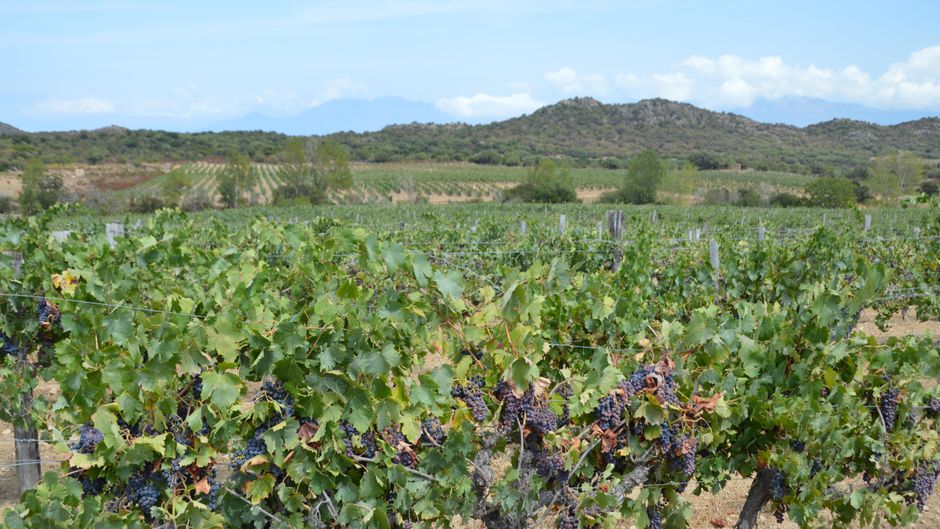
The Problem: Unseen Yield Loss During Bloom
For experienced vineyard managers, the bloom period represents a critical juncture for yield potential. A seemingly robust bloom can mask underlying nutritional deficiencies that severely impact fruit set, leading to significant economic losses through reduced tonnage and compromised cluster quality. One such insidious culprit is boron deficiency, which can manifest subtly during this vital phase, costing you potential revenue without an immediate, obvious cause.
The Key Field Sign: Blossom Shatter and Poor Berry Set
The most telling field sign indicating potential boron deficiency at bloom is blossom shatter, also known as coulure or poor berry set. This occurs when grape flowers fail to fertilize and drop prematurely, or when fertilized berries fail to develop properly, resulting in loose clusters with an unusually high percentage of undeveloped berries or shot berries (small, seedless berries).
Identifying Blossom Shatter
Careful observation is crucial. While some natural flower drop is normal, excessive shatter — where a significant portion of flowers fail to set fruit — warrants immediate investigation. Look for:
- Premature Flower Drop: Flowers detaching from the rachis before or shortly after anthesis, often appearing as a carpet of fallen flowers beneath the canopy.
- Sparse Clusters: Clusters that appear notably loose or 'straggly' post-bloom, with fewer berries than expected for the cultivar.
- Uneven Berry Development: The presence of 'hen-and-chickens' (millerandage), where clusters contain a mix of large, seeded berries and very small, seedless berries. While other factors can cause millerandage, boron deficiency is a common contributor.
Confirming Low Boron: Tissue Analysis Thresholds
Visual symptoms alone are insufficient for diagnosis. Confirmation requires tissue analysis.
Key Insight: Petiole analysis conducted at full bloom (or just prior to bloom) provides the most accurate snapshot of the vine's boron status during this critical period.
| Boron Status | Petiole Boron Concentration (ppm) |
|---|---|
| Deficient | Below 20 ppm |
| Low to Marginal | 20 - 30 ppm |
| Sufficient | 25 - 60 ppm |
| Potentially Toxic | Above 100 ppm |
If petiole analysis at bloom indicates boron levels below 25-30 ppm, a foliar application is generally recommended to mitigate potential fruit set issues.
Step-by-Step Response: Foliar Boron Application
Should bloom-time tissue analysis confirm low boron, a rapid response is essential.
- Confirm Diagnosis: Ensure petiole analysis results are below the 25-30 ppm threshold for sufficiency.
- Select Product: Choose a readily available foliar boron product. Common options include Solubor (20.5% B), Borax (11.3% B), or liquid formulations of boron ethanolamine (e.g. 10% B). Always prioritize products designed for foliar uptake.
- Determine Rate: Aim to apply approximately 0.5 to 1.0 lb of actual boron per acre. For example, if using Solubor (20.5% B), 2.5 to 5 lbs of product per acre would deliver 0.5 to 1.0 lb of actual boron. Consult product labels for specific rates and mixing instructions.
- Timing of Application: Apply immediately upon receiving confirmation of deficiency. Ideally, this application should occur during late bloom to early fruit set (pea-size berry stage) to maximize impact on berry development. Applying within 48-72 hours of receiving lab results is optimal.
- Application Technique: Use standard vineyard spray equipment, ensuring thorough coverage of the foliage and developing clusters. A water volume of 50-100 gallons per acre is typically sufficient for good coverage. Avoid spraying during periods of high heat or strong winds.
- Safety Considerations: Always wear appropriate Personal Protective Equipment (PPE) including gloves, eye protection, and long-sleeved clothing when mixing and applying any agricultural chemicals. Refer to the product's Safety Data Sheet (SDS) for specific handling instructions.
- Troubleshooting: If symptoms persist or new issues arise, re-evaluate nutrient status with another tissue sample and consult with a qualified viticulturist or soil specialist. Ensure sprayer calibration is accurate.
Example scenario (hypothetical):
A vineyard manager observes significant blossom shatter in a Cabernet Sauvignon block during full bloom. Petiole samples are collected and sent for analysis. Results return three days later, indicating boron levels of 18 ppm. The manager immediately prepares a foliar application of a 10% liquid boron product at a rate calculated to deliver 0.75 lbs of actual boron per acre. The application is completed within 24 hours of receiving results, targeting the remaining open flowers and newly set berries.
Common Mistakes and Consequences
- Delaying Action: Waiting too long after observing shatter or receiving lab results means the critical window for improving fruit set may pass, leading to irreversible yield losses.
- Guessing vs. Testing: Applying boron without tissue analysis risks over-application, as boron toxicity can be more damaging than deficiency, or misdiagnosing the problem entirely.
- Inadequate Coverage: Poor spray coverage will limit the effectiveness of the foliar application, as boron needs to reach the developing reproductive tissues.
Actionable Next Steps
Proactive management of boron is key to consistent yields.
- Review Historical Data: Access past tissue analysis reports, ideally using a vineyard management platform like VinoBloc, to identify blocks with a history of marginal or deficient boron levels.
- Implement Pre-Bloom Sampling: For blocks identified as high-risk, schedule petiole sampling 1-2 weeks prior to anticipated bloom to allow time for lab analysis and proactive treatment if needed.
-
- Calibrate Sprayers: Ensure all spray equipment is accurately calibrated before any foliar nutrient applications to guarantee precise and even delivery of product.
- Track & Evaluate: Document application details (product, rate, date, block) and monitor fruit set in treated blocks versus untreated areas. Use a system like VinoBloc to log these activities and track subsequent yield and quality metrics for future decision-making.
By diligently observing for blossom shatter and acting swiftly based on confirmed tissue analysis, vineyard managers can effectively address boron deficiencies at bloom, safeguarding fruit set and protecting the season's yield potential.
VinoBloc Team
Vineyard Management Experts
Ready to Transform Your Vineyard Management?
See how VinoBloc can help you streamline block-level data and harvest decisions.