
Late Winter Cover Crop Termination: The Critical Pre-Bud Break Decision
Important Disclaimer
- Always refer to and follow specific product label instructions for all herbicide applications, as rates and conditions may vary by region and target species.
The Critical Late-Winter Cover Crop Termination Dilemma
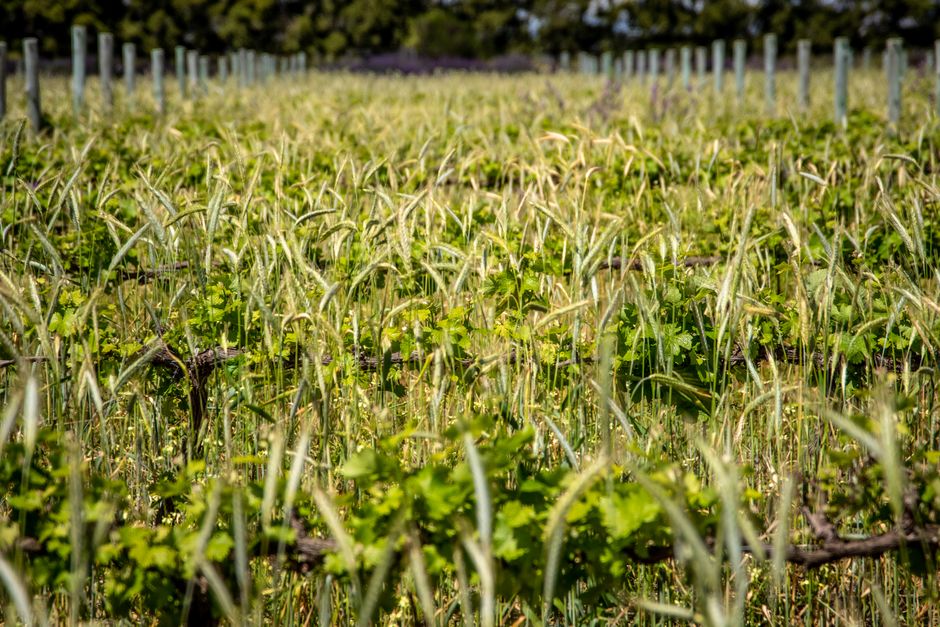
As late winter transitions to early spring, vineyard managers face a pivotal decision: when and how to terminate cover crops. Misjudging this window can have significant consequences. Terminating too early forfeits valuable biomass accumulation and nutrient cycling benefits. Conversely, delaying termination risks intense competition with emerging vines for vital soil moisture and nutrients, particularly nitrogen. This competition can lead to reduced early-season vine vigor, stunted shoot growth, and ultimately, a compromised yield potential, often necessitating increased irrigation and supplemental fertilization, which elevates operational costs.
Precise cover crop termination before bud break is not merely a task; it is a strategic decision influencing the entire growing season's vine health and economic viability.
The Critical Window: Timing and Indicators
The optimal termination window is narrow, typically 7-10 days prior to anticipated bud break, or when soil temperatures consistently reach 45°F (7°C) at a 4-inch depth. Key indicators for action include:
- Cover Crop Growth Stage: For annual grasses (e.g. annual ryegrass, oats), target early boot stage to early flowering. For legumes (e.g. crimson clover, vetch), aim for early flowering to maximize nitrogen fixation and biomass.
- Soil Moisture Levels: Ensure soil moisture is at 65-75% field capacity. Excessively wet soils can lead to compaction with mechanical methods, while very dry soils can hinder herbicide uptake.
- Weather Forecast: A minimum of 24-48 hours of dry, calm weather post-application is crucial for herbicide efficacy. For mechanical methods, avoid heavy rain immediately after to prevent regrowth.
Decision Matrix: Choosing Your Termination Strategy
The choice of termination method depends on your cover crop mix, equipment availability, and management goals. Here’s a comparison:
| Method | Pros | Cons | Key Specifications |
|---|---|---|---|
| Mowing (Flail Mower) | Rapid biomass breakdown, nutrient release, reduces fire hazard. | Does not fully kill, potential for regrowth, can create a thick mulch layer. | Flail mower set to 4-6 inches cut height. Avoid wet conditions to prevent clumping. |
| Roller-Crimping | Effective kill for mature, brittle stems; no chemical use; leaves intact mulch. | Less effective on young, succulent plants; requires specific growth stage (flowering/seed set). | Roller-crimper (e.g. I & J Manufacturing Roller Crimper) used when plants are at anthesis (flowering). |
| Herbicide Application | Highly effective kill, minimal soil disturbance, precise timing. | Chemical use concerns, drift potential, requires specific weather conditions. | Glyphosate (e.g. Roundup PowerMAX II) at 0.75-1.5 lb ae/acre, or Glufosinate (e.g. Rely 280) at 1.5-2.0 qt/acre. Apply with sufficient carrier volume (15-20 GPA) for coverage. |
Step-by-Step Termination Process
- Assess Conditions: Within 10 days of expected bud break, check cover crop growth stage (e.g. annual ryegrass at early boot, clover at early flower). Verify soil moisture is adequate (65-75% field capacity) and no heavy rainfall is imminent for 24-48 hours.
- Select Method: Based on the cover crop type, growth stage, and vineyard resources, choose between mowing, roller-crimping, or herbicide application.
- Prepare Equipment/Chemicals: Calibrate sprayers for herbicide application or ensure mechanical equipment (e.g. flail mower) is in good working order. For herbicides, mix according to label rates, considering water pH and hardness.
- Execute Termination: Apply chosen method. For herbicides, ensure complete coverage without drift. For mechanical methods, operate at appropriate speeds to achieve effective knockdown without excessive soil disturbance.
- Monitor Post-Termination: Observe cover crop for signs of kill or regrowth. Monitor vine development closely for any signs of stress.
Troubleshooting Common Scenarios
- Unexpected Rain: If heavy rain occurs shortly after herbicide application (within 6 hours), efficacy may be reduced, potentially requiring a follow-up application at a lower rate.
- Dense Cover Crop: Extremely dense stands may require a two-pass approach for mechanical methods or higher carrier volumes for herbicides to ensure penetration.
Example Scenario
A vineyard in a region with typical mid-March bud break has a cover crop of annual ryegrass and crimson clover. On March 5th, the ryegrass is 16 inches tall and showing early boot stage, while the clover is just beginning to flower. Soil moisture is at 70% field capacity. A dry, calm forecast is predicted for the next 4 days. Given the mix and desire for quick nutrient release, the manager opts for a flail mower, setting the cut height to 5 inches. This ensures rapid breakdown of biomass and reduces immediate competition.
Actionable Next Steps
To optimize your late-winter cover crop termination:
- Establish Trigger Points: Define specific growth stages, soil temperatures, and soil moisture thresholds for each cover crop mix in your vineyard.
- Pre-Order/Service Equipment: Ensure all termination equipment is serviced and ready by mid-February to avoid last-minute delays.
- Monitor Vine Development: Regularly scout vineyards, especially in late winter, to track bud swell and predict bud break accurately. Utilize historical data, which can be managed effectively using platforms like VinoBloc.
- Develop Contingency Plans: Have a backup plan for unexpected weather (e.g. alternative herbicide if mechanical is not feasible due to wet conditions).
Implementation Timeline: Begin monitoring cover crop and vine development 3-4 weeks before anticipated bud break. Execute termination within the 7-10 day pre-bud break window. Success Metrics: Observe uniform vine vigor, minimal signs of water/nutrient stress in early shoot growth, and effective decomposition of cover crop residue without significant regrowth.
VinoBloc Team
Vineyard Management Experts
Ready to Transform Your Vineyard Management?
See how VinoBloc can help you streamline block-level data and harvest decisions.