
Mastering Cluster Zone Microclimate: What Vineyard Managers Can and Cannot Control
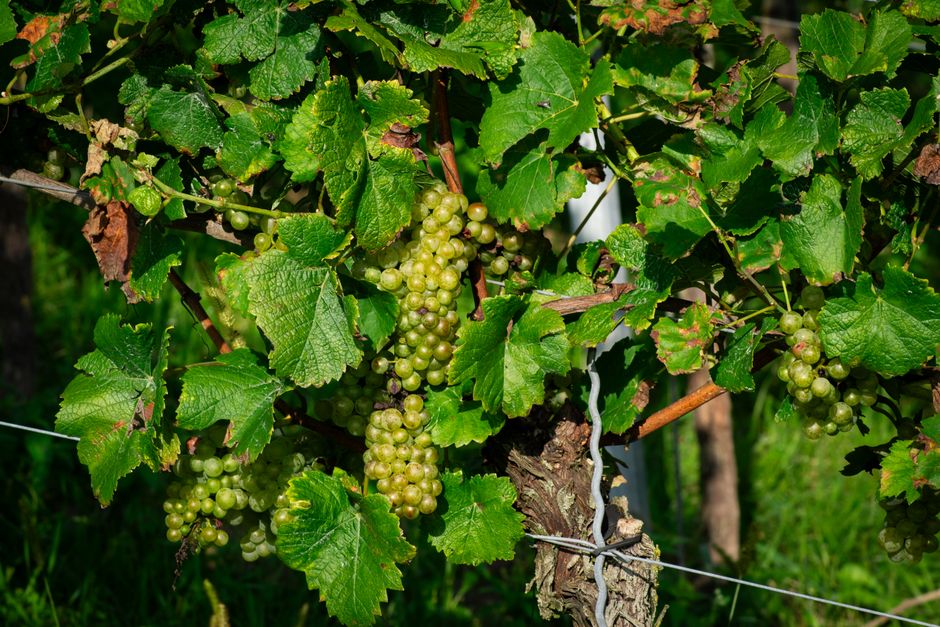
The Cost of Neglecting Your Cluster Zone Microclimate
Experienced vineyard managers understand that the battle for optimal fruit quality and vine health often hinges on factors invisible to the naked eye. One of the most critical yet frequently underestimated challenges is managing the cluster zone microclimate. If left unaddressed, an imbalanced microclimate around your grape clusters can lead to significant problems: elevated disease pressure from fungal pathogens like Botrytis cinerea and powdery mildew, uneven ripening, compromised fruit chemistry, and ultimately, reduced wine quality and lower market value for your grapes. The financial impact can manifest as increased fungicide application costs, higher labor expenses for remedial canopy work, and a diminished return on investment due to unsellable fruit or a downgraded vintage. Proactive management is not merely beneficial; it is essential for maintaining profitability and vineyard reputation.
Understanding Controllable vs. Uncontrollable Factors
The cluster zone microclimate is a complex interplay of temperature, relative humidity (RH), air movement, and light exposure directly surrounding the grape clusters. While regional climate dictates broad weather patterns, many localized factors within the vineyard are well within a manager's influence. Recognizing this distinction is the first step toward effective mitigation and optimization.
| Factor | Controllable Elements | Uncontrollable Elements |
|---|---|---|
| Temperature | Canopy density (shading/exposure), ground cover, irrigation timing | Ambient air temperature, extreme heatwaves/frosts |
| Relative Humidity (RH) | Canopy ventilation, irrigation method/timing, row orientation (indirect) | Regional atmospheric humidity, rainfall events, dew point |
| Air Movement | Canopy architecture, vine spacing, trellis system | Wind speed and direction, topographical features |
| Light Exposure | Leaf removal, shoot thinning, hedging, row orientation | Solar radiation intensity, cloud cover, day length |
Actionable Strategies for Microclimate Management
Effective management of the cluster zone microclimate requires a systematic approach, combining data-driven decisions with timely cultural practices. The primary goal is to optimize light penetration, air circulation, and humidity levels to promote healthy ripening and reduce disease risk.
Step 1: Baseline Assessment and Data Collection
Before implementing any changes, establish a baseline understanding of your current cluster zone conditions.
- Canopy Density Evaluation: Conduct a pre-bloom and pre-veraison assessment. A common metric is the leaf layer count, where a count exceeding 3-4 layers can indicate excessive shading and poor ventilation. Utilize a point quadrat method or visual assessment.
- Light Penetration Measurement: Use a Photosynthetically Active Radiation (PAR) meter (e.g. Decagon AccuPAR LP-80) to measure light levels within the cluster zone. Aim for at least 20-30% of ambient PAR levels reaching the clusters. Readings below this threshold suggest insufficient light.
- Microclimate Data Logging: Deploy miniature data loggers (e.g. Onset HOBO U23 Pro, iButton DS1923) directly within the cluster zone at various canopy depths and orientations. Program them to record temperature and relative humidity (RH) at 15-30 minute intervals. Collect data for at least 7-10 days to capture diurnal fluctuations.
- Airflow Analysis: While challenging to quantify precisely, a handheld anemometer can provide indicative readings of air movement. Target an average air speed of 0.5-1.5 m/s within the cluster zone during mid-day.
Key Insight: Optimal cluster zone RH typically ranges between 60-75% during daylight hours. Consistent periods above 85% RH, especially for more than 4-6 hours, significantly elevate fungal disease risk.
Step 2: Targeted Canopy Management Practices
Based on your baseline data, implement specific canopy adjustments.
- Pre-Bloom/Early Fruit Set (Eichhorn-Lorenz Stages 12-25):
- Shoot Thinning: Remove non-fruitful shoots and secondary shoots to achieve a target shoot density of 4-6 shoots per linear foot of cordon, depending on varietal vigor and desired yield. This improves overall canopy architecture and reduces competition.
- Basal Leaf Removal: For high-vigor varieties, remove 2-4 basal leaves per shoot, exposing developing clusters to dappled sunlight and improving airflow. This should be done carefully to avoid sunburn, particularly in regions prone to intense heat.
- Pre-Veraison (Eichhorn-Lorenz Stage 31-34):
- Targeted Leaf Pulling: Focus on removing leaves directly surrounding the cluster zone on the morning sun exposure side. Aim to achieve a 'porous' canopy where clusters are visible but not completely exposed to direct, intense afternoon sun. Research suggests removing 3-5 leaves per shoot can be effective.
- Hedging/Topping: If shoot growth is excessive, hedging to a height of 18-24 inches above the top wire can redirect vigor and improve light penetration to lower leaves and clusters. Perform this when shoots have grown 12-18 inches past the top wire.
- Post-Veraison:
- Minimal Intervention: Canopy adjustments post-veraison should be minimal to avoid shocking the vine. Focus on removing any new lateral shoots that may be re-shading clusters.
- Monitoring: Continue monitoring microclimate data, especially as harvest approaches, to anticipate disease pressure.
Example scenario (hypothetical):
A Cabernet Sauvignon block consistently shows cluster zone RH above 90% for 6-8 hours daily during pre-veraison, with PAR readings below 15% of ambient. The leaf layer count is averaging 5-6. This manager decides to implement aggressive shoot thinning to 4 shoots/foot and a targeted basal leaf pull of 4 leaves/shoot. Post-intervention data shows RH reduced to an average of 78% during daylight, and PAR increased to 28%. This reduction in humidity and improved light exposure is estimated to significantly decrease Botrytis incidence and improve anthocyanin development.
Step 3: Irrigation and Ground Cover Management
Irrigation practices directly influence soil moisture and, consequently, localized humidity.
- Timing: Shift irrigation to early morning (pre-dawn) to allow foliage to dry quickly with rising temperatures and sunlight. Avoid late afternoon or evening irrigation, which can lead to prolonged wetness and high RH overnight.
- Method: Drip irrigation is preferred over overhead sprinklers to minimize wetting of the canopy and cluster zone. Ensure drip emitters are functioning correctly and not creating puddles.
- Ground Cover: Manage cover crops to prevent excessive vigor that can reduce air movement at the base of the canopy. Mow cover crops regularly (e.g. every 3-4 weeks) or consider bare ground under the vine row to facilitate drying.
Step 4: Monitoring and Adjustment
Microclimate management is an ongoing process. Regularly review your data and adjust practices as needed.
- Disease Scouting: Increase scouting frequency (e.g. twice weekly) in blocks identified with high RH or poor airflow. Look for early signs of powdery mildew (white, dusty patches) or Botrytis (gray mold).
- Spray Program Adjustment: If microclimate data consistently indicates high disease risk, adjust your spray intervals or product choices accordingly. Ensure thorough spray penetration by calibrating equipment to match your current canopy density.
- Troubleshooting: If RH remains stubbornly high despite canopy work, consider additional, very light leaf pulling in specific problem areas, or re-evaluate irrigation scheduling. If sunburn is observed, reduce further leaf removal on the exposed side and potentially consider temporary shading solutions for extreme heat events.
Example scenario (hypothetical):
A Chardonnay block, post-leaf pulling, still exhibits localized pockets of high RH (above 80% for >5 hours daily) due to a slight depression in the vineyard topography that restricts air drainage. The manager reviews their VinoBloc data, which integrates microclimate sensor readings with block-specific canopy management records. They identify that the irrigation in this specific sub-block was accidentally running for an extra hour in the late afternoon. Adjusting the irrigation schedule immediately, combined with a very light, targeted removal of 1-2 additional leaves in these specific high-risk pockets, helps bring the RH down to an acceptable range, preventing a predicted Botrytis outbreak.
Safety Considerations
Always prioritize safety during vineyard operations. When performing canopy management tasks, ensure workers are properly trained and use appropriate personal protective equipment (PPE), especially when operating machinery or applying sprays. Be aware of heat stress during summer operations and provide adequate hydration and breaks.
Actionable Next Steps for Vineyard Managers
To immediately improve your cluster zone microclimate management, consider these actions:
- Deploy Microclimate Sensors: Within the next 2-4 weeks, identify 3-5 representative zones in your vineyard (e.g. high-vigor, low-vigor, different orientations) and install temperature/RH data loggers directly within the cluster zone. Begin collecting baseline data immediately.
- Conduct Canopy Assessment: Perform a comprehensive leaf layer count and PAR assessment across key blocks. Document these findings, perhaps using a vineyard management platform like VinoBloc to track block-specific data and plan interventions.
- Review Irrigation Schedule: Evaluate your current irrigation timing and methods. Adjust schedules to ensure all irrigation is completed in the early morning, minimizing canopy wetness duration.
- Plan Targeted Canopy Work: Based on your assessments, develop a detailed plan for pre-veraison leaf pulling and shoot thinning for each block, specifying the intensity of removal based on varietal vigor and historical microclimate issues. Implement this plan within the next 1-2 weeks as phenological stages allow.
Implementation Timeline: Immediate to 4 weeks, with ongoing monitoring through harvest. Success Metrics: A measurable reduction in cluster zone RH duration above 85% (e.g. by 15-20%), an increase in PAR levels within the cluster zone (e.g. by 5-10%), and a decrease in fungal disease incidence as observed during scouting and at harvest.
VinoBloc Team
Vineyard Management Experts
Ready to Transform Your Vineyard Management?
See how VinoBloc can help you streamline block-level data and harvest decisions.