Mastering Multi-Block Harvest Logistics: A Strategic Guide for Vineyard Managers
The Complex Challenge of Multi-Block Harvest
Vineyard managers operating multi-block properties routinely confront a formidable logistical puzzle as harvest approaches. The simultaneous ripening of diverse varietals across varied microclimates, each with unique maturity targets and winery delivery requirements, can quickly devolve into chaos. The consequences of mismanagement are significant: suboptimal fruit quality due to missed ripeness windows, increased labor costs from inefficient crew deployment, potential penalties from wineries for off-spec deliveries, and ultimately, a reduction in the overall value of the crop. Industry experts note that without precise planning, a multi-block operation can experience an estimated 10-15% reduction in potential revenue due to these inefficiencies and quality compromises.
“Effective harvest logistics are not merely about picking grapes; they are about orchestrating a symphony of data, people, and machinery to deliver optimal fruit at the precise moment of readiness.”
The Foundation: Data-Driven Pre-Harvest Assessment
Successful multi-block harvest planning begins long before the first cluster is cut, rooted in rigorous, block-specific data collection and analysis. This systematic approach ensures that decisions are informed by empirical evidence, rather than reactive measures.
Key Data Points for Each Block:
- Brix Levels: Daily or bi-daily readings from target zones.
- pH and Titratable Acidity (TA): Crucial for wine style and stability.
- Berry Weight: Indicates hydration and potential yield.
- Seed Lignification: Especially critical for red varietals, indicating phenolic maturity.
- Canopy Health and Vigor: Assesses ripeness potential and uniformity.
- Historical Ripening Curves: Provides a baseline for predicting harvest timing.
Vineyard management software, such as VinoBloc, can centralize this data, allowing managers to track block-specific trends, visualize ripening progression, and generate predictive models for harvest timing. This enables proactive decision-making rather than reactive responses to rapidly changing field conditions.
Step-by-Step Process for Optimized Harvest Logistics
1. Pre-Harvest Assessment & Block Prioritization
- Establish Ripeness Targets: Define specific Brix, pH, and TA ranges for each varietal and desired wine style. For instance, sparkling base Chardonnay might target Brix 18-20 and pH below 3.2, while a premium Cabernet Sauvignon could aim for Brix 24.5-26 and pH 3.5-3.7 with full phenolic maturity.
- Implement Intensive Sampling Protocols: Begin sampling 2-3 weeks prior to anticipated harvest. Collect a minimum of 100-150 berries per block, randomly selected from 15-20 different vines across representative sections. Increase sampling frequency to daily or every other day as Brix approaches target levels.
- Prioritize Blocks: Based on ripeness data, varietal urgency, and winery demand, create a dynamic harvest priority list. Consider factors like thin-skinned varietals (e.g. Pinot Noir) that ripen quickly and are susceptible to botrytis, versus thicker-skinned varietals.
| Varietal/Style | Brix Range | pH Range | Key Considerations |
|---|---|---|---|
| Sparkling Base (Chardonnay, Pinot Noir) | 18-20 | 3.0-3.2 | Maintain high acidity, avoid phenolic ripeness. |
| Aromatic Whites (Sauvignon Blanc, Riesling) | 20-22.5 | 3.1-3.4 | Preserve varietal aromatics, avoid over-ripeness. |
| Premium Reds (Cabernet Sauvignon, Merlot) | 24.5-26.5 | 3.5-3.8 | Achieve phenolic ripeness, balanced tannins. |
2. Winery Communication & Scheduling
- Establish Clear Protocols: Initiate daily or bi-daily communication with winery winemakers and crush pad managers 1-2 weeks before harvest. Confirm estimated delivery dates, varietals, tonnage, and specific bin/macrobin requirements (e.g. 0.5-ton picking bins, 2-ton macrobins).
- Confirm Delivery Windows: Secure precise delivery slots 48-72 hours in advance. This prevents delays at the crush pad and ensures fruit is processed promptly, minimizing oxidation or microbial spoilage.
- Contingency Planning: Discuss potential delays due to weather, equipment breakdown, or unexpected ripening acceleration. Establish a protocol for adjusting schedules with minimal disruption.
3. Crew & Equipment Deployment
- Optimize Crew Scheduling: For manual harvest, estimate crew size based on historical performance (e.g. 1 crew member per 0.5-1 acre per day for typical yields). For machine harvest, ensure operators are trained and certified. Develop a detailed daily schedule assigning crews to specific blocks, considering travel time between blocks.
- Pre-Season Equipment Audit: Conduct thorough inspections and maintenance on all harvest equipment: mechanical harvesters, tractors, gondolas, forklifts, and picking bins. Ensure all fluid levels are correct, tires are properly inflated, and critical components (e.g. harvester beaters, conveyor belts) are in optimal condition.
- Safety First: Prioritize crew safety. Conduct mandatory pre-harvest safety meetings covering equipment operation, emergency procedures, heat stress prevention, and proper use of Personal Protective Equipment (PPE) such as gloves, eye protection, and high-visibility vests. Ensure first-aid kits are readily available and all personnel know emergency contact information.
4. Field Operations & Quality Control
- Optimal Harvest Timing: Schedule harvesting during the coolest parts of the day, typically from 2 AM to 10 AM, to maintain fruit temperature below 18°C (65°F). Cooler fruit reduces oxidation and microbial activity, preserving freshness and quality.
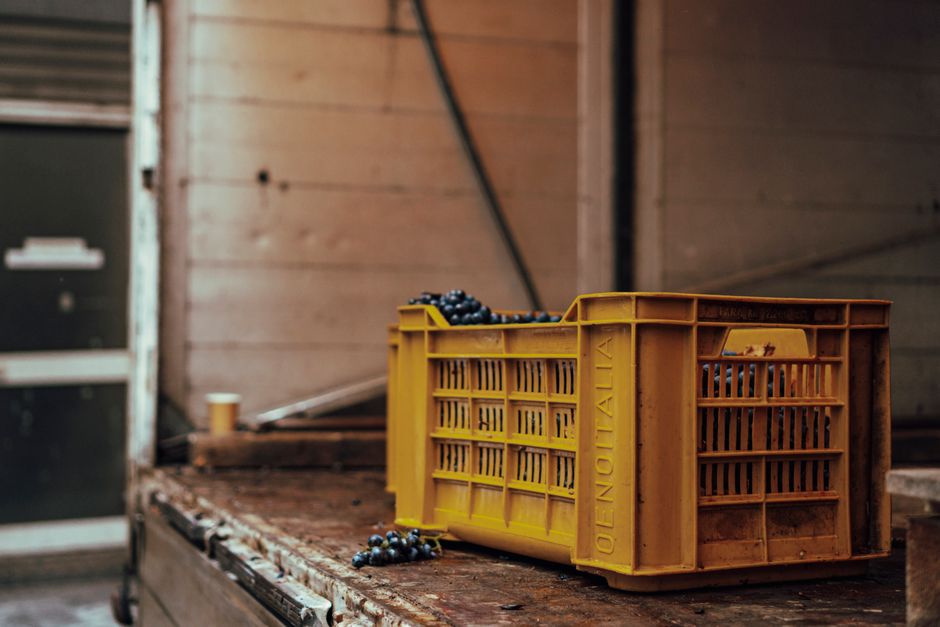
- Bin Management: Instruct crews to fill picking bins or macrobins to 80-90% capacity to prevent crushing fruit at the bottom. Ensure bins are clean and free of debris. For delicate varietals, consider smaller bins or hand-harvesting into shallow lugs.
- Troubleshooting Example:
A vineyard manager has two 5-acre blocks of Pinot Noir and two 7-acre blocks of Chardonnay, all projected to ripen within a 5-day window. A sudden heatwave (e.g. 35°C/95°F for three consecutive days) accelerates ripening, particularly for the Pinot Noir. The manager's original schedule had the Pinot Noir picked on days 3 and 4, and Chardonnay on days 4 and 5. With accelerated ripening, Brix levels in Pinot Noir are spiking faster than anticipated, nearing 25.5° Brix by day 2, while the winery only has capacity for 10 tons per day of Pinot. The manager immediately communicates with the winery, explaining the accelerated ripeness and requesting an earlier pick for one Pinot block on day 2, and potentially shifting a Chardonnay block to day 6 or 7, or even sourcing additional bins for a double-shift pick if the winery can accommodate. This proactive communication minimizes the risk of overripe fruit or rejection.
5. Transportation & Delivery
- Route Optimization: Plan efficient transport routes from blocks to the crush pad, minimizing travel time and fuel consumption. Consider traffic patterns and road conditions.
- Truck & Driver Management: Ensure sufficient trucks and drivers are available to keep pace with harvesting. Coordinate loading and unloading to avoid bottlenecks at the field and the winery.
- Documentation: Maintain accurate load manifests for each delivery, detailing block origin, varietal, gross/tare/net weight, and harvest date/time. This is critical for winery acceptance and payment.
Common Mistakes and Their Consequences
- Underestimating Ripening Speed: Failing to adjust schedules when fruit ripens faster than projected can lead to overripe fruit, loss of acidity, and potential rejection by wineries, incurring significant financial losses.
- Poor Winery Communication: Lack of clear, consistent dialogue with the winery often results in uncoordinated deliveries, long wait times at the crush pad, or even refusal of fruit due to lack of capacity.
- Inadequate Equipment Maintenance: A breakdown of a mechanical harvester or critical transport vehicle during peak harvest can halt operations, leading to fruit degradation in the field and missed delivery windows.
- Neglecting Field Quality Control: Allowing excessive MOG (material other than grapes) into picking bins or improper bin filling can result in quality deductions or rejection, impacting profitability.
A vineyard manager has a 12-acre block of Zinfandel showing target Brix of 25.5. Due to an oversight, the mechanical harvester was not serviced adequately, and a hydraulic line fails on the morning of the scheduled pick. Repair takes 1.5 days. During this delay, an unexpected rain shower occurs, saturating the clusters and raising concerns about dilution and potential mold. The fruit, originally destined for a premium Zinfandel program, may now be downgraded to a bulk wine, or even rejected, leading to an estimated 20-30% reduction in per-ton value for that block.
Actionable Next Steps for Enhanced Harvest Logistics
To proactively address the complexities of multi-block harvest, vineyard managers can implement the following immediate actions:
- Develop a Comprehensive Pre-Harvest Checklist: Create a detailed checklist encompassing all aspects from data collection protocols, equipment readiness, crew training, and winery communication points. This ensures no critical step is overlooked.
- Formalize Communication Protocols: Establish a written agreement or standard operating procedure for daily communication with wineries, including preferred contact methods, reporting metrics, and contingency discussion frameworks.
- Conduct a Full Equipment Readiness Audit: Schedule a complete inspection and preventative maintenance for all harvest machinery and vehicles at least 60 days before the anticipated harvest start. Stock critical spare parts.
- Implement a Digital Data Management System: Adopt vineyard management software, such as VinoBloc, to centralize all pre-harvest data, track ripening trends, and streamline communication. This facilitates real-time decision-making.
- Draft Contingency Plans for Common Issues: Outline clear procedures for responding to scenarios like unexpected heat spikes, rain events, equipment breakdowns, or sudden changes in winery capacity.
Implementation Timeline:
- Immediate (Next 30 Days): Review historical harvest data, establish winery communication points, and initiate equipment audit.
- Mid-Term (30-60 Days Pre-Harvest): Finalize crew recruitment and training, develop detailed block-specific harvest plans, and implement chosen vineyard management software.
- Short-Term (1-2 Weeks Pre-Harvest): Begin intensive fruit sampling, confirm initial harvest dates with wineries, and conduct final equipment checks.
Success Metrics:
- Reduced Fruit Rejection Rates: Aim for less than 1% rejection due to quality or timing issues.
- Optimized Labor Hours: Achieve an estimated 5-10% improvement in labor efficiency through better scheduling and reduced idle time.
- Consistent Fruit Quality: Deliver fruit consistently within target Brix, pH, and phenolic parameters.
- Positive Winery Feedback: Receive favorable comments regarding communication, delivery punctuality, and fruit quality.
VinoBloc Team
Vineyard Management Experts
Ready to Transform Your Vineyard Management?
See how VinoBloc can help you streamline block-level data and harvest decisions.