Mastering Vine Structure: Essential Pruning Strategies for Experienced Vineyard Managers
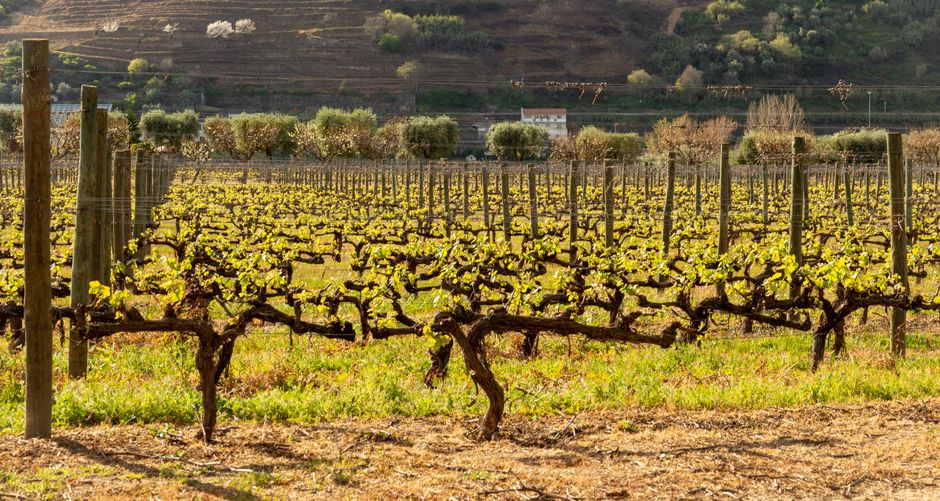
The Hidden Costs of Inconsistent Pruning
Vineyard managers frequently grapple with the challenge of inconsistent pruning practices across their crews. This inconsistency often leads to a suboptimal vine structure, which directly impacts fruit quality, yield potential, and the long-term health and productivity of the vineyard. The financial repercussions are significant, manifesting as reduced market value for grapes, increased labor costs for corrective pruning in subsequent seasons, and a shortened productive lifespan for valuable vineyard blocks, ultimately eroding profitability. Understanding precisely what you are pruning and why vine structure matters is not merely a theoretical exercise; it is a fundamental pillar of sustainable and profitable viticulture.
Why Vine Structure is Paramount
The architecture of a grapevine directly influences its physiological functions and economic viability. A well-structured vine facilitates optimal light interception, ensuring efficient photosynthesis across the canopy. It promotes balanced nutrient distribution, directs sap flow efficiently, and allows for proper air circulation, which is critical for disease prevention. Furthermore, consistent vine structure is essential for vineyard operations, improving the efficacy of spraying, canopy management, and mechanical harvesting. Without a clear understanding of desired vine architecture, pruning becomes a reactive task rather than a proactive strategy.
“Pruning is not just about removing wood; it's about sculpting the vine for future productivity and balance. Every cut dictates the vine's energy allocation and potential for the coming season.”
Understanding Pruning Systems and Their Specifications
Two primary pruning systems dominate viticulture: cane pruning (or 'Guyot' system) and spur pruning (often on a 'Cordon' system). Each has distinct advantages and specific requirements.
Cane Pruning (Guyot System)
Cane pruning involves selecting one or two year-old canes to bear fruit, along with a renewal spur for the following season. This system is typically favored for varieties that are less fruitful on basal buds or those requiring higher vigor management.
- Cane Selection: Canes should be pencil-thick, ideally measuring 6-8 mm (approximately 0.24-0.31 inches) in diameter, and originating from two-year-old wood as close to the trunk as possible.
- Node Count: Typically, 8-12 nodes (buds) are left per cane, depending on variety vigor and desired crop load. More vigorous varieties might support longer canes.
- Renewal Spur: A 1-2 bud spur is retained near the head of the vine to provide the fruiting cane for the subsequent year.
- Tool Selection: High-quality bypass pruners, such as Felco F-2 or Bahco P126-22-F, are recommended for clean cuts.
Example scenario (hypothetical): Managing Vigor in Cane Pruning
A block of Pinot Noir, typically cane pruned, exhibits excessive vigor, with canes exceeding 10 mm in diameter. Instead of leaving the standard 10 nodes, the manager might instruct crews to leave 12-14 nodes on two canes, or even add a third short cane (4-6 nodes) to help balance the vine's vegetative growth with fruit production. This diffuses vigor and reduces the likelihood of excessively dense canopies later in the season, which could lead to estimated yield increases of 5-10% without significant quality compromise compared to unmanaged vigor.
Spur Pruning (Cordon System)
Spur pruning involves developing permanent cordons (arms) along a wire, from which short, 1-2 bud spurs emerge annually. This system is well-suited for varieties fruitful on basal buds and offers advantages in mechanization and simpler worker training.
- Spur Length: Each spur should retain 1-2 buds of one-year-old wood. The goal is to keep the spur close to the cordon.
- Spur Spacing: Spurs should be spaced consistently along the cordon, typically 4-6 inches (10-15 cm) apart, to ensure even canopy development and fruit distribution.
- Cordon Maintenance: Regular removal of water shoots and suckers is critical to maintain cordon health and prevent congestion.
- Timing: Dormant pruning usually occurs in late winter, after the risk of severe frost has largely passed, but before bud break.
Example scenario (hypothetical): Correcting an Overloaded Cordon
A Chardonnay block, spur pruned, shows signs of declining vigor and inconsistent fruit set on some older cordons due to excessive spur density. The manager identifies sections where spurs are less than 3 inches apart. The corrective action involves removing every third spur to achieve the desired 4-6 inch spacing, prioritizing spurs that are well-positioned and healthy. This reduces the immediate crop load but aims to revitalize the cordon, potentially increasing fruit quality (e.g. Brix 24-26, pH 3.3-3.5) and vine longevity over the next 2-3 seasons, rather than just the immediate yield.
| Feature | Cane Pruning (Guyot) | Spur Pruning (Cordon) |
|---|---|---|
| Bud Fruitfulness | Suited for varieties with low basal bud fruitfulness | Suited for varieties fruitful on basal buds |
| Labor Skill | Requires higher skill and decision-making per vine | Easier to train crews for consistency |
| Vigor Management | More flexible for managing vine vigor annually | Can lead to spur congestion if not managed |
| Mechanization | Can be challenging for mechanical harvesting | Highly compatible with mechanical harvesting |
| Long-term Structure | Requires annual renewal, less permanent structure | Develops permanent cordons, more rigid structure |
Worker Education and Training Protocols
The most sophisticated pruning strategy is ineffective without proper execution. Consistent worker education is paramount.
- Establish Clear Standards: Develop detailed visual guides and written protocols for each block, specifying cane length, bud count, spur length, and spacing. Include photos of ideal and incorrect pruning.
- Hands-On Demonstrations: Before each pruning season, conduct mandatory training sessions. Demonstrate proper technique on actual vines, emphasizing the 'why' behind each cut. Use older vines to show the long-term consequences of poor pruning.
- Paired Pruning Practice: Have experienced pruners work alongside new hires, providing immediate feedback. Start with less critical blocks for training.
- Regular Field Audits: Implement a system for daily or weekly checks by supervisors. This involves spot-checking a percentage of pruned vines (e.g. 5-10% per crew) to ensure adherence to standards. Provide constructive, immediate feedback.
- Troubleshooting Guidance: Train crews on how to handle common anomalies: short/weak canes, excessive watersprouts, dead wood. Empower them to make informed decisions within defined parameters.
- Safety First: Reinforce the importance of personal protective equipment (PPE) – gloves, safety glasses, appropriate footwear. Ensure tools are sharp, clean, and properly maintained to prevent injuries and disease spread.
Common Mistakes and Their Consequences
- Over-cropping: Leaving too many buds leads to excessive fruit, diluting quality (e.g. lower Brix, higher pH, weaker varietal character) and stressing the vine, potentially reducing future yields.
- Under-cropping: Removing too much wood or leaving too few buds results in lower yields and can encourage excessive vegetative growth, leading to shading and disease issues.
- Blind Wood/Spur Congestion: In spur pruning, repeated cuts on the same spur without renewal can lead to dead wood, reduced fruitfulness, and poor sap flow.
- Poor Cane Selection: Selecting weak or overly vigorous canes in cane pruning compromises fruit quality and future vine structure.
- Lack of Renewal: Failure to establish renewal spurs or canes compromises the long-term viability of the vine's fruiting wood.
Actionable Next Steps for Vineyard Managers
To enhance pruning consistency and optimize vine structure, consider these immediate actions:
- Develop or Update Pruning Protocols (Timeline: Before next pruning season): Create or refine detailed, visually-rich pruning guides specific to each block and variety. Include target bud counts, cane/spur specifications, and visual examples of ideal cuts.
- Implement a Comprehensive Training Program (Timeline: Annually, prior to pruning): Schedule mandatory, hands-on training sessions for all pruning staff, focusing on both technique and the 'why' behind each decision. Utilize visual aids and pair experienced workers with new hires.
- Establish a Robust Quality Control System (Timeline: Ongoing throughout pruning season): Designate supervisors to regularly audit pruned vines, providing immediate and constructive feedback to crews. Track crew performance against established standards. VinoBloc can assist in tracking pruning progress, worker productivity, and vine health metrics, allowing managers to identify inconsistencies and areas for retraining quickly.
- Review Pruning Tools and Safety (Timeline: Annually, pre-season): Ensure all pruning equipment is in excellent condition, sharp, and properly maintained. Conduct a safety briefing focusing on tool handling and PPE usage.
- Monitor Post-Pruning Vine Performance (Timeline: Throughout growing season): Track bud break uniformity, shoot vigor, and early fruit set to assess the effectiveness of pruning decisions. Use these observations to refine protocols for future seasons.
Success Metrics: Improved pruning consistency (e.g. measured by a vine uniformity index), reduced instances of corrective pruning, consistent yield targets within 5% variability, and sustained fruit quality parameters (e.g. consistent Brix, pH, TA) across blocks.
VinoBloc Team
Vineyard Management Experts
Ready to Transform Your Vineyard Management?
See how VinoBloc can help you streamline block-level data and harvest decisions.