
Mitigating Wage Disputes: Comprehensive Piece-Rate Documentation for Vineyard Managers
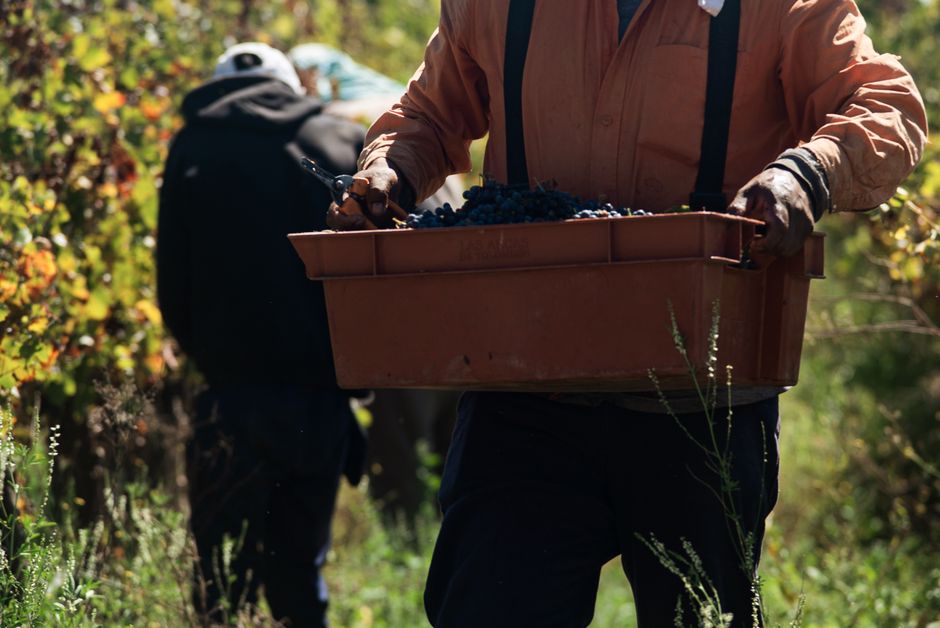
Introduction: The Critical Need for Robust Piece-Rate Documentation
Vineyard managers frequently navigate the complexities of piece-rate compensation, a system designed to incentivize productivity. While highly effective for tasks like pruning, harvesting, and canopy management, piece-rate structures inherently carry a significant risk of wage disputes. Without meticulous and verifiable documentation, vineyards expose their operations to substantial financial and reputational harm. The cost of inadequate record-keeping can manifest as back wages, hefty penalties from labor authorities, protracted legal fees, operational disruptions, and a detrimental impact on worker morale and retention.
Protecting vineyard operations against these risks necessitates a proactive and systematic approach to documentation. This involves not only tracking work completed but also ensuring transparency, accuracy, and compliance with intricate labor laws.
Establishing Unambiguous Piece-Rate Structures and Specifications
Defining Work Units and Quality Standards
The foundation of effective piece-rate documentation lies in clearly defined, measurable work units and explicit quality standards. Ambiguity in these areas is a primary catalyst for disputes.
- Precise Unit Definitions: Each task must have an unequivocally defined unit of work. Examples include "per vine pruned," "per 5-gallon bucket of grapes harvested," "per 100 linear feet of trellising repaired," or "per vine for leaf pulling."
- Quantifiable Quality Thresholds: Beyond mere quantity, quality parameters must be established. For instance, during harvest, grapes might be accepted only if they meet a Brix level of 22-24 and a pH below 3.6, with no more than 2% Material Other than Grape (MOG). For pruning, specifications could include "no more than two buds per spur" or "clean cuts without tearing bark." For leaf pulling, a standard might be "minimum 70% leaf removal in the fruiting zone, leaving 2-3 leaves per shoot above the cluster."
Communicating Expectations and Compensation
Effective communication ensures workers understand how their pay is calculated. This includes:
- Pre-Task Briefings: Supervisors should conduct daily briefings, outlining the specific task, the block or row assignments, the piece-rate unit, and the quality expectations. Visual aids, such as example vines or harvested clusters, can reinforce understanding.
- Language Accessibility: Ensure all instructions and documentation are provided in languages understood by the workforce.
- Written Agreements: While not always mandatory, written agreements or clear policy handbooks detailing piece-rate terms, signed by workers, can provide an additional layer of protection.
Step-by-Step Process for Impeccable Field Documentation
A robust, step-by-step documentation process is paramount for defending against piece-rate wage disputes. Consistency and real-time data capture are critical.
Step 1: Daily Task Assignment and Initial Briefing
- Assign Tasks: Supervisors clearly assign specific tasks to individual workers or teams, detailing the exact vineyard block, row numbers, or designated area.
- Confirm Understanding: Before work commences, the supervisor confirms that each worker understands the task, the piece-rate unit, the quality standards, and the associated pay rate.
Step 2: Real-Time Data Collection in the Field
Accurate, real-time data entry is the cornerstone of defensible records.
- Worker Identification: Record worker name and unique ID for every entry.
- Time Tracking: Document start and end times for each task, including any transitions between tasks or blocks.
- Units Completed: As work progresses, accurately record the number of units completed (e.g. vines pruned, buckets filled, bins harvested).
- Non-Productive Time: Meticulously track all non-productive time, which must be compensated at no less than the applicable minimum wage. This includes:
- Mandatory rest breaks (e.g. paid rest breaks as required by applicable state and federal law).
- Mandatory meal breaks (e.g. one 30-minute unpaid meal break for shifts over 5 hours, ensuring workers are relieved of all duties).
- Waiting time (e.g. for equipment, materials, or instructions).
- Equipment downtime or repair.
- Travel time between non-contiguous blocks.
- Digital Tools: Leverage modern vineyard management software. Field supervisors can use tablets or smartphones to input data, with GPS capabilities to verify worker locations and task assignments. VinoBloc offers tools for streamlined field data collection and time tracking, ensuring accurate records of piece-rate work and non-productive time.
Step 3: Supervisor Verification and Quality Control
Supervisors play a crucial role in verifying work completed and ensuring quality standards are met.
- Physical Verification: Supervisors must physically inspect and verify the number of units completed by each worker or team. For example, spot-checking 10-15% of pruned vines in a worker's assigned section, or verifying bin counts at the weigh station.
- Document Discrepancies: Any discrepancies in quantity or quality issues (e.g. "5% of vines in Block 7 requiring rework due to missed cuts") must be immediately noted in the daily log.
- Record Rework/Deductions: If work requires rework or if quality deductions are applied, these must be clearly documented, along with the reasons and any associated time spent on rework.
Step 4: Daily Reconciliation and Worker Acknowledgment
Transparency at the end of each shift is vital for preventing disputes.
- End-of-Shift Review: At the close of the shift, the supervisor reviews the daily log with each worker, detailing units completed, non-productive time, and total calculated pay for the day.
- Worker Sign-off: Both the worker and the supervisor should sign or initial the daily log, acknowledging the accuracy of the recorded data. Digital systems can facilitate electronic signatures.
Step 5: Secure Data Storage and Audit Trails
Reliable data storage ensures records are accessible and defensible.
- Centralized Database: Store all documentation in a secure, centralized digital database. This allows for easy retrieval during audits or disputes.
- Backup Protocols: Implement robust data backup protocols to prevent loss.
- Retention Policies: Adhere to state and federal record retention laws, which typically require keeping payroll records for 3-5 years.
Troubleshooting Common Documentation Challenges
Even with robust systems, challenges may arise. Proactive troubleshooting is key:
- Issue: A worker disputes the recorded unit count for a specific task.
- Resolution: Immediately conduct a joint re-measurement by the supervisor and the worker. If a discrepancy persists, involve a neutral senior manager or HR representative for a final verification. Document the entire resolution process, including any adjustments made.
- Issue: A worker claims they were not paid for non-productive time.
- Resolution: Review detailed time logs and task records meticulously. Verify that all rest breaks, meal breaks, and any waiting or travel time between blocks were properly recorded and compensated at or above the minimum wage. If an omission is found, correct the pay promptly and document the adjustment.
"Meticulous, real-time documentation is the vineyard's primary defense against wage disputes, transforming subjective claims into objective, verifiable records."
Practical Examples of Documentation in Action
These hypothetical scenarios illustrate how robust documentation can protect vineyard operations.
Example Scenario 1 (Hypothetical): Pruning Quality Dispute
A worker submits a claim alleging underpayment for pruning Block 12, stating they pruned 200 vines. The vineyard's daily records, however, show 180 vines verified as meeting quality standards, with 20 vines requiring rework due to missed cuts (e.g. deadwood not removed, incorrect spur count of 3 instead of 2). The supervisor's log from that day includes notes detailing the specific quality deficiencies for those 20 vines, along with photos, and the worker's initials acknowledging the verification. This detailed documentation allows the vineyard to demonstrate that payment was accurately calculated based on acceptable quality work, mitigating the dispute. Without this documentation, the vineyard would face the risk of paying for substandard work, leading to re-work costs or future yield reduction.
Example Scenario 2 (Hypothetical): Harvest Weight Discrepancy
During Chardonnay harvest, a worker submits 10 bins. The vineyard's documentation system, integrated with the weigh station, records 9 bins passing quality inspection (e.g. Brix 23.5, pH 3.4, no more than 2% MOG). The 10th bin is recorded as rejected due to excessive MOG (e.g. 8% MOG) and unripe clusters (e.g. Brix 18.0). The digital record includes a timestamp, supervisor's notes, photos of the rejected bin, and the worker's electronic initial acknowledging the rejection at the time of weighing. This comprehensive record provides irrefutable evidence for the payment calculation, preventing a potential wage claim. Without such detailed records, the vineyard risks paying for unusable product and could face legal action for alleged wage theft.
Common Mistakes and Their Consequences
Vineyard managers must be aware of common pitfalls in piece-rate documentation:
- Inconsistent Record-Keeping: Sporadic or incomplete records create gaps that can be exploited in a dispute, leading to a weak defense in legal challenges and potential back pay awards.
- Lack of Worker Acknowledgment: Records, no matter how detailed, become easily disputable without a worker's signature or electronic acknowledgment, as it implies a lack of transparency or agreement.
- Failure to Track Non-Productive Time: Neglecting to accurately record and compensate for rest breaks, meal periods, and other non-working time at the minimum wage exposes the vineyard to significant wage and hour violations, penalties, and class-action lawsuits.
- Outdated Technology: Relying solely on manual paper logs is prone to errors, loss, damage, and makes auditing extremely difficult. This can lead to inefficient payroll processing and a lack of defensible data.
Actionable Next Steps for Vineyard Managers
To fortify vineyard operations against piece-rate wage disputes, implement the following immediate actions:
- Review and Update Policies (Within 30 days): Conduct a thorough review of all existing piece-rate policies and compensation structures. Ensure they clearly define work units, quality standards, and explicitly address compensation for all hours worked, including non-productive time. Consult with legal counsel specializing in agricultural labor law to ensure compliance with state and federal regulations.
- Implement Standardized Documentation Tools (Within 60 days): Transition from manual paper logs to a robust digital record-keeping system. Explore vineyard management software like VinoBloc that streamlines field data collection, supervisor verification, and secure, centralized data storage. This step enhances accuracy, efficiency, and auditability.
- Comprehensive Training Programs (Ongoing): Develop and implement mandatory training programs for all supervisors and workers on the new documentation procedures. Emphasize the importance of accurate, real-time data entry, the process for daily reconciliation, and the mechanism for workers to raise concerns. Conduct refresher training during seasonal briefings and for new hires.
- Regular Internal Audits (Quarterly): Schedule and conduct quarterly internal audits of piece-rate records. These audits should verify compliance with established procedures, identify any inconsistencies or gaps in documentation, and proactively address potential issues before they escalate into formal disputes.
- Establish a Dispute Resolution Protocol (Within 30 days): Develop a clear, accessible, and well-communicated process for workers to formally raise concerns or disputes regarding their pay or recorded work counts. This protocol should ensure timely investigation, fair resolution, and transparent communication of outcomes.
Success Metrics:
- Reduction in piece-rate wage disputes by an estimated 50% within the first year of comprehensive implementation.
- Improved clarity and transparency in worker compensation, leading to enhanced trust and morale.
- Demonstrable compliance with state and federal labor laws, reducing exposure to penalties and legal action.
- Increased efficiency and accuracy in payroll processing and preparedness for external audits.
VinoBloc Team
Vineyard Management Experts
Ready to Transform Your Vineyard Management?
See how VinoBloc can help you streamline block-level data and harvest decisions.