One Canopy Move That Cuts Mildew Risk: Strategic Basal Leaf Removal
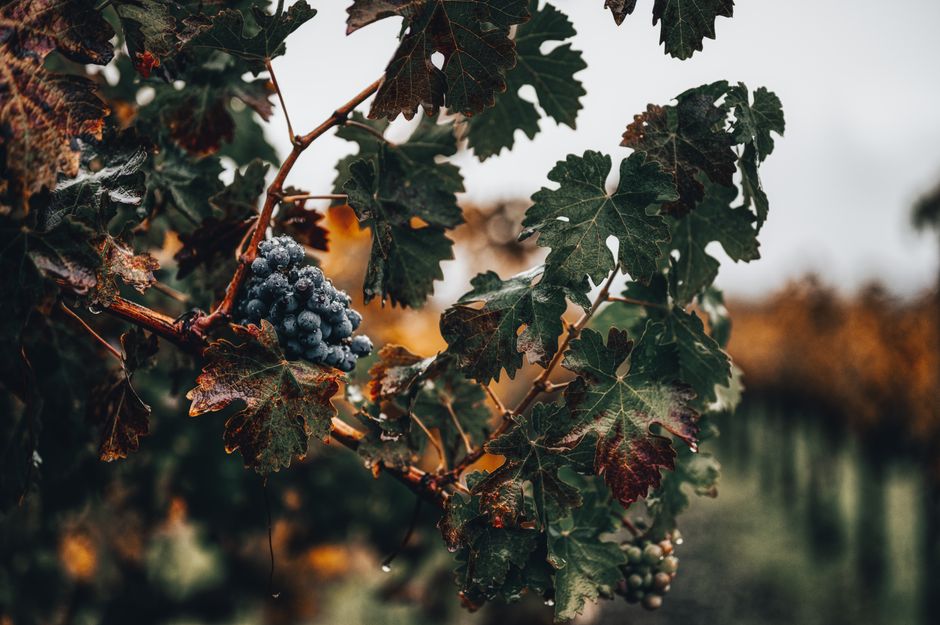
The Problem: Unseen Mildew Pressure
Vineyard managers constantly battle powdery and downy mildew, insidious fungal pathogens that thrive in dense, humid canopy environments. These diseases can quickly escalate, leading to significant crop loss, reduced fruit quality, and increased operational costs from fungicide applications. When canopies are overly vigorous, they create microclimates of high humidity and poor airflow around the fruiting zone, becoming ideal breeding grounds for mildew. This persistent threat diminishes the economic viability of a vintage, impacting yield, market value, and the long-term health of the vines.
The Cost of Inaction
Failing to proactively manage canopy density can lead to a cascade of negative outcomes. You may experience reduced photosynthesis in shaded leaves, poorer spray penetration into the fruiting zone, and a higher incidence of fungal diseases. This translates directly to potential yield reductions of 10-30% in affected areas, along with increased labor and material costs for remedial fungicide treatments. Furthermore, compromised fruit quality can lead to lower prices per ton or even rejection at the winery, severely impacting your bottom line.
The One Canopy Move: Strategic Basal Leaf Removal
One of the most impactful and cost-effective canopy management strategies for mitigating mildew risk is strategic basal leaf removal in the fruiting zone. This practice improves air circulation, increases sunlight exposure to clusters, and enhances fungicide spray penetration, all critical factors in reducing disease pressure.
Optimal Timing and Specifications
The efficacy of basal leaf removal is highly dependent on precise timing and execution:
- Timing: Perform this operation from late bloom through fruit set, typically between EL stage 27 (berries pea-sized) and EL stage 31 (beginning of bunch closure, pre-veraison). Removing leaves too early can increase sunburn risk; too late offers diminished returns for disease control.
- Extent: Target the removal of 2-4 basal leaves per shoot, specifically those directly obscuring the clusters. The goal is to achieve dappled sunlight exposure on 50-70% of the clusters, not full, direct sun.
- Target Side: Focus primarily on the morning sun exposure side (east-facing in most northern hemisphere vineyards) to maximize drying and airflow without excessive afternoon sun exposure which can lead to sunburn.
- Tools: Manual removal by hand is common for precision. For larger operations, mechanical leaf removers (e.g. Pellenc, Gregoire) can be used, set to a lower vacuum or pressure setting to remove only the oldest, most basal leaves without damaging young fruit or shoots.
Step-by-Step Implementation
1. Pre-Operation Assessment
Before beginning, walk the blocks. Assess canopy vigor, cluster density, and existing airflow. Identify areas with particularly dense canopies or historical mildew issues. Use a photosynthetically active radiation (PAR) meter to gauge light penetration into the fruiting zone if available; target an increase in PAR values within the cluster zone.
2. Execution of Leaf Removal
Carefully remove 2-4 basal leaves per shoot from the fruiting zone, prioritizing leaves that are older, shaded, and directly in contact with or shading the clusters. Ensure sufficient leaves remain above the clusters for photosynthesis and to provide some degree of dappled shade. For mechanical removal, calibrate equipment to a gentle setting (e.g. lower vacuum or pressure setting) to avoid fruit damage.
3. Post-Removal Monitoring
Monitor treated blocks for several days post-operation. Check for any signs of sunburn on exposed clusters, particularly in varieties prone to it (e.g. Pinot Noir, Riesling). Continuously assess airflow and light penetration. Record observations using vineyard management software like VinoBloc to track the impact on mildew incidence and fruit development.
Troubleshooting Common Issues
| Mistake | Consequence | Correction/Prevention |
|---|---|---|
| Removing too many leaves | Increased sunburn on clusters, reduced sugar accumulation, potential heat stress. | Focus on 2-4 basal leaves; prioritize shaded leaves. Observe weather forecasts for heat spikes. |
| Removing leaves too late | Minimal impact on mildew risk; potential for phenolic imbalance in fruit. | Adhere to the EL 27-31 window. Earlier removal is more effective for disease control. |
| Inconsistent removal | Uneven ripening, varied disease pressure across the block. | Train crews thoroughly; use visual benchmarks for desired canopy density. |
Safety Considerations
When performing manual leaf removal, ensure crews wear appropriate personal protective equipment (PPE), including gloves to prevent skin irritation and eye protection to guard against debris. For mechanical operations, adhere to all manufacturer safety guidelines for the equipment, including proper training and machine maintenance.
Practical Scenarios
Example Scenario 1: High Humidity Vineyard
A vineyard manager in a notoriously humid region (e.g. coastal influence) observes early signs of powdery mildew in a dense Chardonnay block at EL stage 29. Historically, this block suffers significant mildew pressure. The manager decides to aggressively implement basal leaf removal, targeting 3-4 leaves per shoot on both sides of the canopy, ensuring no direct sunlight exposure in the hottest part of the day. This proactive measure, combined with a targeted spray program, is estimated to reduce mildew incidence by 20-25% compared to previous seasons, leading to a projected 15% increase in marketable yield.
Example Scenario 2: Moderate Risk Vineyard
In a dryer, inland Cabernet Sauvignon vineyard, a manager performs basal leaf removal at EL stage 30, focusing primarily on the east-facing side of the canopy, removing 2-3 leaves per shoot. The goal is to improve airflow and spray penetration while minimizing sunburn risk in a warm climate. This selective approach is estimated to reduce fungicide applications by one pass (a cost saving in materials and labor) and maintain fruit quality without increasing sunburn incidence, contributing to a stable, high-quality harvest.
Actionable Next Steps for Vineyard Managers
Implementing strategic basal leaf removal requires planning and consistent execution. Consider these immediate actions:
- Review Phenology: Identify blocks currently between EL stage 27 and 31. Prioritize those with historically high mildew pressure or dense canopies.
- Train Crews: Conduct a brief training session for your vineyard crew on the precise number of leaves to remove, the target location (basal, fruiting zone), and the desired outcome (dappled light, improved airflow).
- Calibrate Equipment: If using mechanical leaf removers, ensure settings are adjusted for gentle, targeted removal to prevent fruit damage.
- Monitor and Record: After implementation, monitor treated blocks for mildew incidence, sunburn, and overall vine health. Utilize vineyard management platforms like VinoBloc to log observations, track spray applications, and compare mildew pressure across blocks. This data will be invaluable for refining your strategy in future seasons.
- Plan for Next Season: Based on this season's observations, integrate basal leaf removal into your standard operating procedures for the upcoming growing cycle, noting specific blocks or varieties that benefit most.
By taking these steps, vineyard managers can significantly reduce mildew risk, enhance fruit quality, and optimize resource allocation, leading to more resilient and profitable vineyards.
VinoBloc Team
Vineyard Management Experts
Ready to Transform Your Vineyard Management?
See how VinoBloc can help you streamline block-level data and harvest decisions.