
Post-Harvest Irrigation: The Critical Call Most Vineyard Managers Get Wrong
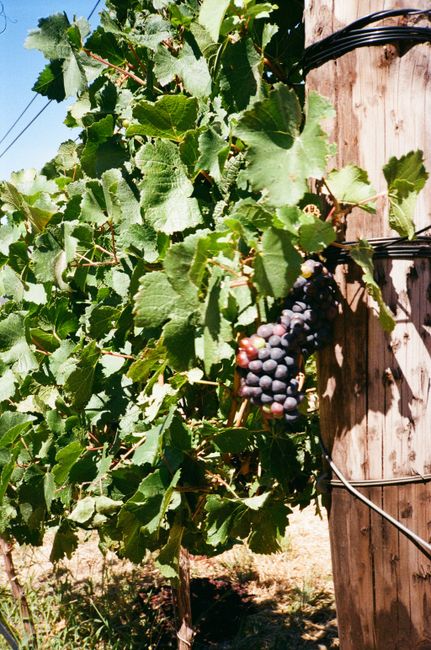
The Post-Harvest Irrigation Imperative: Why Managers Miss the Mark
As harvest concludes, a common misstep among vineyard managers is prematurely ceasing or significantly reducing irrigation. This oversight, often driven by a desire to conserve water or a belief that the vines are 'done' for the season, can severely impact vine health and future productivity. Neglecting post-harvest hydration starves vines of the resources needed for critical carbohydrate accumulation, leading to diminished vigor, reduced bud fertility, and compromised yield and quality in subsequent seasons. The cost of this error isn't immediate, but manifests as a creeping decline in vineyard performance and profitability.
Understanding the Post-Harvest Window
The period immediately following harvest, while leaves are still green and photosynthetically active, is crucial for vine recovery and carbohydrate storage. During this time, the vine redirects energy from fruit production to building reserves in its permanent structures (roots, trunk, cordons). These stored carbohydrates are vital for bud break, early shoot growth, and fruit set the following spring. Adequate soil moisture is essential for nutrient uptake and the metabolic processes required for this critical storage phase.
Key Metrics for Post-Harvest Irrigation Decisions
Effective post-harvest irrigation relies on precise monitoring rather than assumptions.
| Metric | Target Range | Measurement Tool |
|---|---|---|
| Soil Moisture (0-90 cm) | Maintain 60-70% Field Capacity | Capacitance/TDR probes |
| Midday Stem Water Potential (Ψstem) | -0.6 to -0.8 MPa (avoiding significant stress) | Pressure Chamber |
| Carbohydrate Reserves (Starch) | >10-12% dry weight (by leaf fall) | Laboratory analysis (woody tissue) |
Step-by-Step: Crafting Your Post-Harvest Irrigation Strategy
Implement a systematic approach to ensure optimal vine recovery and carbohydrate storage.
- Assess Initial Soil Moisture & Vine Status (Within 48 hours post-harvest):
- Soil Probes: Immediately check soil moisture sensors (e.g. Decagon, Sentek, or similar capacitance/TDR probes) at 30 cm, 60 cm, and 90 cm depths. Aim for 60-70% Field Capacity (FC).
- Visual Inspection: Observe leaf turgor and canopy health.
- Pressure Chamber (Optional but Recommended): Measure midday stem water potential (Ψstem) on representative vines to gauge actual vine stress. Target -0.6 to -0.8 MPa.
- Determine Irrigation Needs:
- If soil moisture is below 60% FC or Ψstem indicates stress, irrigation is required.
- Calculate water deficit based on soil moisture readings and estimated evapotranspiration (ETc). A good starting point for replenishment is 50-75% of peak season ETc, adjusting for actual rainfall and canopy size.
- Consider nutrient application (e.g. foliar potassium, boron) during this period to support carbohydrate translocation, especially if soil tests indicate deficiencies.
- Implement Controlled Irrigation:
- Apply water through your existing drip system. Ensure emitters are clear and delivering consistent output.
- Avoid over-irrigation, which can lead to waterlogging, nutrient leaching, and root disease. Apply water slowly to allow for deep penetration.
- Continue irrigation for 4-6 weeks post-harvest, or until significant natural rainfall occurs, and leaves show signs of natural senescence (yellowing, dropping). This often extends into late fall, typically 2-3 weeks before predicted dormancy onset.
- Monitor & Adjust:
- Continuously monitor soil moisture levels using probes. Review data daily or every few days.
- Periodically re-evaluate vine water status with pressure chamber measurements if possible.
- Adjust irrigation frequency and duration based on weather forecasts, actual rainfall, and vine response.
- Utilize vineyard management software like VinoBloc to track irrigation events, soil moisture data, and block-specific notes for historical analysis and future planning.
Common Mistakes and Troubleshooting
- Mistake 1: Premature Cessation. Stopping irrigation too soon, especially in dry climates or after an early harvest. Consequence: Reduced carbohydrate storage, impacting next year's crop. Troubleshooting: Extend irrigation based on leaf retention and soil moisture, typically until natural leaf fall.
- Mistake 2: Over-Irrigation. Applying too much water, thinking more is better. Consequence: Nutrient leaching, root rot, anaerobic soil conditions. Troubleshooting: Rely strictly on soil moisture probe data; apply only what is needed to bring soil to target FC, then monitor.
"The post-harvest period is not a time for vines to rest from water, but a critical window for them to refuel for the next season's demands."
Example Scenario (Hypothetical)
A Cabernet Sauvignon block in a warm climate has just been harvested. Soil moisture probes show levels at 45% FC at 60 cm depth. Midday Ψstem readings are -1.0 MPa, indicating moderate stress. The vineyard manager, following this protocol, immediately initiates an irrigation cycle designed to bring the soil back to 65% FC, applying approximately 25 mm of water over 12 hours. Subsequent monitoring shows soil moisture stabilizes, and vines maintain green leaves for an additional five weeks, accumulating vital carbohydrates before dormancy.
Actionable Next Steps for Vineyard Managers
Implement these steps to optimize your post-harvest irrigation strategy immediately:
- Establish Monitoring Protocols: Install or verify the functionality of soil moisture probes in representative blocks. Schedule weekly (or more frequent) data checks for the next 6-8 weeks.
- Review Historical Data: Analyze previous post-harvest irrigation records and corresponding yields/vine health in subsequent years to identify correlations.
- Train Field Staff: Ensure all relevant personnel understand the importance of post-harvest irrigation and the proper use of monitoring equipment.
- Leverage Technology: Integrate soil moisture data with vineyard management software like VinoBloc for centralized tracking and informed decision-making.
Implementation Timeline: Begin within 24-48 hours post-harvest and continue monitoring and irrigating as needed until natural leaf senescence. Success Metrics: Healthy, vibrant canopies persisting into late fall; consistent bud break and strong initial shoot growth next spring; improved overall vine uniformity and vigor in the subsequent growing season.
VinoBloc Team
Vineyard Management Experts
Ready to Transform Your Vineyard Management?
See how VinoBloc can help you streamline block-level data and harvest decisions.