
Precision Pre-Emergent Herbicide Timing for Vineyard Managers
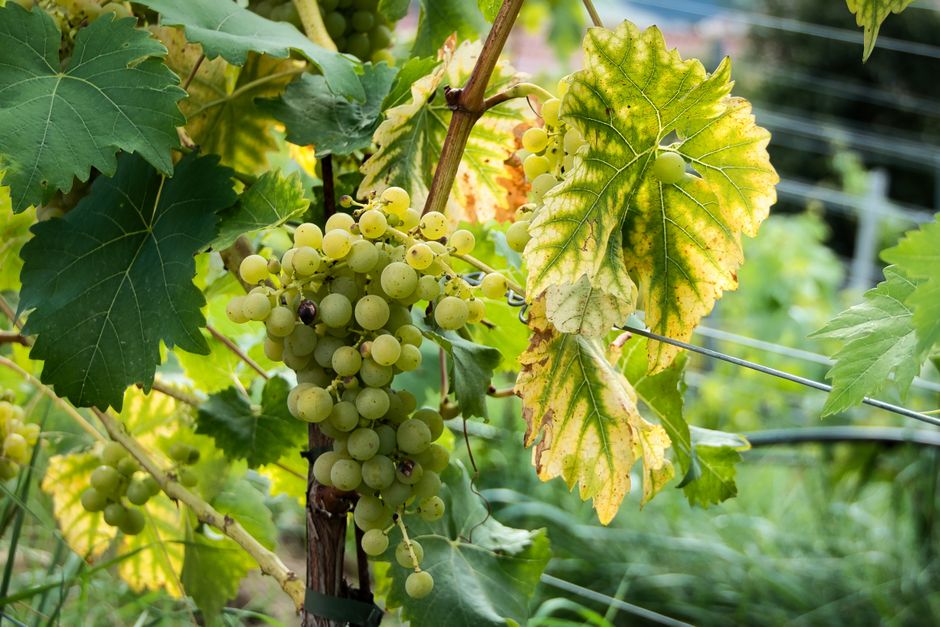
The Cost of Untamed Vineyard Weeds
Uncontrolled weed growth beneath grapevines represents a significant drain on vineyard resources. Without effective pre-emergent strategies, vineyard managers face substantial challenges: increased competition for water and nutrients, which can compromise vine vigor and fruit quality; a greater reliance on costly manual labor or post-emergent applications; and potential impacts on harvest efficiency. The cumulative effect of these issues can lead to reduced yield potential and elevated operational expenses, directly impacting the vineyard's profitability.
Key Insight: Proactive pre-emergent herbicide application, precisely timed, is a cornerstone of efficient vineyard floor management, minimizing weed pressure before it becomes a costly problem.
Understanding Optimal Pre-Emergent Application Timing
Effective pre-emergent herbicide performance hinges on precise timing, aligning application with environmental conditions that facilitate product activation and prevent weed seed germination. The goal is to establish a protective barrier in the soil before weed seeds emerge.
Critical Factors Influencing Timing:
- Soil Temperature: Most common annual weeds begin germination when soil temperatures consistently reach 50-55°F (10-13°C) at a 2-inch depth. Pre-emergent herbicides should be applied *before* this threshold is consistently met. Monitoring soil temperature daily for several weeks leading up to this period is crucial.
- Soil Moisture: Activation of pre-emergent herbicides requires moisture. Ideally, application should precede a rainfall event of 0.25 to 0.5 inches, or be followed by irrigation within 7-14 days. Without adequate moisture, the herbicide remains on the soil surface and will not form the necessary barrier.
- Vine Phenology (Bud Break): Applications must occur *prior to bud break* to prevent potential injury to developing vine tissues. Once buds begin to swell or show green tip, the risk of phytotoxicity increases significantly.
- Weed Spectrum: Understanding the predominant weed species in the vineyard helps fine-tune timing, as different weeds have slightly varied germination temperature requirements.
Pre-Emergent Herbicide Application Checklist
Adhering to a structured process ensures maximum efficacy and safety for pre-emergent applications.
- Site Assessment and Planning (2-4 weeks prior to target application):
- Review Weed History: Analyze previous season's weed maps and effectiveness of prior treatments. Vineyard management software like VinoBloc can assist in tracking historical weed pressure and application data.
- Monitor Soil Conditions: Begin monitoring soil temperature at a 2-inch depth daily. Note soil moisture levels.
- Inspect Equipment: Ensure sprayers are clean, calibrated, and in good working order. Nozzles should be checked for wear and proper output.
- Product Selection and Label Review (1-2 weeks prior):
- Choose Appropriate Products: Select herbicides based on target weed spectrum, soil type, and vine age. Examples of active ingredients commonly used include flumioxazin, pendimethalin, or indaziflam.
- Read and Understand Labels: Pay close attention to application rates, re-entry intervals (REIs), pre-harvest intervals (PHIs), and specific environmental conditions for optimal use. Adhere to all label instructions without deviation.
- Pre-Application Checks (24-48 hours prior):
- Weather Forecast: Confirm no strong winds (typically below 5-10 mph) or heavy rain are expected during application. Ensure rainfall or irrigation is predicted within the activation window.
- Vine Stage: Verify vines are still dormant, well before bud break.
- Sprayer Calibration: Calibrate the sprayer for the specific product and desired coverage. Target a uniform application rate, often 30-50 gallons per acre for thorough soil coverage.
- Application (Optimal Window):
- Timing: Apply when soil temperatures are consistently below 50°F (10°C) at 2 inches, but rising, and adequate moisture is anticipated for activation. This typically falls within late winter to early spring.
- Technique: Apply uniformly to the soil surface in the vine row, avoiding direct contact with dormant vine trunks where possible, especially for younger vines.
- Post-Application Monitoring (Immediately after to 2-4 weeks):
- Moisture Activation: Confirm that adequate rainfall or irrigation occurs within the recommended timeframe (e.g. 0.25-0.5 inches within 7-14 days). If not, consider supplemental irrigation.
- Efficacy Assessment: Monitor treated areas for weed emergence after 3-4 weeks.
Safety Considerations:
Always wear appropriate Personal Protective Equipment (PPE) as specified on the product label. This typically includes chemical-resistant gloves, protective eyewear, long-sleeved shirts, long pants, and chemical-resistant footwear. Ensure proper ventilation and follow all re-entry intervals (REIs).
Common Mistakes and Troubleshooting
Mistakes in pre-emergent application can lead to reduced efficacy and wasted resources.
| Mistake | Consequence | Troubleshooting / Prevention |
|---|---|---|
| Applying too late (after germination) | Poor weed control, as pre-emergents target germinating seeds, not emerged weeds. | Monitor soil temperature diligently; apply before consistent 50°F (10°C) at 2 inches. |
| Lack of moisture for activation | Herbicide remains on surface, degrades, or is washed away without forming barrier. | Time application before predicted rainfall or plan for immediate irrigation (0.25-0.5 inches). |
| Poor sprayer calibration or coverage | Uneven weed control, resulting in 'striping' or missed areas. | Calibrate sprayer annually and before each application. Ensure proper nozzle selection and pressure. |
| Applying too close to bud break | Potential phytotoxicity to swelling buds or young shoots. | Strictly observe vine phenology; apply only during full dormancy. |
Example Scenario (hypothetical):
A vineyard manager observes soil temperatures consistently at 48°F (9°C) at a 2-inch depth in late February. The weather forecast predicts 0.4 inches of rain within the next 72 hours. Bud break is typically mid-March in this region. This presents an ideal window for pre-emergent application, as temperatures are below the germination threshold for most annual weeds, and activating moisture is imminent. Applying now would provide an estimated 6-8 weeks of effective weed control before vine activity increases significantly.
Actionable Next Steps for Vineyard Managers
To optimize your pre-emergent herbicide strategy for the upcoming season, consider these immediate actions:
- Implement a Soil Temperature Monitoring Program: Begin daily soil temperature readings at a 2-inch depth across representative blocks. This data is critical for identifying the precise application window.
- Review Product Labels and Inventory: Confirm selected pre-emergent products are on hand and their labels are fully understood, particularly regarding rates, activation requirements, and safety protocols.
- Calibrate and Maintain Spray Equipment: Dedicate time to thoroughly clean, inspect, and calibrate all sprayers. Ensure nozzles are appropriate for uniform soil coverage.
- Develop a Contingency Irrigation Plan: If natural rainfall is unreliable, plan for supplemental irrigation (e.g. 0.25-0.5 inches) within 7-14 days post-application to ensure herbicide activation.
Implementation Timeline: Initiate soil temperature monitoring 4-6 weeks before historical bud break dates. Complete equipment checks and product review 2-3 weeks prior to the anticipated application window. Execute application when conditions align, typically late winter to early spring.
Success Metrics: Evaluate success by observing a significant reduction (e.g. 70-90% fewer weeds) in annual weed emergence in treated rows compared to untreated areas or historical data. This will translate into reduced need for post-emergent applications and manual weeding efforts.
VinoBloc Team
Vineyard Management Experts
Ready to Transform Your Vineyard Management?
See how VinoBloc can help you streamline block-level data and harvest decisions.