Precision Spring: When Early-Season Irrigation Hurts More Than It Helps for Vineyard Managers

Introduction: The Hidden Cost of Premature Spring Irrigation
As an experienced vineyard manager, you understand the critical balance required to cultivate high-quality fruit. The temptation to kickstart vine growth with early-season irrigation, especially after a dry winter or spring, is often strong. However, succumbing to this impulse without precise data can lead to a cascade of negative consequences, ultimately impacting your bottom line through increased operational costs, reduced fruit quality, and delayed ripening.
Premature irrigation in the early spring, before the vine truly needs it, can inadvertently trigger excessive shoot vigor. This overzealous vegetative growth diverts essential carbohydrates and nutrients away from developing fruit, leading to a less balanced vine. The resulting dense canopies demand more intensive, costly labor for hedging, shoot thinning, and leaf pulling. Furthermore, a humid, shaded microclimate within the canopy increases susceptibility to fungal diseases, necessitating additional fungicide applications. Ultimately, these factors can contribute to lower fruit quality, uneven ripening, and a less efficient use of water resources, eroding the profitability of your vintage.
Understanding Vine Physiology in Early Spring
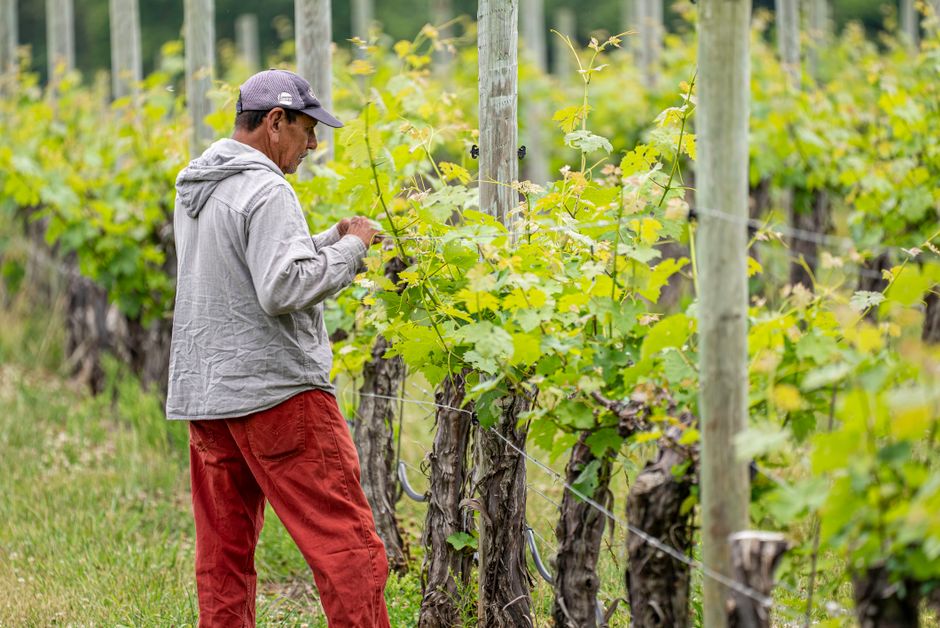
Vines possess remarkable resilience, drawing upon carbohydrate reserves stored in their roots and woody structures during dormancy. This stored energy fuels initial shoot growth post-bud break, allowing the vine to establish a canopy without immediate reliance on external water. Root activity, while occurring earlier than shoot growth, typically intensifies as soil temperatures consistently rise above 10-12°C (50-54°F). During this period, natural rainfall and existing soil moisture often suffice to meet the vine's initial demands.
Introducing irrigation too early can encourage shallow root development, as the vine has no incentive to explore deeper soil profiles for moisture. This makes the vine more vulnerable to drought stress later in the season when water scarcity becomes a real concern. The goal in early spring should be to encourage a balanced vine, promoting root exploration and controlled shoot growth that supports fruit development rather than competing with it.
Key Indicators for Irrigation Timing
Accurate assessment is paramount. Relying on visual cues alone can be misleading. Integrate several data points to make informed decisions:
- Soil Moisture: This is the primary indicator. Monitor soil moisture levels in the active root zone (typically 30-90 cm depth). Tensiometers are excellent for measuring soil water potential, with readings between -30 to -50 kPa often indicating a common threshold for initiating irrigation for many varieties. Capacitance or Time-Domain Reflectometry (TDR) probes provide volumetric water content (VWC), with a common target being to allow soil moisture to deplete to 50-60% of Field Capacity (FC) before irrigating, depending on varietal and site-specific goals.
- Shoot Vigor: Visually assess shoot growth. For many varieties, target shoot lengths of 10-20 cm (4-8 inches) post-bud break, maintaining moderate growth. Rapid elongation beyond this range in the absence of irrigation suggests ample soil moisture.
- Root Activity: While difficult to measure directly, root activity correlates strongly with soil temperature. Use soil temperature probes at various depths to confirm sustained temperatures above 10-12°C (50-54°F), indicating active root growth.
- Weather Forecasts: Always consider short-term (7-10 day) and long-term weather predictions, especially for significant rainfall events.
Key Insight: Early irrigation can encourage shallow root growth, making vines more susceptible to drought later in the season and increasing reliance on subsequent irrigation events.
Step-by-Step Assessment and Decision-Making
Step 1: Monitor Soil Moisture Aggressively
Install and calibrate reliable soil moisture sensors across representative blocks. Tensiometers, such as Irrometer models, or capacitance probes from manufacturers like Sentek or Decagon, should be placed at multiple depths (e.g. 30 cm, 60 cm, 90 cm) to understand the full soil profile's moisture status. Begin daily or bi-daily monitoring immediately after bud break. Use vineyard management software like VinoBloc to centralize sensor data, visualize trends, and set alerts for critical thresholds.
Step 2: Evaluate Vine Vigor and Growth Stage
Conduct regular visual inspections of representative vines in each block. Measure average shoot lengths at consistent intervals (e.g. weekly). Track phenological stages (bud break, shoot elongation, flowering) to contextualize growth rates. Documenting these observations in VinoBloc allows for historical comparison and aids in future decision-making.
Step 3: Analyze Weather Forecasts and Historical Rainfall
Review current and forecasted precipitation for your region. A significant rain event (e.g. >15-20 mm or 0.6-0.8 inches) can replenish soil moisture, potentially delaying irrigation needs by several days to a week. Compare current season rainfall to historical averages to identify anomalies.
Step 4: Confirm Root Zone Activity
Utilize soil temperature probes at root depth. Sustained temperatures above 10-12°C (50-54°F) indicate active root metabolism and water uptake. Below these temperatures, vine water demand from the soil is minimal, making irrigation largely ineffective for root growth.
Step 5: Make the Irrigation Decision
Only initiate irrigation when a combination of factors indicates a clear need:
- Soil moisture levels consistently fall below your established thresholds (e.g. <50% FC or tensiometer readings >-50 kPa for most mature vines).
- Shoot growth appears to be slowing or showing signs of stress (e.g. wilting in the afternoon for several consecutive days), despite adequate soil temperatures.
- No significant rainfall is predicted for the next 7-10 days.
When you do irrigate, consider a lighter initial application (e.g. 25-50% of typical full irrigation volume) to encourage deeper root exploration and avoid over-saturating the soil.
Troubleshooting Common Scenarios
- High rainfall post-bud break: If significant rainfall occurs, pause all irrigation plans and re-evaluate soil moisture daily. Do not irrigate until soil moisture levels drop considerably below field capacity.
- Unexpected dry spell, but good soil moisture: If a dry spell hits but soil moisture sensors indicate sufficient water, resist the urge to irrigate. Trust your data. Vines can withstand short periods of dryness, which can actually promote deeper rooting.
- Uneven vigor across blocks: If one block shows significantly lower vigor despite adequate soil moisture, investigate other factors such as nutrient deficiencies, pest pressure, or soil compaction before applying water.
Safety Considerations
When working with irrigation systems, always prioritize safety. Ensure electrical components are properly grounded and maintained. Be aware of moving parts in pump systems. Follow manufacturer guidelines for all monitoring equipment. Working around water can create slip hazards, so wear appropriate footwear.
Practical Examples of Early-Season Management
Example Scenario 1: High Vigor Block
A hypothetical Cabernet Sauvignon block, known for its vigorous growth, consistently shows shoot lengths averaging 15 cm (6 inches) two weeks post-bud break. Soil moisture probes indicate 70% Field Capacity at 60 cm depth, and a 7-day forecast predicts only minimal scattered showers. Despite the dry air, the data suggests ample moisture in the root zone. Delaying irrigation in this scenario, allowing soil moisture to drop closer to 55-60% FC, would help temper vigor, encouraging a more balanced canopy and potentially reducing the need for two passes of hedging later in the season.
Example Scenario 2: Young Vines vs. Mature Vines
Consider a block of 3-year-old Chardonnay vines adjacent to a block of 15-year-old Chardonnay. While the mature vines might thrive with soil moisture dropping to 50-55% FC before irrigation, the younger vines, with their less developed root systems, may require irrigation sooner, perhaps when moisture levels reach 60-65% FC. This highlights the importance of setting block-specific thresholds rather than a universal vineyard standard.
Common Mistakes and Their Consequences
Vineyard managers often err by:
- Irrigating based on calendar date or historical norms: Every season is unique. Relying on fixed schedules ignores current soil moisture and vine needs.
- Ignoring soil moisture data in favor of visual cues or intuition: While experience is valuable, objective data from sensors provides a more accurate picture of root zone conditions.
- Overestimating vine water demand in early spring: Vines are surprisingly efficient at using stored reserves and available soil moisture.
The consequences of these mistakes include:
Actionable Next Steps for Vineyard Managers
- Implement a Robust Soil Moisture Monitoring Program: Install or upgrade soil moisture sensors in key blocks. Aim for multiple sensors per block at varying depths to capture heterogeneity.
- Establish Block-Specific Irrigation Thresholds: Based on varietal, rootstock, soil type, and historical performance, define precise soil moisture and vigor thresholds for initiating early-season irrigation for each management zone.
- Train Staff on Visual Assessment of Vine Vigor: Educate field teams on how to accurately measure shoot length, identify signs of stress, and report observations consistently.
- Integrate Data for Informed Decisions: Utilize vineyard management software like VinoBloc to aggregate soil moisture data, weather forecasts, and vine vigor observations. This provides a holistic view for real-time decision-making.
- Review and Adjust Strategies Annually: After each growing season, conduct a thorough review of irrigation decisions against vine performance, fruit quality, and labor inputs. Use this feedback to refine your approach for the following year.
Implementation Timeline
- Immediate (Pre-Bud Break): Calibrate existing soil moisture sensors or install new ones. Set up data logging and alert systems within your vineyard management software.
- Early Season (Bud Break to Flowering): Begin daily monitoring of soil moisture and bi-weekly assessment of vine vigor. Hold weekly strategy review meetings to discuss findings and adjust plans.
- Mid-Season Onwards: Continue monitoring, using early-season data as a baseline for future irrigation decisions and canopy management strategies.
Success Metrics
Success can be measured by:
- A reduction in the number of canopy management passes (e.g. hedging, leafing) required post-fruit set.
- Achievement of target shoot vigor (e.g. 1.5-2.5 feet at véraison) with consistent growth across blocks.
- Improved fruit set consistency and even ripening within blocks.
- Documented increases in water use efficiency, reducing overall water consumption without compromising quality.
VinoBloc Team
Vineyard Management Experts
Ready to Transform Your Vineyard Management?
See how VinoBloc can help you streamline block-level data and harvest decisions.