Precision Viticulture: Leveraging Technology for Modern Vineyard Optimization
The Unseen Costs of Vineyard Variability
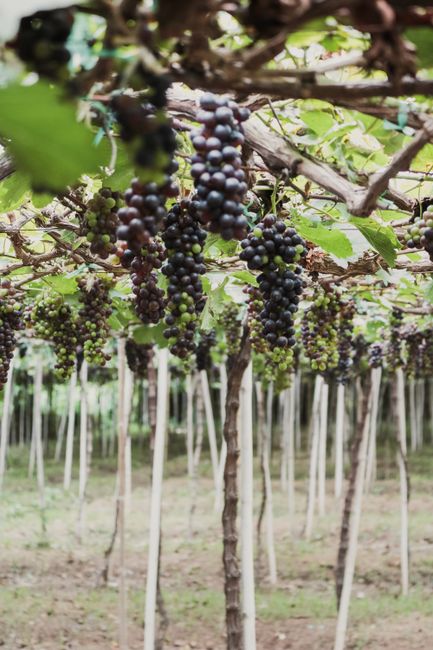
Vineyard managers grapple with inherent variability across blocks, a challenge that often goes unaddressed until yield or quality suffers. Factors such as soil composition, water holding capacity, slope, aspect, and microclimates create distinct zones within a single vineyard. Treating an entire block uniformly, despite these differences, leads to significant resource waste and suboptimal outcomes. This inconsistency results in excess water usage, unnecessary fertilizer applications, and inefficient labor deployment for tasks like pruning and harvesting. The cumulative cost impact is substantial: reduced fruit quality in certain areas, diminished overall yield potential, and increased operational expenses that erode profit margins. Ignoring this variability means consistently leaving potential on the table, impacting both the bottom line and the long-term sustainability of the vineyard operation.
“Uniform treatment of heterogeneous vineyard blocks is a primary driver of inefficiency and lost potential. Precision Viticulture offers the tools to address this head-on.”
The Core of Precision Viticulture: Data-Driven Decision Making
Precision Viticulture (PV) represents a paradigm shift from broad-acre management to site-specific interventions. It leverages advanced technologies to collect, analyze, and interpret spatially referenced data, enabling vineyard managers to make informed, granular decisions. The objective is to optimize resource allocation, enhance fruit quality, and improve operational efficiency by understanding and responding to intra-block variability.
Key Technologies Driving Precision Viticulture
Remote Sensing: Drones & Satellites for Canopy Insights
Remote sensing provides a bird's-eye view of vineyard health and vigor, identifying variations invisible to the naked eye. This technology is critical for early detection of issues and proactive management.
- Multispectral Imagery: Drones equipped with multispectral cameras (e.g. Micasense Altum-PT, Sentera AGX710 on platforms like DJI Matrice 300 RTK) capture data across various light spectra.
- Key Indices:
- NDVI (Normalized Difference Vegetation Index): Quantifies canopy vigor and biomass. Values typically range from 0.2 (low vigor) to 0.9 (high vigor).
- NDRE (Normalized Difference Red Edge): Sensitive to chlorophyll content, useful for assessing nitrogen status and later-stage vigor.
- Thermal Imagery: Detects canopy temperature variations, indicating water stress. Cooler canopies suggest adequate hydration, while warmer areas may signal stress.
- Timing: Regular flights (e.g. monthly during the growing season, with critical passes pre-veraison and pre-harvest) provide a dynamic understanding of vine development. Satellite data (e.g. from Planet Labs or Sentinel-2) offers broader, consistent coverage.
Example scenario (hypothetical): A vineyard block consistently shows a 1.5-acre section with NDVI values below 0.4, while the rest of the block averages 0.7. Thermal imagery concurrently reveals higher canopy temperatures in the low-NDVI zone. This data strongly suggests a localized issue of water stress or nutrient deficiency, warranting targeted investigation and intervention rather than uniform irrigation or fertilization across the entire block.
Ground-Based Sensors: Real-Time Vineyard Monitoring
While remote sensing offers a broad perspective, ground-based sensors provide precise, real-time data from within the vineyard environment.
- Soil Moisture Probes: Capacitance or TDR sensors (e.g. Decagon EC-5/TEROS 12, Sentek EnviroSCAN) measure volumetric water content (VWC) at various depths. Optimal thresholds often target 25-35% VWC, depending on soil type and vine stage.
- Sap Flow Sensors: Devices like the ICT International SFM1 Sap Flow Meter directly measure the rate of water movement through the vine stem, providing a direct indicator of vine water use and stress.
- Weather Stations: Localized weather stations (e.g. Davis Vantage Pro2, Spectrum WatchDog) provide hyper-local data on air temperature, humidity, wind speed, rainfall, and evapotranspiration (ETc), crucial for irrigation scheduling and disease modeling.
- Timing: Continuous data logging, with readings typically every 15-60 minutes, enables dynamic adjustments to management practices.
Example scenario (hypothetical): Real-time soil moisture sensors installed at 12-inch and 24-inch depths indicate that a specific sub-block's VWC has dropped to 22%, triggering an alert. Adjacent sub-blocks, however, are maintaining VWC at 30%. This precise data allows for immediate, targeted irrigation of the stressed zone, preventing widespread water deficit and conserving water in areas that do not require it.
GPS & GIS Mapping: Precision Positioning and Analysis
Global Positioning System (GPS) technology, particularly with Real-Time Kinematic (RTK) correction, provides sub-centimeter accuracy for mapping and navigation. Geographic Information Systems (GIS) software (e.g. ESRI ArcGIS, QGIS) integrates and visualizes all spatial data.
- Zone Delineation: Creating management zones based on vigor, soil type, or historical yield data.
- Variable Rate Application (VRA): Guiding machinery for precise application of inputs (e.g. fertilizer, water) based on prescription maps.
- Yield Mapping: Collecting geo-referenced yield data during harvest to identify high- and low-performing areas.
Data Analytics & Vineyard Management Software
The true power of Precision Viticulture lies in the integration and analysis of data from all these sources. Integrated vineyard management platforms, such as VinoBloc, are crucial for centralizing this disparate data. These platforms interpret sensor readings, remote sensing imagery, and historical records to generate actionable insights, create prescription maps, and track the efficacy of interventions over time. They transform raw data into a cohesive narrative of vineyard health and performance.
Implementing Precision Viticulture: A Step-by-Step Guide
- Define Clear Objectives: Begin by identifying specific goals. Is the primary aim to reduce water usage, improve fruit uniformity, increase yield, or mitigate disease pressure? Quantify these objectives (e.g. “reduce water consumption by 15%,” “achieve 90% uniformity in Brix at harvest”).
- Assess Current Infrastructure: Evaluate existing GPS capabilities, internet connectivity across the vineyard, and current data collection methods. Identify gaps that need to be addressed before technology integration.
- Select Core Technologies: Start with one or two key technologies that address your primary objectives. For instance, begin with drone-based remote sensing for vigor mapping and soil moisture sensors in critical blocks. Avoid over-investing too quickly.
- Establish Data Collection Protocols: Ensure consistent and accurate data collection. Calibrate all sensors regularly (e.g. soil moisture probes annually, drone sensors before each flight series). Document data collection timing and methods.
- Integrate and Analyze Data: Centralize all collected data into a robust vineyard management platform like VinoBloc. Utilize the platform's analytical tools to identify patterns, delineate management zones, and generate prescription maps.
- Implement Variable Rate Application (VRA): Apply inputs (water, nutrients, pruning, harvesting) precisely according to the generated prescription maps. This often requires VRA-capable machinery or manual intervention guided by handheld GPS units.
- Monitor and Refine: Continuously monitor the impact of your PV interventions. Use subsequent data (e.g. post-application vigor maps, yield data) to evaluate success and refine strategies. Precision Viticulture is an iterative process of learning and adjustment.
- Troubleshooting: Data gaps can occur due to sensor malfunction or poor connectivity. Regularly check sensor health and ensure robust network infrastructure. Software integration issues might require working closely with technology providers for seamless data flow.
- Safety Considerations: When operating drones, adhere to all local aviation regulations. Ensure ground crew safety during sensor installation and maintenance, especially on uneven terrain.
- Common Mistakes: A frequent error is collecting data without a clear plan for its use, leading to 'data paralysis.' Another is failing to train staff adequately on new technologies and data interpretation, hindering adoption. Overlooking sensor calibration can lead to inaccurate data and misguided decisions.
Practical Application: Variable Rate Management
The ultimate goal of Precision Viticulture is to enable variable rate management, tailoring practices to the specific needs of each vine or zone.
Variable Rate Irrigation (VRI)
VRI systems apply water precisely where and when it is needed, based on real-time soil moisture data, vine stress indicators from remote sensing, and localized ETc. This can involve adjusting flow rates or irrigation duration for different zones within a block. For example, a zone identified with VWC below 25% and high thermal stress might receive an additional 0.5 inches of water, while an adjacent zone maintaining 30% VWC receives no supplemental irrigation.
Variable Rate Nutrition
Nutrient applications, particularly nitrogen, can be tailored to vine vigor maps. Low-vigor zones (e.g. NDVI below 0.4) might receive a higher nitrogen application (e.g. a higher nitrogen application) to boost canopy development, while high-vigor zones (NDVI above 0.7) receive reduced or no nitrogen to prevent excessive growth and shading. This optimizes nutrient use efficiency and reduces environmental impact.
Selective Harvesting
PV enables selective harvesting by identifying zones with optimal ripeness parameters. Using historical data, remote sensing, and targeted berry sampling, vineyard managers can delineate areas ready for harvest based on specific thresholds (e.g. Brix 24-26, pH 3.2-3.6, TA 6-8 g/L). This ensures fruit is picked at its peak, enhancing wine quality and allowing for differentiated processing.
| Parameter | Typical Range/Threshold | Actionable Insight |
|---|---|---|
| NDVI (Canopy Vigor) | 0.2 - 0.9 | Low (<0.4) indicates stress/low vigor; High (>0.7) indicates strong vigor. |
| Volumetric Water Content (VWC) | 25% - 35% (optimal) | Below 25% suggests water deficit, requiring irrigation. |
| Canopy Temperature (Thermal) | Ambient ± 2-3°C | Significantly above ambient indicates water stress. |
| Brix (Harvest) | 24 - 26 | Target range for optimal ripeness, guiding selective harvest. |
| pH (Harvest) | 3.2 - 3.6 | Target range for optimal acidity, guiding selective harvest. |
Actionable Next Steps for Vineyard Managers
Embracing Precision Viticulture is a strategic investment that yields significant returns in efficiency, quality, and sustainability.
- Conduct a Vineyard Variability Assessment: Begin by analyzing existing data (historical yield maps, soil samples) and consider a drone flight over a representative block to identify initial vigor variations.
- Research and Pilot Key Technologies: Select one or two technologies (e.g. multispectral drone imagery or a network of soil moisture sensors) that align with your most pressing vineyard challenges. Implement a pilot program on a single, variable block to test efficacy and gather practical experience.
- Investigate Data Management Platforms: Explore integrated vineyard management software solutions like VinoBloc. Understand how these platforms can centralize data, provide analytical tools, and support decision-making.
- Develop a Phased Implementation Plan: Outline a realistic timeline for integrating PV technologies across your operation. A typical timeline might involve a 3-6 month pilot phase, followed by 1-2 years for broader integration across key blocks, and ongoing expansion.
Success Metrics: Monitor key performance indicators to quantify the benefits of PV. Expect to see estimated reductions in input costs (e.g. 10-20% less water or fertilizer), improved fruit uniformity (e.g. a 15% reduction in Brix variability across a block), and enhanced overall fruit quality leading to higher market value.
VinoBloc Team
Vineyard Management Experts
Ready to Transform Your Vineyard Management?
See how VinoBloc can help you streamline block-level data and harvest decisions.