
Shoot Thinning for Vine Balance: Precision Strategies for Experienced Vineyard Managers
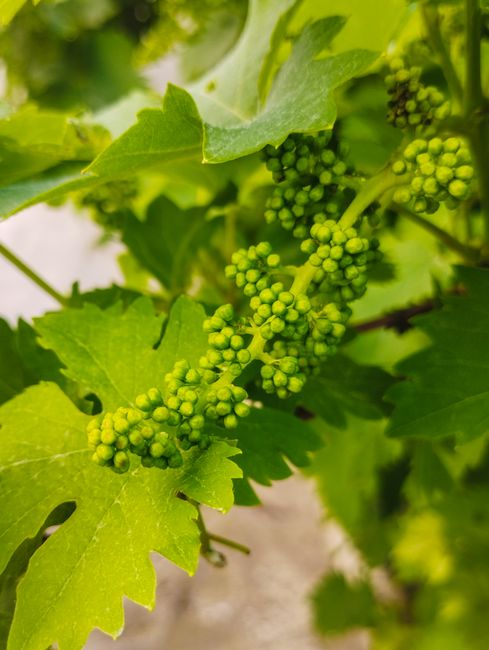
The Unseen Cost of Imbalanced Canopies
For experienced vineyard managers, the subtle yet profound impact of an imbalanced canopy can be a persistent challenge. You know the scenario: a block that consistently struggles with uneven ripening, persistent disease pressure, or fruit that just doesn't hit its quality potential, despite robust nutrient and irrigation programs. The root of this frustration often lies in suboptimal shoot density, a problem that silently erodes profitability.
An overly dense canopy creates a humid microclimate, a perfect breeding ground for fungal diseases like powdery mildew and botrytis, leading to increased spray costs and potential crop loss. Conversely, too few shoots can leave fruit exposed to sunburn or limit the vine's photosynthetic capacity, hindering sugar accumulation and flavor development. Both extremes result in reduced fruit quality, lower market value, and inefficient use of resources, directly impacting your bottom line.
The Science of Optimal Shoot Density for Vine Balance
Shoot thinning is not merely about removing excess growth; it is a critical early-season canopy management practice that establishes the foundation for vine balance. Research shows that an optimal shoot density ensures adequate light penetration into the fruiting zone, promotes air circulation, and allocates the vine's resources efficiently. This leads to:
- Improved Photosynthesis: Well-spaced shoots maximize leaf exposure to sunlight, enhancing the vine's ability to produce sugars.
- Reduced Disease Pressure: Better airflow within the canopy lowers humidity, significantly mitigating the risk of fungal diseases.
- Uniform Ripening: Consistent light exposure and balanced resource allocation across the fruiting zone lead to more even sugar, acid, and phenolic development.
- Enhanced Fruit Quality: Ultimately, this translates to grapes with superior color, flavor, and aroma profiles, commanding higher prices.
"Achieving the ideal shoot count is a delicate balance between maximizing photosynthetic output and preventing self-shading, a decision that profoundly impacts grape quality and vineyard sustainability."
When to Act: Critical Timing for Shoot Thinning
The timing of shoot thinning is paramount, influencing both the effort required and the physiological response of the vine. Industry experts note that the optimal window for primary shoot thinning typically occurs when shoots are:
- 4-8 inches (10-20 cm) long
- Displaying 5-10 visible leaves
- Before tendrils become fully developed or shoots begin to lignify (harden)
This early timing allows for easy removal by hand, minimizes wound shock to the vine, and directs the vine's energy towards the remaining, desired shoots. Waiting too long can make removal more difficult, increase the risk of damaging remaining shoots, and result in the vine expending unnecessary energy on growth that will ultimately be removed.
Impact of Timing Variations:
- Early Thinning (e.g. 2-4 inches): Can promote increased vigor and length in remaining shoots. Risk of re-sprouting from latent buds or damage from late frosts/winds.
- Standard Timing (4-8 inches): Balances ease of removal with minimal vine stress and effective resource redirection.
- Late Thinning (e.g. 10-12 inches, pre-bloom): Can act as a vigor reduction tool, as the vine has already invested significant energy into the removed shoots. May reduce potential crop if flower clusters are inadvertently removed.
How Many: Establishing Target Shoot Counts
Establishing the correct target shoot count is a block-specific decision influenced by variety vigor, rootstock, soil type, pruning system, and desired yield/quality objectives. A common starting point for many Vitis vinifera varieties on vertical shoot positioned (VSP) systems ranges from 3 to 5 shoots per linear foot of cordon (approximately 10 to 16 shoots per linear meter).
However, this is a guideline. High-vigor varieties or blocks might tolerate slightly higher counts, while low-vigor situations may require fewer. The goal is to achieve an appropriate leaf area to fruit weight ratio, often targeted at 10-14 leaves per shoot, or a total effective leaf area of 1.0-1.5 m² per kg of fruit.
| Variety Vigor | Target Shoots/Foot (approx.) | Target Shoots/Meter (approx.) | Considerations |
|---|---|---|---|
| High Vigor (e.g. Cabernet Sauvignon, Syrah on vigorous rootstock) | 4-5 shoots/foot | 13-16 shoots/meter | Allows for sufficient leaf area, requires careful spacing to avoid crowding. |
| Moderate Vigor (e.g. Merlot, Zinfandel, some Chardonnay) | 3.5-4.5 shoots/foot | 11-15 shoots/meter | Standard approach, focus on even distribution and removal of weak shoots. |
| Low Vigor (e.g. Pinot Noir, Grenache, older vines, restricted soils) | 3-4 shoots/foot | 10-13 shoots/meter | Prioritize retention of healthy shoots; be less aggressive to maintain photosynthetic capacity. |
Step-by-Step Precision Shoot Thinning Process
Executing shoot thinning effectively requires a systematic approach:
- Pre-Thinning Assessment: Before entering the block, review historical vigor maps, pruning records, and previous year's yield data. Walk the block to assess current vine vigor, bud break consistency, and initial shoot growth.
- Establish Block-Specific Targets: Based on the assessment, define a precise target shoot count per linear foot/meter for each management zone or block. Consider the desired crop load and quality objectives.
- Initial Pass (Rough Thinning):
- Timing: When shoots are approximately 4-6 inches (10-15 cm).
- Focus: Remove clearly undesirable shoots. This includes:
- Double shoots from a single node (retain the stronger, better-positioned one).
- Shoots growing downwards or directly into the row.
- Weak, spindly, or damaged shoots.
- Suckers from the trunk or watersprouts from older wood (unless needed for renewal).
- Tool: Hand removal is often sufficient at this stage; sharp hand pruners like Felco F-2 can be used for tougher shoots or to ensure clean cuts.
- Second Pass (Refinement Thinning):
- Timing: When shoots are 6-10 inches (15-25 cm), typically just before bloom.
- Focus: Refine the shoot count to the established target density. Ensure even spacing along the cordon or cane. Prioritize retention of healthy, fruitful shoots that are well-positioned for optimal light interception. Remove any late-emerging suckers or watersprouts.
- Tool: Hand removal or precision pruners.
- Monitor and Adjust: Continuously observe canopy development throughout the season. Vigor can fluctuate, and minor adjustments (e.g. tucking, leafing) may be needed later, but the foundation is set by shoot thinning.
Safety Considerations:
Ensure all vineyard personnel are equipped with appropriate personal protective equipment (PPE), including gloves and eye protection. Emphasize awareness of uneven terrain and proper body mechanics to prevent strain injuries during manual work.
Troubleshooting and Common Pitfalls
Even experienced managers encounter challenges. Here are common issues and their solutions:
- Over-thinning: Can lead to excessive vigor in remaining shoots, larger berries (diluting flavor), or increased sunburn risk. If detected early, consider delaying subsequent canopy management tasks to allow for some compensatory growth.
- Under-thinning: Results in dense canopies, poor light penetration, increased disease, and uneven ripening. Requires more aggressive follow-up leaf removal or hedging, increasing labor costs.
- Timing Errors: Thinning too early risks damage from late frosts or high winds. Thinning too late wastes vine energy and can make removal more difficult. Adhere to the 4-8 inch window as closely as possible.
- Vigor Variability: Within a single block, vigor can vary. Address this by establishing different shoot density targets for high- and low-vigor zones, informed by vigor mapping.
Practical Scenarios for Decision Making
Example Scenario (Hypothetical - High Vigor Cabernet Sauvignon Block)
A 10-acre block of Cabernet Sauvignon on 3309C rootstock in deep, fertile soil consistently exhibits high vigor, with initial shoot counts averaging 7-8 shoots per linear foot (23-26 shoots/meter) after bud break. The goal is to produce high-quality, concentrated fruit with a target of 4.5 shoots per linear foot (15 shoots/meter).
- Initial Pass (4-6 inches): Crew removes all double shoots, downward-growing shoots, and any weak or spindly growth, aiming to reduce density to approximately 5.5-6 shoots/foot.
- Second Pass (6-8 inches, pre-bloom): Crew refines the count to 4.5 shoots/foot, ensuring even spacing and selecting for shoots with well-formed clusters. This aggressive approach manages vigor and promotes fruit concentration.
Example Scenario (Hypothetical - Moderate Vigor Pinot Noir Block)
A 5-acre block of Pinot Noir on 101-14 Mgt rootstock in moderately fertile, well-drained soil typically shows 5-6 shoots per linear foot (16-20 shoots/meter) post-budbreak. The objective is balanced growth and moderate yields for premium still wine production, targeting 3.5 shoots per linear foot (11-12 shoots/meter).
- Initial Pass (4-6 inches): Crew removes only the weakest, clearly unfruitful shoots and those growing into the row, aiming for approximately 4.5 shoots/foot.
- Second Pass (6-8 inches, pre-bloom): Crew focuses on achieving the 3.5 shoots/foot target, prioritizing healthy, evenly spaced shoots. Less aggressive removal than the high-vigor block to maintain sufficient leaf area for this less vigorous variety.
Leveraging Technology for Informed Decisions
Precision viticulture tools, such as vigor mapping data from remote sensing or historical yield maps, can significantly inform initial shoot thinning decisions. By identifying high- and low-vigor zones within a block, managers can tailor shoot density targets more precisely.
Vineyard management software plays a crucial role in tracking and evaluating these practices. VinoBloc allows vineyard managers to record block-specific shoot counts pre- and post-thinning, correlate this data with subsequent yield and quality metrics, and refine strategies for future seasons. This data-driven approach transforms shoot thinning from an art into a repeatable, optimized process.
Actionable Next Steps for Your Vineyard
To optimize your shoot thinning strategy for the upcoming season, consider these immediate actions:
- Review Historical Data: Analyze previous season's vigor maps, pruning records, and yield/quality data for each block. Identify areas of consistent high or low vigor.
- Set Block-Specific Targets: Based on historical performance, variety characteristics, and your specific quality objectives, define optimal shoot counts per linear foot/meter for each management unit.
- Train Your Crew: Conduct a comprehensive training session for all personnel involved in shoot thinning. Clearly communicate the specific targets, criteria for shoot removal (e.g. weak, double, misplaced), and safety protocols. Provide visual examples.
- Implement and Monitor: Execute the initial and refinement thinning passes within the critical timing windows. Regularly walk the blocks to monitor progress and adjust as needed based on actual growth and weather conditions.
- Document and Evaluate: Utilize vineyard management software like VinoBloc to record shoot counts before and after thinning. Track labor hours and correlate this data with subsequent canopy development, disease incidence, and final harvest quality metrics. This feedback loop is essential for continuous improvement and achieving consistent vine balance.
VinoBloc Team
Vineyard Management Experts
Ready to Transform Your Vineyard Management?
See how VinoBloc can help you streamline block-level data and harvest decisions.