
Summer Spray Program Adjustments: A Vineyard Manager's Checklist
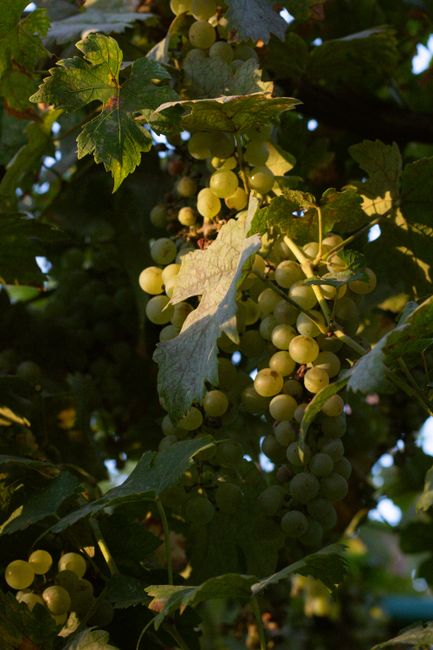
The Summer Spray Challenge: Maintaining Control in Dense Canopies
As summer progresses, vineyard canopies thicken, fruit clusters develop, and disease pressure often intensifies. For experienced vineyard managers, the critical problem is ensuring adequate spray coverage and efficacy in these dynamic conditions. Failing to adapt your spray program now can lead to significant consequences, including increased disease incidence, compromised fruit quality, and potential yield reductions, directly impacting profitability. Effective summer disease management requires precise adjustments to application techniques and product selection to penetrate dense foliage and protect developing fruit.
Adapting Your Summer Spray Program: Key Adjustments
1. Optimize Water Volume and Nozzle Selection
The primary challenge in summer is achieving thorough coverage on all fruit and leaf surfaces within a dense canopy.
- Increase Water Volume: As canopy density increases, target water volumes of 100-150 gallons per acre (GPA) for mature Vitis vinifera varieties. This ensures sufficient carrier to reach inner canopy tissues.
- Select Appropriate Nozzles: Utilize air-induction nozzles for larger droplet size and reduced drift, or hollow-cone nozzles for excellent coverage, especially when targeting fungal spores. Ensure nozzles are clean and properly calibrated.
- Adjust Airblast Settings: Calibrate airblast fan speed and deflectors to match canopy height and width. The goal is to create a turbulent air curtain that pushes spray into the canopy without excessive blow-through or drift.
2. Refine Fungicide Rotation and Tank Mixes
Summer brings heightened risk for diseases like powdery mildew (Erysiphe necator), downy mildew (Plasmopara viticola), and increasingly, botrytis bunch rot (Botrytis cinerea) as veraison approaches.
- Strategic FRAC Group Rotation: Continue rotating fungicides from different FRAC (Fungicide Resistance Action Committee) groups. For instance, alternate between FRAC Group 3 (e.g. DMI fungicides) and FRAC Group 11 (e.g. strobilurins) for powdery mildew, and FRAC Group 40 (e.g. dimethomorph, mandipropamid) or other effective groups like FRAC 21 (QoIs) for downy mildew.
- Incorporate Botryticides: As clusters close and veraison approaches, integrate specific botryticides (e.g. FRAC Group 7, 9, 12, or 17) into your program, particularly in varieties susceptible to bunch rot or in vineyards with a history of the disease. Apply pre-bunch closure and again around veraison for optimal protection.
- Adjuvant Use: Employ appropriate adjuvants, such as non-ionic surfactants or penetrants, to improve spray deposition, spreading, and rainfastness, especially with contact fungicides. Always follow label recommendations.
Example Scenario (Hypothetical): A vineyard manager observes early powdery mildew lesions on leaves in a Chardonnay block at 5% incidence post-fruit set. The immediate adjustment involves increasing water volume to 120 GPA, using hollow-cone nozzles, and applying a curative fungicide from FRAC Group 3, followed by a preventative FRAC Group 11 fungicide in the next spray cycle, maintaining a 7-day interval.
3. Integrate Canopy Management
Effective spray penetration is significantly enhanced by proactive canopy management.
- Shoot Thinning and Leaf Pulling: Perform shoot thinning to achieve optimal shoot density (e.g. 4-5 shoots per foot of cordon) and strategic leaf pulling in the fruiting zone. This improves air circulation, sunlight exposure, and spray coverage, reducing humidity within the cluster microclimate.
- Timing is Crucial: Conduct leaf pulling around pea-size berry stage, ideally before bunch closure, to maximize spray penetration and minimize disease establishment.
4. Intensify Scouting and Data-Driven Decisions
Vigilant monitoring is non-negotiable for summer disease management.
- Weekly Scouting: Increase scouting frequency to at least once per week, focusing on the fruiting zone and inner canopy leaves where diseases often initiate.
- Utilize Decision Support Systems: Leverage disease models and weather forecasts to predict infection periods for downy mildew, powdery mildew, and botrytis. Track spray applications and disease incidence using vineyard management software like VinoBloc to inform future decisions.
Example Scenario (Hypothetical): Following a period of high humidity and rainfall, a vineyard manager consults a downy mildew risk model indicating high infection potential. Based on this, the spray interval is shortened from 10 days to 7 days, and a systemic fungicide from FRAC Group 40 is applied preventatively to mitigate the forecasted risk.
5. Monitor Environmental Conditions
Environmental factors dictate disease pressure and spray efficacy.
- Temperature and Humidity: High temperatures can reduce the efficacy of some fungicides (e.g. sulfur), while high humidity favors downy mildew and botrytis. Adjust product selection accordingly.
- Wind Speed and Rain: Avoid spraying during high winds (typically above 8-10 mph) to prevent drift. Be mindful of rainfastness and reapply if significant rainfall occurs shortly after application, based on product label instructions.
Troubleshooting and Safety Considerations
- Poor Coverage: If scouting reveals missed spots or persistent disease, reassess nozzle type, pressure, water volume, and airblast settings. Consider adjusting tractor speed (e.g. 2.5-3.0 mph) for better coverage.
- Persistent Disease: If disease pressure remains high despite adjustments, verify correct product selection, rotation, and application timing. Consider laboratory diagnostics to confirm disease identification and rule out resistance.
- Safety: Always wear appropriate Personal Protective Equipment (PPE) as specified on product labels. Observe Re-Entry Intervals (REI) strictly to ensure worker safety.
| Aspect | Early Season (Pre-Bloom) | Summer (Post-Fruit Set) |
|---|---|---|
| Water Volume | 50-80 GPA | 100-150 GPA |
| Nozzle Focus | New shoots, developing leaves | Dense canopy, fruit clusters |
| Disease Focus | Primary inoculum, early powdery/downy mildew | Secondary spread, botrytis, sour rot |
| Canopy Management | Shoot thinning | Leaf pulling (fruiting zone) |
| Spray Interval | Often 10-14 days | Typically 7-10 days |
Actionable Next Steps
To ensure your summer spray program remains effective and protects your crop, implement these immediate actions:
- Review and Recalibrate: Within the next 48 hours, review your spray equipment settings (nozzles, pressure, airblast) and recalibrate for increased canopy density. Aim for 100-150 GPA for thorough coverage.
- Intensify Scouting: Establish a weekly scouting schedule, focusing on the fruiting zone and inner canopy, to detect disease early and inform timely applications.
- Confirm Fungicide Rotation: Verify your current fungicide rotation plan adheres to FRAC group guidelines, especially incorporating botryticides as veraison approaches. Update your spray record in VinoBloc to track rotations.
- Plan Canopy Operations: Schedule any remaining leaf pulling or shoot tucking for the fruiting zone to be completed before bunch closure, optimizing spray penetration.
Implementation Timeline: These adjustments should be implemented immediately as canopies approach full size and maintained through veraison.
Success Metrics: Monitor disease incidence, aiming for less than 1% visible disease in the fruiting zone. Evaluate spray coverage using water-sensitive paper.
VinoBloc Team
Vineyard Management Experts
Ready to Transform Your Vineyard Management?
See how VinoBloc can help you streamline block-level data and harvest decisions.