
The Critical Pre-Operation Check: Preventing Most Tractor Incidents in Vineyards
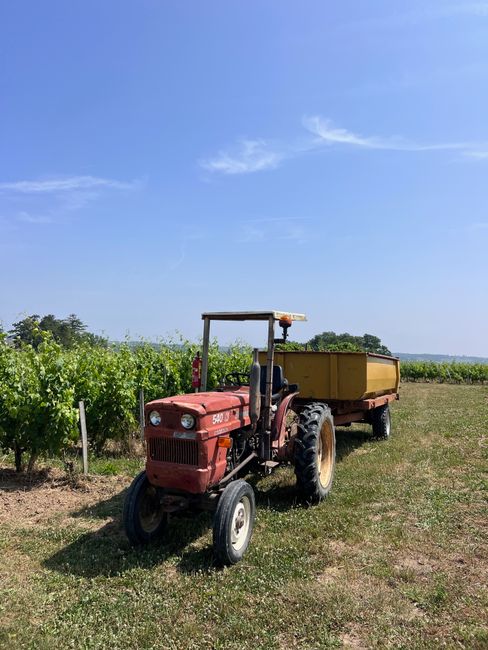
The Unseen Costs of Tractor Incidents
For experienced vineyard managers, the daily operation of tractors is routine, yet the risks are ever-present. A single tractor incident, whether a rollover, run-over, or PTO entanglement, carries profound and often underestimated costs. Beyond immediate injuries or fatalities to personnel, incidents lead to significant equipment damage, operational downtime that disrupts critical vineyard tasks like spraying or mowing, escalating insurance premiums, and potential legal liabilities. The ripple effect can impact an entire season's yield and profitability, straining resources and morale. Mitigating these risks begins with a disciplined, systematic approach to safety, focusing on the most impactful preventative measures.
“Most tractor incidents are preventable through consistent adherence to established safety protocols, particularly a thorough pre-operation inspection.”
The One Safety Check: Comprehensive Pre-Operation Inspection
The single most effective measure to prevent the majority of tractor-related incidents is a meticulous pre-operation walk-around and system check performed before every single use, regardless of how short the task. This isn't a quick glance; it's a systematic verification of critical components that directly impact stability, control, and operator safety.
Step-by-Step Pre-Operation Checklist
Implement this checklist daily, or before each new operator takes control, ensuring every point is visually inspected and physically verified:
- Tire Condition and Pressure:
- Inspect all tires for cuts, bulges, or embedded objects.
- Verify tire pressure using a reliable gauge. For most narrow-row vineyard tractors (e.g. John Deere 5075GL, New Holland T4.75V), typical front drive tire pressures range from 16-22 PSI and rear drive tires from 12-18 PSI, depending on implement weight and ballast. Consult the manufacturer's manual for exact specifications. Incorrect pressure drastically affects stability and traction.
- Ballast Verification:
- Confirm adequate ballast is present for the task. For front-loader operations, approximately 60% of total tractor weight should be on the front axle, with 40% on the rear for optimal stability. When pulling heavy rear-mounted implements (e.g. large sprayers), ensure sufficient front ballast to maintain steering control and prevent front-end lift.
- Check that all ballast weights are securely mounted.
- ROPS (Roll-Over Protective Structure) & Seatbelt:
- Ensure the ROPS is in the upright and locked position (if foldable) and free from damage.
- Verify the seatbelt is fully functional, not frayed, and latches securely. The seatbelt is ineffective without a properly deployed ROPS.
- PTO Shielding and Guards:
- Inspect all Power Take-Off (PTO) shafts and implements for intact, securely fastened guards. The master shield, PTO shaft guards, and implement input shaft guards must be present and free-spinning.
- A damaged or missing guard is an immediate red flag.
- Fluid Levels & Leaks:
- Check engine oil, hydraulic fluid, coolant, and fuel levels.
- Look for any signs of leaks under the tractor or around hydraulic connections.
- Lights, Brakes, and Steering:
- Test all lights (headlights, tail lights, work lights, hazard lights).
- Verify brake pedal function and parking brake engagement.
- Check for excessive play in the steering wheel.
Troubleshooting Guidance
If any issue is identified during this check (e.g. low tire pressure, damaged PTO guard, non-functional light), the tractor must not be operated until the problem is rectified. Prioritize immediate repair or replacement of critical safety components. Documenting these checks and any subsequent maintenance can be efficiently managed using a digital platform like VinoBloc, which helps track equipment maintenance schedules and incident reports.
Example Scenarios (Hypothetical)
Example Scenario 1: Unstable Spraying Operation
A vineyard manager dispatches a tractor with an attached sprayer for a routine application. Due to a rushed morning, the pre-operation check is skipped. The tractor's rear tires are found to be at 8 PSI instead of the recommended 15 PSI, and the front ballast weights, typically used for this sprayer, were removed for a prior task and not re-attached. On a moderately sloped row, the tractor feels unstable, and the operator struggles to maintain control, narrowly avoiding a rollover incident. The low tire pressure and insufficient front ballast significantly reduced stability, especially with the weight of a full sprayer.
Example Scenario 2: PTO Entanglement Risk
During pruning, a vineyard worker notices a tractor's PTO shaft master shield is cracked and partially dislodged. The operator, in a hurry, had not performed a thorough pre-operation check. While operating a flail mower, debris catches on the exposed shaft, creating a severe entanglement risk that could lead to serious injury or fatality. A simple visual inspection would have identified the compromised guard, prompting immediate repair before operation.
Actionable Next Steps for Vineyard Managers
Implementing and sustaining this critical safety check requires a structured approach:
- Formalize the Checklist: Create a standardized, laminated checklist for each tractor, requiring operators to physically initial each item before use.
- Mandatory Training: Conduct mandatory, annual training sessions for all tractor operators, emphasizing the importance and precise execution of the pre-operation check.
- Regular Audits: Implement weekly or bi-weekly random audits to ensure compliance with the pre-operation checklist and proper documentation.
- Maintenance Protocol: Establish a clear protocol for reporting and addressing identified deficiencies, ensuring repairs are completed by qualified personnel before tractor redeployment.
Implementation Timeline & Success Metrics
Timeline: Implement formalized checklists and initial training within 7 days. Establish audit schedules within 14 days. Conduct refresher training quarterly or bi-annually.
Success Metrics: A significant reduction in near-miss incidents and actual tractor-related accidents. Track maintenance logs for recurring issues, indicating areas for further training or equipment upgrades. Monitor operator compliance rates through audit reports.
By making the comprehensive pre-operation check an unwavering standard, vineyard operations can drastically reduce the risk of tractor incidents, protecting personnel, preserving assets, and ensuring operational continuity.
VinoBloc Team
Vineyard Management Experts
Ready to Transform Your Vineyard Management?
See how VinoBloc can help you streamline block-level data and harvest decisions.