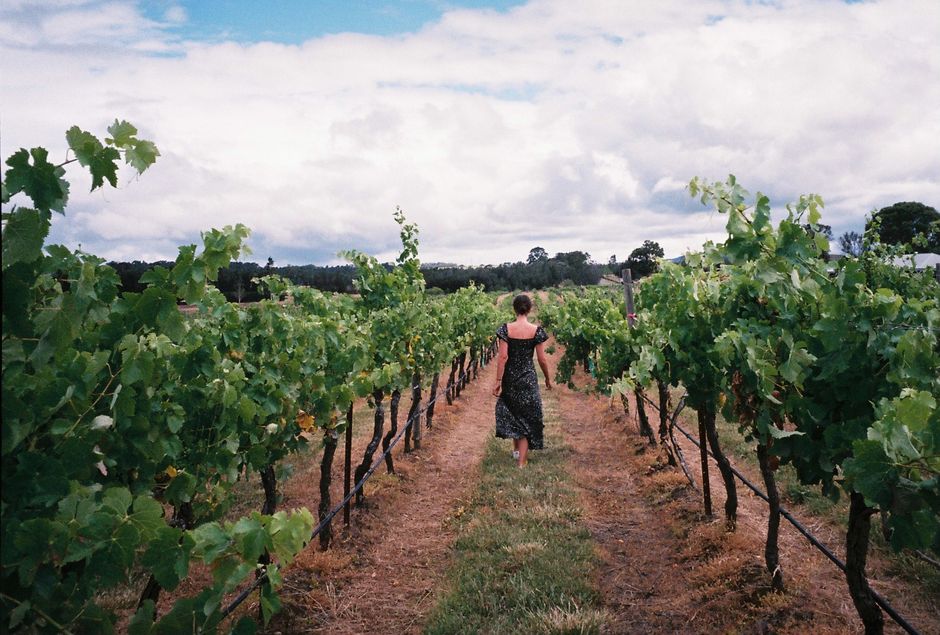
The Essential End-of-Day Vineyard Walk Checklist for Managers
Important Disclaimer
- The statistic 'Industry experts note that proactive daily checks can reduce reactive maintenance costs by an estimated 15-20% annually' is a general estimate and may vary based on specific vineyard operations, scale, and existing maintenance protocols. Specific data to support this exact percentage across the industry is not universally available.
The Cost of Overlooking the Details
As an experienced vineyard manager, you understand that vineyard health and operational efficiency are built on vigilance. However, the demands of the day often lead to hurried departures, leaving critical end-of-day checks undone. This oversight can result in significant, avoidable costs: undetected irrigation leaks wasting thousands of gallons, minor equipment malfunctions escalating into major repairs, or early signs of pest and disease pressure going unnoticed, leading to widespread outbreaks. Failing to implement a rigorous end-of-day protocol means you risk compromising vine health, increasing resource consumption, and incurring substantial financial losses that could have been prevented with a few minutes of focused inspection.
Industry experts note that proactive daily checks can reduce reactive maintenance costs by an estimated 15-20% annually.
The End-of-Day Vineyard Walk Checklist
This checklist provides a structured approach to your final vineyard inspection, ensuring no critical detail is missed. Implement these steps consistently to safeguard your investment and prepare for the next operational day.
1. Irrigation System Integrity
- Mainline & Submain Inspection: Visually scan main and submain lines for any visible leaks, pooling water, or dislodged connections. Pay particular attention to junctions and valves.
- Pressure Check: Verify system pressure at key gauges. A sudden drop of more than 10 PSI from the typical operating pressure (e.g. 30-40 PSI for drip systems) often indicates a significant leak or blockage.
- Emitter Functionality (Spot Check): Randomly check 5-10 emitters per block for proper function. Ensure drippers are actively dripping at their specified flow rate (e.g. 0.5 GPH to 2 GPH, depending on emitter type) and are not clogged or emitting a weak stream.
- Pump Station Status: Confirm all irrigation pumps are properly shut down, or operating as intended if programmed for overnight cycles. Check for unusual noises, leaks, or overheating components.
- Safety: Ensure all high-pressure components are depressurized if maintenance is scheduled.
Example scenario: During an EOD walk, a manager observes a pressure gauge reading 22 PSI, significantly below the usual 35 PSI. Following the mainline, a large pool of water is found near a main valve, indicating a broken fitting. Immediate action to isolate the block and schedule repair prevents overnight water loss and potential vine stress.
2. Equipment & Infrastructure Security
- Vehicle & Machinery Check: Confirm all ATVs, tractors, sprayers, and other equipment are parked in designated areas, turned off, keys removed, and secured. Check for any visible damage or fluid leaks (e.g. hydraulic fluid, fuel).
- Fuel & Battery Levels: Note fuel levels for essential equipment. Ensure electric equipment is charging if necessary.
- Gates & Fences: Verify all vineyard perimeter gates are closed and locked. Check for any new breaches in fencing that could allow wildlife access.
- Tool & Supply Inventory: A quick scan of work areas to ensure all hand tools, hoses, and small equipment are accounted for and stored properly.
- Safety: Disconnect power to any temporary electrical setups. Ensure no sharp tools or hazards are left exposed.
3. Vine Health & Canopy Assessment
- Visual Pest/Disease Scan: Conduct a rapid visual scan for any new or escalating signs of pests (e.g. sudden increase in leafhoppers, unusual webbing) or diseases (e.g. powdery mildew spots, downy mildew oil spots). Focus on susceptible varieties or known problem areas.
- Canopy & Trellis Integrity: Note any broken wires, fallen canes, or significant canopy damage (e.g. from wind, equipment). Prioritize areas that could impede future operations or compromise vine structure.
- Soil Moisture (Spot Check): If using portable sensors, take a quick reading in 1-2 representative blocks, aiming for a range of 60-80% field capacity during active growth, adjusting based on specific irrigation strategies.
- Safety: Be aware of uneven terrain and potential trip hazards.
Example scenario: A manager notices a small cluster of grapevines showing unusual leaf discoloration and rapid defoliation, inconsistent with the rest of the block. Upon closer inspection, a localized infestation of spider mites is identified. This early detection allows for targeted treatment within 48 hours, preventing a wider outbreak that could impact yield across the block.
Common Issues & Immediate Actions
This table outlines typical observations during an EOD walk and the corresponding immediate steps.
| Observation | Specification/Threshold | Immediate Action |
|---|---|---|
| Major Irrigation Leak | Visible pooling, pressure drop > 10 PSI | Isolate affected block, report for repair by morning. |
| Unusual Pest Activity | New presence of unusual pest activity or exceeding established thresholds for specific pests | Note location, photograph, inform scouting team. |
| Equipment Left On/Unsecured | Engine running, lights on, keys in ignition | Power off, remove keys, secure equipment. Report to operator. |
| Broken Trellis Wire | Wire snapped or detached, canes unsupported | Note location, prioritize for repair within 24-48 hours. |
Leveraging Technology for Daily Management
Integrating your EOD walk observations with a vineyard management platform enhances efficiency. Tools like VinoBloc allow managers to log issues directly from the field, attach photos, assign tasks to crew members, and track the resolution of problems. This digital record-keeping streamlines communication, provides historical data for analysis, and ensures accountability, transforming a routine walk into a powerful data collection opportunity.
Actionable Next Steps
To implement this checklist effectively, consider the following:
- Standardize the Protocol: Within the next 7 days, formalize this checklist into your standard operating procedures (SOPs). Distribute it to all management and supervisory staff.
- Allocate Dedicated Time: Schedule 15-30 minutes at the close of each operational day specifically for this walk. This should be a non-negotiable part of the daily routine.
- Train Your Team: Conduct a brief training session within the next 14 days for relevant personnel, emphasizing the importance of each check and how to report findings.
- Integrate Reporting: Implement a consistent reporting mechanism, whether through VinoBloc or a simple logbook, to ensure all observations are documented and addressed.
Success Metrics: Monitor key indicators such as a reduction in unexpected equipment breakdowns, decreased water usage due to fewer leaks, and earlier detection of pest/disease issues, all contributing to improved vineyard health and operational cost control.
VinoBloc Team
Vineyard Management Experts
Ready to Transform Your Vineyard Management?
See how VinoBloc can help you streamline block-level data and harvest decisions.