Trunk Disease Prevention: Optimal Pruning Cuts for Vineyard Longevity
The Silent Threat: Why Pruning Cuts Matter More Than You Think
For experienced vineyard managers, the sight of a declining vine, its leaves yellowing prematurely, or its fruit cluster shriveling, is a familiar and frustrating challenge. This insidious decline is often the work of trunk diseases like Eutypa dieback, Esca, and Botryosphaeria dieback. These pathogens don't strike suddenly; they slowly debilitate vines, leading to reduced yields, compromised fruit quality, and eventually, vine death. The cumulative cost of inaction is substantial, encompassing not only lost revenue from affected vines but also the significant labor and material expenses of replanting, training new vines, and managing gaps in the canopy. While chemical treatments and biological controls play a role, the first line of defense, and often the most overlooked, lies in the seemingly simple act of making a pruning cut.
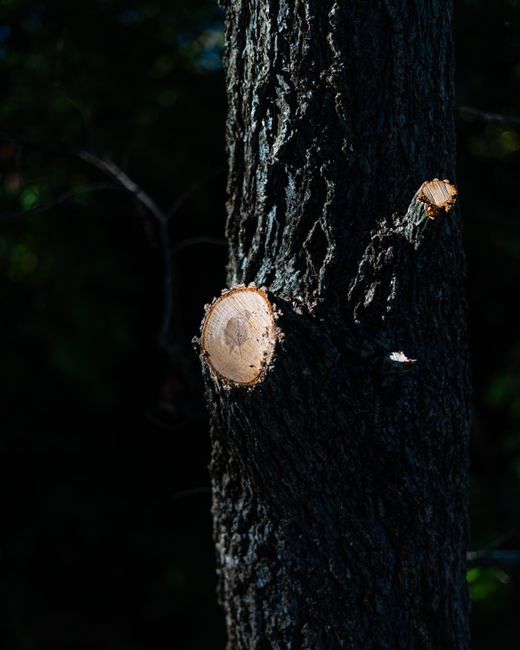
Every pruning cut creates a wound, an open invitation for fungal spores to enter the vine's vascular system. Understanding the biology of these pathogens and implementing precise, preventative pruning strategies is paramount to safeguarding your vineyard's long-term health and productivity.
Strategic Pruning: Minimizing Vulnerability
The goal of preventative pruning is to minimize the size and number of wounds, make them in less susceptible locations, and ensure they heal quickly. This requires a systematic approach and attention to detail.
1. Optimal Pruning Timing
Timing is critical. Pruning should ideally occur during the driest, coldest period of dormancy. Research indicates that vines are less susceptible to infection when temperatures are consistently below 50°F (10°C), and spore dispersal of many trunk disease fungi is significantly reduced or absent during dry conditions. Avoid pruning during or immediately after rain events, as wet conditions facilitate spore dispersal and infection.
2. Precision Cut Placement
The location and angle of the cut significantly impact wound healing and susceptibility:
- Avoid Large Wounds: Wounds larger than 1/2 inch (1.25 cm) in diameter are particularly vulnerable and heal slowly. Strive to make smaller cuts whenever possible.
- Preserve the Collar: Always make cuts flush with the cordon or trunk, but *just* outside the swell of the cane collar. The cane collar contains meristematic tissue crucial for wound healing. Cutting into or leaving a long stub can impede healing and create an entry point for pathogens.
- Angle for Drainage: On cordons or trunks, make slight downward-sloping cuts to prevent water pooling on the wound surface, which can prolong wetness and promote fungal growth.
- Two-Cut Method for Cane Removal: When removing a cane that is part of a permanent structure, first cut the cane several inches from the cordon, then make a second, clean cut at the collar after the cane has dried for a few days. This allows the cane to dry back, potentially reducing pathogen viability near the final cut.
3. Tool Hygiene and Sharpness
Dull tools create ragged wounds that heal slowly and are more prone to infection. Maintain sharp blades on all pruning shears, loppers, and saws. Disinfect tools regularly, especially when moving between blocks or suspected diseased vines. A 10% bleach solution or denatured alcohol can be effective, though drying time is crucial to prevent corrosion. For practical application, a spray bottle of disinfectant used frequently can be integrated into pruning routines.
"The cumulative effect of poor pruning hygiene across thousands of vines can transform a minor issue into a widespread vineyard crisis, impacting profitability for years."
Proactive Wound Treatment: Sealing the Entry Points
Even with optimal pruning, wounds remain vulnerable. Proactive wound treatment is a critical second layer of defense, especially for cuts on older wood or larger cuts.
Step-by-Step Wound Treatment Application
- Immediate Application: Apply wound protectants as soon as possible after pruning, ideally within 48 hours. Research indicates that efficacy significantly decreases beyond this window as fungal spores can colonize wounds rapidly.
- Product Selection:
- Biological Fungicides: Products containing beneficial fungi like Trichoderma harzianum (e.g. various commercial formulations) or bacterial agents compete with or antagonize pathogenic fungi. They are typically applied as pastes or sprays.
- Synthetic Fungicides: Certain broad-spectrum fungicides (e.g. fludioxonil-based products, or specific benzimidazoles where resistance is not an issue) can offer protection. Always check local regulations and product labels for approved use in vineyards.
- Copper-Based Pastes/Paints: Some managers utilize copper-based paints or sealing compounds for larger cuts, providing a physical barrier and fungistatic properties.
- Application Method:
- Brushing/Painting: For larger cuts (greater than 1/2 inch / 1.25 cm), use a brush to apply a thick, even layer of paste or paint. Ensure complete coverage of the wound surface.
- Spraying: For smaller, numerous cuts, a targeted spray application can be more efficient. Utilize backpack or ATV-mounted sprayers with appropriate nozzles to ensure thorough coverage without excessive runoff.
- Weather Considerations: Avoid application if rain is expected within 24 hours, as it can wash away the protectant. Optimal application occurs during dry, calm conditions to ensure adhesion and prevent drift.
Troubleshooting Common Issues
- Wet Conditions: If unexpected rain occurs after pruning but before treatment, prioritize treating the largest, most vulnerable wounds first once conditions dry. Focus on re-applying contact or biological wound protectants once conditions dry, as systemic products are generally not effective as post-pruning wound treatments for trunk diseases.
- Product Adhesion: Ensure wound surfaces are clean and dry before application. Some products require specific mixing instructions; follow them precisely for optimal adhesion.
- Labor Shortages: If resources are limited, prioritize treating cuts on older wood (cordons, trunks) and any cuts larger than 1/2 inch (1.25 cm) first. These are the most critical entry points for destructive pathogens.
Example Scenario (Hypothetical): Winter Pruning Strategy
A vineyard manager in a coastal region typically prunes from late December through February. Historical weather data shows January as the driest month with average temperatures consistently below 45°F (7°C). The manager prioritizes pruning during these weeks, scheduling two-cut removals for older wood. For all cuts on cordons and trunks exceeding 1/2 inch (1.25 cm), a biological wound protectant containing Trichoderma harzianum is applied via brush within 24-48 hours. For smaller cane cuts, a broad-spectrum fungicidal spray is applied to entire blocks immediately after pruning is completed in that section, ensuring coverage before any significant rain event.
Data-Driven Disease Management
Tracking pruning activities and disease incidence is crucial for evaluating the effectiveness of your prevention strategy. Software platforms like VinoBloc can assist vineyard managers in logging pruning dates, block-specific treatments, and subsequent disease observations. This data allows for analysis of correlations between pruning practices, environmental conditions, and disease outbreaks, informing future management decisions.
Actionable Next Steps for Your Vineyard
Implementing a robust trunk disease prevention program starts now, well before the next pruning season. Consider these immediate actions:
- Review Pruning Protocols: Update or create a detailed standard operating procedure (SOP) for pruning, emphasizing cut placement, timing, and tool hygiene. Distribute and train all pruning staff on these revised protocols before the next dormancy period.
- Inventory and Procure Supplies: Assess your current inventory of pruning tools, disinfectants, and wound protectants. Order necessary replacements or new products well in advance of the pruning season to ensure availability. Consider acquiring dedicated spraying equipment for wound protectants if current methods are inefficient.
- Map Disease Incidence: Utilize historical data and conduct a vineyard walk-through to identify and map areas with known trunk disease symptoms. This information can inform targeted pruning and treatment strategies, such as pruning infected blocks last or ensuring extra vigilance in high-risk zones. This data can be effectively managed using a platform like VinoBloc.
- Schedule Training: Organize a refresher training session for all pruning personnel focused specifically on the principles of trunk disease prevention, proper cut techniques, and wound treatment application. Emphasize the long-term impact of their work.
Implementation Timeline: These actions should be completed within the next 2-3 months, prior to the onset of the next dormant pruning season. Success Metrics: Monitor the incidence of new trunk disease symptoms (e.g. sectorial dieback, internal wood discoloration) over the next 3-5 years. A sustained reduction in observed symptoms and a decrease in annual vine replacement rates would indicate a successful prevention program.
VinoBloc Team
Vineyard Management Experts
Ready to Transform Your Vineyard Management?
See how VinoBloc can help you streamline block-level data and harvest decisions.
