
Verifying Spray PPE: An Auditable Self-Check System for Vineyard Managers
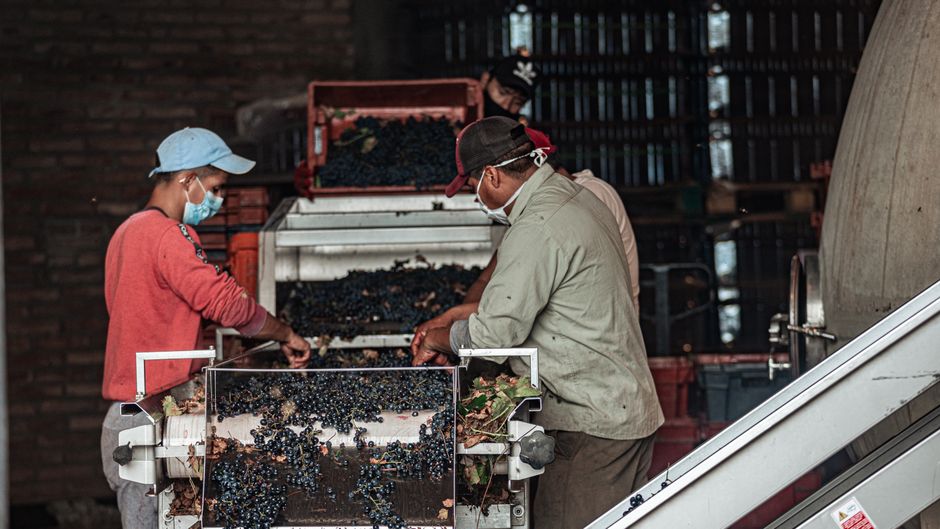
The Challenge: Ensuring PPE Compliance Without Constant Supervision
Vineyard managers frequently grapple with the demanding task of ensuring their spray crews consistently adhere to Personal Protective Equipment (PPE) protocols. Direct, constant supervision during every spray application is impractical and resource-intensive, yet lapses in PPE compliance carry significant risks. These include heightened worker exposure to pesticides, potential long-term health issues for employees, and the risk of costly regulatory fines from bodies like Cal/OSHA or the EPA Worker Protection Standard (WPS). Such non-compliance can lead to increased workers' compensation claims, reduced crew morale, and a substantial drain on operational efficiency and financial stability.
The Proactive PPE Integrity Log System
A highly effective method to verify correct PPE usage without constant direct supervision is implementing a structured "PPE Integrity Log System." This system empowers crew members to conduct thorough pre- and post-application PPE checks, document their findings, and report any issues. This shifts the primary responsibility for immediate compliance to the applicator while providing vineyard managers with an auditable trail and data for periodic review and targeted intervention.
Key Insight: Empowering crew members with self-verification tools, coupled with a clear logging process, transforms passive compliance into active participation, significantly reducing the need for continuous oversight.
Step-by-Step Implementation of the PPE Integrity Log
-
Standardize and Equip: Define Exact PPE Specifications Establish a clear, non-negotiable list of required PPE for all spray operations. Ensure all crew members are properly fitted and trained on each item's use, maintenance, and limitations. Provide adequate, high-quality PPE.
Mandatory PPE Specifications for Spray Operations
PPE Item Specification / Threshold Compliance Check Respirator Half-mask (e.g. 3M 6000/7000 series) with P100 cartridges (e.g. 3M 2097 or 7093). Annual fit testing required (quantitative or qualitative). Visual inspection for damage, proper seal check, cartridge integrity. Cartridges replaced per manufacturer guidelines or pesticide label (e.g. every 40 hours of use or weekly in high-exposure scenarios). Chemical-Resistant Gloves Nitrile or butyl rubber, minimum 14 mil thickness. Cuff length extends over coverall sleeves. Inspect for tears, punctures, or signs of degradation before and after each use. Replace immediately if compromised. Chemical-Resistant Coveralls Tyvek 400, Saranex 23P, or equivalent. Ensure proper sizing for full body coverage. Inspect for rips, tears, or worn areas. Ensure zippers/seams are intact. Disposable coveralls discarded after use or if contaminated. Reusable laundered per manufacturer. Eye Protection Chemical splash goggles, ANSI Z87.1 certified. Inspect for cracks, scratches, or fogging that obstruct vision. Ensure strap is functional. Chemical-Resistant Footwear Rubber or PVC boots, mid-calf height minimum. Inspect for cracks, holes, or worn soles. Clean thoroughly after each use. -
Pre-Application Self-Check Protocol for Crew Before every spray application, each crew member completes a visual and functional check of their assigned PPE using a standardized checklist. This checklist should be part of a daily log sheet.
- Respirator: Perform a positive and negative pressure seal check. Verify cartridges are correctly installed and within their replacement schedule.
- Gloves: Inflate slightly or fill with air to check for pinholes. Inspect for visible tears or punctures.
- Coveralls: Check for rips, tears, or compromised seams. Ensure zippers function correctly.
- Eye Protection: Verify lenses are clean, free of cracks, and provide clear vision.
- Footwear: Inspect for cracks, holes, or worn soles.
- Log Entry: Mark each item as "OK" or "ISSUE" on the daily PPE Integrity Log. If an issue is found, it must be reported immediately and rectified before application begins.
-
Post-Application Protocol & Log for Crew After completing spray operations, crew members are responsible for proper doffing, cleaning, and storage of PPE, and logging its post-application status.
- Doffing: Follow proper doffing procedures to prevent cross-contamination.
- Cleaning/Inspection: Clean reusable PPE (respirator, goggles, boots) according to manufacturer guidelines. Inspect all PPE for damage incurred during the application.
- Log Entry: Record the post-application status of each PPE item on the same daily log sheet. Note any damage, excessive wear, or contamination.
- Reporting: Any identified damage or significant wear requiring replacement must be reported to a supervisor immediately and documented on the log.
Example scenario (hypothetical): An applicator completes a 6-hour spray shift. During their post-application check, they notice a small tear (approximately 0.5 cm) in the cuff of their chemical-resistant glove. They immediately log this on the PPE Integrity Log, mark the glove as 'DAMAGED,' and place it in the designated 'Repair/Replace' bin. This ensures the glove is not reused and a new one is issued for the next shift.
-
Managerial Audit & Feedback Loop Vineyard managers conduct periodic, unscheduled audits of the completed PPE Integrity Logs and spot-check PPE storage/condition.
- Log Review: Review all submitted logs weekly. Look for consistent "OK" entries without issues, which might indicate cursory checks. Verify that reported issues have corresponding corrective actions (e.g. new PPE issued).
- Spot Checks: Conduct unannounced inspections of PPE stored in lockers or cleaning areas. Compare the physical condition of PPE with recent log entries.
- Feedback: Provide constructive feedback to crew members based on log reviews and spot checks. Acknowledge diligence and address any discrepancies or recurring issues through re-training.
Example scenario (hypothetical): A manager reviews weekly logs and notices that one applicator consistently marks all PPE as 'OK' pre- and post-application for several weeks, while others occasionally report minor wear or issues. During a subsequent unannounced spot check, the manager finds the applicator's respirator cartridges are visibly dirty and past their recommended replacement interval (estimated 50 hours of use, exceeding the 40-hour guideline). This discrepancy prompts a targeted re-training session on respirator maintenance and log accuracy for that individual, reinforcing the importance of diligent checks.
Common Mistakes and Consequences
- Inadequate Training: Crew members not fully understanding how to inspect or properly use PPE leads to ineffective checks. Consequence: False sense of security, actual exposure risk remains high.
- Lack of Accountability: Logs are completed but not reviewed, or issues are reported without follow-up. Consequence: System loses credibility, compliance degrades, potential for severe injury or regulatory fines.
- Insufficient PPE Supply: Delay in replacing damaged PPE. Consequence: Pressure on crew to use compromised PPE, direct exposure risk.
Leveraging Technology for Enhanced Compliance
Digitizing the PPE Integrity Log system can significantly streamline record-keeping, auditing, and trend analysis. Vineyard management software, such as VinoBloc, can be configured to host these digital checklists, track PPE inventory, schedule replacement alerts for items like respirator cartridges, and flag inconsistencies for managerial review. This digital approach improves data accuracy and provides a centralized, accessible record for compliance audits.
Actionable Next Steps for Implementation
-
Develop Standardized Checklists: Create specific, easy-to-understand Pre- and Post-Application PPE Integrity Log forms. Include all required PPE items and fields for date, applicator name, chemical, status, and notes for issues/corrective actions. (Timeline: 1 week)
-
Conduct Comprehensive Training: Train all spray crew members on proper PPE use, inspection techniques, doffing procedures, and the correct completion of the new log forms. Emphasize the importance of honest reporting. (Timeline: 2 weeks)
-
Establish PPE Supply & Maintenance Stations: Ensure easy access to spare PPE, cleaning supplies, and designated areas for damaged PPE. Clearly label replacement schedules for items like respirator cartridges. (Timeline: 2 weeks)
-
Implement Weekly Log Review & Monthly Spot Checks: Designate a manager or lead to review all logs weekly and conduct at least two unannounced spot checks per month. Document feedback and follow-up actions. (Timeline: Ongoing, starting immediately after training)
Success Metrics: A consistent reduction in reported PPE damage (indicating better handling), a decrease in unannounced spot-check discrepancies, and positive feedback from crew members regarding PPE availability and safety confidence will indicate the system's effectiveness.
VinoBloc Team
Vineyard Management Experts
Ready to Transform Your Vineyard Management?
See how VinoBloc can help you streamline block-level data and harvest decisions.