
Vineyard Botrytis: A Decision Framework for Spraying and Holding
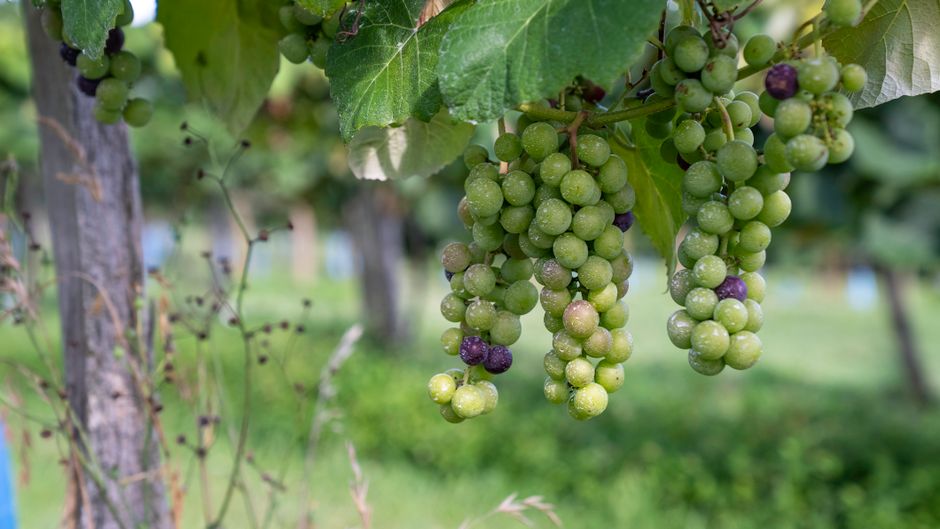
The Botrytis Dilemma: Optimizing Vineyard Management
Vineyard managers consistently grapple with the challenge of Botrytis cinerea, or grey mold. This pervasive fungal pathogen threatens grape quality and yield, particularly in humid or wet conditions. The decision to spray fungicides is complex, balancing disease prevention with cost, labor, potential resistance development, and harvest interval restrictions. Mismanaging Botrytis can lead to significant crop losses, reduced wine quality, and increased operational expenses through unnecessary sprays or reactive, costly interventions. Effective management requires a precise, data-driven approach to determine when to spray and, critically, when to hold.
Key Environmental Triggers and Grape Vulnerability
Understanding the interplay between environmental conditions and grape development is fundamental to Botrytis management. Proactive monitoring provides the data needed for informed decisions.
Environmental Monitoring Thresholds
- Relative Humidity (RH): Prolonged periods exceeding 90% RH for 12-15 hours or more, especially when combined with moderate temperatures, create ideal infection conditions.
- Temperature: Optimal Botrytis development occurs between 60-75°F (15-24°C). Temperatures outside this range can slow, but not halt, disease progression.
- Canopy Wetness: Extended periods of leaf and bunch wetness (e.g. >6-8 hours from dew, fog, or light rain) are critical for spore germination and infection.
- Rainfall: Even light rain can facilitate spore dispersal and provide the necessary moisture for infection. Heavy rain can cause berry splitting, creating entry points for the pathogen.
Utilize vineyard-specific weather stations and canopy sensors to track these metrics in real-time. Integrate this data into a vineyard management platform like VinoBloc for centralized record-keeping and analysis.
Grape Phenology and Susceptibility
Grapes are most vulnerable at specific developmental stages:
- Pre-bunch Closure: Shortly after bloom, when berries are small and compacting, before the clusters fully close. This is a critical window for initial protective sprays.
- Veraison: As berries begin to soften and change color (typically 10-14 Brix), their skin becomes more elastic and susceptible to micro-cracks.
- Pre-harvest: As grapes reach optimal ripeness (typically 18-24+ Brix, depending on variety and wine style), they are highly susceptible due to sugar concentration, potential skin damage, and prolonged exposure.
Actionable Steps: The Spray or Hold Decision Framework
Implement this step-by-step process to guide your Botrytis management strategy:
- Assess Current Conditions and Forecast:
- Review localized weather data (past 24-48 hours and 5-day forecast) for RH, temperature, and predicted rainfall/wetness periods.
- Inspect vineyard blocks for existing disease pressure, canopy density, and fruit exposure.
- Evaluate Grape Vulnerability:
- Determine the current phenological stage of the most susceptible varieties.
- Check Brix levels using a refractometer, especially during veraison and pre-harvest.
- Apply the Decision Matrix:
Botrytis Spray/Hold Decision Matrix
Condition Action: Spray Action: Hold Environmental Risk (High)
(e.g. >12 hrs RH >90% forecasted, Temps 60-75°F, rain/wetness predicted)YES - Apply protective fungicide within 24-48 hours of predicted onset. NO - Risk is too high. Environmental Risk (Low)
(e.g. RH <80%, Temps <60°F or >85°F, dry forecast)NO - Consider holding. YES - Continue monitoring. Grape Vulnerability (High)
(e.g. Pre-bunch closure, Veraison, Pre-harvest >18 Brix)YES - Prioritize protection if environmental risk is moderate to high. NO - Vulnerability demands caution. Grape Vulnerability (Low)
(e.g. Mid-berry development (after fruit set and before veraison, excluding pre-bunch closure), mid-ripening)NO - Generally lower risk, unless specific environmental triggers are severe. YES - Focus on canopy management. - Select Appropriate Fungicide:
- Choose fungicides based on resistance management principles, rotating FRAC groups (e.g. Group 7, 11, 17, 9, 12).
- Adhere strictly to pre-harvest intervals (PHI) to avoid residue issues.
- Consider efficacy against specific Botrytis strains prevalent in your region.
- Execute and Reassess:
- Ensure thorough spray coverage, targeting the fruit zone. Adjust sprayer calibration as canopy density changes.
- Re-evaluate conditions every 3-5 days, or immediately after significant weather events.
Safety Note: Always read and follow all pesticide label instructions for personal protective equipment (PPE), application rates, re-entry intervals (REI), and pre-harvest intervals (PHI). Consult local regulations.
Practical Scenarios
Example Scenario 1: High Risk, Spray Decision
A vineyard is at 20 Brix for its Chardonnay block. The 48-hour forecast predicts 0.5 inches of rain followed by 18 hours of RH above 95% and temperatures around 68°F (20°C). Canopy inspection shows tight clusters. This combination of high grape vulnerability (pre-harvest) and severe environmental risk (prolonged wetness, optimal temperature) warrants an immediate protective Botrytis fungicide application, ensuring the chosen product adheres to the PHI.
Example Scenario 2: Low Risk, Hold Decision
A Cabernet Sauvignon block is post-fruit set, pre-bunch closure (approx. 7 Brix). The forecast for the next 72 hours is dry, with low humidity (below 70% RH) and temperatures ranging from 55-80°F (13-27°C). While the grapes are in a vulnerable stage, the environmental conditions are not conducive to Botrytis development. In this case, holding off on a fungicide spray is justified, focusing instead on canopy management to maintain good airflow.
Implementing Your Botrytis Strategy
Successful Botrytis management is an ongoing process of monitoring, assessment, and adaptation.
Immediate Actions:
- Enhance Monitoring: Install or verify the functionality of in-block weather stations and integrate data into a management system like VinoBloc for real-time insights.
- Develop a Resistance Management Plan: Document fungicide rotations by FRAC group for each block and phenological stage.
- Optimize Canopy Management: Ensure timely leaf pulling and shoot positioning to improve airflow and light penetration, reducing humidity within the fruit zone.
Implementation Timeline:
These actions should be integrated into your annual vineyard management plan, with daily or weekly review cycles during critical growth stages (pre-bunch closure, veraison, pre-harvest). Resistance plans should be reviewed annually and updated based on regional recommendations.
Success Metrics:
Track disease incidence and severity at harvest, fungicide application costs per acre, and final grape quality metrics. Over time, a well-executed strategy should demonstrate reduced Botrytis pressure, optimized spray intervals, and improved fruit integrity.
VinoBloc Team
Vineyard Management Experts
Ready to Transform Your Vineyard Management?
See how VinoBloc can help you streamline block-level data and harvest decisions.