
Vineyard Grafting: Strategic Top-Working for Varietal Shifts and Resilience
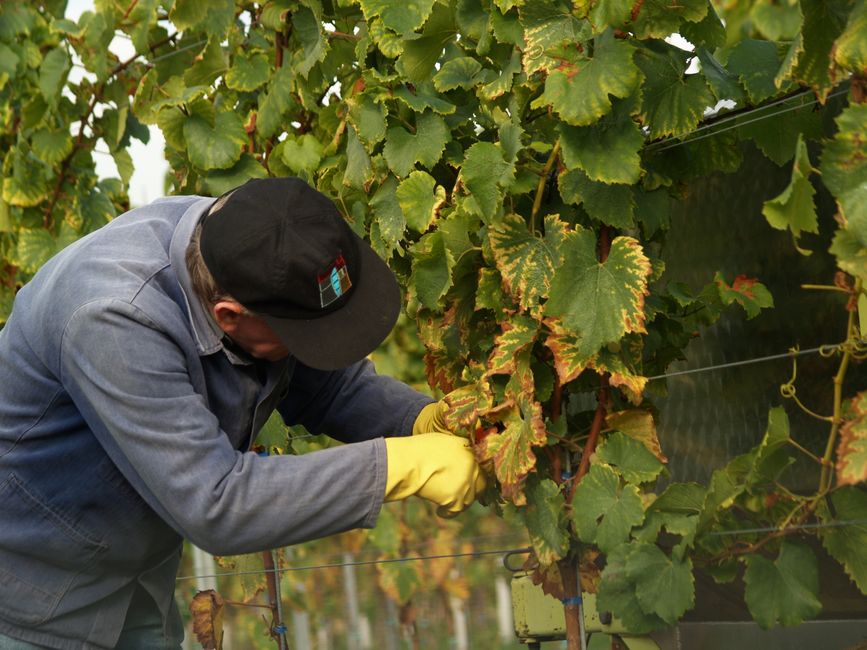
The Challenge: Adapting Established Vineyards to Evolving Demands
Vineyard managers often face a critical dilemma: an established block of vines may no longer align with market demand, exhibit susceptibility to prevalent diseases, or simply underperform. Replanting an entire vineyard block represents a significant investment, typically involving a non-productive period of 3-5 years, substantial labor costs, and the loss of revenue from that acreage. This extended downtime and financial outlay can severely impact profitability and long-term business strategy. The question then becomes: how can a vineyard adapt without incurring the prohibitive costs and delays of full replanting?
Key Insight: Top-working, or field grafting, offers a viable alternative to replanting, allowing for varietal changes or disease resistance upgrades on existing rootstock, significantly reducing the non-productive period and associated costs.
When to Consider Top-Working
Strategic top-working is not a universal solution but a powerful tool for specific scenarios. Careful evaluation of the existing block is paramount.
Ideal Conditions for Top-Working:
- Healthy Rootstock: The existing vines must be vigorous and free from systemic diseases (e.g. Pierce's Disease, Grapevine Leafroll Virus) that could compromise the new scion. Rootstocks typically 5-20 years old are ideal, possessing well-developed root systems.
- Market Shift: A significant shift in consumer preference or contract demand for a new varietal.
- Disease or Pest Pressure: When the current varietal is highly susceptible to localized diseases or pests that a new scion varietal is known to resist.
- Improved Clone Performance: Upgrading to a superior clone of the same varietal for better yield, quality, or disease resistance.
- Economic Viability: The projected cost savings and faster return to production outweigh the costs of grafting and initial care.
| Factor | Ideal for Top-Working | Consider Replanting |
|---|---|---|
| Rootstock Health | Vigorous, disease-free | Weak, diseased, poor vigor |
| Vine Age | 5-20 years old | Very young (<5 years) or very old (>25 years) |
| Varietal Change | Moderate to significant shift | Major genetic incompatibility |
| Time to Production | Target 1-3 years | Acceptable 3-5+ years |
Example Scenario (Hypothetical):
A vineyard block of Cabernet Sauvignon, planted 12 years ago on 3309C rootstock, consistently produces high yields but the market for this particular clone has softened. Simultaneously, demand for high-quality Pinot Noir is surging. Top-working this healthy block to a suitable Pinot Noir clone could allow for a return to partial production within 2 years and full production by year 3-4, potentially saving significant initial capital outlay compared to ripping out and replanting.
The Top-Working Process: A Step-by-Step Guide
Successful top-working demands precision and timely execution, typically performed during late winter dormancy or early spring just before bud break when sap flow is initiating.
- Scion Wood Selection and Preparation:
- Collect scion wood from healthy, dormant vines of the desired varietal/clone. Wood should be 1-year-old, pencil-sized (approx. 0.25-0.35 inches diameter).
- Store scions at 34-40°F (1-4°C) with high humidity until grafting.
- Prepare scions immediately before grafting, cutting them into 2-3 bud sections.
- Rootstock Preparation:
- Cut the existing vine trunk cleanly, typically 6-12 inches above the soil line, using a sharp pruning saw (e.g. Felco 600). Ensure the cut surface is smooth.
- For most common grafts (e.g. Cleft Graft, Bark Graft), make a vertical incision 1.5-2 inches deep into the rootstock.
- Safety Note: Always use sharp, sterilized tools (e.g. Victorinox grafting knife) and wear appropriate safety gloves and eye protection.
- Grafting Execution:
- Prepare the scion by cutting a wedge shape on its base, ensuring one side is slightly thicker than the other to maximize cambial contact.
- Insert the scion into the rootstock incision, aligning the cambium layers of both the scion and the rootstock. This alignment is critical; even a 1mm offset can reduce success. Aim for 100% cambial contact on at least one side.
- For larger rootstocks, multiple scions (e.g. 2-4) can be inserted around the perimeter.
- Securing and Sealing:
- Bind the graft tightly with specialized grafting tape (e.g. Buddy Tape, Parafilm M) to hold the scion in place and prevent desiccation.
- Apply grafting wax or sealant (e.g. Tanglefoot Tree Wound Pruning & Grafting Seal) over all exposed cuts, including the top of the scion, to prevent moisture loss and pathogen entry.
- Post-Grafting Care and Troubleshooting:
- Shoot Management: Monitor for rootstock suckers and remove them promptly (weekly for the first 8-12 weeks) to direct energy to the scion.
- Weed Control: Maintain a weed-free zone around the grafted vine.
- Irrigation: Ensure adequate soil moisture, especially during dry periods, to support callus formation.
- Common Mistake: Inadequate sealing leads to scion desiccation. Re-apply wax if cracks appear.
- Troubleshooting Poor Callus: If initial buds fail to push, inspect the graft union. Poor cambial contact or desiccation are common causes. Success rates typically range from 70-90% under optimal conditions.
Example Scenario (Hypothetical):
A vineyard block of Chardonnay, 15 years old, is showing increasing susceptibility to powdery mildew despite rigorous spray programs. A manager decides to top-work to a new, resistant Chardonnay clone. By carefully selecting scion wood, executing cleft grafts during the last week of March when soil temperatures are consistently above 50°F (10°C) and daytime air temperatures are 65-85°F (18-29°C), and meticulously sealing the grafts, they anticipate a 75-85% graft take. This proactive measure aims to reduce fungicide applications and improve fruit quality within two growing seasons.
Actionable Next Steps
For vineyard managers considering top-working, the following immediate actions are recommended:
- Assess Block Health: Conduct a thorough assessment of potential blocks for rootstock health, age, and systemic disease presence. Document findings using vineyard management software like VinoBloc to track individual vine vigor and historical performance.
- Consult with Experts: Engage with viticultural consultants or experienced grafters to evaluate feasibility, recommend appropriate scion-rootstock combinations, and discuss best practices for your specific region and climate.
- Source Scion Wood: Secure certified, disease-free scion wood from reputable nurseries well in advance of the grafting season. Verify varietal and clonal identity.
- Develop a Detailed Plan: Outline the exact timing, grafting method, required equipment, labor allocation, and post-grafting care schedule. Include contingency plans for potential issues.
- Monitor and Document: After grafting, rigorously monitor graft take, scion growth, and overall vine health. Utilize VinoBloc for detailed record-keeping of graft dates, success rates, and subsequent vine development to inform future decisions and optimize management practices.
Implementation Timeline: Planning and scion sourcing should begin 6-12 months before the target grafting window (late winter/early spring). Grafting itself is a concentrated effort over 2-4 weeks. Post-grafting care is continuous for the first 1-2 growing seasons.
Success Metrics: A successful top-working project is indicated by a graft take rate exceeding 70%, healthy scion growth allowing for initial crop in year 2 or 3, and a return to economically viable yields and quality within 3-4 years post-grafting.
VinoBloc Team
Vineyard Management Experts
Ready to Transform Your Vineyard Management?
See how VinoBloc can help you streamline block-level data and harvest decisions.