Vineyard Irrigation: 5 Critical Reasons Vines Still Look Stressed
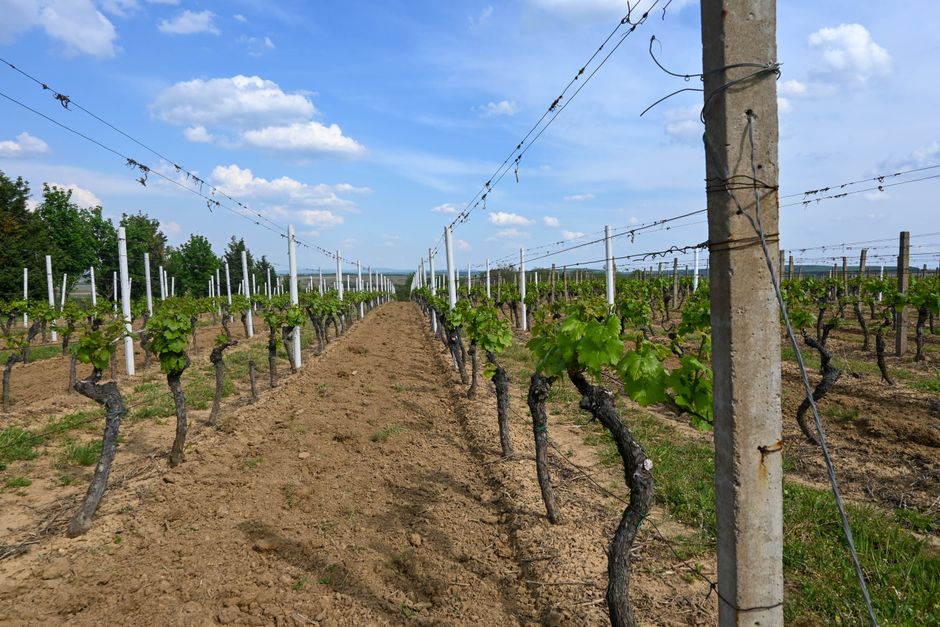
You've invested in a robust irrigation system, meticulously scheduled applications, and observed all the best practices. Yet, your vines still exhibit signs of stress – wilting, stunted growth, or premature defoliation. This persistent stress, despite apparent irrigation, can lead to significant economic consequences, including reduced fruit quality, compromised yield potential, and long-term vine health decline. Identifying the root cause is paramount to protecting your investment and ensuring consistent, high-quality production.
5 Reasons Vines Might Still Look Stressed Despite Irrigation
Experienced vineyard managers understand that effective irrigation goes beyond simply turning on the water. A thorough investigation into potential system and environmental discrepancies is essential.
1. Inconsistent Emitter Performance
Even the most advanced drip systems can develop localized issues that prevent water from reaching the vine's root zone uniformly. This is a common culprit for patchy stress symptoms.
- Problem: Clogged emitters, pressure variations along the dripline, or physically damaged emitters. A single 0.5 GPH emitter, if partially blocked, may deliver only 0.2 GPH, leading to localized drought conditions.
- Troubleshooting:
- Visual Inspection: Walk rows during irrigation. Look for dry spots around vine bases or visibly reduced water flow from emitters.
- Flow Rate Testing: Collect water from 10-20 emitters per block into graduated cylinders for a set time (e.g. 5 minutes). Compare actual flow to the specified emitter rate (e.g. 0.5 GPH or 1.9 LPH). A variance exceeding 10% indicates an issue.
- Pressure Checks: Use a pressure gauge at the beginning, middle, and end of a dripline. Target pressure should be consistent, typically between 15-20 PSI (103-138 kPa), for pressure-compensating emitters to function optimally.
- Safety Consideration: Always depressurize the irrigation system before attempting to clear blockages or replace emitters.
2. Inadequate System Pressure or Flow
A well-designed system can underperform due to issues with its primary components, affecting water delivery across entire blocks or zones.
- Problem: Undersized mainlines, significant leaks in primary infrastructure, pump malfunctions, or clogged main filters can reduce overall system pressure and flow. This can result in insufficient water volume reaching the driplines, even if individual emitters appear to be functioning.
- Troubleshooting:
- Master Pressure Gauge: Monitor pressure at the pump or main manifold. A sudden drop may indicate a major leak or pump issue.
- Flow Meter Readings: Compare actual flow meter readings against the system's design specifications for each block. Significant discrepancies point to system-wide problems.
- Leak Detection: Systematically inspect mainlines and sub-mains for visible leaks, especially at fittings and valves.
- Common Mistake: Assuming the pump is delivering its rated capacity without verifying actual flow and pressure at the distribution points.
3. Incorrect Soil Moisture Monitoring & Scheduling
Surface wetting does not guarantee root zone penetration. Accurate monitoring is crucial for effective irrigation scheduling.
- Problem: Soil moisture sensors placed too shallowly, or reliance solely on visual observation, can lead to over- or under-irrigation. Water may not be reaching the primary root zone, typically 18-24 inches (45-60 cm) deep for mature vines.
- Troubleshooting:
- Sensor Placement Verification: Confirm soil moisture probes (e.g. tensiometers, TDR, capacitance probes) are installed at relevant root depths (e.g. 18", 36"). Recalibrate sensors annually.
- Shovel Test: Periodically dig a small soil pit near a stressed vine to visually inspect moisture levels at various depths after an irrigation event. The soil should feel moist but not saturated at the target root depth.
- Data Analysis: Utilize vineyard management software like VinoBloc to integrate soil moisture data with irrigation schedules, weather forecasts, and vine stress indicators (e.g. midday stem water potential).
- A vineyard manager observes wilting, but surface soil is damp. A shovel test reveals dry soil below 10 inches, indicating insufficient irrigation duration to reach deeper roots.
4. Root Zone Limitations or Damage
Even with perfect water delivery, damaged or restricted root systems cannot absorb moisture effectively.
- Problem: Soil compaction, root diseases (e.g. phylloxera, nematodes), physical damage from cultivation, or shallow/rocky soil profiles can limit the vine's ability to access available water.
- Troubleshooting:
- Soil Pit Analysis: Dig a soil pit (e.g. 3 ft x 3 ft x 3 ft) near stressed and healthy vines. Observe root distribution, depth, and any signs of compaction layers or disease. Healthy roots should extend 2-4 feet (60-120 cm) or more.
- Nematode/Disease Testing: Collect soil and root samples for laboratory analysis if root diseases or pests are suspected.
- Visual Root Inspection: Look for galls, lesions, or stunted/discolored roots.
- Consequence: Vines in compacted or diseased areas may appear stressed despite adequate irrigation because their root systems are functionally impaired.
5. Non-Water Stressors Mimicking Drought
Many other abiotic and biotic factors can present symptoms identical to water stress, leading to misdiagnosis.
- Problem: Nutrient deficiencies (e.g. potassium, magnesium), heat stress, pest infestations (e.g. spider mites, leafhoppers), or fungal diseases (e.g. powdery mildew, trunk diseases) can all cause wilting, chlorosis, and general vine decline.
- Troubleshooting:
- Leaf Tissue Analysis: Conduct periodic leaf tissue sampling (e.g. at veraison) to assess nutrient status. Compare results against optimal ranges for your varietal.
- Pest and Disease Scouting: Regularly scout vineyards for signs of pests or diseases. Look for insects, webbing, lesions, or unusual leaf discoloration not attributable to water.
- Weather Data Review: Analyze recent temperature spikes, prolonged heatwaves, or high winds, which can induce temporary stress even with sufficient soil moisture.
- Vines show interveinal chlorosis and marginal leaf burn, initially suspected as water stress. A leaf tissue analysis reveals severe potassium deficiency, requiring targeted fertigation.
Effective vineyard management requires a holistic approach. When irrigation appears to be failing, a systematic investigation into both the system's mechanics and the vine's environment is crucial.
Actionable Next Steps for Vineyard Managers
To address persistent vine stress, implement the following actions immediately:
- Perform a Full Irrigation System Audit: Within the next 7 days, visually inspect every dripline and test emitter flow rates across representative blocks. Repair or replace faulty components.
- Verify Soil Moisture Sensor Accuracy and Placement: Over the next 48 hours, conduct shovel tests to correlate actual soil moisture with sensor readings. Adjust sensor depth or recalibrate as needed to ensure readings reflect the active root zone.
- Conduct Diagnostic Sampling: Within 14 days, collect leaf tissue samples from stressed vines for nutrient analysis and soil/root samples for nematode or disease testing.
- Integrate Data for Informed Decisions: Utilize vineyard management platforms like VinoBloc to centralize irrigation schedules, sensor data, and scouting reports for comprehensive analysis.
Implementation Timeline: Initiate these steps within 1-2 weeks. Ongoing monitoring should be part of weekly vineyard operations.
Success Metrics: Look for improved midday stem water potential readings (e.g. returning to -0.8 to -1.2 MPa for moderate stress) within 2-4 weeks, more uniform vine growth across blocks, and a reduction in visible stress symptoms.
By diligently investigating these common issues, vineyard managers can move beyond surface-level solutions and ensure their irrigation efforts translate into healthy, productive vines.
VinoBloc Team
Vineyard Management Experts
Ready to Transform Your Vineyard Management?
See how VinoBloc can help you streamline block-level data and harvest decisions.