
Vineyard Soil pH: Precision Testing & Amendment Strategies for Managers
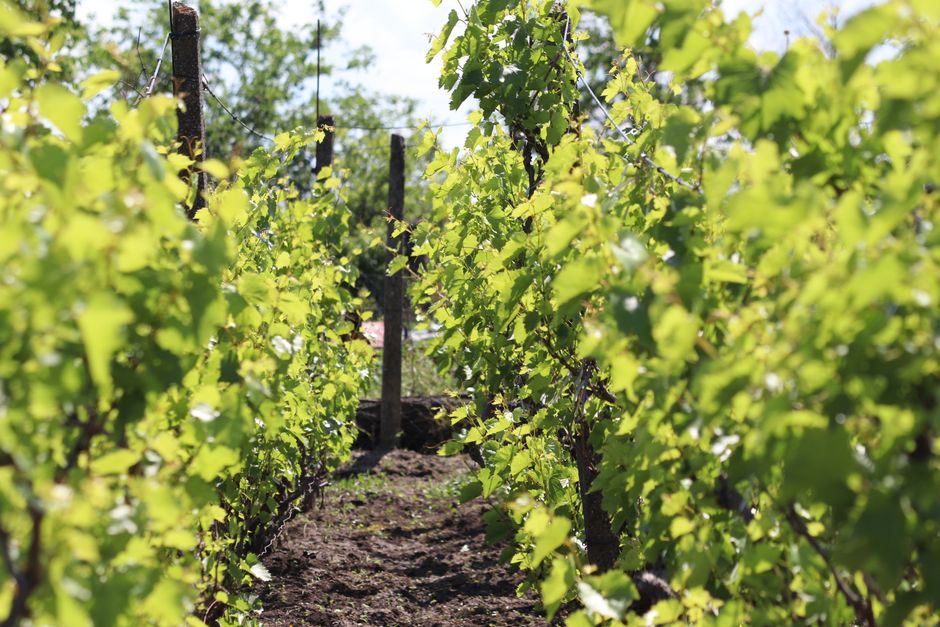
The Silent Drain: Why Soil pH Matters in Your Vineyard
Suboptimal soil pH is a pervasive challenge for vineyard managers, often silently compromising vine health and profitability. When soil pH drifts outside the ideal range of 5.5 to 6.5 for most Vitis vinifera cultivars, essential nutrients like phosphorus, potassium, and micronutrients become less available for uptake, even if present in the soil. This nutrient lockout leads to stunted growth, reduced vigor, increased susceptibility to disease, and ultimately, diminished grape quality and yield. The cumulative effect can significantly impact a vineyard's long-term economic viability, manifesting as lower fruit Brix, poor color development, and compromised phenolic maturity.
When to Test: Strategic Timing for Optimal Management
Timely and accurate soil pH testing is the cornerstone of effective management. Two primary windows offer the best opportunities for assessment:
- Post-Harvest (Late Fall/Early Winter): This is the ideal time for comprehensive soil sampling. Vines are dormant, and nutrient cycling has slowed, providing a stable baseline. Testing post-harvest allows ample time for lab analysis and for any necessary amendments, such as lime, to begin integrating into the soil profile before the next growing season. This timing ensures amendments have several months to react and modify pH before bud break.
Expert Tip: Aim to collect samples after leaf drop but before significant winter rainfall or snowfall, which can affect soil moisture and nutrient distribution.
- Pre-Bud Break (Early Spring): A targeted pre-bud break test can serve as a crucial check, especially if significant amendments were applied post-harvest. This confirms the efficacy of previous applications and identifies any localized areas requiring immediate attention. This timing is also critical for assessing available nutrient levels before the period of rapid vine growth.
Sampling Specifications
For accurate results, follow these guidelines:
- Depth: Collect samples from two depths: 0-6 inches (surface activity) and 6-12 inches (root zone activity). In established vineyards, deeper samples (up to 24 inches) can be beneficial for understanding subsoil conditions.
- Frequency: Test each block every 3-5 years, or annually in blocks with known pH issues or after significant amendment applications.
- Method: Use a clean soil probe or auger. Collect 15-20 subsamples per block (or per 5-acre section) in a zigzag pattern, thoroughly mixing them to create a composite sample. Avoid sampling near roads, headlands, or irrigation emitters.
- Equipment: Utilize a reputable agricultural lab for comprehensive analysis, requesting pH, buffer pH, organic matter, and major/minor nutrient levels. For quick in-field checks, a high-quality portable pH meter (e.g. a Hanna Instruments HI981030 or Apera Instruments AI316) can provide immediate readings, but these should always be corroborated with lab results.
What to Do: Strategic Amendment and Management
Once lab results confirm a pH imbalance, a targeted amendment strategy is essential.
1. Interpreting Lab Results and Calculating Amendments
The lab report will provide current soil pH and, crucially, buffer pH. Buffer pH is used to calculate the lime requirement, indicating the soil's resistance to pH change. Soils with high clay or organic matter content have higher buffering capacity and require more lime to achieve the desired pH shift.
| Grape Variety | Optimal Soil pH Range |
|---|---|
| Vitis vinifera (e.g. Chardonnay, Pinot Noir) | 5.5 - 6.5 |
| Hybrids (e.g. Concord, Niagara) | 5.0 - 6.5 |
For acidic soils (pH below 5.5), agricultural lime (calcium carbonate) is the most common amendment. The application rate will depend on the current pH, target pH, buffer pH, and soil texture. A typical recommendation for raising pH by 1.0 unit in a sandy loam soil might range from 1-2 tons/acre, while a clay loam could require 3-5 tons/acre or more. Always follow the lab's specific recommendations.
Example scenario: A vineyard block of Pinot Noir shows a soil pH of 4.9 with a buffer pH of 6.2. The lab recommends applying 3 tons/acre of calcitic lime to reach a target pH of 6.0 over 12-18 months. The manager plans a split application to avoid excessive nutrient shock.
2. Selecting the Right Amendment
- Calcitic Lime (Calcium Carbonate): Primarily raises pH and supplies calcium. Ideal for soils with adequate magnesium levels.
- Dolomitic Lime (Calcium Magnesium Carbonate): Raises pH and supplies both calcium and magnesium. Useful for soils deficient in magnesium.
- Gypsum (Calcium Sulfate): Does NOT significantly alter pH but can improve soil structure in sodic soils by displacing sodium with calcium.
3. Application Techniques and Timing
Lime is most effective when incorporated into the soil. For established vineyards, surface application is common, followed by irrigation or rainfall to help move it into the root zone. Broadcast spreaders are typically used. Apply amendments post-harvest for maximum efficacy before spring growth.
Common Mistake: Applying too much lime at once can cause nutrient imbalances, particularly with micronutrients like iron and manganese. Split applications (e.g. half the recommended rate in the fall, the other half the following fall) are often preferable for significant pH adjustments.
4. Post-Application Monitoring
Re-test soil pH 6-12 months after application to assess the change and determine if further adjustments are needed. Track all soil test results and amendment applications using a robust vineyard management platform like VinoBloc to monitor long-term trends and optimize future strategies.
Example scenario: After applying 2 tons/acre of dolomitic lime to a Merlot block with an initial pH of 5.1, the manager re-tests 8 months later. The pH has risen to 5.7, indicating good progress, but still slightly below the 6.0 target. They decide to monitor for another season before considering a smaller follow-up application.
Safety Considerations
When handling lime, always wear appropriate Personal Protective Equipment (PPE), including dust masks, eye protection, gloves, and long sleeves, as lime dust can be irritating to skin and respiratory passages.
Actionable Next Steps for Vineyard Managers
To proactively manage vineyard soil pH and ensure optimal vine health:
- Schedule Fall Soil Sampling: Prioritize comprehensive soil sampling for all vineyard blocks immediately post-harvest this year.
- Analyze and Interpret: Send samples to a certified lab and carefully review results, paying close attention to pH, buffer pH, and nutrient levels.
- Develop an Amendment Plan: Based on lab recommendations, calculate precise lime or other amendment requirements for each block, considering split applications for larger adjustments.
- Implement and Track: Apply amendments as recommended, ideally before winter. Record all application details, including dates, rates, and products, within your vineyard management system, such as VinoBloc, for historical analysis.
- Monitor and Re-evaluate: Plan follow-up soil tests 6-12 months post-application to assess progress and refine your long-term pH management strategy.
Implementation Timeline: Immediate action for fall sampling, amendment application within 4-6 weeks of receiving lab results, and re-testing within the next growing season. Success Metrics: Stable soil pH within the target range (5.5-6.5), improved vine vigor and canopy health, consistent nutrient uptake as evidenced by petiole analysis, and enhanced grape quality metrics (Brix, pH, TA, phenolics).
VinoBloc Team
Vineyard Management Experts
Ready to Transform Your Vineyard Management?
See how VinoBloc can help you streamline block-level data and harvest decisions.