Vineyard Winter Pruning: A Master Guide for Optimal Yield and Vine Health
The Critical Challenge of Unbalanced Winter Pruning
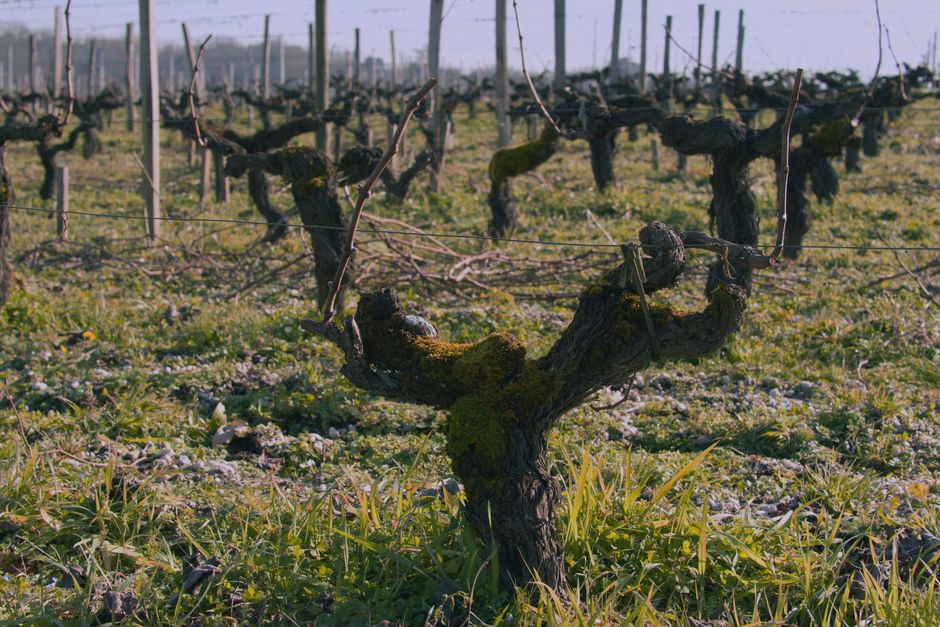
For experienced vineyard managers, the dormant season presents a pivotal opportunity: winter pruning. However, inadequate or inconsistent pruning practices can lead to significant long-term problems. Unbalanced vines often exhibit erratic shoot growth, poor fruit set, and uneven ripening, directly impacting wine quality and market value. The financial repercussions are substantial, manifesting as increased labor costs for summer canopy management, heightened susceptibility to diseases requiring more intensive treatments, and ultimately, diminished yields or a reduced price per ton for inconsistent fruit. When vines are not pruned optimally, their productive lifespan can shorten, necessitating costly replanting sooner than anticipated. You, as a vineyard manager, understand that precision in winter pruning is not merely a task but a strategic investment in the vineyard's future profitability and sustainability.
Understanding the Science of Dormant Pruning
Winter pruning, also known as dormant pruning, is performed after leaf fall and before bud swell, typically when the vine is in its deepest dormancy. This timing is crucial as it minimizes sap bleeding and reduces the risk of disease entry through fresh wounds. The primary goals are to establish vine balance, regulate crop load, maintain vine structure, and facilitate efficient vineyard operations.
Key Specifications for Optimal Winter Pruning
Precision in pruning relies on adherence to specific parameters. These guidelines help ensure vine health and consistent production.
| Parameter | Specification/Range | Rationale |
|---|---|---|
| Timing | Post-leaf fall, pre-bud swell. Typically December-February in Northern Hemisphere. | Minimizes sap bleed, reduces disease risk, allows for cold hardiness assessment. |
| Temperature | Above -5°C (23°F) during pruning. | Prevents wood shattering and excessive tissue damage. |
| Bud Load (Canes) | 8-12 buds per cane, 20-60 buds per vine (variety dependent). | Balances vigor and yield, prevents overcropping or undercropping. |
| Bud Load (Spurs) | 2-3 buds per spur. | Maintains cordon structure, promotes consistent shoot development. |
| Cuts | Clean, smooth, 2-3 cm (1 inch) above the last bud, angled away from the bud. | Promotes rapid healing, prevents water pooling, reduces disease entry. |
| Tool Sterilization | After each vine (especially for diseased vines) or at least after each block, using 70% ethanol or a 10% bleach solution. | Prevents spread of trunk diseases (e.g. Eutypa, Esca). |
Essential Pruning Equipment
- Hand Pruners: Bypass-style pruners (e.g. Felco F2, Bahco PXR-M2) for canes up to 2.5 cm (1 inch) in diameter. Ensure blades are sharp and clean.
- Loppers: For larger cuts up to 5 cm (2 inches). Bypass loppers are preferred for cleaner cuts.
- Pruning Saw: Folding or fixed-blade saw for removing large, dead, or diseased wood.
- Safety Gear: Heavy-duty gloves, safety glasses, and sturdy footwear are mandatory.
- Sterilization Solution: 70% isopropyl alcohol or a 10% bleach solution in a spray bottle or dip container.
- Tie Wire/Tape: For tying down canes in cane-pruned systems.
- Powered Pruners (Optional): For large operations, electric or pneumatic pruners (e.g. Pellenc 2500, F3020) can significantly increase efficiency but require strict safety protocols.
Complete Step-by-Step Winter Pruning Process
A systematic approach ensures consistency and efficacy across the vineyard.
Step 1: Pre-Pruning Assessment and Safety
- Vine Health Evaluation: Before beginning, walk through the block. Assess general vine vigor, identify any diseased or weak vines, and note areas of concern. This informs individual vine pruning decisions. Record observations using a vineyard management platform like VinoBloc to track vine performance year-over-year.
- Tool Preparation: Ensure all pruning tools are sharpened, clean, and in good working order. Sharpen blades to a fine edge.
- Personal Protective Equipment (PPE): Always wear appropriate PPE, including cut-resistant gloves, eye protection, and robust clothing.
Step 2: Remove Dead, Damaged, or Diseased Wood
- Initial Clean-up: Begin by removing all dead, broken, or clearly diseased wood. Make cuts into healthy tissue, ensuring no infected material remains.
- Sterilization Protocol: After each cut into potentially diseased wood, immediately sterilize your pruning shears with a 70% ethanol solution or a 10% bleach solution to prevent pathogen spread. This is especially critical for diseases like Eutypa dieback or Esca.
Step 3: Select and Position Fruiting Wood (Cane vs. Spur Pruning)
Cane Pruning (e.g. Vitis vinifera varieties like Pinot Noir, Riesling)
- Cane Selection: Identify 1-2 (or more, depending on system) healthy, well-positioned canes from last year's growth (one-year-old wood). Canes should be approximately pencil-diameter (8-12 mm), show good internode spacing, and originate from near the head of the vine or the previous year's renewal spur.
- Renewal Spur Selection: Select a cane originating lower down on the head or cordon to serve as a 1-2 bud renewal spur for the following year. This ensures a continuous supply of fruiting wood close to the trunk.
- Cane Length: Prune fruiting canes to 8-12 buds, depending on variety vigor and desired crop load. Longer canes (12+ buds) are for highly vigorous vines or those requiring a larger crop.
- Tie-Down: Carefully tie selected canes to the cordon wire, ensuring even distribution of buds and minimizing sharp bends that can cause breakage.
Spur Pruning (e.g. Vitis vinifera varieties like Cabernet Sauvignon, Chardonnay)
- Spur Selection: Identify well-placed, one-year-old shoots along the cordon. These should be evenly spaced, approximately 10-15 cm (4-6 inches) apart.
- Spur Length: Prune each selected shoot back to 2-3 buds. The lowest bud should be positioned to grow upwards.
- Old Spur Removal: Remove any old, woody spurs that have become too long or unproductive. Aim to maintain a compact, healthy spur system close to the cordon.
Step 4: Execute Clean and Precise Cuts
- Angle of Cut: Make cuts at a slight angle (approximately 45 degrees) to allow water to run off, preventing disease entry.
- Distance from Bud: For cane or spur pruning, make the cut 2-3 cm (approximately 1 inch) above the last desired bud. This provides a buffer zone, protecting the bud from desiccation.
- Sap Flow Consideration: When removing a larger arm or cordon, consider leaving a small stub (2-3 inches) if possible, which can act as a 'sap drawer' to redirect sap flow away from the main trunk wound, potentially reducing the risk of trunk disease infection. This stub can be removed later in the season if it fails to sprout.
Step 5: Balance Crop Load and Vigor
The number of buds retained per vine directly influences future crop load and vine vigor. A general guideline for balancing vigor and yield is the '30+10' rule (30 buds for the first pound of pruning wood, plus 10 buds for each additional pound). However, specific varietal and site vigor must be considered.
Example Scenario (Hypothetical): Balancing a Vigorous Cabernet Sauvignon Block
A vineyard manager observes a block of Cabernet Sauvignon on a fertile site that has historically been over-vigorous, producing excessive canopy and shaded fruit. In previous years, these vines were spur-pruned to 30 buds per vine. To better balance the vines, the manager decides to increase the bud count to an estimated 40-45 buds per vine (retaining 2-3 bud spurs, but increasing the total number of spurs or selecting slightly longer spurs where appropriate). This strategy aims to channel more of the vine's energy into fruit production rather than vegetative growth, potentially reducing the need for extensive summer hedging and improving fruit exposure. The manager will monitor shoot growth and cluster counts in the spring to confirm the balance.
Step 6: Final Inspection and Data Recording
- Review: Conduct a final inspection of each pruned vine to ensure all cuts are clean, buds are correctly positioned, and the vine structure is maintained.
- Data Entry: Record pruning details (e.g. bud count per vine, pruning time per block, observations of vine health) into a vineyard management system like VinoBloc. This data is invaluable for evaluating pruning strategies and informing future decisions.
Example Scenario (Hypothetical): Addressing a Weakened Chardonnay Block
In a Chardonnay block, several vines consistently show weak growth and low yields. Upon inspection, the manager notes that these vines were spur-pruned to 25 buds, similar to more vigorous vines. Recognizing the imbalance, the decision is made to reduce the bud count on these specific weak vines to an estimated 18-20 buds. This reduction aims to concentrate the vine's limited resources into fewer shoots, promoting stronger growth and potentially improving fruit quality, even if it means a slightly lower yield initially. The manager also notes these vines for targeted soil amendments or irrigation adjustments in the upcoming season, tracked via VinoBloc.
Troubleshooting Common Winter Pruning Issues
- Frost Damage: If severe frost damage occurred in late fall/early winter, delay pruning slightly. Assess bud viability by cutting open a few buds; healthy buds will have green tissue. Adjust bud load upwards if significant bud damage is present.
- Diseased Wood: For vines showing symptoms of trunk diseases, prune aggressively to remove all infected wood. Consider applying a wound protectant immediately after pruning, especially for larger cuts.
- Weak Vines: Reduce the bud count on weak vines to promote vegetative growth and recovery. Consider marking these vines for specific remedial actions (e.g. soil analysis, targeted fertilization).
- Over-Vigorous Vines: For vines exhibiting excessive vigor, consider increasing bud load slightly to distribute the vine's energy into more growth points, or explore alternative pruning systems like minimal pruning if suitable for the variety and site.
Actionable Next Steps for Vineyard Managers
Effective winter pruning is an ongoing process that requires continuous evaluation and refinement.
- Refine Pruning Teams: Conduct a post-pruning review with your team. Discuss observations, challenges, and best practices. Consider refresher training on specific cuts or vine assessment techniques before the next season.
- Monitor Spring Bud Break: Closely observe bud break uniformity and shoot emergence in the spring. This provides immediate feedback on the effectiveness of your pruning decisions. Note any patterns of unevenness.
- Track Vine Performance Data: Utilize vineyard management software like VinoBloc to log pruning data, vine vigor observations, and subsequent yield/quality metrics. Analyze this data to identify correlations and optimize future pruning strategies for specific blocks and varieties.
- Plan for Summer Adjustments: Based on early shoot growth, anticipate where summer canopy management (e.g. shoot thinning, hedging, leaf removal) will be most critical. Proactive planning can reduce reactive labor.
- Evaluate Equipment Maintenance: Schedule thorough cleaning, sharpening, and maintenance for all pruning tools immediately after the season concludes. This ensures they are ready for the next dormant period and extends their lifespan.
By meticulously implementing these steps, vineyard managers can leverage winter pruning as a powerful tool to enhance vine health, ensure consistent yields, and ultimately, produce higher quality fruit year after year.
VinoBloc Team
Vineyard Management Experts
Ready to Transform Your Vineyard Management?
See how VinoBloc can help you streamline block-level data and harvest decisions.