
Wasp Nest Protocol: A Vineyard Manager's Action Guide
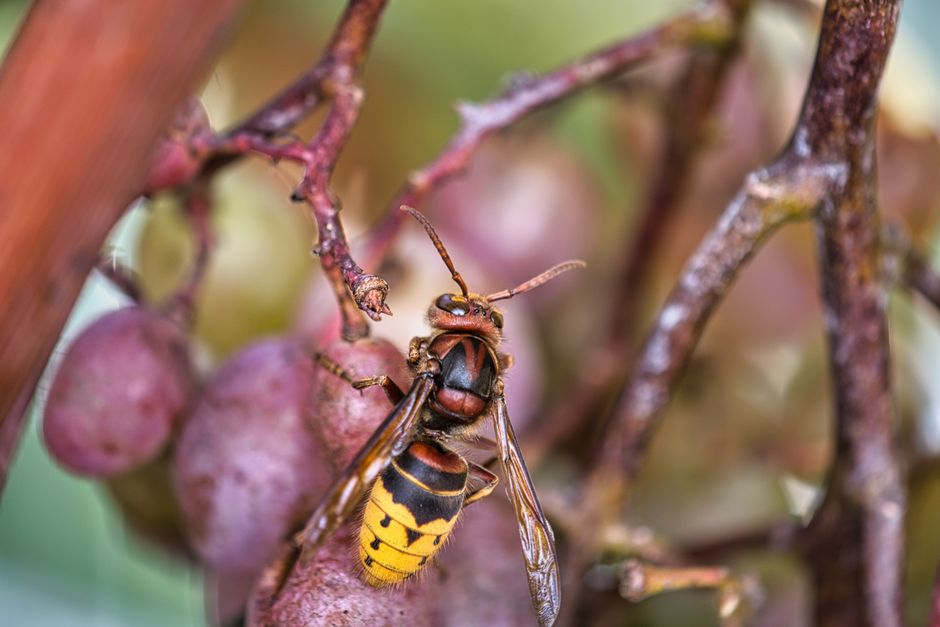
The Immediate Threat: Wasp Nests in the Vineyard
Discovering a wasp nest in your vineyard presents an immediate and significant operational challenge. You face not only the direct risk of stings to your crew, potentially leading to allergic reactions and lost workdays, but also a disruption to critical vineyard operations. Unaddressed, this hazard can result in a tangible cost impact, including diminished labor efficiency, delays in crucial tasks like canopy management or harvesting, and potential medical expenses. Prioritizing swift, safe, and effective mitigation is paramount to maintaining crew safety and operational continuity.
Identifying and Assessing the Nest
Accurate identification and assessment are the first steps in managing a wasp nest. Different species exhibit varying levels of aggression and nest structures.
- Common Vineyard Wasps: Yellowjackets (ground nests, aerial nests in protected cavities), Paper Wasps (umbrella-shaped nests under eaves, trellises), and Hornets (large, enclosed football-shaped nests).
- Detection Timing: Conduct routine inspections, especially during early morning or late afternoon when wasps are less active. Train crew members to identify and report nests immediately upon discovery.
- Buffer Zone: Upon discovery, establish a minimum 20-30 foot exclusion zone around the nest. Mark the area clearly with flagging tape or cones to prevent accidental approach.
Safety Protocols and Equipment
Crew safety is non-negotiable. Proper personal protective equipment (PPE) and emergency readiness are essential.
- Full PPE: Any personnel approaching within the exclusion zone for assessment or removal must wear a full bee suit or equivalent protective gear, including a veiled hood, thick gloves, and ankle-covering footwear.
- Emergency Allergy Kit: Ensure an epinephrine auto-injector (e.g. EpiPen, Auvi-Q) is readily available on-site, along with personnel trained in its administration. Maintain a current list of employee allergies.
- Communication: Establish clear communication protocols. Use two-way radios or mobile phones to ensure immediate contact with supervisors and emergency services if needed.
Step-by-Step Nest Removal Strategy
Execute nest removal with precision and caution, ideally during periods of low wasp activity.
- Isolate and Mark: As soon as a nest is sighted, halt all work in the immediate vicinity. Mark the area with bright, visible flagging tape at a minimum 20-foot radius. Inform all personnel via radio or text.
- Choose Removal Method:
- Chemical Control: For most accessible nests, use a fast-acting, long-range aerosol wasp and hornet killer, such as those containing pyrethroids (e.g. permethrin, cypermethrin). These typically offer a spray range of 15-20 feet, allowing for a safe distance. Apply at dusk or dawn when wasps are in the nest and less active.
- Physical Removal (Caution): For smaller, exposed paper wasp nests, a long-handled tool (e.g. pruning pole) can be used to knock down the nest into a bag, but this carries higher risk of stings. Only attempt with full PPE and backup.
- Professional Pest Control: For large, inaccessible, or aggressive nests (e.g. ground nests, nests within equipment), contracting a licensed pest control professional is the safest and most effective option.
- Execute Removal:
- Don full PPE.
- Approach the nest calmly and steadily, maintaining the maximum safe distance for your chosen spray.
- Directly spray the nest opening or entire structure, ensuring complete saturation. For ground nests, spray directly into the entrance.
- Retreat immediately and observe from a safe distance for at least 30 minutes to confirm activity ceases.
- Post-Removal: After 24-48 hours, wearing basic protective gear, inspect the area to confirm no remaining activity. Remove the deactivated nest if safe to do so, and dispose of it in a sealed bag.
Example Scenario (Hypothetical): Early Season Discovery
During spring shoot thinning, a crew member reports a yellowjacket nest at the base of a vine in Block 3. The vineyard manager immediately stops work in a 50-foot radius, flags the area, and notifies all staff. Recognizing the ground nest's potential for aggression, the manager contacts a local pest control service for professional removal, scheduling it for the following morning at dawn. This decision, while incurring a professional fee, prevents potential stings, avoids crew downtime, and ensures a complete eradication.
Common Mistakes and Consequences
| Mistake | Consequence |
|---|---|
| Attempting removal without full PPE | Multiple stings, potential allergic reaction, emergency medical intervention. |
| Removing during daylight hours | Increased wasp aggression, higher risk of stings, incomplete eradication. |
| Underestimating nest size/aggressiveness | Ineffective removal, re-infestation, prolonged hazard to crew. |
Actionable Next Steps for Vineyard Managers
To proactively manage wasp nest hazards, implement these immediate actions:
- Review and Update SOPs: Within one week, formalize a Wasp Nest Management Protocol, including identification, reporting, safety, and removal procedures. Distribute to all field supervisors.
- Conduct Crew Training: Schedule mandatory training sessions for all field staff within two weeks, covering wasp identification, reporting procedures, and emergency response. Emphasize the importance of maintaining exclusion zones.
- Equip and Stock: By the end of the current month, ensure all relevant crew leaders have access to appropriate PPE and emergency allergy kits. Maintain an inventory of suitable wasp/hornet sprays.
- Integrate Hazard Tracking: Utilize vineyard management software to log nest locations, removal dates, and follow-up inspections. This data helps identify high-risk areas over time. VinoBloc can assist managers in tracking field hazards and operational notes associated with specific blocks or rows.
Key Insight: Proactive monitoring and rapid, safe response are paramount to minimizing operational disruption and ensuring crew safety when wasp nests are encountered. Consistent training and clear protocols prevent incidents and maintain vineyard productivity.
VinoBloc Team
Vineyard Management Experts
Ready to Transform Your Vineyard Management?
See how VinoBloc can help you streamline block-level data and harvest decisions.