Why Your Grapes Are Splitting: Causes and Prevention for Vineyard Managers
Introduction: The Cost of Cracked Grapes
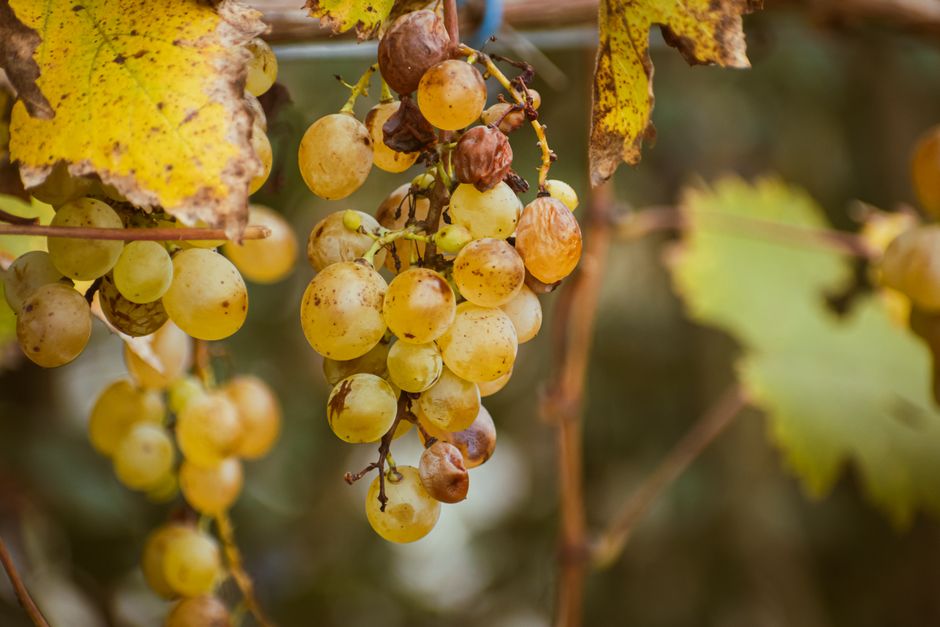
Grape splitting, often observed during veraison or as harvest approaches, presents a significant challenge for vineyard managers. This phenomenon, characterized by compromised berry skin integrity, leads directly to reduced fruit quality, increased susceptibility to secondary infections like Botrytis cinerea and sour rot, and ultimately, substantial economic losses. When a significant portion of a block experiences splitting, the impact extends beyond mere visual defects; it can necessitate costly additional labor for sorting, reduce the market value of the crop, and even render entire lots unusable for premium wine production. Understanding the precise mechanisms behind grape splitting and implementing targeted preventative measures is crucial for maintaining fruit quality and vineyard profitability.
Understanding the Root Causes of Grape Splitting
Grape splitting is rarely attributable to a single factor. Instead, it typically results from a complex interplay of environmental, physiological, and management-related stressors.
1. Imbalanced Water Management
One of the most common and controllable causes is erratic water availability. Sudden, large influxes of water—whether from heavy rainfall or poorly timed irrigation—following a period of water stress can cause a rapid increase in turgor pressure within the berry. If the berry skin's elasticity cannot accommodate this sudden expansion, splitting occurs. This is particularly critical when berries are approaching maturity (Brix 18-24), as skin elasticity naturally decreases.
2. Berry Skin Elasticity and Development
The inherent elasticity and strength of the grape skin play a critical role. Some varietals, such as Zinfandel, Grenache, and certain clones of Pinot Noir, are naturally more prone to splitting due to thinner skins or a genetic predisposition for reduced elasticity. Nutritional deficiencies, particularly calcium and boron, can further compromise skin integrity. Calcium is vital for cell wall structure, while boron is essential for cell wall synthesis and calcium uptake.
3. Climatic Factors and Environmental Stress
Beyond direct rainfall, other climatic conditions contribute to splitting. High humidity, heavy dew, and rapid temperature fluctuations can exacerbate the problem by affecting the skin's turgor and overall integrity. Hail damage, while an obvious physical cause, can also create micro-fissures that predispose berries to splitting even with minor turgor changes.
4. Pest and Disease Pressure
Existing damage from pests or diseases significantly weakens the berry skin. Infections such as powdery mildew (Erysiphe necator) or early stages of Botrytis can create microscopic lesions, making the berry highly susceptible to splitting under turgor stress. Insect feeding, even minor, can also compromise the skin barrier.
Proactive Prevention Strategies: A Multi-pronged Approach
Effective prevention requires a holistic strategy that addresses each contributing factor.
1. Precision Irrigation Management
Implementing a sophisticated irrigation strategy is paramount.
- Implement Soil Moisture Monitoring: Utilize advanced soil moisture sensors (e.g. capacitance probes like Sentek Drill & Drop, or tensiometers) placed at various root depths (e.g. 12, 24, 36 inches). Monitor soil water potential, aiming to maintain it within a consistent, moderate range, such as -40 to -60 kPa for tensiometers, or 40-60% plant available water (PAW) for capacitance probes, especially from veraison through harvest.
- Develop a Dynamic Irrigation Schedule: Base irrigation decisions on real-time soil moisture data, evapotranspiration (ETc) rates, and vine water status (e.g. pressure bomb readings). Avoid reactionary irrigation.
- Avoid Large, Infrequent Water Events: Deliver smaller, more frequent irrigation applications to prevent extreme fluctuations in soil moisture. For instance, rather than applying 1.5 inches every two weeks, consider 0.5 inches every 3-4 days during peak demand, adjusting based on sensor feedback.
A vineyard manager observes soil moisture dropping to 25% PAW after a 10-day dry spell post-veraison. Instead of delivering a full 1.5-inch irrigation to bring it back to 70%, a more prudent approach would be to apply 0.5 inches, monitor soil recovery over 24-48 hours, and then apply another 0.5 inches if needed, thereby gradually rehydrating the soil and vine without shocking the berries.
2. Optimized Canopy Management
Strategic canopy management improves air circulation and moderates berry temperature and humidity.
- Strategic Leaf Removal: Conduct targeted leaf removal in the fruit zone immediately post-fruit set or at early veraison. The goal is to achieve dappled sunlight exposure, not direct sun, which can cause sunburn. Aim for optimal light penetration and air movement around clusters, achieving dappled sunlight exposure.
- Shoot Thinning and Positioning: Ensure proper shoot density (e.g. 4-6 shoots per foot of cordon) and upright positioning to maximize air flow and reduce humidity within the canopy, especially in varieties prone to tight clusters.
3. Nutritional Fortification
Address specific nutrient deficiencies that impact skin integrity.
- Annual Tissue Analysis: Conduct petiole or leaf tissue analysis annually at key phenological stages, such as bloom and veraison, to identify deficiencies.
- Targeted Nutrient Application: If deficiencies are identified, apply foliar calcium (e.g. calcium chloride at 5-10 lbs/acre) and/or boron (e.g. Solubor at 0.5-1 lb/acre) pre-veraison. Multiple applications at lower rates may be more effective than a single high-rate application.
4. Disease and Pest Control
Maintain robust pest and disease management programs.
- Integrated Pest Management (IPM): Implement a comprehensive IPM program to minimize damage from insects and fungal pathogens.
- Timely Fungicide Applications: Adhere to a preventative fungicide spray schedule for powdery mildew and Botrytis, particularly from bloom through bunch closure and pre-veraison. Rotate fungicides with different modes of action (e.g. FRAC groups 3, 7, 11) to prevent resistance.
5. Varietal Selection and Rootstock
For new plantings or replant decisions, consider varietal susceptibility.
| Susceptibility Level | Common Varietals | Key Characteristics |
|---|---|---|
| High | Zinfandel, Grenache, Pinot Noir (some clones), Thompson Seedless | Thinner skins, tight clusters, rapid sugar accumulation |
| Moderate | Merlot, Syrah, Sauvignon Blanc | Medium skin thickness, moderate cluster compactness |
| Low | Cabernet Sauvignon, Riesling, Chardonnay | Thicker skins, looser clusters, more resilient |
Rootstock choice can also influence water uptake and vine vigor, indirectly affecting splitting risk. Consult with viticultural experts for site-specific recommendations.
Troubleshooting and Immediate Actions When Splitting Occurs
Identifying the Onset
Regular, thorough vineyard scouting is critical, particularly after significant rain events or periods of high humidity. Pay close attention to blocks known for water retention issues or those with susceptible varietals. Early detection allows for quicker response.
Mitigating Further Damage
- Adjust Irrigation: If splitting is linked to recent irrigation, immediately reduce or cease water application to prevent further turgor pressure buildup.
- Enhance Air Circulation: If safe and practical, consider minimal additional leaf removal in the cluster zone to promote drying and reduce humidity, but exercise caution to avoid sunburn on exposed berries.
- Disease Control: Intensify scouting for secondary infections (Botrytis, sour rot) and apply appropriate, harvest-interval-compliant fungicides or biological controls if necessary to prevent rapid spread.
Common Mistake: A frequent error is to overcompensate for perceived water stress by applying excessive irrigation after a dry spell, especially close to harvest. This often triggers severe splitting. Instead, gradual rehydration is key.
Leveraging Technology for Prevention
Modern vineyard management software can be instrumental in preventing grape splitting by integrating various data points.
Data-Driven Decisions
Integrating data from soil moisture sensors, weather stations, and vine phenology tracking allows for predictive modeling and precise interventions. Platforms like VinoBloc enable vineyard managers to centralize irrigation logs, weather forecasts, spray records, and scouting observations. This holistic view helps identify correlations between environmental conditions, management practices, and splitting events, allowing for proactive adjustments.
A vineyard manager using VinoBloc reviews historical data and observes a consistent pattern: blocks irrigated with more than 1 inch of water within 48 hours of a predicted rain event (exceeding 0.5 inches) during veraison show a 15-20% higher incidence of splitting compared to blocks with more conservative irrigation. This insight leads to a revised irrigation protocol to cease irrigation 72 hours prior to significant rain forecasts.
Actionable Next Steps for Your Vineyard
To minimize grape splitting and protect your harvest, consider implementing these immediate actions:
- Review and Calibrate Irrigation Systems: Within the next 2 weeks, conduct a thorough audit of your irrigation system for uniformity and efficiency. Calibrate flow rates and emitter output. Success Metric: Soil moisture sensor data shows consistent water distribution across blocks, with less than 10% variation in target moisture levels.
- Conduct Comprehensive Tissue Analysis: Schedule petiole or leaf tissue analysis for the next growing season, specifically at bloom and veraison, to proactively identify and address nutrient deficiencies. Success Metric: All key nutrient levels (e.g. Calcium, Boron) fall within optimal ranges (e.g. Calcium > 1.0%, Boron 25-50 ppm) as per lab recommendations.
- Refine Canopy Management Protocols: Annually, beginning at fruit set, review and adjust leaf removal and shoot positioning strategies based on varietal vigor and site-specific microclimates. Success Metric: Visual inspection confirms optimal light penetration and air circulation within the fruit zone, with reduced humidity readings.
- Integrate Advanced Monitoring Tools: Evaluate and implement soil moisture sensors and weather stations across critical blocks within the next 3-6 months. Integrate this data into a vineyard management platform like VinoBloc. Success Metric: Real-time, actionable data informs at least 75% of irrigation and canopy management decisions.
VinoBloc Team
Vineyard Management Experts
Ready to Transform Your Vineyard Management?
See how VinoBloc can help you streamline block-level data and harvest decisions.