Boosting Brix: Achieving 2-3 Point Sugar Gains Without Prolonging Harvest
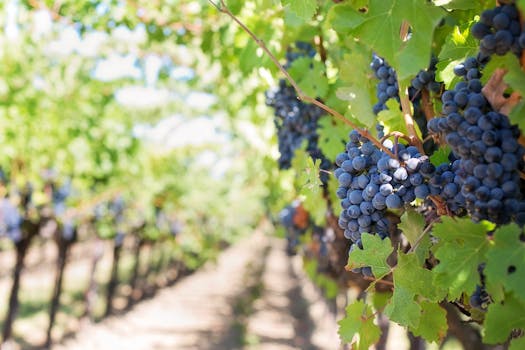
In the relentless pursuit of wine quality, vineyard managers continually seek innovative strategies to optimize fruit ripeness. A critical metric in this endeavor is Brix, a measure of sugar content in grape must. While waiting for extended hang time can naturally increase Brix, this often comes with inherent risks such as inclement weather, disease pressure, and the potential for overripe, unbalanced flavors. The challenge lies in accelerating sugar accumulation—typically by 2-3 points—without delaying harvest. This blog post delves into specific, actionable vineyard management techniques designed to achieve this delicate balance, ensuring both optimal sugar levels and a timely pick.
The Imperative of Timely Sugar Accumulation
Brix is more than just a number; it's a primary indicator of potential alcohol content and a crucial component of a wine's final balance. Achieving target Brix levels is essential for crafting wines with desired body, mouthfeel, and varietal expression. However, vineyard managers often face a conundrum: phenolic ripeness (tannin development, color stability, flavor complexity) doesn't always align perfectly with sugar ripeness. Prolonging harvest solely for Brix can lead to:
- Increased risk of rot (e.g., Botrytis cinerea) due to late-season rains or humidity.
- Loss of desirable acidity, resulting in flat, flabby wines.
- Increased risk of frost damage in cooler climates.
- Labor challenges and scheduling conflicts.
Therefore, implementing strategies that accelerate sugar accumulation without extending the growing season becomes a paramount goal for high-quality wine production.
Canopy Management: Harnessing Photosynthetic Efficiency
The vine's canopy is its solar panel, responsible for converting sunlight into sugars. Optimizing canopy architecture directly impacts the efficiency of sugar production and translocation to the fruit.
Targeted Leaf Removal
Strategic leaf removal is perhaps one of the most impactful techniques. By selectively removing leaves, especially around the fruit zone, you can enhance light exposure and air circulation, leading to improved photosynthesis and reduced disease pressure.
- Timing: Perform leaf removal post-veraison but well before harvest. Early leaf removal (pre-veraison) can lead to sunburn, while late removal (close to harvest) might not provide enough time for the full Brix benefit. A common practice is 2-4 weeks post-veraison.
- Technique: Focus on removing basal leaves that shade the clusters. In a vertical shoot position (VSP) system, this might involve removing 2-4 leaves on the morning sun exposure side and 1-2 on the afternoon side, depending on heat. For instance, in cooler climates, more aggressive removal might be beneficial, while in very hot regions (e.g., parts of the San Joaquin Valley or Mendoza), some dappled shade is preferable to prevent direct sunscald.
- Impact: Increased light penetration to the fruit zone stimulates anthocyanin development and secondary metabolite synthesis, while also boosting the activity of leaves that are directly exposed to sunlight, thereby increasing sugar production. Research from institutions like UC Davis suggests that moderate leaf removal can increase Brix by 0.5-1.5 points.
Shoot Thinning and Positioning
Controlling shoot density and orientation ensures that each leaf has optimal exposure and is photosynthetically active.
- Early Season Shoot Thinning: Remove redundant, weak, or non-fruitful shoots early in the season (e.g., 4-6 inch shoot growth). This reduces competition for resources and directs more energy into the remaining, productive shoots and clusters. Target densities often range from 4-6 shoots per linear foot of cordon.
- Shoot Positioning: For VSP systems, tucking shoots into catch wires ensures vertical growth, minimizing self-shading and promoting even light distribution across the canopy. This creates a more efficient "sugar factory."
Crop Load Management: Concentrating Resources
Vines have a finite capacity to ripen fruit. By adjusting crop load, you can ensure that the available photosynthetic energy is concentrated into fewer, higher-quality clusters, accelerating their maturation.
Cluster Thinning (Green Drop)
Removing a portion of the crop is a direct way to increase the resources available per remaining cluster.
- Timing: The most effective time is generally at veraison, or shortly after, when berry size differences become apparent. Removing underdeveloped, diseased, or shaded clusters is crucial. Some vineyards perform a 'green drop' earlier at pea size.
- Technique: Identify and remove clusters that are significantly smaller, less developed, or positioned in deep shade. Target a crop load that is appropriate for the variety and desired wine style. For example, high-quality Cabernet Sauvignon in Napa Valley might be thinned to 2-3 tons per acre, while in other regions, 4-6 tons per acre might be acceptable. The goal is to achieve 1-2 uniform clusters per shoot.
- Impact: By reducing the number of 'mouths to feed,' the vine can more rapidly accumulate sugars in the remaining clusters. This can lead to a Brix increase of 1-2 points and often improves color and flavor intensity.
"Optimal crop load is not about quantity, but about balance. A vine stressed by excessive crop will struggle to ripen anything to its full potential, leading to delayed harvest and diluted quality."
Nutrient and Water Management: Targeted Support
Strategic application of certain nutrients and precise water management can play a supportive role in sugar accumulation.
Potassium (K) Applications
Potassium is essential for sugar transport (phloem loading) and enzyme activation, both critical processes for ripeness. While soil applications are vital for baseline levels, foliar applications can provide a rapid boost when needed.
- Timing: Post-veraison foliar applications can be effective, especially if petiole analyses show borderline or deficient K levels.
- Products: Consider foliar fertilizers rich in potassium. Examples include Haifa Bonus NPK 13-2-44 (at 5-10 lbs/acre) or Haifa MKP 0-52-34 (Mono Potassium Phosphate, at 3-5 lbs/acre). Always consult a recent petiole analysis to determine necessity and dosage.
- Caution: Excessive K can lead to pH increases in must and wine; therefore, precise application based on data is crucial.
Regulated Deficit Irrigation (RDI)
Controlled water stress, particularly during the post-veraison period, encourages the vine to divert resources from vegetative growth to fruit ripening, leading to smaller berries with concentrated sugars and phenolics.
- Timing: Initiate moderate deficit irrigation after fruit set and continue through veraison. Avoid severe stress, which can shut down photosynthesis entirely.
- Monitoring: Use tools like Irrometer tensiometers or METER Group (formerly Decagon) GS3 soil moisture sensors to precisely monitor soil moisture. Pressure bombs (e.g., PMS Instrument Company Model 600) can measure vine water status directly. Maintain soil moisture tension typically between -50 kPa and -80 kPa in the root zone during this period, depending on soil type and climate.
- Impact: RDI encourages smaller berry size, which increases the skin-to-pulp ratio, enhancing concentration of sugars, acids, and phenolics. This can result in a 1-2 point Brix increase without delaying harvest, and often improves overall wine quality.
Conclusion
Achieving a 2-3 point Brix increase without delaying harvest is an attainable goal for vineyard managers committed to precision viticulture. By combining thoughtful canopy management, judicious crop load adjustments, and targeted nutrient and water strategies, growers can significantly enhance sugar accumulation and overall fruit quality. Techniques such as post-veraison leaf removal, strategic cluster thinning, potassium foliar feeds, and regulated deficit irrigation, when implemented with an understanding of your specific vineyard's conditions, provide powerful tools. Always monitor vine response, conduct regular fruit sampling, and consult with local viticulture experts to tailor these best practices to your unique terroir. The ultimate reward is not just higher Brix, but a wine that truly expresses the potential of its origin.
Key Takeaways for Accelerated Sugar Accumulation:
- Optimize Canopy: Utilize post-veraison leaf removal (2-4 leaves around clusters) and early shoot thinning to maximize photosynthetic efficiency.
- Manage Crop Load: Implement cluster thinning at veraison to concentrate the vine's energy into fewer, higher-quality berries.
- Targeted Nutrition: Consider post-veraison foliar Potassium (e.g., Haifa Bonus) if petiole analyses indicate deficiency, supporting sugar transport.
- Precision Irrigation: Employ Regulated Deficit Irrigation (RDI) using soil moisture sensors (e.g., METER Group GS3) from fruit set through veraison to encourage smaller, more concentrated berries.
- Monitor & Adapt: Regularly sample fruit and observe vine vigor to adjust practices for optimal results in your specific vineyard.
VinoBloc Team
Vineyard Management Experts
Ready to Transform Your Vineyard Management?
See how VinoBloc can help you streamline block-level data and harvest decisions.