
Dormant Spray: Why Timing Matters More Than the Product for Vineyard Managers
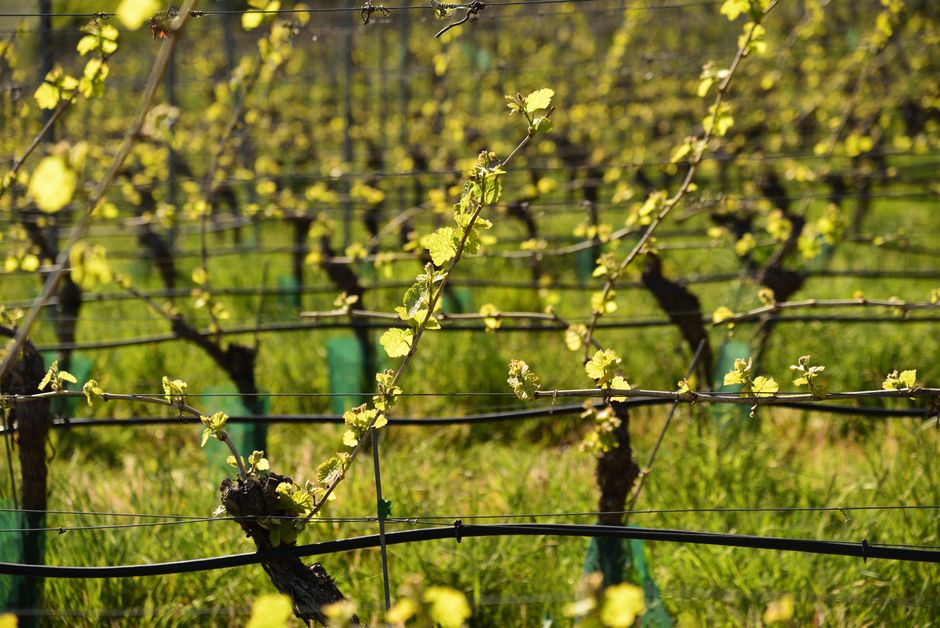
The Costly Consequence of Mistimed Dormant Sprays
Vineyard managers often grapple with the persistent threat of overwintering pests and diseases. If not addressed proactively, these dormant adversaries – from spider mites and scale insects to fungal pathogens like powdery mildew – can emerge with the season's first warmth, compromising bud break, shoot development, and ultimately, fruit quality and yield. The financial implications are substantial: increased remedial spray costs during the growing season, potential crop damage leading to reduced tonnage, and a diminished reputation for quality. You understand that managing these early-season threats is not just about applying a product; it's about executing a strategic intervention precisely when it counts most.
While the choice of dormant spray product (horticultural oil, lime sulfur, copper, or a combination) is important, its efficacy is overwhelmingly dictated by the timing of application. A premium product applied incorrectly can be less effective than a standard product applied perfectly within the critical window.
The Science of Precision: Key Specifications for Dormant Spray Timing
Successful dormant spraying hinges on a confluence of environmental conditions and vine phenology. Ignoring these specifications can render even the most potent products ineffective or, worse, phytotoxic.
1. Bud Development Stage
This is arguably the most critical factor. Dormant sprays target overwintering pests and pathogens before significant green tissue emerges. Applying too early misses the active stages of some pests; applying too late risks damaging delicate, newly emerging buds and shoots.
- Fully Dormant: Before bud swell. Generally less effective for scale and mites as they are deeply inactive.
- Bud Swell to Green Tip (Phenological Stages 1-4 on the Modified E-L system): This is the optimal window for most horticultural oils targeting mites and scale. Buds are swelling, exposing overwintering sites, but green tissue is minimal, reducing phytotoxicity risk.
- Green Tip to 1/2-inch Green (Phenological Stages 4-5): Still acceptable for some oil applications, but caution is advised. As more green tissue emerges, the risk of phytotoxicity increases, especially with higher oil concentrations or certain sulfur products.
2. Temperature Thresholds
Ambient temperature directly impacts spray efficacy and vine safety.
- Minimum Temperature: Most horticultural oils require ambient temperatures above 40°F (4.5°C) during application and for at least 24-48 hours post-application for optimal spreading and penetration. Below this, oils become viscous and less effective.
- Maximum Temperature: Avoid applying oils when temperatures are expected to exceed 85°F (29°C) within 24-48 hours, as this can increase the risk of phytotoxicity, particularly if vines are stressed.
- Freezing Risk: Do not apply if freezing temperatures are anticipated within 24-48 hours after application. Frozen spray droplets can damage vine tissue.
3. Wind Speed and Precipitation Forecast
Environmental conditions dictate application feasibility and product retention.
- Wind Speed: Ideal conditions are calm, with wind speeds below 10 mph (16 km/h) to minimize drift and ensure thorough coverage.
- Precipitation: A minimum of 24-48 hours of dry weather post-application is crucial to allow the spray to dry and adhere. Rain shortly after application can wash off the product, reducing efficacy.
4. Application Rates and Water Volume
While product-specific, general guidelines ensure proper coverage.
- Horticultural Oils: Typically applied at 2-4% v/v (volume/volume) concentration. Higher concentrations are for more severe infestations but carry a higher phytotoxicity risk at later bud stages.
- Water Volume: Aim for thorough coverage, typically 100-200 gallons per acre (935-1870 liters per hectare), depending on vine size and canopy density. Calibration of sprayers is non-negotiable.
"Effective dormant spraying is not merely a task; it's a strategic decision informed by precise observation and environmental data. Ignoring the 'when' in favor of the 'what' is a common and costly oversight."
The Actionable Process: Mastering Your Dormant Spray Application
A systematic approach ensures optimal results and minimizes risks.
Step 1: Pre-Season Assessment and Scouting
- Review Historical Data: Consult past spray records and scouting reports. Identify blocks with recurring issues of mites, scale, or early-season mildew pressure. VinoBloc can be invaluable for organizing and analyzing this historical data, allowing you to pinpoint problem areas and plan accordingly.
- Winter Scouting: Conduct visual inspections during late winter. Look for overwintering mite eggs on cordons and spurs, and scale insects on bark. Use a hand lens for detailed examination.
Step 2: Monitor Bud Development Closely
- Daily Observation: Beginning in late winter/early spring, visually inspect buds daily across different blocks and varieties. Track the progression from dormant to bud swell and green tip.
- Use Phenological Guides: Reference standardized phenological charts (e.g. Modified E-L system) to accurately identify bud stages.
Step 3: Identify the Optimal Weather Window
- Long-Range Forecast: Monitor 7-10 day weather forecasts for temperature trends, wind, and precipitation. Look for a sustained period of mild, calm, and dry weather.
- Short-Range Forecast: Confirm the 24-48 hour forecast immediately before application. Ensure temperatures will remain above 40°F (4.5°C) and no rain or freezing is expected.
Step 4: Product Selection and Preparation
- Target-Specific Selection: Choose your product based on the primary pest/disease targets identified in Step 1 and the current bud stage. Horticultural oils are broad-spectrum for mites and scale; lime sulfur for certain diseases; copper for bacterial blight or mildew.
- Mix and Agitate: Prepare the spray solution according to label instructions, ensuring proper agitation to maintain emulsion stability, especially with oils.
Step 5: Precise Application and Coverage
- Calibrate Sprayer: Before each season, and ideally before each spray event, calibrate your sprayer to ensure correct application rate and uniform coverage. This is critical for efficacy.
- Thorough Coverage: Ensure complete coverage of all woody parts of the vine – cordons, spurs, and trunks – where pests and pathogens overwinter. Focus on the undersides of spurs and crevices in the bark.
Troubleshooting and Safety Considerations:
- Weather Shift: If temperatures drop unexpectedly or rain is forecast after mixing, delay application. Do not apply in suboptimal conditions.
- Delayed Application: If the ideal bud stage is passed, reassess the risk-benefit. Consider lower oil concentrations or alternative products to minimize phytotoxicity if green tissue is significant.
- Safety First: Always wear appropriate Personal Protective Equipment (PPE) as specified on the product label. This typically includes chemical-resistant gloves, eye protection, long sleeves, and pants. Manage drift carefully, especially near sensitive areas.
Example scenario (hypothetical):
Vineyard A, located in a region with fluctuating spring temperatures, historically struggles with European red mite. The manager monitors bud swell closely and identifies a 3-day window where temperatures are predicted to be consistently above 45°F (7°C) with low wind, coinciding with early bud swell. They apply a 3% horticultural oil solution. Post-application scouting reveals significantly reduced mite egg viability and minimal early-season mite pressure, potentially reducing the need for subsequent miticide applications later in the season.
Example scenario (hypothetical):
Vineyard B, facing similar mite pressure, delays its dormant oil application, waiting for a prolonged warm spell. By the time a suitable warm period arrives, buds are at the 1/2-inch green stage. Applying the same 3% oil results in some shoot tip burn and delayed leaf expansion due to phytotoxicity, necessitating additional foliar nutrient applications and still requiring an early-season miticide due to less effective initial control.
Common Mistakes and Their Consequences
| Mistake | Consequence |
|---|---|
| Applying too early (deep dormant) | Reduced efficacy as pests are less exposed/active; product may degrade before optimal timing. |
| Applying too late (significant green tissue) | Phytotoxicity (burn) to emerging buds and shoots, stunting growth, delaying phenology. |
| Applying when temperatures are too low | Poor oil spread and penetration, leading to inadequate pest control. |
| Applying when rain is imminent | Product wash-off, leading to wasted material and ineffective control. |
| Inadequate sprayer calibration/coverage | Uneven control, leaving pest populations to rebound quickly in untreated areas. |
Actionable Next Steps for Vineyard Managers
To optimize your dormant spray program, implement these immediate actions:
- Establish a Bud Monitoring Protocol: Beginning in late winter, assign personnel to regularly scout and document bud stages across all blocks. Utilize photographic records to track progression. (Timeline: Starting 4-6 weeks before anticipated bud break).
- Integrate Weather Data into Decision-Making: Subscribe to a reliable agricultural weather service that provides hyper-local forecasts. Set up alerts for temperature thresholds and precipitation windows critical for dormant spray application. (Timeline: Immediately).
- Review and Calibrate Sprayers: Ensure all spray equipment is in excellent working order and accurately calibrated for the target water volume and pressure. Conduct water-only trials to verify coverage. (Timeline: Within the next 2-3 weeks).
- Leverage Historical Data: Use your vineyard management software, such as VinoBloc, to analyze past pest pressure and spray efficacy. This will inform which blocks require the most vigilant monitoring and targeted applications. (Timeline: Ongoing; critical during winter planning).
Success Metrics: A well-timed dormant spray program should result in visibly reduced early-season pest pressure, minimal phytotoxicity symptoms, and a healthier, more vigorous bud break. Track early-season scouting reports for pest incidence and compare them to historical averages to quantify success.
VinoBloc Team
Vineyard Management Experts
Ready to Transform Your Vineyard Management?
See how VinoBloc can help you streamline block-level data and harvest decisions.
