
Essential Harvest Crew Pre-Shift Safety Checklist for Vineyard Managers
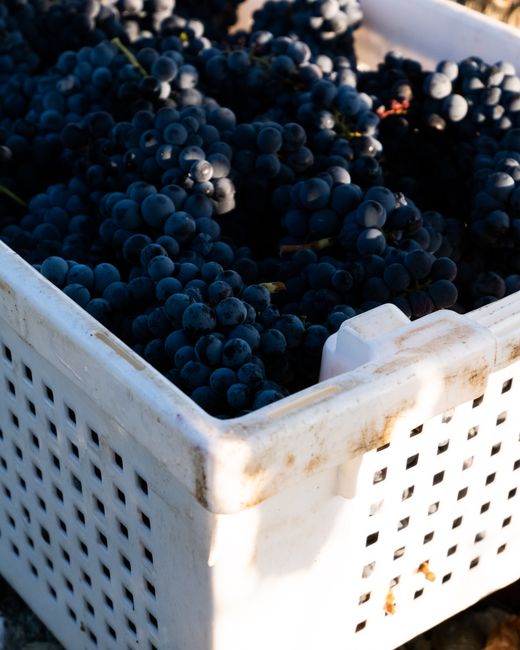
The Cost of Overlooking Pre-Shift Safety
During the intense harvest season, the pressure to meet picking windows and processing deadlines often leads to rushed starts. However, neglecting a thorough pre-shift safety routine can result in significant consequences for vineyard operations. Injuries, even minor ones, can lead to lost workdays, increased workers' compensation premiums, potential regulatory fines from agencies like Cal/OSHA or similar state bodies, and a tangible dip in crew morale and productivity. For vineyard managers, these impacts translate directly into financial losses and operational inefficiencies that undermine the season's success.
Ensuring crew readiness before the first cluster is cut is not merely a compliance task; it is a critical investment in operational continuity and crew well-being.
Harvest Crew Pre-Shift Safety Checklist
Implement this checklist consistently, ideally 15-30 minutes before the official start of each harvest shift, especially during early morning or late-night picks.
- Crew Wellness Check:
- Hydration Status: Observe crew for signs of fatigue or dehydration. Remind them to drink water. A minimum of 16-20 ounces of water before the shift is recommended, with frequent breaks for replenishment every 60-90 minutes.
- Fitness for Duty: Briefly assess alertness. Any crew member reporting illness, severe fatigue, or impairment should be removed from duty immediately.
- Heat Stress Monitoring: If ambient temperature is forecast to exceed 85°F (30°C), implement additional heat illness prevention protocols, including regular cool-down rest periods (e.g. 10 minutes every 2 hours) and ensuring readily accessible shade and cool water.
- Personal Protective Equipment (PPE) Verification:
- Gloves: Inspect for wear and tear. Recommend durable, cut-resistant gloves (e.g. ANSI Cut Level A3 or higher) suitable for grape stems and sharp tools.
- Eye Protection: Ensure safety glasses or goggles (ANSI Z87.1-compliant) are worn, especially when using clippers or working in dusty conditions.
- Footwear: Confirm sturdy, closed-toe footwear with good ankle support and slip-resistant soles. Steel-toed boots are recommended when operating machinery.
- High-Visibility Apparel: Mandate high-visibility vests or shirts (ANSI 107 Class 2 or 3) for all crew members, particularly during low-light conditions (pre-dawn, post-dusk, fog).
- Head Protection: Wide-brimmed hats for sun protection are essential. Hard hats are required if working near overhead hazards or machinery.
- Tool and Equipment Inspection:
- Hand Tools: Visually inspect clippers, knives, and other hand tools for sharpness, cleanliness, and damage. Dull tools increase the risk of injury. Replace or sharpen as needed.
- Picking Bins/Lugs: Check for cracks, sharp edges, or structural weaknesses. Ensure handles are secure.
- Ladders: If used, inspect rungs, rails, and feet for damage. Ensure they are rated for the user's weight plus tools and grapes.
- Tractors/Harvesters (if applicable): Conduct a pre-operation walk-around. Check tires, fluid levels, lights, brakes, and PTO guards. Verify all safety interlocks are functional.
- First Aid Kits: Confirm readily accessible kits are fully stocked (bandages, antiseptic wipes, pain relievers, eye wash, gauze, tape). Ensure at least one kit per 20 crew members, located within 0.25 miles or 5 minutes travel time.
- Site-Specific Hazard Assessment:
- Walking Surfaces: Identify and communicate any uneven terrain, holes, slippery patches (dew, irrigation runoff), or obstacles in the picking rows.
- Pest Awareness: Remind crew about potential encounters with wasps, spiders, or snakes. Instruct on proper response (avoidance, reporting).
- Chemical Exposure: Confirm no recent spray applications that require re-entry intervals (REI) are still in effect. Consult VinoBloc for spray records and REIs.
- Emergency Procedures: Review location of first aid stations, emergency contact numbers, and muster points. Designate a lead person trained in CPR/First Aid for each crew.
| Lapse | Potential Consequence |
|---|---|
| Inadequate hydration | Heat exhaustion, heat stroke, reduced focus, decreased productivity |
| Missing/damaged PPE | Cuts, eye injuries, sun exposure, slips/falls |
| Uninspected tools | Hand lacerations, strain injuries, tool failure |
| Unidentified hazards | Sprains, falls, bites, chemical exposure |
Example Scenario (hypothetical):
On a morning with a forecasted high of 92°F, a vineyard manager conducts the pre-shift check. During the PPE verification, two new crew members are found without appropriate eye protection. The manager immediately provides ANSI Z87.1 safety glasses from the supply cabinet and reiterates the importance of wearing them. Simultaneously, the manager notices several areas of standing water from overnight irrigation, which are then marked with cones, and the crew is briefed on slippery conditions. This proactive intervention prevents potential eye injuries and slips.
Actionable Next Steps for Implementation
- Develop Standard Operating Procedures (SOPs): Formalize this checklist into a clear, concise SOP. Translate it into all relevant languages spoken by the crew. Target completion: Within 1 week.
- Designate and Train Safety Leads: Appoint at least one crew member per 10-15 people as a Safety Lead, providing them with basic first aid, CPR, and hazard identification training. This empowers the crew and creates internal safety advocates. Target completion: Within 2 weeks.
- Implement a Digital Tracking System: Utilize vineyard management software like VinoBloc to log daily pre-shift checks, incident reports, and safety training attendance. This creates an auditable record and helps identify recurring issues. Target implementation: Immediately for existing users, within 3 weeks for new setup.
- Conduct Regular Safety Briefings: Beyond the pre-shift check, hold weekly 10-15 minute safety briefings to discuss specific vineyard hazards, review incident trends, and solicit crew feedback on safety improvements.
Success metrics for these actions include a reduction in harvest-related incidents by an estimated 15-20% within the first season, increased crew reporting of potential hazards, and positive feedback regarding safety culture from team members. Consistent application of this checklist transforms safety from a reactive measure into a proactive, integral part of efficient harvest operations.
VinoBloc Team
Vineyard Management Experts
Ready to Transform Your Vineyard Management?
See how VinoBloc can help you streamline block-level data and harvest decisions.