
Frost Night Crew Callout Checklist for Vineyard Managers
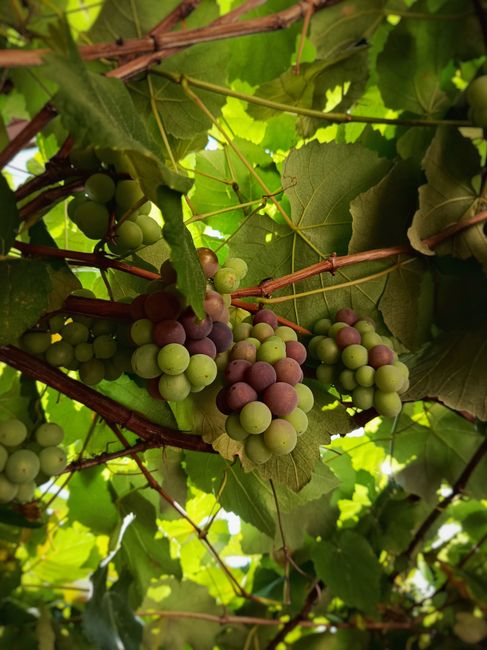
The Criticality of a Rapid Frost Response
Unexpected spring frosts pose a significant and recurring threat to vineyard productivity. For experienced vineyard managers, a sudden temperature drop below critical thresholds can translate directly into substantial crop loss, impacting yield and wine quality for the entire season. The cost of inadequate or delayed frost protection is not just measured in lost tonnage but also in the long-term health of the vines, potential replanting expenses, and compromised market position. When you fail to activate your frost protection crew promptly and efficiently, you risk losing delicate primary buds and young shoots, which are the foundation of your annual harvest. Effective crew callout and activation are paramount to mitigating these devastating impacts.
Pre-Season Readiness: The Foundation
While this checklist focuses on the callout, robust pre-season preparation is non-negotiable. This includes comprehensive equipment maintenance, fuel reserves, and crew training. A well-maintained system ensures that when the call comes, equipment performs reliably.
| Check Item | Specification/Threshold | Action |
|---|---|---|
| Wind Machine Fuel Levels | Minimum 75% capacity in all tanks | Refill all tanks, check for leaks. |
| Engine Oil & Coolant | Within manufacturer's recommended range | Top off, inspect for leaks, schedule oil change if due. |
| Propeller/Blade Inspection | No cracks, bends, or excessive wear | Clean, inspect for damage, balance if necessary. |
| Sprinkler/Overhead Irrigation | Clear nozzles, adequate water pressure (e.g. 40-60 PSI) | Test system, flush lines, replace clogged nozzles. |
Frost Night Crew Callout Checklist: Step-by-Step Activation
This checklist provides a structured approach for activating your frost protection crew and systems when critical temperatures are imminent.
- Monitor Weather Forecasts Continuously (24-48 hours prior):
- Utilize multiple reliable weather sources (e.g. NOAA, localized vineyard weather stations).
- Identify predicted low temperatures, dew point, and wind speed. A VinoBloc integration with weather data can streamline this monitoring.
- Thresholds: Initiate alert protocol when predicted ambient temperature drops to 2.2°C (36°F) and dew point is below 0°C (32°F).
- Initial Crew Notification (12-18 hours prior):
- Send a preliminary alert to all designated frost crew members via SMS, automated call system, or group messaging.
- Confirm crew availability and assign primary and secondary roles (e.g. wind machine operators, irrigation monitors, fuel runners).
- Safety Note: Remind crew of fatigue management and proper PPE (warm clothing, high-visibility vests).
- Final Activation Call (2-4 hours prior to critical temperature):
- Based on real-time sensor data from vineyard blocks, issue the definitive call to action.
- Activation Thresholds:
- Wind Machines: Activate when vineyard air temperature at bud height (typically 1.5m) reaches 1.1°C (34°F) and is still falling, with a temperature inversion of at least 1.7°C (3°F) between 1.5m and 15m.
- Overhead Irrigation: Initiate when wet-bulb temperature reaches -1.1°C (30°F) for varieties like Chardonnay or Pinot Noir. For more tender varieties, this threshold may be higher. Maintain a continuous application rate of approximately 3.8-4.5 mm/hour (0.15-0.18 inches/hour) to prevent ice crystal formation on plant tissues.
- Confirm crew arrival at designated stations.
- System Activation and Monitoring:
- Wind Machines: Start engines, ensure proper rotation and air movement. Monitor fuel levels every 2-3 hours.
- Irrigation: Verify even water distribution and continuous operation. Check for clogged emitters or frozen lines.
- Temperature Monitoring: Continuously monitor temperatures at multiple points within each block, especially in low-lying areas. Record data using digital loggers or vineyard management software like VinoBloc.
- Deactivation Protocol:
- Do NOT deactivate systems until temperatures consistently rise above 0°C (32°F) and the immediate threat of frost damage has passed. Premature deactivation can lead to immediate damage as ice thaws rapidly.
- Ensure all crew members are accounted for and safe before standing down.
Example Scenario (Hypothetical): A vineyard manager receives a forecast predicting a low of -2°C (28.4°F) with a dew point of -4°C (24.8°F) in 15 hours. At 2:00 AM, sensors in Block 7 (Chardonnay) show 1.5°C (34.7°F) and falling, with a 2°C (3.6°F) inversion. The manager immediately issues the final callout for wind machine operators, who arrive within 30 minutes. Machines are started by 2:45 AM, maintaining canopy temperatures above 0°C (32°F) until sunrise. This rapid response prevents an estimated 40-60% primary bud loss in the susceptible block.
Common Mistakes and Their Consequences
- Delayed Callout: Waiting too long for temperatures to drop, leading to irreversible damage before protection systems are fully operational.
- Inadequate Fuel/Maintenance: Equipment failures during critical periods, rendering protection efforts useless.
- Insufficient Crew Training: Inefficient operation, safety hazards, or incorrect system deployment.
- Premature Deactivation: Shutting down protection before natural thawing, causing rapid temperature swings that can damage tender tissues.
Immediate Actions for Enhanced Frost Preparedness
To optimize your frost response, consider these immediate steps:
- Review and Update Contact Lists: Ensure all crew contact information is current and includes multiple communication channels (phone, text, email). Complete this within the next 48 hours.
- Conduct a Mock Callout Drill: Simulate a frost event with your crew to identify bottlenecks and refine response times. Schedule this within the next two weeks.
- Integrate Real-Time Sensor Data: If not already implemented, invest in and integrate real-time temperature and dew point sensors into your vineyard management platform. This allows for data-driven activation decisions and can be managed effectively through tools like VinoBloc. Aim for full integration within the next month.
- Establish Clear Communication Protocols: Define who makes the final call, who notifies whom, and what information must be relayed. Document these protocols clearly for all crew members. Implement immediately.
Success Metrics: A successful frost season is measured by minimal crop loss due to frost, efficient resource utilization, and a well-coordinated, safe crew response. Regularly review frost event outcomes to refine your checklist and improve future preparedness.
VinoBloc Team
Vineyard Management Experts
Ready to Transform Your Vineyard Management?
See how VinoBloc can help you streamline block-level data and harvest decisions.