
Frost Protection: The Complete Vineyard Guide to Wind Machines, Sprinklers, & Site Management
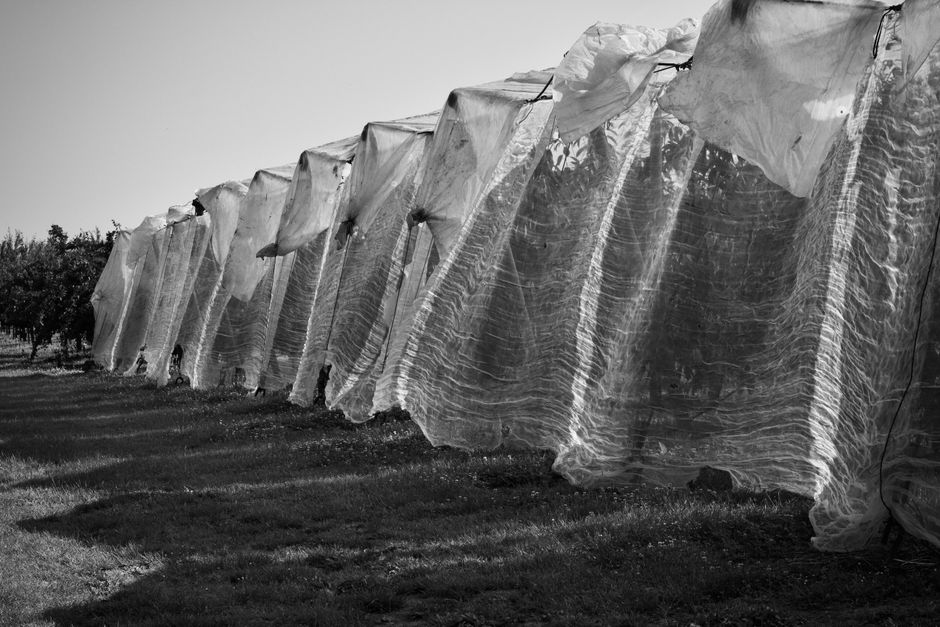
Frost Protection: The Complete Vineyard Guide to Wind Machines, Sprinklers, & Site Management
Executive Summary
Spring frost events represent one of the most significant threats to vineyard productivity and profitability. Unforeseen temperature drops during critical phenological stages, particularly bud break, can lead to substantial crop loss and long-term vine damage. This comprehensive guide serves as an exhaustive resource for vineyard managers, viticulturists, and growers aiming to implement robust and effective frost protection strategies.
This article addresses the multifaceted challenge of frost by dissecting its underlying mechanics and presenting a range of proactive and reactive solutions. Readers will gain an authoritative understanding of how to assess site-specific frost risks, interpret climatic data, and deploy the most suitable protection technologies. From meticulous site management to advanced mechanical interventions, this guide provides the knowledge necessary to safeguard your vineyard's future against the unpredictable nature of spring frosts.
Upon completing this guide, readers will be able to:
- Identify key site-level factors that contribute to frost risk and interpret microclimatic data effectively.
- Differentiate between radiation and advective frosts and understand the critical role of temperature inversions.
- Master the operational protocols for wind machines, including activation thresholds and maintenance schedules.
- Design and manage efficient overhead sprinkler systems for optimal frost protection, ensuring uniform water application.
- Implement cultural practices, such as double pruning, to delay bud break and naturally reduce frost vulnerability.
- Establish clear crew callout procedures and conduct accurate post-frost damage assessments to inform recovery strategies.
Estimated Reading Time: Approximately 25-30 minutes
Table of Contents
- 1. Understanding Frost Risk: Site Selection and Microclimates
- 2. Mechanics of Frost: Radiation vs. Advective and Temperature Inversions
- 3. Active Frost Protection: Wind Machines - Operation and Strategy
- 4. Active Frost Protection: Sprinkler Systems - Design and Management
- 5. Passive Frost Protection and Cultural Practices: Delaying Bud Break and Vine Health
- 6. Crew Callout Protocols and Post-Frost Assessment
- Tools & Resources
- Key Takeaways
1. How do vineyard site and microclimate influence frost risk?
Effective frost protection begins with a thorough understanding of vineyard topography and microclimates. Site selection and subsequent management practices play a foundational role in mitigating potential damage. Cold air, being denser than warm air, flows downhill and collects in low-lying areas, creating "frost pockets." Understanding these natural drainage patterns is paramount.
Site Assessment: Identifying High-Risk Zones
A detailed topographic map, ideally with 1-meter contour intervals, is essential for identifying areas prone to cold air pooling. Elevation changes as subtle as 1-2 meters can significantly impact frost risk. Valleys, hollows, and areas blocked by natural barriers (e.g. dense tree lines, buildings) or even dense hedgerows can impede cold air drainage, leading to localized temperature drops several degrees lower than surrounding higher elevations.
Soil Type and Moisture: Soil properties also influence heat radiation and absorption. Moist, dark soils tend to absorb more solar radiation during the day and radiate heat more slowly at night, providing a slight warming effect compared to dry, light-colored soils. Compacted soils also retain heat better than loose, cultivated soils. A bare, moist soil surface can increase minimum temperatures at ground level by 1-2°C compared to a dry, tilled soil or one with a dense cover crop.
Regional Considerations: Adapting to Local Conditions
In regions with significant diurnal temperature shifts and clear nights, radiation frosts are common. Vineyards situated on hillsides or slopes with good air drainage benefit from natural cold air runoff. However, even these sites can experience frost if cold air drainage is obstructed or during severe advective frost events.
Example: In many European wine regions, such as Burgundy, historical vineyard classifications often correlate directly with elevation and air drainage, with premium sites typically located mid-slope. Conversely, in continental climates like parts of the Pacific Northwest, valley floor vineyards may require more intensive active protection due to severe cold air pooling.
Common Mistakes:
- Ignoring Topography: Planting susceptible varieties in known frost pockets without adequate protection planning.
- Obstructing Air Flow: Allowing natural or artificial barriers (e.g. overgrown hedges, poorly placed windbreaks) to impede cold air drainage.
- Over-cultivation: Maintaining a dry, loose soil surface, which radiates heat more quickly than a moist, compact surface.
2. What are the different types of frost and how do temperature inversions form?
Understanding the meteorological conditions that lead to frost is crucial for effective protection. Frost events are primarily categorized into two types: radiation frost and advective frost, with temperature inversions playing a critical role in the former.
Radiation Frost: The Role of Temperature Inversions
Radiation frost occurs on clear, calm nights when the ground radiates heat into the atmosphere faster than the atmosphere radiates heat back to the ground. This leads to a cooling of the surface and the air immediately above it. As the ground cools, it chills the lowest layer of air. Under calm conditions, this cold, dense air settles, creating a layer of colder air near the surface, topped by a layer of warmer air at higher elevations. This phenomenon is known as a temperature inversion.
In a typical radiation inversion, temperatures can increase by 0.5-1.0°C for every meter of elevation gain within the first 10-30 meters above the ground. The strength of this inversion (the temperature difference between the ground and the warmer air aloft) directly influences the effectiveness of methods like wind machines. A strong inversion, with a temperature difference of 3-5°C between the vine canopy and 10-15 meters above, provides ample warm air for wind machines to mix downwards.
Advective Frost: Cold Air Mass Intrusion
Advective frost, also known as a freeze, occurs when a mass of cold air moves into an area, often accompanied by wind. Unlike radiation frost, advective frosts are characterized by: (1) low temperatures throughout the atmospheric profile, meaning no significant temperature inversion exists; (2) wind speeds typically exceeding 8-10 km/h (5-6 mph), which prevents an inversion from forming and mixes the air, maintaining a uniformly cold temperature. Protection methods that rely on mixing warm air (like wind machines) are ineffective during severe advective frosts due to the absence of an inversion layer.
Critical Temperatures for Vine Damage
The susceptibility of grapevines to frost damage varies significantly with their phenological stage. Younger, more tender tissues are far more vulnerable. Damage typically occurs when cell water freezes, expanding and rupturing cell walls.
| Phenological Stage | Critical Temperature (°C) | Critical Temperature (°F) | Description of Damage |
|---|---|---|---|
| Dormant Bud | -15 to -20 | 5 to -4 | Rarely damaged by spring frost |
| Bud Swell / Woolly Bud | -2.2 to -3.3 | 28 to 26 | Primary bud damage, secondary buds may grow |
| Green Tip / Bud Burst | -1.7 to -2.8 | 29 to 27 | Primary bud and small shoot damage |
| Small Shoots (1-2 cm) | -1.1 to -2.2 | 30 to 28 | Significant shoot damage, potential crop loss |
| Shoots (5-10 cm) | -0.6 to -1.7 | 31 to 29 | Young leaves and tendrils damaged, reduced yield |
| Flowering / Fruit Set | -0.6 to -1.1 | 31 to 30 | Direct damage to flowers/berries, severe crop loss |
Common Mistakes:
- Misinterpreting Forecasts: Confusing radiation frost conditions with advective frost, leading to inappropriate protection strategies.
- Ignoring Dew Point: Not monitoring dew point, which indicates the temperature at which condensation (and potentially frost) will form. A dew point below 0°C (32°F) increases frost risk.
- Delayed Action: Waiting until temperatures are well below critical thresholds before initiating protection, making recovery more difficult.
3. How do wind machines protect vineyards from frost and what are their operational guidelines?
Wind machines are a highly effective active frost protection method for radiation frost events, particularly when a strong temperature inversion is present. They operate by drawing warmer air from above the cold air layer and mixing it downwards into the vine canopy, raising temperatures within the protected zone.
Principle of Operation
A typical wind machine consists of a large propeller (often 4-6 meters in diameter) mounted on a tower, usually 10-12 meters high. The propeller rotates slowly (e.g. 3-5 RPM) while oscillating 360 degrees, creating a column of turbulent air. This turbulence mixes the cold air near the ground with the warmer air from the inversion layer, increasing temperatures at vine level by 1-3°C, depending on the inversion strength and machine efficiency.
Coverage Area: A single wind machine can typically protect an area of 4-6 hectares (10-15 acres), with the exact coverage influenced by topography, wind machine height, and inversion characteristics. The effective radius of protection is generally 70-90 meters from the machine.
Activation Thresholds and Monitoring
Wind machines must be activated before temperatures drop to critical levels at the vine canopy. The standard activation threshold is typically 0°C to +1°C (32-34°F) at the propeller height (10-12m) and 1-2°C above the critical damage temperature at vine level. This allows the machine to establish a warm air blanket before damage occurs. Continuous temperature monitoring at multiple heights (e.g. 1.5m, 10m) and locations within the vineyard is crucial.
Fuel and Maintenance: Most modern wind machines are powered by diesel or propane engines. Diesel consumption can range from 20-30 liters per hour, necessitating sufficient fuel reserves for extended operation (e.g. 10-12 hours). Regular pre-season maintenance, including engine checks, propeller inspection, and lubrication, is non-negotiable to ensure reliability during critical events.
Operational Protocol: Step-by-Step
- Pre-Season Check: Conduct full service, test run, and fuel top-up for all machines by late winter.
- Weather Monitoring: Use weather stations and forecasts to predict radiation frost conditions (clear skies, calm winds, low dew point).
- Temperature Alarms: Set alarms for 1-2°C above critical damage temperature at vine level, and 0°C at propeller height.
- Activation: When alarms trigger, activate wind machines. Ensure all machines start and operate correctly.
- Continuous Monitoring: Monitor temperatures at vine level within the protected zone and outside. Adjust operation if necessary.
- Deactivation: Machines should run until temperatures consistently rise above critical levels, typically after sunrise and the ice has melted naturally, or the inversion has dissipated.
| Parameter | Typical Specification | Key Consideration |
|---|---|---|
| Propeller Diameter | 4.5 - 6.0 meters | Larger diameter generally moves more air. |
| Tower Height | 10 - 12 meters | Must reach the warm air inversion layer. |
| Coverage Area | 4 - 6 hectares (10 - 15 acres) | Varies with topography and inversion strength. |
| Engine Type | Diesel or Propane | Fuel availability, storage, and cost. |
| Fuel Consumption | 20 - 30 liters/hour (diesel) | Requires substantial fuel reserves for long nights. |
| Noise Level | ~60-70 dB at 100m | Consider proximity to residential areas. |
Common Mistakes:
- Late Activation: Waiting until temperatures are too low, allowing damage to occur before the warm air blanket is established.
- Insufficient Fuel: Running out of fuel during an extended frost event, leading to unprotected periods.
- Poor Maintenance: Neglecting pre-season checks, resulting in machine failures during critical nights. If a machine fails to start, check fuel levels and battery connections immediately.
- Operating During Advective Frost: Activating wind machines when no inversion is present and winds are high, wasting fuel and effort.
4. What are the requirements for effective overhead sprinkler frost protection?
Overhead sprinkler systems provide highly effective frost protection for both radiation and mild advective frosts by leveraging the latent heat of fusion. As water freezes, it releases heat (approximately 80 calories per gram of water), which keeps the plant tissue at or slightly above 0°C (32°F) as long as water is continuously applied.
Principle of Operation and System Design
The system works by continuously coating the vines with water. As this water freezes, it forms a layer of ice around the buds and shoots. The key is to maintain a constant film of water over the ice. If the water application stops, evaporative cooling can occur, leading to temperatures dropping significantly below ambient, causing severe damage. Therefore, continuous, uniform application is paramount.
Application Rate: The required application rate depends on the minimum ambient temperature and wind speed. Typical rates range from 2.5 mm/hr (0.10 in/hr) for mild frosts (-2°C/28°F) to 4.0 mm/hr (0.16 in/hr) for more severe conditions (-4°C/25°F) or windy nights. Insufficient application can lead to evaporative cooling and greater damage.
Water Source and Pressure: A reliable and ample water source is critical. A system protecting 10 hectares at 3.5 mm/hr would require approximately 350 cubic meters of water per hour. Pumps must be capable of delivering consistent pressure, typically 2.0-3.5 bar (30-50 psi), to ensure uniform coverage. Water quality should be considered; high levels of sediment or iron can clog nozzles.
Sprinkler Head Selection and Placement
Low-angle, slow-rotation sprinkler heads (e.g. 0.5-1.5 RPM) are preferred to minimize evaporative cooling and ensure continuous coverage. Spacing must guarantee 100% overlap, ensuring every part of the vine canopy receives water. Sprinklers are typically mounted on risers above the canopy, ensuring water reaches all buds and shoots.
Operational Protocol: Step-by-Step
- Pre-Season Test: Test the entire system for leaks, clogs, and uniform pressure well before bud break.
- Temperature Alarms: Set alarms for 1-2°C (34-36°F) at vine level, or slightly above the dew point if it is higher.
- Activation: Activate the system when temperatures approach 0°C (32°F) and are still above the critical damage threshold. Begin application before ice starts to form.
- Continuous Application: Run the system continuously until ambient temperatures rise above 0°C (32°F) and all ice has melted naturally from the vines. Stopping too early can cause extreme evaporative cooling and severe damage.
- Post-Operation Check: Inspect nozzles for clogs and ensure proper drainage to prevent standing water.
| Parameter | Requirement / Specification | Impact of Failure |
|---|---|---|
| Application Rate | 2.5 - 4.0 mm/hr (0.10 - 0.16 in/hr) | Insufficient rate leads to evaporative cooling and damage. |
| Water Pressure | 2.0 - 3.5 bar (30 - 50 psi) | Inconsistent pressure causes uneven coverage. |
| Water Source Capacity | Sufficient for continuous operation (e.g. 35 m³/hr/hectare at 3.5mm/hr) | Running out of water is catastrophic; leads to severe damage. |
| Sprinkler Rotation Speed | Slow (0.5 - 1.5 RPM) | Fast rotation leads to dry periods and evaporative cooling. |
| Coverage Uniformity | 100% overlap across the protected area | Uneven coverage leaves unprotected zones susceptible to damage. |
Common Mistakes:
- Intermittent Application: Stopping and starting the system during a frost event. This is the most dangerous mistake, causing evaporative cooling.
- Stopping Too Early: Shutting off the system before all ice has melted naturally, leading to rapid temperature drop on the vine.
- Insufficient Pressure/Flow: Not enough water delivered, resulting in incomplete ice formation and evaporative cooling. If coverage is uneven, check for clogged nozzles or pressure fluctuations.
- Clogged Nozzles: Leads to dry spots and damage. Regular inspection and cleaning are vital.
5. How can cultural practices and site management reduce frost risk?
While active measures like wind machines and sprinklers are crucial for direct protection, passive frost protection through strategic cultural practices can significantly reduce a vineyard's overall vulnerability to spring frosts. These methods focus on delaying bud break, enhancing vine resilience, and improving the microclimate.
Double Pruning to Delay Bud Break
Double pruning, also known as delayed pruning, is one of the most effective cultural practices for delaying primary bud break. This technique involves an initial, rough pruning in late winter (e.g. January-February) where canes are left significantly longer (e.g. 8-12 buds) than the final desired spur or cane length. The final, precise pruning (e.g. to 2-bud spurs or 8-10 bud canes) is then performed much later, typically after the immediate threat of spring frost has passed, often in late March or early April in many regions.
Mechanism: The presence of numerous buds on the longer canes delays the overall sap flow and bud swell, spreading the hormonal signal across more buds. When the final pruning cut is made, the remaining basal buds, which are typically the most fruitful, are still dormant or only in the early stages of swelling. This can delay bud break by 7-14 days, effectively shifting the most vulnerable stage to a period with a lower probability of severe frost.
Vineyard Floor Management
The condition of the vineyard floor directly impacts heat radiation and retention. A bare, moist, and firm soil surface is optimal for radiating stored heat throughout the night. This can elevate ground-level temperatures by 1-2°C compared to a dry, loose, or weed-infested surface.
- Cover Crops: While cover crops offer numerous benefits, a dense, tall cover crop insulates the soil and prevents heat radiation. If frost is anticipated, mowing cover crops very short (e.g. 5-10 cm) or tilling them in prior to the frost season can improve heat exchange.
- Soil Compaction: Avoid excessive cultivation during the frost season. A firm, settled soil surface conducts heat more efficiently than loose, tilled soil.
- Weed Control: Weeds compete for moisture and can create an insulating layer similar to cover crops. Maintaining a weed-free zone beneath the vines is beneficial.
Canopy and Trellis Management
Trellis systems can sometimes influence cold air movement. While not as impactful as topography, ensuring that trellis designs do not create unintended air dams is important. In some regions, raising the height of the cordon or cane can slightly elevate buds above the coldest air layer, which often settles closest to the ground.
Regional Adaptation
The timing of double pruning must be carefully adapted to regional climates and specific varietal phenology. In warmer regions with earlier bud break, the initial pruning may occur earlier, and the final pruning pushed as late as possible without compromising fruitfulness. In cooler regions, the window for delayed pruning might be narrower due to a shorter growing season.
Common Mistakes:
- Pruning Too Early: Performing final pruning too early negates the benefit of delayed bud break.
- Dense Cover Crops: Allowing cover crops to grow tall and dense during the frost season, preventing soil heat radiation.
- Excessive Tillage: Creating a loose, dry soil surface that radiates heat quickly and offers no thermal buffer.
- Ignoring Vine Health: Weak, stressed vines are more susceptible to frost damage and have reduced capacity for recovery. Ensure balanced nutrition and irrigation.
6. What are the essential protocols for crew management during frost events and post-frost damage assessment?
Effective frost protection extends beyond technology; it requires well-defined human protocols, from crew callouts to post-event damage assessment. A prepared and organized team is critical for successful frost mitigation and recovery.
Crew Callout Protocols
A clear, documented crew callout protocol ensures a rapid and coordinated response when frost is imminent. This protocol should include:
- Alert System: Implement an automated SMS or call tree system to notify key personnel when temperatures hit pre-defined thresholds (e.g. 2-3°C above critical damage temperature).
- Designated Roles: Assign specific responsibilities to each team member (e.g. wind machine operators, sprinkler system monitors, fuel logistics, communications).
- Contact Information: Maintain an up-to-date list of all crew members, their roles, and emergency contacts.
- Meeting Point/Check-in: Establish a central meeting point or digital check-in system for personnel upon arrival.
- Safety Briefing: Conduct a brief safety check (e.g. working in the dark, around machinery) before deployment.
- Communication Channels: Ensure reliable two-way radio or mobile communication between all deployed teams and a central command.
- Logistics: Pre-position fuel, spare parts, and tools in accessible locations for rapid deployment.
Timing: Crew should be on-site and ready to activate systems at least 1-2 hours before temperatures are expected to reach activation thresholds, allowing for any unforeseen issues or last-minute checks.
Post-Frost Damage Assessment
Accurate and timely damage assessment is crucial for making informed decisions regarding vineyard management and potential crop insurance claims. Assessment should typically begin 24-48 hours after the frost event, allowing damaged tissues to fully show symptoms.
Assessment Methodology:
- Sampling Strategy: Select representative samples from various blocks and frost-prone areas. Assess at least 20-30 buds/shoots per block, from multiple vines.
- Visual Inspection: Initially, look for obvious signs of damage such as water-soaked, blackened, or shriveled tissues.
- Bud Dissection: For dormant or swelling buds, carefully cut buds longitudinally with a sharp razor blade. Healthy primary buds will appear vibrant green; damaged buds will show brown or black discoloration in the primary shoot initial or flower clusters.
- Shoot Assessment: For small shoots, visually inspect for blackened tips, petioles, or tendrils. Gently squeeze the shoot; if it feels soft or mushy, it is likely damaged.
- Damage Scale: Utilize a consistent damage assessment scale to quantify the extent of injury (e.g. percentage of primary buds damaged, percentage of shoots killed back).
| Score | Description of Damage | Action Implications |
|---|---|---|
| 0 | No visible damage | Normal vineyard management |
| 1 | Minor tip damage (leaf margins, tendrils) | Minimal impact on yield, monitor secondary growth. |
| 2 | Primary shoot tip killed, some leaves damaged | Secondary bud push likely, potential yield reduction (10-25%). |
| 3 | Primary shoot killed to base, some secondary buds damaged | Significant yield reduction (25-75%), reliance on latent buds. |
| 4 | All primary and most secondary buds/shoots killed | Severe crop loss (>75%), focus on vine recovery for next season. |
Following assessment, decisions can be made regarding remedial pruning (e.g. removing damaged primary shoots to encourage secondary bud development) or adjusting canopy management strategies for the season.
Common Mistakes:
- Unclear Communication: Lack of clear instructions or unreliable communication channels during a frost event.
- Delayed Assessment: Waiting too long to assess, making it harder to distinguish damage or missing the window for remedial actions.
- Premature Remedial Action: Pruning or hedging damaged shoots too early before the full extent of damage is known, potentially removing viable secondary buds.
- Inadequate Documentation: Not properly documenting damage for insurance purposes or future reference.
Tools & Resources for Frost Protection
Effective frost protection relies on robust tools and reliable information. Leveraging the right technology can streamline operations and enhance decision-making.
Essential Equipment:
- Digital Thermometers: Multiple units, ideally with remote monitoring capabilities, placed at various heights (vine level, 1.5m, 10m) and locations within the vineyard.
- Weather Stations: Localized weather stations providing real-time data on temperature, humidity, dew point, and wind speed are invaluable for accurate frost prediction and monitoring.
- Wind Machines: Diesel or propane-powered units for active protection against radiation frosts. Regular maintenance kits are essential.
- Overhead Sprinkler Systems: Including pumps, pipes, low-angle sprinkler heads, and filters. A reliable water source is paramount.
- Fuel Storage: Sufficient, safely stored fuel (diesel or propane) for extended operation of wind machines.
- Two-Way Radios / Communication Devices: For reliable crew communication during frost events.
- Headlamps / Safety Gear: For crew working in low-light conditions.
- Pruning Shears / Razor Blades: For post-frost bud dissection and damage assessment.
Vineyard Management Software:
Utilizing specialized vineyard management software can significantly enhance frost preparedness and response. Vinobloc, for instance, offers modules for integrating real-time weather station data, setting custom frost alerts based on critical temperatures and phenological stages, and managing crew callout lists. Its mapping features can also help visualize frost-prone areas and track protection asset deployment. Furthermore, Vinobloc can assist in documenting frost events and damage assessments, providing valuable historical data for future planning and compliance.
Helpful Templates & Checklists:
- Pre-Season Frost Protection Checklist: A detailed list covering all maintenance, calibration, and personnel training tasks.
- Frost Event Callout Roster: A template for crew contact information, assigned roles, and emergency procedures.
- Frost Damage Assessment Form: Standardized forms for recording observations, bud dissections, and damage scores across different blocks.
- Fuel Log Sheet: For tracking fuel consumption and refueling schedules during extended frost events.
Key Takeaways
- Proactive Site Management is Foundation: Understand your vineyard's topography and microclimates to identify and mitigate inherent frost risks through proper site selection and soil management.
- Differentiate Frost Types: Recognize the distinction between radiation and advective frosts; wind machines are effective for inversions (radiation frost), while sprinklers offer broader protection.
- Precision in Active Protection: Adhere strictly to activation thresholds (e.g. 0°C to +1°C for wind machines, 0°C for sprinklers) and ensure continuous, uniform operation of active systems.
- Cultural Practices Offer Passive Defense: Implement strategies like double pruning to delay bud break by 7-14 days and maintain a bare, moist, firm vineyard floor to enhance natural heat radiation.
- Preparedness is Paramount: Develop and regularly review clear crew callout protocols, ensure all equipment is meticulously maintained, and have ample fuel/water reserves.
- Timely Damage Assessment: Conduct thorough post-frost damage assessments (24-48 hours after event) using bud dissection to accurately quantify losses and inform recovery strategies.
- Leverage Technology: Utilize vineyard management software like Vinobloc for real-time monitoring, alert systems, and comprehensive record-keeping to optimize your frost protection strategy.
VinoBloc Team
Vineyard Management Experts
Ready to Transform Your Vineyard Management?
See how VinoBloc can help you streamline block-level data and harvest decisions.