
The Critical Disease Window: Protecting Vineyards Right After Bud Break
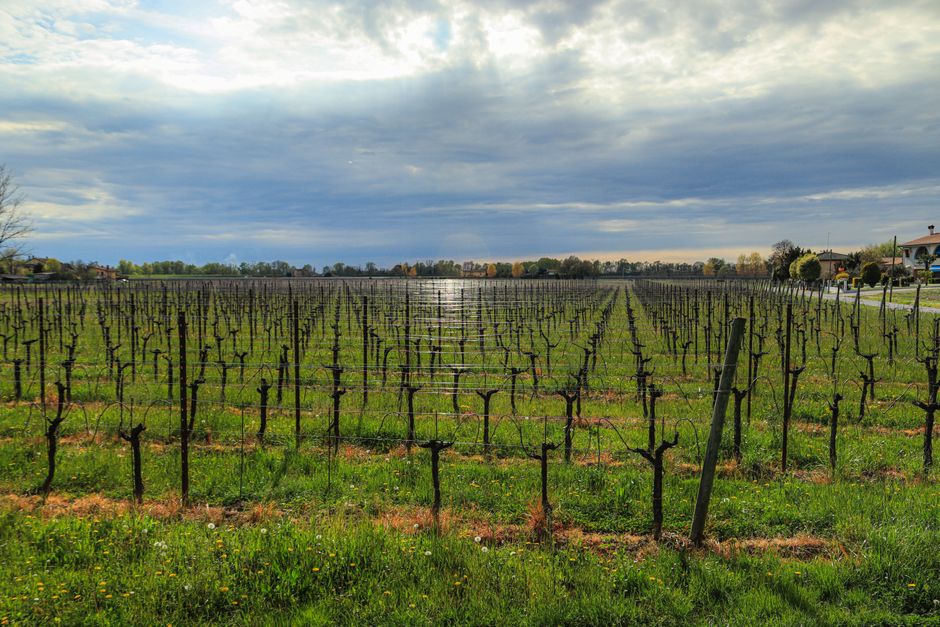
The Cost of Missing the Early Disease Window
For experienced vineyard managers, the period immediately following bud break is not merely a sign of spring; it is a critical, often underestimated, disease protection window. Missing this narrow timeframe can lead to a cascade of problems throughout the growing season, ultimately impacting yield, fruit quality, and profitability. Initial infections, particularly from powdery mildew (Erysiphe necator), are often invisible to the naked eye but can establish a foundation for severe outbreaks later. The financial repercussions of inadequate early protection can include increased fungicide costs, additional labor for canopy management, reduced fruit marketability due to visible damage, and significant yield losses, potentially diminishing harvest revenue by an estimated 10-25% in severe cases.
Precision Protection: Specifications and Timing
Effective disease management during this window demands precision. The goal is to prevent initial infections when inoculum levels are typically low but environmental conditions can rapidly become conducive for pathogen development.
Key Specifications:
- Timing: The first critical application should occur when shoots are approximately 1-3 inches (2.5-7.5 cm) in length, often referred to as the '1-3 inch shoot growth' stage. A follow-up application is typically required 7-10 days later, or sooner if heavy rainfall or high disease pressure dictates.
- Target Diseases: Primary targets include powdery mildew, downy mildew (Plasmopora viticola), and Phomopsis (Phomopsis viticola).
- Environmental Thresholds: Powdery mildew conidia germinate optimally between 68-80°F (20-27°C) in high humidity (e.g. 40-100% RH), but does not require free water. However, infection can occur across a wider temperature range (50-90°F / 10-32°C). Downy mildew requires free water on leaf surfaces and temperatures above 50°F (10°C).
- Product Selection:
- Powdery Mildew: Early season options include sulfur (e.g. Microthiol Disperss, Kumulus) or horticultural oils (e.g. Stylet-Oil, JMS Stylet-Oil). These are contact materials and require excellent coverage. Systemic options (e.g. Group 3 DMIs, Group 11 QoIs) may be considered in high-pressure situations, but resistance management dictates rotation.
- Downy Mildew: Contact materials like copper (e.g. Kocide, Nordox) or mancozeb (e.g. Dithane, Manzate) are effective preventatives. Systemic options may be warranted under high-risk conditions.
Step-by-Step Early Season Disease Management:
- Monitor Shoot Growth: Begin scouting vineyards daily once bud break initiates. Use a measurement tool to track shoot length accurately.
- Assess Disease Risk: Evaluate cultivar susceptibility, historical disease pressure in the block, and the 7-day weather forecast (temperature, rainfall, humidity). Utilize predictive models if available.
- Calibrate Sprayer: Ensure accurate application rates and thorough coverage. Calibrate sprayers at least once per season, and verify nozzle performance. Aim for droplet sizes appropriate for complete canopy penetration without excessive drift (e.g. medium to fine droplets).
- Select Fungicides: Based on risk assessment, choose appropriate materials. For initial powdery mildew control, sulfur or horticultural oils are often preferred due to their broad-spectrum activity and low resistance risk. Rotate modes of action for subsequent sprays.
- Timely Application: Apply fungicides within the 1-3 inch shoot growth window. Optimal application occurs when leaves are dry, and wind speeds are low (typically below 7 mph / 11 km/h).
- Record Keeping: Document application dates, products used, rates, block treated, environmental conditions, and observed efficacy. This data is invaluable for future planning and compliance. VinoBloc can assist vineyard managers in digitally tracking spray applications, scouting notes, and historical disease pressure, streamlining compliance and decision-making.
Troubleshooting and Safety:
- Missed Window: If the 1-3 inch window is missed, prioritize immediate application of a broad-spectrum fungicide with curative properties (if available for the target disease and within label guidelines) and shorten subsequent spray intervals to 5-7 days.
- Rain After Application: Check fungicide label for rainfastness. If significant rain occurs shortly after application of a contact fungicide, re-application may be necessary once conditions permit. Systemic products generally offer better rainfastness.
- Resistance Management: Always rotate fungicides with different Modes of Action (MOA) codes (FRAC groups) to prevent resistance development. Avoid consecutive applications of products from the same FRAC group.
- Safety: Always wear appropriate Personal Protective Equipment (PPE) as specified on product labels. Read and follow all label instructions for mixing, application, re-entry intervals (REI), and pre-harvest intervals (PHI).
Example Scenarios:
Example scenario: A vineyard block of highly susceptible Chardonnay has experienced warm, humid conditions (average daily temperature 70°F / 21°C, RH 90%) for three consecutive days after shoots reached 2 inches. Historical records show moderate powdery mildew pressure. The manager opted for an initial application of wettable sulfur at 5 lbs/acre, followed by a systemic DMI fungicide 7 days later, rotating for resistance management.
Example scenario: A block of less susceptible Cabernet Sauvignon is experiencing cooler, drier conditions (average daily temperature 55°F / 13°C, RH 60%) with shoots at 1.5 inches. The manager chose a horticultural oil application at 1% v/v, focusing on thorough coverage to smother any overwintering inoculum, with plans for a sulfur application 10 days later.
Actionable Next Steps for Immediate Implementation
Proactive management during this critical post-bud break window is non-negotiable for a healthy, productive vineyard.
- Review and Update Spray Program: Confirm your spray schedule aligns with the 1-3 inch shoot growth window for each block. Ensure product selection incorporates resistance management principles and targets key early-season diseases.
- Calibrate All Spray Equipment: Before the first application, conduct a full calibration of all sprayers to ensure precise rates and optimal coverage. This is a crucial step for efficacy and cost control.
- Establish Daily Scouting Protocols: Assign personnel to monitor shoot growth and environmental conditions in key blocks daily. Early detection of growth stages is paramount for timely application.
- Leverage Vineyard Management Software: Utilize tools like VinoBloc to record scouting observations, schedule applications, track product inventory, and maintain comprehensive spray records. This facilitates data-driven decisions and ensures compliance.
Implementation Timeline: These steps should be initiated immediately as bud break commences, with calibration and program review completed before shoots reach 1 inch. Scouting and application follow immediately thereafter. Success Metrics: Reduced disease incidence in early summer (e.g. less than 5% leaf infection by veraison), lower overall fungicide costs compared to reactive approaches, and consistent fruit quality at harvest.
VinoBloc Team
Vineyard Management Experts
Ready to Transform Your Vineyard Management?
See how VinoBloc can help you streamline block-level data and harvest decisions.