Growing Cabernet Sauvignon: The Complete Variety-Specific Management Guide
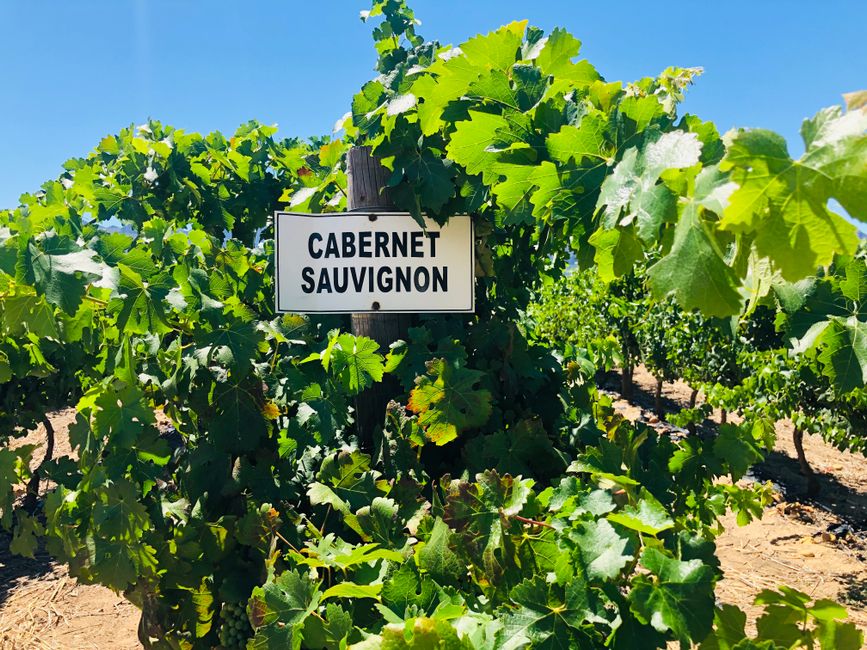
Cabernet Sauvignon, often hailed as the "King of Grapes," is renowned globally for producing powerful, age-worthy red wines. Its cultivation demands meticulous attention to detail, from the foundational choices of site and clone to the nuanced practices of canopy and water management. This comprehensive guide provides viticulturists and vineyard managers with an authoritative, deep-dive resource for optimizing Cabernet Sauvignon production, ensuring both vine health and exceptional fruit quality.
Executive Summary
This comprehensive guide is meticulously crafted for vineyard owners, managers, viticulturists, and aspiring grape growers dedicated to cultivating Cabernet Sauvignon. It addresses the critical need for a singular, authoritative resource that distills complex viticultural science and practical management strategies into actionable insights.
The primary problem this guide solves is the fragmentation of information regarding variety-specific management for Cabernet Sauvignon. Growers often grapple with general viticultural advice that doesn't fully account for the unique physiological demands and quality optimization pathways specific to this noble grape. By providing detailed, data-driven recommendations, this article empowers readers to make informed decisions that enhance vine health, fruit quality, and ultimately, the market value of their Cabernet Sauvignon.
Upon completing this guide, the reader will have a profound understanding of:
- How to select the optimal vineyard site and match Cabernet Sauvignon clones and rootstocks to specific terroir conditions.
- Effective training systems and vine architecture strategies to promote balance and fruit quality.
- Precision water management techniques, including deficit irrigation, to enhance phenolic ripeness and mitigate stress.
- Advanced canopy management practices for ideal fruit exposure, disease prevention, and flavor development.
- Proactive strategies for pest, disease, and nutrient management tailored to Cabernet Sauvignon.
- Critical parameters and timing for harvest to achieve desired wine styles and maximize quality.
Estimated Reading Time: Approximately 20-25 minutes.
Table of Contents
- Executive Summary
- Site Selection and Terroir Matching: What are the Ideal Conditions for Cabernet Sauvignon?
- Clonal Choices and Rootstock Selection: How Do They Impact Cabernet Quality and Resilience?
- Training Systems and Vine Architecture: Which Systems Optimize Cabernet Sauvignon?
- Precision Water Management: How Do Irrigation Strategies Enhance Fruit Development?
- Canopy Management for Optimal Fruit Expression: Key Techniques for Cabernet Sauvignon
- Pest, Disease, and Nutrient Management: Proactive Strategies for Healthy Cabernet Vines
- Harvest Timing and Quality Optimization: When is the Optimal Time for Cabernet Sauvignon?
- Tools & Resources for Cabernet Sauvignon Management
- Key Takeaways
Site Selection and Terroir Matching: What are the Ideal Conditions for Cabernet Sauvignon?
Successful Cabernet Sauvignon cultivation begins with meticulous site selection, as its robust nature requires specific environmental conditions to thrive and express its full potential. Cabernet Sauvignon prefers well-drained soils and a climate that offers a long, warm growing season with sufficient diurnal temperature variation.
Climate Considerations:
Cabernet Sauvignon is a late-ripening variety that performs best in climates classified as Winkler Region III or IV, corresponding to heat summation ranges of approximately 2500-3500 Growing Degree Days (GDD). Adequate chilling hours during dormancy (typically 200-400 hours for Vitis vinifera, though 1000+ can be beneficial for optimal uniformity) are crucial for proper bud break and uniform shoot growth. Regions like Napa Valley, Bordeaux, and Coonawarra exemplify these ideal conditions, characterized by warm, sunny days for sugar accumulation and cool nights to preserve acidity and enhance phenolic development. Excessive heat (consistently above 35°C/95°F) can lead to sunburn and a loss of desirable aromatics, while insufficient heat will result in unripe, herbaceous flavors.
Soil Requirements:
The ideal soil profile for Cabernet Sauvignon is well-drained, moderately fertile, and often gravelly or rocky. While adaptable, it performs exceptionally well in soils with a good balance of sand, silt, and clay, often with a significant proportion of inert materials like gravel or stone. These soils promote excellent drainage, preventing waterlogging which can stress vines and lead to root diseases. A soil pH range of 6.0-7.0 is generally optimal for nutrient availability. Deep soils allow for extensive root penetration, increasing vine resilience to drought stress and accessing a broader range of nutrients. Shallow soils or those with high clay content can restrict root growth and impede drainage, requiring more intensive water management.
Aspect and Elevation:
Vineyard aspect (the direction a slope faces) significantly influences sun exposure and heat accumulation. In cooler regions, south-facing slopes (northern hemisphere) or north-facing slopes (southern hemisphere) are preferred to maximize solar radiation and ensure full ripeness. In warmer regions, eastern or western aspects might be chosen to mitigate excessive afternoon sun exposure. Elevation can also play a role; higher elevations often provide cooler temperatures and greater diurnal shifts, beneficial for aromatic development, but also carry risks of frost. Optimal elevation depends heavily on the specific regional climate.
Step-by-Step Site Assessment:
- Climate Data Collection: Gather historical GDD, chilling hours, frost dates, and rainfall data for the prospective site over 5-10 years.
- Soil Analysis: Conduct comprehensive soil tests (physical and chemical) at multiple depths (0-30cm, 30-60cm, 60-90cm) to assess texture, pH, organic matter, and nutrient levels.
- Topographical Survey: Map elevation changes, slope gradients, and aspects to understand sun exposure and potential air drainage patterns.
- Water Availability Assessment: Confirm reliable access to sufficient water for irrigation, considering both quantity and quality (pH, salinity).
Common Mistakes in Site Selection:
- Ignoring Drainage: Planting Cabernet Sauvignon in heavy, poorly drained soils leads to root rot and weak, stressed vines.
- Underestimating Climate: Choosing a site with insufficient heat accumulation or too short a growing season results in perpetually unripe fruit with herbaceous notes.
- Neglecting Diurnal Shift: Sites with consistently high night temperatures can lead to rapid acid degradation and less complex aromatics.
Clonal Choices and Rootstock Selection: How Do They Impact Cabernet Quality and Resilience?
The selection of appropriate clones and rootstocks is a foundational decision that profoundly influences Cabernet Sauvignon's vigor, disease resistance, yield, and ultimately, wine quality. These choices must be tailored to the specific site conditions and desired wine style.
Cabernet Sauvignon Clones:
Cabernet Sauvignon exhibits significant clonal diversity, with each clone offering distinct characteristics. Clones vary in berry size, cluster architecture, ripening time, and phenolic potential. Choosing the right clone can help achieve specific flavor profiles, manage vigor, and adapt to microclimates.
| Clone (e.g. FPS/ENTAV-INRA) | Characteristics | Typical Application |
|---|---|---|
| FPS 07 (UCD 07) | Moderate vigor, good yield, consistent quality, balanced phenolics. | Versatile, widely planted for classic Cabernet character. |
| FPS 08 (UCD 08) | Higher vigor, larger berries, good yields, can produce softer tannins. | Sites requiring more vigor, blending components. |
| FPS 15 (UCD 15) | Lower vigor, smaller berries, loose clusters, intense color/tannin. | Premium sites, low-yielding, high-quality focus. |
| ENTAV-INRA 169 | Low vigor, small clusters/berries, high tannin, dark color, early ripening. | High-quality, age-worthy wines, often used in Bordeaux. |
| ENTAV-INRA 338 | Medium vigor, good yields, balanced, aromatic complexity, good structure. | Versatile, widely appreciated for balanced wines. |
Many vineyards utilize a blend of clones to achieve complexity and mitigate risks. For instance, combining a low-yielding, high-phenolic clone like FPS 15 or ENTAV-INRA 169 with a more vigorous, productive clone like FPS 07 can result in a balanced wine with depth and structure.
Rootstock Selection:
Rootstocks are critical for adapting Cabernet Sauvignon to specific soil types, managing vigor, and providing resistance to pests like phylloxera and nematodes. The choice of rootstock is paramount and should be based on soil texture, pH, water availability, and the presence of soil-borne pests.
| Rootstock | Vigor | Drought Tolerance | Soil Adaptation | Pest Resistance |
|---|---|---|---|---|
| 110R (Richter 110) | Moderate to High | Excellent | Dry, calcareous, rocky soils | Phylloxera, some nematodes |
| 3309C (Couderc 3309) | Moderate | Moderate | Moist, fertile, well-drained soils | Phylloxera, very good nematode |
| 101-14 Mgt (Millardet et de Grasset 101-14) | Low to Moderate | Moderate | Moist, fertile, heavier soils | Phylloxera, good nematode |
| 420A Mgt (Millardet et de Grasset 420A) | Low | Low | Calcareous, shallow soils | Phylloxera, some nematodes |
| 1103P (Paulsen 1103) | High | Excellent | Dry, calcareous, saline soils | Phylloxera, very good nematode |
For dry-farmed vineyards or those with limited irrigation, drought-tolerant rootstocks like 110R or 1103P are often preferred. In fertile soils where vigor control is desired, 101-14 or 420A might be more suitable. A thorough soil analysis and understanding of the site's water holding capacity are crucial before making a rootstock decision.
Common Mistakes in Clonal and Rootstock Selection:
- Ignoring Site-Specifics: Choosing clones or rootstocks based on trends rather than their suitability for the specific climate, soil, and water availability.
- Uniform Planting: Planting a single clone or rootstock across a highly variable block, leading to uneven ripening or vigor issues.
- Underestimating Pest Pressure: Selecting a rootstock with insufficient resistance to endemic pests like phylloxera or nematodes, leading to eventual vine decline.
Training Systems and Vine Architecture: Which Systems Optimize Cabernet Sauvignon?
The chosen training system and subsequent vine architecture are fundamental to managing vine vigor, optimizing fruit exposure, and facilitating vineyard operations for Cabernet Sauvignon. The goal is to achieve a balanced vine that can consistently produce high-quality fruit.
Vertical Shoot Positioned (VSP):
The Vertical Shoot Positioned (VSP) system is widely adopted for Cabernet Sauvignon, particularly in regions where vigor needs to be managed and sunlight exposure is crucial. VSP involves training shoots upwards, held in place by movable catch wires, creating a narrow, upright canopy. This system is excellent for maximizing light penetration into the fruit zone, improving air circulation, and reducing disease pressure.
Implementation Steps for VSP:
- Trunk Establishment: Train a single trunk to reach the cordon wire (typically 30-40 inches above ground).
- Cordon Formation: Establish a bilateral cordon with spurs spaced 4-6 inches apart. Each spur is typically pruned to 2 buds during winter dormancy.
- Shoot Positioning: As shoots grow, position them vertically between sets of catch wires. This is typically done 2-3 times during early shoot growth (May-June in Northern Hemisphere). Target shoot density is generally 4-6 shoots per linear foot of cordon.
- Hedging: Once shoots extend 18-24 inches above the top catch wire, hedge them to redirect energy to the fruit and maintain canopy size.
VSP is particularly effective for Cabernet Sauvignon as it promotes even ripening and allows for precise canopy management, crucial for developing complex phenolics. It's well-suited for mechanical harvesting and pruning, increasing operational efficiency.
Other Training Systems:
- California Sprawl (Modified Geneva Double Curtain): Less common for premium Cabernet Sauvignon due to potential for excessive shading, but used in very vigorous sites to spread out the canopy. Requires significant manual labor for leaf removal to ensure fruit exposure.
- Lyre System: A divided canopy system that can handle high vigor and provide good light penetration. However, it is more complex to establish and manage, and less common for Cabernet Sauvignon due to its higher cost and specific equipment needs.
| Training System | Vigor Management | Sunlight Exposure | Disease Control | Labor Intensity |
|---|---|---|---|---|
| VSP (Vertical Shoot Positioned) | Good | Excellent | Excellent | Moderate |
| California Sprawl | High | Moderate (requires leafing) | Moderate | High |
| Lyre | Excellent (divided) | Excellent | Good | High |
Common Mistakes in Training Systems:
- Inconsistent Shoot Positioning: Failing to regularly position shoots in VSP, leading to tangled canopies, shading, and increased disease risk.
- Over-Hedging: Removing too much leaf area during hedging can reduce photosynthetic capacity and impact ripening.
- Incorrect Spur Pruning: Leaving too many or too few buds per spur, leading to imbalanced vigor or insufficient crop load. For Cabernet, 2-bud spurs are standard to control yield and promote quality.
Precision Water Management: How Do Irrigation Strategies Enhance Fruit Development?
Water management is a critical factor in producing high-quality Cabernet Sauvignon, as it directly influences vine vigor, berry size, and the concentration of flavor and phenolic compounds. Precision irrigation strategies aim to apply water only when and where it is needed, often employing regulated deficit irrigation (RDI) to induce beneficial stress.
Understanding Vine Water Needs:
Cabernet Sauvignon vines require adequate water during early shoot and berry development (bud break to fruit set) to ensure proper cell division and canopy establishment. Post-veraison, a carefully managed water deficit can be beneficial. Total seasonal water requirements can range from 15-25 inches (380-635 mm), largely dependent on climate, soil type, and canopy size.
Regulated Deficit Irrigation (RDI):
RDI is a technique where water application is reduced at specific stages of vine development to control vigor, reduce berry size, and concentrate flavor precursors. For Cabernet Sauvignon, RDI typically begins after fruit set and continues through veraison. This mild stress encourages the vine to allocate more resources to fruit development rather than excessive vegetative growth.
Step-by-Step RDI Implementation:
- Monitor Soil Moisture: Utilize soil moisture probes (e.g. tensiometers, capacitance probes) at various depths (12, 24, 36 inches) to track water availability. Target soil water potential for deficit irrigation is typically between -50 to -70 kPa, allowing for moderate stress.
- Measure Evapotranspiration (ETc): Calculate daily or weekly vine water use based on reference evapotranspiration (ETo) and a crop coefficient (Kc), which varies with canopy size and growth stage (e.g. Kc = 0.2-0.3 at bud break, 0.7-0.9 at full canopy, 0.4-0.6 post-veraison).
- Assess Vine Water Status: Employ pressure bomb readings to measure stem water potential (SWP). For Cabernet Sauvignon, pre-dawn SWP values between -0.4 to -0.6 MPa indicate mild stress, while values below -1.0 MPa suggest severe stress that should be avoided post-veraison. Midday SWP values often range from -0.8 to -1.2 MPa under mild stress.
- Schedule Irrigation: Based on monitoring, apply water via drip irrigation. Typical drip emitters deliver 0.5-1.0 GPH. Irrigation events might be 4-8 hours long, applying 5-10 gallons per vine, depending on soil type and stress level. Frequency can range from weekly to bi-weekly during deficit periods.
Regional Considerations:
- Arid Regions (e.g. California, parts of Australia): RDI is essential for controlling vigor and conserving water. Drip irrigation is standard, and precise monitoring is non-negotiable.
- Temperate Regions (e.g. Bordeaux, parts of Chile): Supplementary irrigation may be needed during dry spells, but generally, reliance on natural rainfall is higher. Focus shifts to ensuring adequate water during critical growth phases and managing canopy to prevent disease in humid conditions.
Common Mistakes in Water Management:
- Over-Irrigation: Applying too much water, especially post-veraison, leads to vigorous vegetative growth, larger berries, diluted flavors, and increased disease susceptibility.
- Under-Irrigation (Severe Stress): Allowing vines to experience severe water stress (-1.2 MPa SWP or lower) can halt ripening, cause leaf senescence, and result in harsh tannins.
- Lack of Monitoring: Irrigating on a fixed schedule without monitoring soil moisture or vine water status, leading to inefficient water use and suboptimal fruit development.
- Uneven Water Distribution: Clogged emitters or pressure variations can lead to inconsistent watering across a block. If coverage is uneven, check for clogged nozzles, inspect drip lines for kinks, and verify pressure regulators are functioning correctly.
Canopy Management for Optimal Fruit Expression: Key Techniques for Cabernet Sauvignon
Effective canopy management is paramount for Cabernet Sauvignon, influencing everything from fruit exposure and ripeness to disease prevention and overall vine health. The goal is to create an open, balanced canopy that allows for optimal sunlight penetration into the fruit zone, good air circulation, and efficient photosynthesis.
Key Canopy Management Techniques:
- Shoot Thinning (Early Season):
- Timing: Typically performed shortly after bud break, when shoots are 4-6 inches long (e.g. late April to early May in Northern Hemisphere).
- Process: Remove unproductive shoots (e.g. suckers from the trunk, water sprouts from the cordon, weak or crowded shoots). Aim for a target shoot density of 4-6 shoots per linear foot of cordon, or approximately 10-12 shoots per meter.
- Benefit: Reduces competition for nutrients and water, improves light penetration, and concentrates vine resources on desirable shoots and clusters.
- Leaf Pulling (Fruit Zone Leaf Removal):
- Timing: Best performed post-fruit set to veraison (e.g. late June to July in Northern Hemisphere), ideally when berries are pea-sized.
- Process: Remove 2-3 basal leaves per shoot around the fruit zone on the morning sun side. The goal is to expose clusters to dappled sunlight, not direct, intense sun, which can cause sunburn.
- Benefit: Enhances light exposure, promotes uniform ripening, improves air circulation to reduce disease pressure (especially Botrytis and powdery mildew), and facilitates pesticide spray penetration.
- Hedging (Topping):
- Timing: When shoots extend 18-24 inches above the top catch wire (e.g. mid-summer, typically July-August).
- Process: Trim the vigorously growing shoot tips.
- Benefit: Redirects vine energy from vegetative growth towards fruit development, maintains canopy shape, and prevents excessive shading of adjacent rows. Avoid excessive hedging which can trigger lateral growth and reduce total leaf area for photosynthesis.
- Lateral Removal:
- Timing: As needed, typically concurrent with shoot positioning or leaf pulling.
- Process: Remove laterals (secondary shoots) that emerge from leaf axils, particularly those in the fruit zone that can create excessive shade.
- Benefit: Improves air circulation and light penetration, similar to leaf pulling.
Regional Adaptations:
- Cooler Climates: Focus on maximizing light exposure through aggressive shoot thinning and leaf pulling, especially on the morning sun side, to ensure full ripeness.
- Warmer Climates: Leaf pulling should be more judicious, potentially only on the east-facing side or less aggressively, to prevent sunburn. Hedging might be more frequent to control vigor.
Common Mistakes in Canopy Management:
- Late Leaf Pulling: Performing leaf removal too late (after veraison) can shock the vine and expose previously shaded fruit to sudden intense sun, causing sunburn.
- Excessive Leaf Removal: Removing too many leaves reduces the photosynthetic factory, hindering sugar accumulation and delaying ripening.
- Neglecting Shoot Thinning: Allowing an overly dense canopy from the start leads to self-shading, poor air circulation, and increased disease susceptibility, which is difficult to correct later.
- Inconsistent Practices: Variability in canopy management across a block leads to uneven fruit ripeness and quality. Ensure workers are properly trained and consistent in their application of techniques.
Pest, Disease, and Nutrient Management: Proactive Strategies for Healthy Cabernet Vines
Maintaining healthy Cabernet Sauvignon vines is crucial for consistent yield and quality. Proactive and integrated pest, disease, and nutrient management strategies are essential, tailored to the specific vulnerabilities of Cabernet Sauvignon.
Key Pests and Diseases:
Cabernet Sauvignon is susceptible to several common grapevine pests and diseases. An Integrated Pest Management (IPM) approach is recommended, combining cultural practices, biological controls, and judicious chemical applications.
| Threat | Symptoms / Impact | Management Strategy |
|---|---|---|
| Powdery Mildew | White, powdery fungal growth on leaves, shoots, berries; reduced photosynthesis, off-flavors. | Sulfur applications (pre-bloom to veraison), systemic fungicides, canopy management (air circulation), resistant clones if available. Monitor disease pressure via spore traps. |
| Botrytis Bunch Rot | Gray mold on ripening clusters; significant yield loss, unpleasant flavors. | Open canopy (leaf pulling, shoot thinning), fungicide applications at critical stages (pre-bloom, pre-closure, veraison), careful harvest to avoid berry damage. |
| Pierce's Disease | Leaf scorching, defoliation, stunted growth, eventual vine death. Spread by Glassy-Winged Sharpshooter. | Vector control (insecticides), removal of infected vines, planting resistant varieties in high-risk zones. |
| Leafroll Virus | Downward rolling leaves, red discoloration (Cabernet), delayed ripening, reduced yield/quality. | Planting certified virus-free material, removal of infected vines, control of mealybug vectors. |
| Spider Mites | Stippling on leaves, bronzing, premature defoliation. | Biological control (predatory mites), miticides, dust control on vineyard roads. |
Regular scouting is critical. Vineyard managers should walk blocks weekly, especially during periods of high risk (e.g. warm, humid weather for fungal diseases). If disease symptoms appear, immediate identification and targeted treatment are necessary.
Nutrient Management:
Cabernet Sauvignon requires a balanced nutrient supply for optimal growth and fruit development. Soil and petiole analysis are indispensable tools for monitoring nutrient levels and guiding fertilization programs.
Step-by-Step Nutrient Management:
- Baseline Soil Analysis: Conduct comprehensive soil tests before planting and every 3-5 years thereafter to assess pH, organic matter, and macronutrient/micronutrient availability.
- Annual Petiole Analysis: Collect petiole samples (leaf stems) at bloom and veraison. These samples provide a snapshot of the vine's nutrient status, indicating what the vine is actually absorbing.
- Interpret Results & Fertilize: Based on the analyses, develop a targeted fertilization plan. For Cabernet Sauvignon, common target ranges at bloom are: Nitrogen (N): 1.0-1.8%, Potassium (K): 1.0-2.0%, Phosphorus (P): 0.15-0.30%. Micronutrient deficiencies (e.g. Boron, Zinc) are less common but can be critical if present.
- Application Methods: Nutrients can be applied via soil amendments (pre-plant or dormant season), foliar sprays (for rapid uptake of micronutrients), or fertigation (injecting fertilizers into the irrigation system).
Excessive nitrogen can lead to overly vigorous vegetative growth, increasing shading and disease risk. Potassium is crucial for sugar accumulation and overall fruit quality, but excess can interfere with magnesium uptake. Monitor vine growth and adjust nutrient applications accordingly.
Common Mistakes in Pest, Disease, and Nutrient Management:
- Reactive vs. Proactive: Waiting for severe disease outbreaks or nutrient deficiencies before acting, leading to greater damage and higher treatment costs.
- Blanket Spraying: Applying pesticides or fungicides without confirming pest/disease presence or using broad-spectrum treatments when targeted ones are more effective. This can harm beneficial insects and lead to resistance.
- Guessing Nutrient Needs: Fertilizing without regular soil and petiole analysis, risking over- or under-application and creating imbalances.
- Ignoring Canopy Health: Poor canopy management (dense canopies) exacerbates disease pressure, making chemical controls less effective.
Harvest Timing and Quality Optimization: When is the Optimal Time for Cabernet Sauvignon?
Determining the optimal harvest time for Cabernet Sauvignon is a critical decision that profoundly impacts the final wine style and quality. It requires a balance of objective measurements and subjective sensory evaluations to achieve physiological and phenolic ripeness.
Key Ripening Parameters:
Monitoring several key parameters helps viticulturists pinpoint the ideal harvest window for Cabernet Sauvignon:
- Sugar Levels (Brix):
- Measurement: Measured with a refractometer.
- Target Range: Typically 23-26° Brix for dry table wines. Lower Brix (22-23°) may be targeted for leaner, more structured styles, while higher Brix (26°+) can yield richer, higher-alcohol wines.
- Significance: Primary indicator of potential alcohol.
- Titratable Acidity (TA) and pH:
- Measurement: TA by titration with NaOH; pH with a pH meter.
- Target Range: TA: 6-8 g/L; pH: 3.4-3.8.
- Significance: Acidity provides freshness and structure, while pH affects wine stability, color, and microbial spoilage risk. As grapes ripen, TA decreases and pH increases.
- Phenolic Ripeness:
- Measurement: Primarily sensory evaluation; advanced labs can provide anthocyanin and tannin analysis.
- Target: Soft, mature tannins (less green/astringent), dark color, and developed fruit flavors (cassis, blackberry, bell pepper transitioning to black olive). Seed color should be brown, not green.
- Significance: Crucial for Cabernet Sauvignon, as it defines the wine's structure, color, and aging potential.
- Berry and Seed Condition:
- Observation: Berries should be plump but not turgid, easily detached from the pedicel. Seeds should be fully lignified, brown, and crunchy, without any green or herbaceous taste when chewed.
- Significance: Direct indicators of physiological ripeness.
Step-by-Step Harvest Decision Process:
- Initial Monitoring (Pre-Veraison): Begin weekly sampling of berries from representative clusters across different parts of the block.
- Intensified Monitoring (Post-Veraison): Increase sampling frequency to 2-3 times per week as Brix approaches the target range. Measure Brix, TA, and pH from these samples.
- Sensory Evaluation: Start tasting berries daily as chemical parameters approach desired levels. Focus on skin and seed tannin development, fruit flavor evolution, and the absence of green characters.
- Phenolic Monitoring (Optional but Recommended): For high-quality production, send samples to a lab for anthocyanin and tannin analysis to track phenolic extraction potential.
- Weather Forecast: Closely monitor weather forecasts. Approaching rain can dilute sugars and increase disease risk, potentially necessitating an earlier harvest. Extreme heat can accelerate ripening and lead to overripe flavors.
- Logistics and Capacity: Coordinate with the winery regarding tank space, labor availability, and processing capacity.
- Final Decision: Based on the convergence of all these factors – target Brix, balanced TA/pH, optimal phenolic ripeness, favorable weather, and logistical readiness – make the final call for harvest.
Regional Variation in Harvest Timing:
- Warmer Regions (e.g. Napa Valley, Barossa Valley): Phenolic ripeness often aligns closely with sugar ripeness. Harvest typically occurs in late September to mid-October (Northern Hemisphere) or late February to mid-March (Southern Hemisphere).
- Cooler Regions (e.g. Bordeaux, parts of Washington State): Achieving full phenolic ripeness can be challenging and may require extended hang time, pushing harvest into late October or early November (Northern Hemisphere), often at lower Brix levels.
Common Mistakes in Harvest Timing:
- Harvesting Solely on Brix: Relying only on sugar levels can lead to wines with green, unripe tannins or unbalanced acidity, even if sugars are high.
- Ignoring Sensory Evaluation: Neglecting to taste the grapes for flavor and tannin development, missing crucial cues for phenolic ripeness.
- Panicking Due to Weather: Harvesting prematurely due to a forecast of light rain can sacrifice significant quality development. Assess the actual risk versus potential gain from extra hang time.
- Logistical Bottlenecks: Not coordinating with winery operations, leading to grapes sitting unpicked past their optimal window or being processed suboptimally.
Tools & Resources for Cabernet Sauvignon Management
Effective vineyard management for Cabernet Sauvignon relies on a suite of specialized tools, precise equipment, and robust information systems. These resources aid in data collection, decision-making, and the efficient execution of viticultural practices.
Essential Vineyard Equipment:
- Refractometer: Handheld or digital, for quick and accurate measurement of grape Brix (sugar content) in the field. Essential during veraison and pre-harvest.
- pH Meter and Titration Kit: For precise measurement of grape juice pH and titratable acidity (TA), crucial for assessing ripeness and wine stability.
- Soil Moisture Probes/Sensors: Tensiometers, capacitance probes, or neutron probes for monitoring soil water potential at various depths, informing irrigation schedules.
- Pressure Bomb (Pressure Chamber): For measuring vine stem water potential (SWP), providing a direct assessment of vine water stress.
- Pruning Shears & Loppers: High-quality hand tools for precise winter pruning and summer canopy management.
- Tractors & Implements: Narrow-row tractors, cultivators, mowers, sprayers (air blast or electrostatic for efficient coverage), leaf removers, and hedgers.
- Netting: For bird protection, especially as fruit ripens.
- Weather Station: On-site weather stations provide real-time data on temperature, humidity, rainfall, and wind, essential for GDD calculations, disease risk assessment, and irrigation scheduling.
Vineyard Management Software:
Modern viticulture benefits immensely from integrated software solutions. Vinobloc stands out as a comprehensive platform designed to streamline vineyard operations, enhance data-driven decision-making, and optimize resource allocation.
- Vinobloc: This software offers modules for:
- Block Management: Detailed records of each block's history, varietal, clone, rootstock, planting date, and yield data.
- Task Management: Scheduling, assigning, and tracking vineyard tasks (pruning, spraying, irrigation, canopy management) with associated labor and material costs.
- Data Integration: Seamlessly integrates data from weather stations, soil moisture sensors, and laboratory analyses (Brix, pH, TA, petiole analysis).
- Mapping & GIS: Visual representation of vineyard blocks, soil types, and sensor locations for precision viticulture.
- Yield Forecasting: Tools to estimate crop size based on historical data and current vine parameters.
- Compliance & Reporting: Generates reports for regulatory compliance, sustainability certifications, and financial analysis.
- Pest & Disease Modeling: Utilizes weather data to predict disease pressure and optimize spray timing, reducing chemical use.
Helpful Templates & Checklists:
- Pre-Planting Site Assessment Checklist: Ensures all climate, soil, and topographical factors are evaluated before vineyard establishment.
- Pruning Guide & Worksheet: Standardizes pruning decisions (e.g. bud count per vine, spur spacing) across the vineyard.
- Irrigation Schedule Template: Helps plan and track water applications based on ETc, soil moisture, and vine stress levels.
- Canopy Management Protocol: Detailed instructions for shoot thinning, leaf pulling, and hedging to ensure consistency.
- Pest & Disease Scouting Report: Standardized forms for recording observations, severity, and location of issues.
- Harvest Readiness Checklist: Comprehensive list of parameters (Brix, pH, TA, sensory notes, weather, logistics) to review before making the final harvest call.
Key Takeaways
Mastering Cabernet Sauvignon viticulture requires a holistic, data-driven approach. By focusing on these core principles, vineyard managers can consistently produce high-quality fruit that reflects the full potential of this noble variety:
- Site-Specific Selection is Paramount: Match clones and rootstocks to the unique climate and soil profile of your vineyard to ensure vine health and optimal expression.
- Precision Water Management is Essential: Utilize Regulated Deficit Irrigation (RDI) guided by soil moisture and vine water status to control vigor, reduce berry size, and concentrate flavors, especially post-fruit set.
- Proactive Canopy Management Drives Quality: Implement timely shoot thinning, leaf pulling, and hedging to optimize light exposure, improve air circulation, and prevent disease, creating a balanced and productive canopy.
- Integrated Pest & Disease Management (IPM) is Non-Negotiable: Regularly scout, identify threats early, and apply targeted cultural, biological, and chemical controls to protect vine health and fruit integrity.
- Nutrient Management Relies on Data: Base fertilization programs on annual soil and petiole analyses to ensure balanced nutrition and avoid over-fertilization, which can lead to excessive vigor.
- Harvest Decisions Require Comprehensive Analysis: Do not rely solely on Brix; integrate pH, TA, and critical sensory evaluation of skin and seed ripeness, coupled with weather forecasts, for optimal harvest timing.
- Leverage Technology: Utilize tools like soil moisture sensors, pressure bombs, and vineyard management software such as Vinobloc to gather data, streamline operations, and make informed, precise viticultural decisions.
Related Articles
- Mastering Powdery Mildew: An Advanced Guide for Napa Valley Cabernet Sauvignon
- Optimizing Vineyard Density: How Many Vines Per Acre? (Calculator Included)
- Vineyard Communication: The 5-Minute Daily Huddle for Managers
- The Refractometer That Pays for Itself in One Season: A Vineyard Manager's Guide to Precision Harvesting
- Precision Scouting: When to Initiate Powdery Mildew Checks in Your Vineyard
- Wire Lifting: A Critical Canopy Management Technique for Vineyard Managers
- Crown Gall: A Critical Vineyard Definition for Managers
VinoBloc Team
Vineyard Management Experts
Ready to Transform Your Vineyard Management?
See how VinoBloc can help you streamline block-level data and harvest decisions.