
Magnesium Deficiency in Vineyards: Optimizing Soil vs. Foliar Applications and Timelines
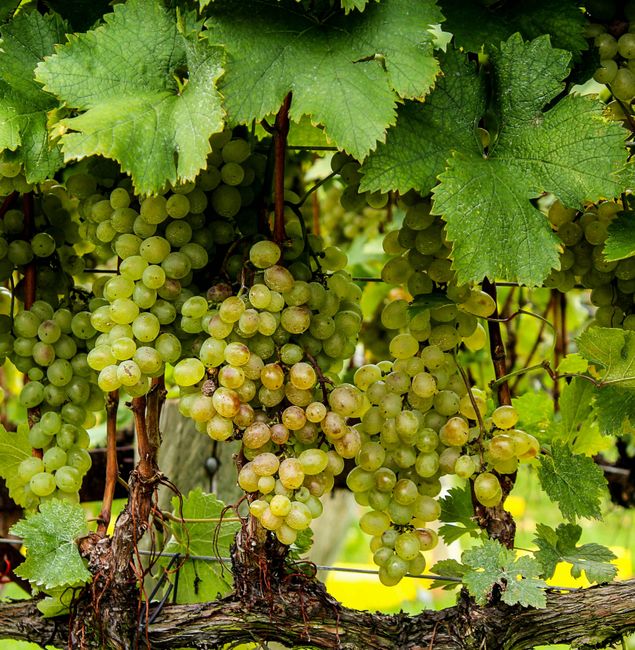
The Silent Thief: Addressing Magnesium Deficiency in Your Vineyard
Interveinal chlorosis, stunted shoot growth, poor fruit set, and reduced Brix levels – these are the insidious signs that often signal a magnesium (Mg) deficiency in your vineyard. This critical nutrient, vital for chlorophyll production and numerous enzymatic processes, can quietly erode your yield potential and fruit quality, costing you significantly in lost revenue and increased management efforts. Ignoring these symptoms can lead to chronic underperformance, impacting subsequent seasons and diminishing the long-term viability of your block. Understanding the nuances of magnesium application – specifically soil vs. foliar – is paramount for experienced vineyard managers aiming for optimal vine health and productivity.
Understanding Magnesium's Role and Deficiency Symptoms
Magnesium serves as the central atom in the chlorophyll molecule, making it indispensable for photosynthesis. Beyond this, it activates over 300 enzymes involved in energy transfer, protein synthesis, and nutrient transport within the vine. A deficiency directly impairs these functions, leading to visible symptoms and systemic stress.
Visual Cues and Impact
- Interveinal Chlorosis: The most common symptom, where leaf tissue between the veins turns yellow while the veins remain green. This typically begins on older leaves as Mg is mobile within the plant.
- Necrosis: Severe or prolonged deficiency can lead to brown, necrotic spots on leaves, particularly at the margins.
- Reduced Vigor: Shorter internodes, smaller leaves, and overall stunted growth.
- Poor Fruit Set: Impaired photosynthesis can reduce carbohydrate reserves, leading to fewer berries per cluster.
- Lower Brix: Reduced sugar accumulation in berries due to compromised photosynthetic efficiency.
Diagnostic Thresholds
Accurate diagnosis is crucial. Rely on comprehensive soil and tissue analysis rather than visual symptoms alone, as other deficiencies (e.g. potassium) or environmental stressors can mimic Mg deficiency.
| Test Type | Sample Timing | Deficient Range | Adequate Range |
|---|---|---|---|
| Soil Analysis (Exchangeable Mg) | Dormant Season / Pre-planting | < 50 ppm or < 5% of CEC | 60-150 ppm or 8-15% of CEC |
| Petiole Analysis (Post-Bloom) | 70-100% capfall | < 0.25% Mg (dry weight) | 0.30-0.60% Mg (dry weight) |
| Petiole Analysis (Veraison) | Onset of berry softening | < 0.20% Mg (dry weight) | 0.25-0.50% Mg (dry weight) |
Remediation Strategies: Soil Application
Soil application is generally preferred for correcting chronic or severe magnesium deficiencies and for building long-term soil reserves. It addresses the root cause of the problem by making Mg available in the soil solution for continuous uptake by the roots.
When to Choose Soil Application
- When soil tests indicate low exchangeable magnesium or low Mg saturation on the cation exchange capacity (CEC).
- For long-term correction of persistent deficiencies.
- When soil pH also needs adjustment (e.g. dolomitic lime for low pH).
- During the dormant season or early spring for proactive nutrient management.
Step-by-Step Soil Application Process
- Conduct a Comprehensive Soil Test: Obtain a detailed soil analysis, including pH, CEC, and exchangeable nutrient levels (Mg, K, Ca). This forms the basis for accurate recommendations.
- Select Appropriate Material:
- Dolomitic Lime: If soil pH is below 6.0 and both Ca and Mg are low. Contains approximately 10-12% elemental Mg.
- Magnesium Sulfate (Epsom Salts): Water-soluble, provides quick availability. Contains approximately 9.8% elemental Mg.
- Potassium-Magnesium Sulfate (K-Mag): If both K and Mg are deficient. Contains approximately 11% elemental Mg and 22% elemental K.
- Magnesium Oxide: Slower release, higher concentration (approx. 55% elemental Mg), suitable for very long-term building.
- Calculate Application Rate: Based on soil test recommendations, calculate the required amount of elemental Mg per acre. Typical corrective rates range from 50 to 200 lbs of elemental Mg per acre, applied over 1-3 years depending on severity.
- Apply Evenly: Use a broadcast spreader (e.g. a calibrated Gandy, Salford, or Amazone spreader) to ensure uniform distribution across the vineyard floor. If possible, incorporate into the top few inches of soil.
- Irrigate: Apply irrigation after application to help dissolve and move the magnesium into the root zone.
Common Mistakes and Troubleshooting (Soil)
- Mistake: Applying without a soil test. Consequence: Over-application can lead to nutrient imbalances (e.g. K deficiency); under-application yields no results.
- Mistake: Ignoring soil pH. Consequence: Magnesium uptake is reduced in highly acidic soils (pH < 5.0) or highly alkaline soils (pH > 7.5).
- Mistake: High potassium (K) levels. Consequence: K can antagonize Mg uptake. Ensure K:Mg ratio in soil is balanced (ideally 3:1 to 5:1 for K:Mg on a CEC basis).
- Troubleshooting: If uptake is slow, check soil compaction and ensure adequate soil moisture. Consider adjusting pH if necessary.
"Soil application provides the foundational correction for magnesium deficiency, offering sustained availability that foliar sprays cannot replicate long-term."
Remediation Strategies: Foliar Application
Foliar application provides a rapid, temporary solution for magnesium deficiency. It is particularly effective for addressing acute symptoms during critical growth stages or when soil conditions limit root uptake.
When to Choose Foliar Application
- For quick relief of visible deficiency symptoms (e.g. interveinal chlorosis appearing post-bloom).
- During critical growth stages (pre-bloom, fruit set, veraison) when immediate nutrient availability is crucial.
- When soil application is impractical or uptake is hindered by soil conditions (e.g. high pH, cold soils, high K/Ca levels).
- As a supplementary treatment to a long-term soil amendment program.
Step-by-Step Foliar Application Process
- Identify Deficiency: Confirm deficiency via petiole analysis or clear visual symptoms.
- Select Material:
- Magnesium Sulfate (Epsom Salts): Most common and cost-effective. Typically applied as a 1-2% solution (e.g. 10-20 lbs MgSO4 per 100 gallons of water).
- Magnesium Nitrate: Higher solubility, often used in combination with other foliar nutrients. Contains approximately 9.5% elemental Mg.
- Prepare Solution: Dissolve the magnesium salt thoroughly in water. Ensure water quality is appropriate (pH 5.5-6.5 is often ideal for nutrient uptake and compatibility).
- Apply Evenly: Use a sprayer (e.g. air-blast sprayer like a Rears, Turbomist, or Pellenc) calibrated to ensure excellent leaf coverage, especially on the underside of leaves where stomata are abundant. Aim for fine droplets that adhere to the foliage without excessive runoff.
- Timing of Application: Apply early morning or late evening when temperatures are cooler (< 85°F / 30°C) and humidity is higher. This maximizes absorption and minimizes the risk of leaf burn. Avoid application just before rain, which can wash off the product.
- Repeat Applications: Multiple applications (2-4) at 10-14 day intervals may be necessary to sustain improvement, especially during periods of rapid growth.
Common Mistakes and Troubleshooting (Foliar)
- Mistake: Applying concentrated solutions. Consequence: Leaf burn (phytotoxicity). Always adhere to recommended rates and test on a small area first.
- Mistake: Poor coverage. Consequence: Ineffective uptake. Ensure sprayer calibration and adequate water volume (e.g. 50-100 gallons/acre for mature canopies).
- Mistake: Applying during hot, sunny conditions. Consequence: Rapid drying, reduced absorption, increased risk of burn.
- Troubleshooting: If symptoms persist, re-evaluate timing, concentration, and coverage. Consider a subsequent petiole analysis to confirm uptake.
Timeline Differences and Strategic Planning
The choice between soil and foliar application hinges on the severity, urgency, and underlying cause of the magnesium deficiency. A comprehensive nutrient management plan often incorporates both strategies.
| Feature | Soil Application | Foliar Application |
|---|---|---|
| Onset of Effect | Slow (weeks to months) | Rapid (days to weeks) |
| Duration of Effect | Long-term (multiple seasons) | Short-term (weeks) |
| Ideal Timing | Dormant season, early spring, post-harvest | Pre-bloom, fruit set, veraison |
| Suitability for Deficiency | Chronic, severe, foundational correction | Acute, mild-moderate, temporary relief |
| Nutrient Availability | Dependent on soil pH, moisture, CEC | Directly absorbed by leaves, less soil-dependent |
| Potential for Leaf Burn | None | Moderate, if rates are too high or conditions are hot |
| Typical Cost (per application) | Often higher initial material and application cost, but less frequent | Lower material cost per application, but more frequent applications |
Practical Examples
Example Scenario 1 (Chronic Deficiency): A vineyard manager receives a dormant season soil test report showing exchangeable Mg at 45 ppm and Mg saturation at 4% of CEC, with a pH of 5.8. Visual symptoms of interveinal chlorosis have been noted on older leaves in the block for two consecutive seasons, impacting vigor and fruit set. Given the low soil Mg and acidic pH, a long-term soil application strategy is chosen. The manager decides to apply dolomitic lime at an estimated rate of 2 tons per acre to raise pH and supply magnesium, spread evenly post-harvest and lightly incorporated. Subsequent soil tests in 12-18 months will monitor progress, with a follow-up application of magnesium sulfate possible if Mg levels remain low but pH is adequate.
Example Scenario 2 (Acute Deficiency): In mid-June, two weeks after fruit set, a block of Sauvignon Blanc begins showing distinct interveinal chlorosis on basal leaves. Recent petiole analysis from pre-bloom showed Mg at 0.23%. While a soil application is planned for the dormant season, immediate action is needed to prevent further impact on fruit development. The manager initiates a foliar spray program using magnesium sulfate (Epsom salts) at a 1.5% solution (15 lbs per 100 gallons of water), applied at 75 gallons per acre. Applications are scheduled for early morning, twice, with a 14-day interval, specifically targeting the affected block to provide rapid nutrient uptake during the critical cell division and enlargement phases of berry growth.
Actionable Next Steps
Effective management of magnesium deficiency requires a proactive, data-driven approach. Implement the following steps to optimize your vineyard's magnesium status:
- Conduct Annual Soil and Tissue Analysis: Establish a routine for collecting soil samples every 2-3 years and petiole samples annually (pre-bloom and veraison) for each block. This provides the foundational data for all nutrient management decisions.
- Consult with an Agronomist: Interpret your soil and tissue analysis results with a qualified viticultural agronomist. They can help identify underlying causes of deficiency (e.g. K antagonism, pH issues) and develop tailored recommendations.
- Develop a Multi-Year Nutrient Management Plan: Based on diagnostic results, create a strategic plan for magnesium correction, integrating both soil and foliar applications as appropriate for long-term health and acute needs.
- Utilize Vineyard Management Software: Track all soil tests, tissue analyses, and nutrient applications (dates, rates, products) using a robust platform like VinoBloc. This allows for historical data comparison, precise record-keeping, and correlation of treatments with vine performance.
- Monitor and Evaluate: Regularly scout vineyards for visual symptoms. After implementing treatments, conduct follow-up tissue analyses in subsequent seasons to verify uptake and assess the efficacy of your program. Success metrics include improved petiole Mg levels (e.g. >0.30% at post-bloom), reduced visual symptoms, enhanced vine vigor, and consistent fruit quality (e.g. target Brix levels).
Conclusion
Magnesium deficiency, if left unaddressed, can significantly compromise vineyard productivity and profitability. By understanding the distinct advantages and limitations of both soil and foliar applications, and by implementing a data-driven, strategic approach, experienced vineyard managers can effectively restore magnesium balance, ensuring healthier vines, higher quality fruit, and sustained vineyard performance. Proactive management, guided by thorough diagnostics and careful planning, is the cornerstone of success.
VinoBloc Team
Vineyard Management Experts
Ready to Transform Your Vineyard Management?
See how VinoBloc can help you streamline block-level data and harvest decisions.