
Mastering Pre-Emergent Herbicide Timing for Superior Vineyard Row Management
The Critical Challenge of Vineyard Weed Control
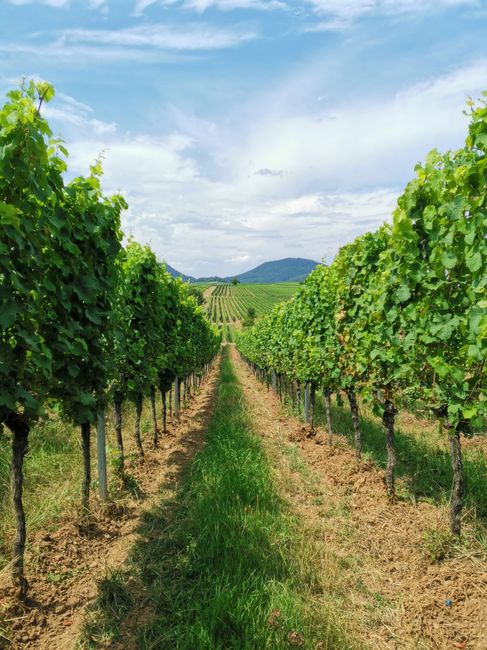
For experienced vineyard managers, the battle against vineyard weeds is a perennial and resource-intensive challenge. Unchecked weed growth in the vineyard row directly competes with vines for vital water, nutrients, and sunlight, leading to reduced vine vigor, compromised fruit quality, and potentially significant yield losses. The financial implications are substantial, encompassing increased labor costs for manual weeding, higher fuel consumption for mechanical cultivation, and diminished crop value. Effectively managing this competition is not merely about aesthetics; it is a fundamental aspect of sustainable vineyard profitability and long-term vine health.
Effective pre-emergent herbicide timing is not just a cost-saving measure; it is a strategic investment in vine health and vineyard productivity.
Understanding Pre-Emergent Action and Optimal Timing
Pre-emergent herbicides work by forming a chemical barrier in the soil, inhibiting weed seed germination or disrupting seedling root development shortly after germination. Their efficacy is highly dependent on precise application timing and environmental conditions.
The Science of Soil Activation
For a pre-emergent herbicide to be effective, it must be activated and incorporated into the upper soil profile where weed seeds reside. This activation typically requires rainfall or irrigation. Without sufficient moisture, the herbicide remains on the soil surface, susceptible to degradation by sunlight (photodegradation) or volatilization, significantly reducing its residual activity and overall effectiveness.
Key Environmental Triggers
Optimal timing for pre-emergent application hinges on predicting weed seed germination cycles. This often means targeting applications before soil temperatures consistently reach levels conducive to germination. For many common annual weeds in temperate climates, spring germination begins when soil temperatures at a 2-inch depth consistently rise above 45-50°F (7-10°C). A second application window may exist in late summer/early fall to control winter annuals before their germination in cooler temperatures.
| Application Window | Target Weeds | Key Considerations |
|---|---|---|
| Late Fall / Early Winter | Winter annuals (e.g. annual bluegrass, chickweed, shepherd's purse) | Apply before soil freezes; adequate moisture for activation. |
| Early Spring (Pre-Budbreak) | Summer annuals (e.g. foxtail, crabgrass, pigweed, lambsquarter) | Apply before soil temperatures consistently exceed 45-50°F (7-10°C) at 2-inch depth. |
Precision Application: A Step-by-Step Guide
Step 1: Site Assessment and Weed Identification
- Conduct thorough scouting: Identify predominant weed species in each block. Different pre-emergent herbicides target different weed spectra.
- Assess soil characteristics: Note soil type (sand, loam, clay), organic matter content, and pH. High organic matter can bind some herbicides, reducing efficacy, while soil texture influences herbicide persistence and leachability.
Step 2: Product Selection and Rotation
- Select appropriate active ingredients: Common options include Oryzalin (e.g. Surflan), Pendimethalin (e.g. Prowl H2O), Flumioxazin (e.g. Chateau WDG), Indaziflam (e.g. Alion), and combinations thereof. Consult local extension recommendations and product labels for specific vineyard use and efficacy on target weeds.
- Implement herbicide rotation: To prevent herbicide resistance, rotate between different herbicide groups (modes of action) annually or biannually. For example, alternate Group 3 (microtubule inhibitors) with Group 14 (PPO inhibitors) or Group 29 (cellulose biosynthesis inhibitors).
Step 3: Soil Preparation and Moisture Management
- Clear existing vegetation: Ensure the vineyard row is free of actively growing weeds at the time of application. This may require a burndown herbicide application (e.g. glyphosate, glufosinate) 7-14 days prior to pre-emergent application.
- Optimize soil surface: A relatively smooth, trash-free soil surface allows for better herbicide coverage and barrier formation. Avoid deep cultivation after application, as it can disrupt the herbicide barrier.
- Ensure post-application moisture: Plan applications when 0.25 to 0.5 inches (6-12 mm) of rainfall or irrigation is expected within 7-10 days of application for activation. If natural rainfall is insufficient, overhead irrigation may be necessary.
Step 4: Calibration and Application Technique
- Calibrate spray equipment: Accurately calibrate sprayers to ensure precise application rates. Nozzle selection is critical; flat-fan or air-induction nozzles are typically recommended for uniform coverage in the row. Maintain consistent ground speed (e.g. 2-3 mph or 3.2-4.8 km/h) and pressure (e.g. 30-40 psi or 200-275 kPa).
- Monitor environmental conditions: Apply when wind speeds are low (typically below 5-10 mph or 8-16 km/h) to minimize drift. Avoid application during temperature inversions.
- Adhere to label rates: Always follow product label recommendations for application rates, which are often expressed in ounces or pounds per acre (or grams/kilograms per hectare) of treated area. Adjust for band application if not treating the entire row middle.
Step 5: Post-Application Monitoring
- Regularly scout treated areas: Monitor for weed escapes or areas of poor control, which may indicate issues with timing, activation, or resistance.
- Document applications: Keep detailed records of herbicide used, application rates, dates, weather conditions, and observed efficacy. Vineyard management software like VinoBloc can facilitate meticulous record-keeping, aiding in compliance and future planning.
Common Mistakes and Their Consequences
Example Scenario (Hypothetical): Delayed Application
A vineyard manager intends to apply a spring pre-emergent herbicide. Due to unforeseen equipment issues and labor shortages, the application is delayed by two weeks. During this period, a warm spell combined with light rainfall leads to widespread germination of annual bluegrass and common chickweed. By the time the herbicide is applied, many weed seeds have already sprouted. The pre-emergent, designed to prevent germination, has limited efficacy on emerged weeds, leading to a flush of early-season weeds requiring costly post-emergent sprays or mechanical cultivation, increasing overall weed control expenses by an estimated 20-30% for that block.
Example Scenario (Hypothetical): Inadequate Soil Moisture
A pre-emergent herbicide is applied in early spring to a block with sandy loam soil. The forecast predicted rain, but only a trace amount occurs over the next week. Without the necessary 0.25-0.5 inches of rain, the herbicide remains largely on the soil surface, exposed to sunlight and wind. Within three weeks, a significant number of summer annuals, such as crabgrass and pigweed, begin to emerge vigorously. The lack of activation means the chemical barrier was never properly formed, resulting in poor weed control and necessitating additional herbicide passes, potentially increasing annual herbicide costs by an estimated 15-25% and adding labor for follow-up treatments.
Optimizing for Efficacy and Sustainability
Integrated Weed Management (IWM)
Pre-emergent herbicides are a powerful tool but should be part of a broader Integrated Weed Management (IWM) strategy. This includes cultural practices (e.g. cover cropping in row middles, proper vine nutrition), mechanical methods (e.g. under-vine cultivators, weeders), and strategic use of post-emergent herbicides. Diversifying weed control tactics reduces reliance on any single method, improving long-term sustainability and mitigating resistance development.
Leveraging Technology for Precision
Modern vineyard management benefits immensely from technology. Utilizing soil temperature probes to monitor conditions at critical depths, coupled with localized weather forecasts, allows for highly precise timing decisions. Data collected and analyzed through platforms like VinoBloc can track historical weed pressure, application records, and efficacy, providing valuable insights for refining future pre-emergent strategies. This data-driven approach moves beyond guesswork, enabling more proactive and effective weed management.
Actionable Next Steps for Vineyard Managers
To optimize your pre-emergent herbicide program, consider these immediate actions:
- Review and Update Weed Maps: Within the next month, conduct a comprehensive vineyard-wide weed assessment, updating maps of prevalent species and identifying any emerging herbicide-resistant populations.
- Calibrate Sprayers Annually: Prior to the next application season (e.g. within 2-3 months), ensure all spray equipment is professionally calibrated and maintained, verifying nozzle performance and flow rates for consistent application.
- Develop a Rotation Plan: Before ordering next season's herbicides, consult with your agronomist to finalize a multi-year herbicide rotation strategy that incorporates different modes of action to prevent resistance.
- Integrate Weather Monitoring: Implement or enhance real-time soil temperature and moisture monitoring in key blocks to inform precise application timing for the upcoming season.
Implementation Timeline: These actions should be completed within the next 1-3 months to prepare for upcoming fall or spring applications.
Success Metrics: Track year-over-year reductions in early-season weed biomass, decreased reliance on post-emergent herbicides, and reduced labor hours for manual weeding as indicators of improved pre-emergent efficacy.
Conclusion
Mastering pre-emergent herbicide timing is a cornerstone of effective vineyard row management. By understanding the science behind these products, meticulously planning applications based on environmental triggers, and integrating them into a comprehensive IWM strategy, vineyard managers can significantly reduce weed competition, protect vine health, and enhance the economic viability of their operations. Precision and proactive management are key to turning the challenge of weed control into a competitive advantage.
VinoBloc Team
Vineyard Management Experts
Ready to Transform Your Vineyard Management?
See how VinoBloc can help you streamline block-level data and harvest decisions.