Mitigating Delayed Bud Break: The Critical Impact of Pruning Timing
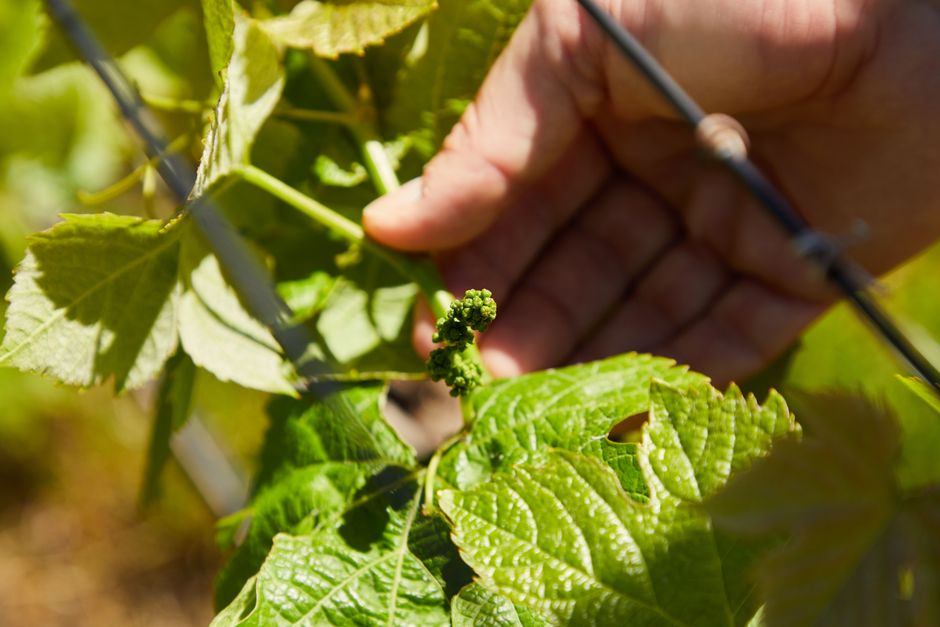
The Cost of Late Pruning: Uneven Bud Break and Lost Potential
As an experienced vineyard manager, you understand that uniform bud break is foundational to a successful growing season. When bud break is delayed and uneven across blocks or even within individual vines, the consequences ripple through the entire season: staggered bloom, uneven fruit set, prolonged and inefficient harvest windows, and ultimately, compromised fruit quality and reduced yield. This variability translates directly into increased labor costs, potential market penalties for inconsistent fruit, and a diminished return on investment. While temperature fluctuations are often the primary suspect for delayed bud break, another significant, yet often overlooked, physiological factor is pruning timing, particularly when performed too late in the dormant season.
Key Insight: Late-season pruning, especially after initial sap flow has commenced, can induce physiological shock in vines, leading to delayed and asynchronous bud break.
Understanding the Mechanism: Sap Flow and Vine Response
Grapevines naturally prepare for bud break by mobilizing stored carbohydrates and initiating sap flow from the roots upwards. This process typically begins when soil temperatures rise and ambient temperatures consistently exceed 7-10°C (45-50°F) for several consecutive days. Pruning during this critical period, when the vine is actively pushing sap, can cause significant 'bleeding' from the cut wounds. This bleeding represents a loss of valuable stored reserves and can disrupt the delicate hormonal balance that signals buds to swell and break uniformly. The vine expends energy to seal these wounds, diverting resources away from bud development, resulting in a physiological setback that manifests as delayed and often irregular bud break.
| Pruning Period | Vine State | Risk of Delayed Bud Break |
|---|---|---|
| Early Dormancy (Post-Leaf Drop to Dec/Jan) | Fully Dormant, Minimal Sap Flow | Low |
| Mid-Dormancy (Jan/Feb) | Dormant, Sap Flow Imminent/Beginning | Moderate |
| Late Dormancy / Early Spring (Mar/Apr, pre-bud break) | Active Sap Flow, Bud Swell Approaching | High |
Actionable Steps to Optimize Pruning Timing and Bud Break
- Prioritize Early Dormancy Pruning: Aim to complete the majority of your pruning during early to mid-dormancy, typically from December through February in many temperate regions, well before the onset of consistent spring temperatures. This allows wounds to heal during the vine's deepest dormancy, minimizing sap loss and physiological stress.
- Specification: Target completion of primary pruning cuts before ambient temperatures consistently exceed 7°C (45°F) for more than three consecutive days.
- Monitor Sap Flow Indicators: Regularly inspect pruned canes for signs of 'weeping' or sap exudation. If weeping is observed, it indicates active sap flow, and further pruning should be approached with caution or postponed if possible. Utilize soil temperature probes to monitor root activity; sap flow typically correlates with rising soil temperatures at 15-30 cm (6-12 inches) depth.
- Equipment: Use professional-grade soil thermometers or digital probes.
- Consider Double Pruning for Challenging Varieties/Blocks: For varieties prone to late bud break or in blocks where resources are stretched, consider a two-stage pruning approach. Make rough cuts in early dormancy, then return for final precision cuts closer to bud break. This minimizes the number of major cuts made during critical sap flow periods.
- Troubleshooting: If significant bleeding occurs during final pruning, consider applying a fungicidal pruning sealant to large wounds (greater than 1 cm diameter) to prevent disease entry.
- Strategic Use of Bud-Breaking Agents (If Permitted and Necessary): In regions where delayed bud break is a persistent issue, and where local regulations allow, growth regulators such as hydrogen cyanamide (e.g. a 2-5% solution) can be applied. This is a powerful tool to synchronize bud break, but requires precise timing and strict safety protocols.
- Specification: Apply 30-45 days prior to anticipated natural bud break, ensuring thorough coverage of dormant buds. Consult local agricultural extension for approved products and application rates specific to your region and grape variety.
- Safety Consideration: Always wear appropriate Personal Protective Equipment (PPE) including chemical-resistant gloves, eye protection, and a respirator when handling and applying hydrogen cyanamide. Follow all manufacturer instructions and local regulations rigorously.
Example Scenario (Hypothetical):
A vineyard manager in a cool-climate region consistently experienced delayed bud break in a specific Pinot Noir block. Analysis revealed that this block, due to labor scheduling, was often the last to be pruned, sometimes extending into late March when daytime temperatures were routinely hitting 12-15°C (54-59°F). By shifting the pruning schedule to complete this block by mid-February, before significant sap movement, the vineyard observed a more uniform bud break, estimated to be 7-10 days earlier than previous seasons, leading to a more compressed and efficient harvest window.
Immediate Actionable Next Steps
- Review Pruning Schedule: Immediately assess your current and planned pruning timelines for the upcoming season. Identify any blocks or varieties consistently pruned late.
- Train Pruning Crews: Ensure all pruning personnel understand the critical importance of timing and the physiological impact of late cuts. Emphasize clean cuts and proper wound management.
- Implement Monitoring Protocols: Begin tracking ambient and soil temperatures and visually inspecting vines for early signs of sap flow (weeping). Utilize vineyard management software like VinoBloc to log pruning dates, observations, and subsequent bud break timing for detailed analysis.
- Pilot Early Pruning in a Problem Block: Select a small, representative block that has historically suffered from delayed bud break due to late pruning. Implement an early dormancy pruning strategy for this block and meticulously track its bud break against control blocks.
Implementation Timeline: Initiate schedule review and crew training within the next 2-4 weeks. Begin monitoring protocols immediately. Pilot early pruning during the current dormant season. Success Metrics: Reduced variability in bud break timing (aim for less than 5-day spread across a block), more uniform shoot growth, and a more concentrated harvest window in targeted blocks. Track these metrics using your vineyard data management system.
VinoBloc Team
Vineyard Management Experts
Ready to Transform Your Vineyard Management?
See how VinoBloc can help you streamline block-level data and harvest decisions.