Optimizing Vineyard Health and Quality: A Guide to Strategic Leaf Removal
The Critical Challenge of Canopy Management
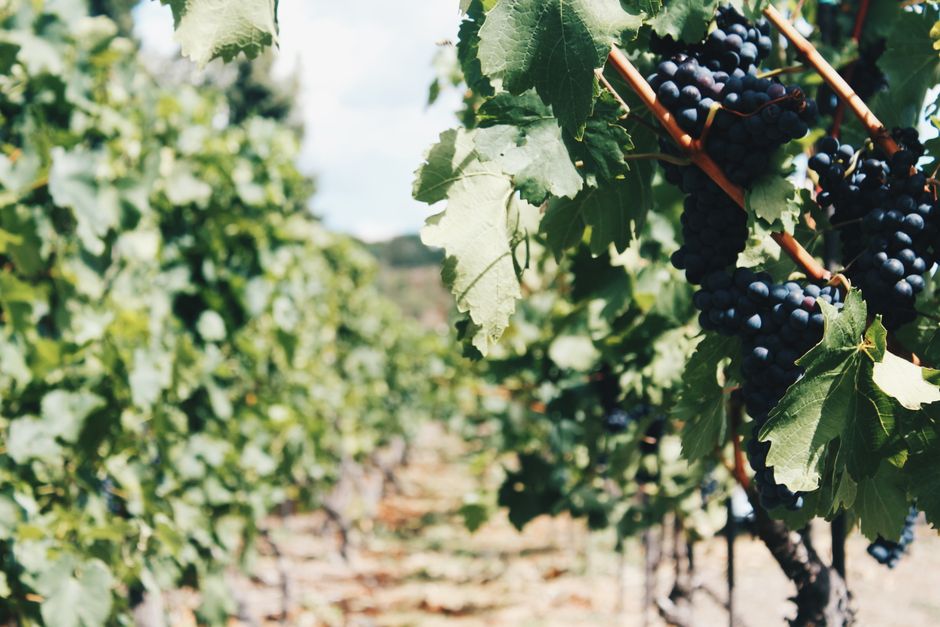
As an experienced vineyard manager, you understand the delicate balance required to cultivate exceptional grapes. One persistent challenge that significantly impacts fruit quality, yield, and overall vineyard health is managing canopy density. When leaves in the fruit zone become excessive, you face immediate and long-term consequences: reduced light penetration, poor air circulation, increased disease pressure, decreased spray efficacy, and uneven fruit ripening. These issues collectively lead to compromised grape quality, potentially resulting in lower market value for your harvest and increased operational costs for disease mitigation and selective picking. Ignoring this crucial aspect of viticulture can translate into substantial economic losses, impacting profitability across your vineyard operations.
Understanding the Science of Leaf Removal
Strategic leaf removal is a precision viticultural practice aimed at optimizing the microclimate around grape clusters. The goal is to achieve a balance between photosynthesis, which requires ample leaf surface, and fruit exposure, which enhances quality attributes. Research indicates that targeted leaf removal can significantly influence grape composition, including anthocyanin development, tannin polymerization, and the reduction of undesirable methoxypyrazine compounds, particularly in varieties like Cabernet Sauvignon and Sauvignon Blanc.
Optimal Timing for Maximum Impact
The timing of leaf removal is paramount, dictating the physiological response of the vine and the resulting impact on fruit. There are generally two primary windows for intervention:
- Early Leaf Removal (ELR): Pre-bloom to Berry Set (E-L 19 to E-L 27)
This phase, typically from flower caps separating (E-L 19) to berries reaching pea-size (E-L 27), focuses on manipulating fruit set and cluster architecture. Removing basal leaves during this period can reduce cluster compactness, thereby decreasing susceptibility to diseases like Botrytis cinerea. It also improves fungicide penetration and can influence berry size and skin-to-pulp ratio.
- Late Leaf Removal (LLR): Veraison to Pre-harvest (E-L 35 to E-L 37)
Conducted as berries begin to color (E-L 35) through the softening stage (E-L 37), LLR primarily aims to enhance fruit quality parameters such as color, flavor, and aroma precursors. Increased light exposure at this stage promotes the degradation of chlorophyll and the synthesis of anthocyanins and other phenolic compounds. It also aids in reducing localized humidity, further mitigating disease risk.
Precision Specifications for Leaf Removal
Effective leaf removal requires adherence to specific guidelines to avoid detrimental effects such as sunburn or reduced photosynthetic capacity.
| Parameter | Early Leaf Removal (ELR) | Late Leaf Removal (LLR) |
|---|---|---|
| Timing | E-L 19 (flower caps separating) to E-L 27 (berries pea-size) | E-L 35 (berries begin to color) to E-L 37 (berries begin to soften) |
| Target Leaves | 2-4 basal leaves per shoot, directly shading clusters. Focus on the east side of north-south rows, or morning sun exposure. | Leaves hindering air circulation and direct sunlight. Selective removal for optimal exposure. Avoid excessive removal on west-facing sides in hot climates. |
| Light Penetration Goal | Target 30-50% diffuse light into the fruit zone. | Target 40-60% direct sunlight into the fruit zone, depending on variety and climate. |
| Equipment | Hand labor for precision; Mechanical leaf removers (e.g. Pellenc 3000, Gregoire GLR) for efficiency in large blocks. | Primarily hand labor for fine-tuning, especially for high-value blocks or sensitive varieties. |
| Sunburn Risk Threshold | Avoid exposing fruit to direct sunlight when temperatures exceed 32°C (90°F) for prolonged periods, especially on sensitive varieties. | Monitor fruit zone temperature; sustained temperatures above 35°C (95°F) with high UV can cause significant damage. |
"The art of leaf removal lies in understanding the specific needs of each block and variety, balancing light exposure with protection from environmental stress." - Viticultural Expert Consensus
Step-by-Step Implementation and Best Practices
Phase 1: Early Leaf Removal (ELR)
- Canopy Assessment: Before bloom, assess shoot vigor, leaf layer density, and anticipated fruit set. Identify blocks prone to dense canopies or disease.
- Target Identification: Focus on removing the 2-4 oldest, most basal leaves that directly shade the developing clusters. Prioritize leaves on the morning-sun side (typically east-facing in north-south rows) to maximize early light exposure.
- Method Selection:
- Hand Removal: Ideal for smaller blocks, high-value varieties, or when precision is paramount. Allows for selective removal and minimal damage.
- Mechanical Removal: For larger vineyards, mechanical leaf removers like the Pellenc 3000 or Gregoire GLR can cover significant acreage efficiently. Calibrate settings to remove leaves without damaging shoots or clusters. Typical settings might involve fan speeds of 1500-2000 RPM for vacuum models, or specific roller gaps for defoliators, adjusted based on canopy density.
- Execution: Remove leaves carefully, ensuring not to strip too many leaves, which could reduce photosynthetic capacity and stress the vine. Aim for an open fruit zone that allows dappled light.
- Post-Application Monitoring: Monitor for any signs of stress or sunburn, especially if followed by a heatwave. Adjust subsequent canopy management practices accordingly.
Phase 2: Late Leaf Removal (LLR)
- Ripening and Disease Assessment: At veraison, evaluate berry color development, Brix levels, and any visible signs of disease pressure. Consider the target wine style.
- Target Identification: Selectively remove leaves that are still heavily shading clusters, impeding air circulation, or preventing full color development. This is often more targeted than ELR.
- Method Selection: LLR is predominantly performed by hand, allowing for nuanced decisions based on individual cluster exposure and ripeness. Mechanical options are less common at this stage due to increased risk of fruit damage. \
- Execution: Focus on removing leaves from the immediate cluster vicinity, prioritizing those on the afternoon-sun side in cooler climates, or maintaining some protective leaves on the west side in hotter regions to prevent sunburn.
- Post-Application Monitoring: Continuously track fruit temperature, color uniformity, and disease incidence. Use tools like a handheld refractometer for Brix readings and visual assessment for color. Consider using VinoBloc to log observations and compare ripening data across different leaf removal treatments.
Troubleshooting and Safety
- Sunburn: If sunburn occurs, especially on thin-skinned varieties or in hot climates, reduce the extent of future leaf removal. Consider leaving some dappled shade. Sunburn can reduce yield by 10-20% and significantly impact fruit quality.
- Over-Exposure: Excessive leaf removal can lead to premature defoliation, reduced sugar accumulation, and increased susceptibility to heat stress. Ensure sufficient leaf area remains for photosynthesis.
- Insufficient Removal: This negates the benefits, leading to continued disease pressure (e.g. 25% higher Botrytis incidence) and poor fruit quality (e.g. 15% lower anthocyanin levels).
- Safety: When operating mechanical leaf removers, ensure all safety guards are in place. Personnel should wear appropriate Personal Protective Equipment (PPE), including eye and hearing protection. For hand labor, ensure proper hydration and sun protection, especially during prolonged work in the vineyard.
Real-World Impact and Common Mistakes
Case Studies: Measurable Outcomes
- Case Study 1 (Early Leaf Removal - Cabernet Sauvignon): A vineyard in Napa Valley implemented ELR at berry set across 50% of its Cabernet Sauvignon blocks. Compared to control blocks, the treated sections showed a 25% reduction in *Botrytis cinerea* incidence and a 15% improvement in color uniformity at harvest, attributed to better air circulation and spray penetration.
- Case Study 2 (Late Leaf Removal - Pinot Noir): A vineyard in Oregon's Willamette Valley conducted LLR at veraison on a Pinot Noir block. This intervention resulted in a 10% increase in anthocyanin content and a 5% reduction in undesirable pyrazine compounds, leading to a more vibrant and fruit-forward wine profile compared to an untreated adjacent block.
Avoiding Common Pitfalls
Vineyard managers often encounter challenges that can undermine the benefits of leaf removal:
- Mistake: Removing too many leaves too early.
Consequence: Increased risk of sunburn on developing berries, reduced photosynthetic capacity, and potential for delayed ripening. Studies show that severe early defoliation can reduce yield by up to 20%.
- Mistake: Inconsistent application across the vineyard.
Consequence: Uneven ripening within blocks, leading to varied grape quality at harvest and challenges in achieving desired wine profiles.
- Mistake: Ignoring variety-specific requirements.
Consequence: Thin-skinned varieties like Pinot Noir or Gewürztraminer are more susceptible to sunburn with excessive exposure, while thicker-skinned varieties like Cabernet Sauvignon can tolerate more direct sunlight.
- Mistake: Failure to adapt to changing weather conditions.
Consequence: Performing leaf removal just before an unexpected heatwave can lead to severe fruit damage. Flexibility and monitoring weather forecasts are crucial.
Actionable Next Steps for Your Vineyard
To integrate or refine your leaf removal strategy for optimal results, consider these immediate actions:
- Conduct a Comprehensive Vineyard Assessment (Within 2 Weeks): Walk through each block, assessing canopy vigor, anticipated fruit load, and historical disease pressure. Identify specific blocks and varieties that would benefit most from early or late leaf removal based on their current growth stage and historical performance.
- Develop a Phased Leaf Removal Plan (Within 3 Weeks): Outline precise timing for both ELR and LLR for each identified block. Specify the method (hand vs. mechanical), the number of leaves to be removed, and the target light exposure levels. Document these plans within your vineyard management system, such as VinoBloc, to track progress and gather data.
- Train Crew and Calibrate Equipment (Before Implementation): Ensure all vineyard personnel involved in leaf removal are thoroughly trained on the precise techniques, safety protocols, and the specific goals for each block. If using mechanical removers, calibrate them rigorously to avoid fruit damage or over-defoliation. Conduct small test strips to confirm optimal settings.
- Implement and Monitor Systematically (Throughout Growing Season): Execute the plan according to the established timelines. Continuously monitor the fruit zone microclimate, fruit development, and any signs of stress or disease. Record observations, labor hours, and any adjustments made using VinoBloc. This data is invaluable for post-harvest analysis.
- Post-Harvest Analysis and Refinement (After Harvest): Review the collected data on fruit quality (Brix, pH, TA, anthocyanins), disease incidence, and yield in relation to your leaf removal strategies. Use this analysis to refine your approach for subsequent growing seasons, continuously improving efficiency and grape quality.
By adopting a systematic and data-driven approach to leaf removal, vineyard managers can significantly enhance grape quality, improve vineyard health, and ultimately contribute to the production of superior wines.
VinoBloc Team
Vineyard Management Experts
Ready to Transform Your Vineyard Management?
See how VinoBloc can help you streamline block-level data and harvest decisions.