
Powdery Mildew in Vineyards: The Complete Prevention & Treatment Guide
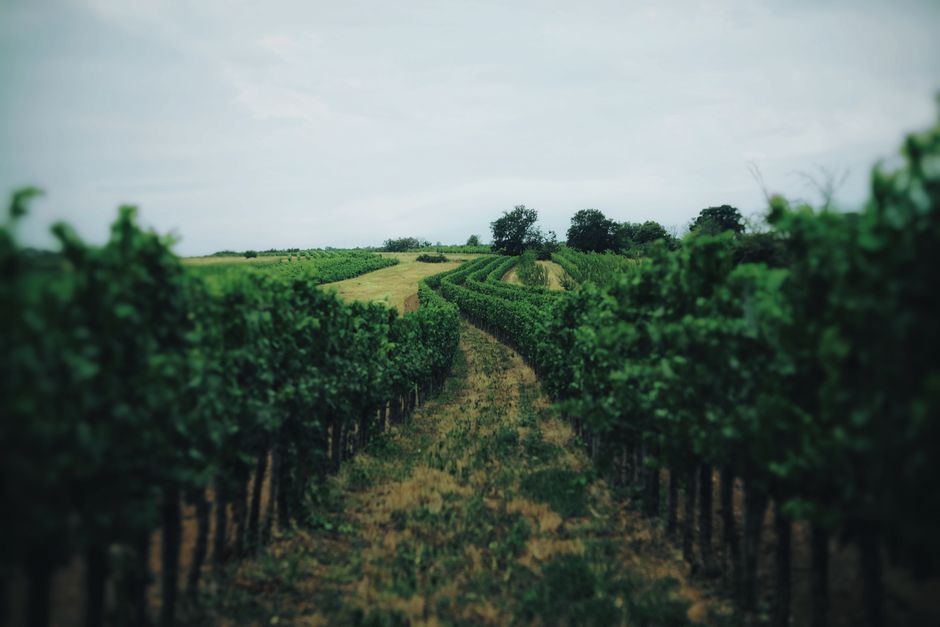
Powdery mildew, caused by the obligate biotrophic fungus Erysiphe necator (formerly Uncinula necator), stands as one of the most persistent and economically damaging diseases in viticulture worldwide. Its pervasive nature and rapid reproductive cycle necessitate a comprehensive and proactive management approach to protect grape quality and yield. This definitive guide provides vineyard managers, viticulturists, and growers with an exhaustive resource for understanding, preventing, and treating powdery mildew, from its microscopic origins to advanced technological solutions.
Executive Summary: Your Definitive Guide to Powdery Mildew Control
Powdery mildew (Erysiphe necator) is a pervasive fungal disease threatening global viticulture, capable of causing significant crop loss and impacting wine quality. This comprehensive guide is specifically designed for vineyard managers, viticulturists, and grape growers seeking to implement robust, data-driven strategies for disease control. It addresses the critical challenge of maintaining vine health and ensuring a high-quality harvest in the face of this persistent pathogen.
By delving into the intricate details of powdery mildew management, this resource aims to equip readers with the knowledge and tools to minimize disease incidence, optimize treatment efficacy, and safeguard vineyard productivity. Understanding the pathogen's life cycle, environmental triggers, and the nuances of various control methods is paramount for successful long-term management.
Upon completing this guide, the reader will be able to:
- Accurately identify powdery mildew symptoms at various stages of vine development.
- Understand the environmental conditions conducive to disease development and spread.
- Implement effective cultural practices to reduce disease pressure proactively.
- Design and execute a targeted fungicide program, including conventional and organic options, while managing resistance risks.
- Leverage modern monitoring techniques and vineyard software for informed decision-making.
- Troubleshoot common issues in powdery mildew management and adapt strategies to regional specificities.
Estimated reading time: 25-30 minutes
Table of Contents
- Executive Summary: Your Definitive Guide to Powdery Mildew Control
- What is Powdery Mildew and Why is it a Critical Threat to Vineyards?
- Proactive Prevention: Best Practices for Mitigating Powdery Mildew Risk
- Chemical Control Strategies: Designing an Effective Fungicide Program
- Organic and Biological Approaches: Sustainable Powdery Mildew Management
- Advanced Monitoring and Decision-Making: Leveraging Technology for Control
- Tools & Resources for Powdery Mildew Management
- Key Takeaways for Effective Powdery Mildew Control
What is Powdery Mildew and Why is it a Critical Threat to Vineyards?
How to Identify Powdery Mildew in Vineyards?
Powdery mildew, caused by Erysiphe necator, is characterized by its distinctive white, powdery growth on the surface of grapevine tissues. Accurate and early identification is crucial for effective management. Symptoms typically begin as small, white, circular patches that can expand to cover entire leaves, shoots, and grape clusters.
Visual Identification at Different Stages:
- Leaves: Initial symptoms appear as chlorotic spots on the upper leaf surface, quickly developing into white, powdery colonies. Infected leaves may become distorted, crinkled, or brittle. In late season, small, black fruiting bodies called cleistothecia may become visible within the white patches, particularly on the underside of leaves.
- Shoots: Young, green shoots are highly susceptible, developing white, powdery lesions that can turn brown or black as the tissue matures, leading to stunted growth or malformation. Severely infected shoots may fail to lignify properly, making them more susceptible to winter damage.
- Berries: Berries are most vulnerable from fruit set until veraison (approximately 8% sugar content). Early infections cause a net-like russeting on the berry surface, which can crack, allowing secondary infections by other fungi like Botrytis. Severely infected berries may fail to develop, shrivel, or split, leading to significant yield loss and off-flavors in wine.
- Flowers: Although less common, flower clusters can also be infected, leading to poor fruit set and reduced yields.
Life Cycle and Environmental Factors:
Erysiphe necator overwinters primarily as cleistothecia in bark crevices or bud scales. In spring, when temperatures reach approximately 50°F (10°C) and sufficient moisture is present (e.g. rain event), ascospores are released. These ascospores are the primary inoculum, initiating the first infections on young, developing tissues. Once established, the fungus produces asexual spores called conidia, which are responsible for rapid secondary spread throughout the growing season. Conidia can germinate and infect tissues under a wide range of temperatures, with optimal conditions between 68-77°F (20-25°C). Unlike many fungal diseases, powdery mildew does not require free water for infection; high relative humidity (above 70%) is sufficient, especially within dense canopies. However, heavy rainfall can wash conidia off surfaces, temporarily reducing disease pressure.
Economic Impact:
The economic impact of powdery mildew can be substantial. Yield losses can range from 10% to 80% in severe cases, depending on the timing and intensity of infection. Beyond yield reduction, quality parameters are severely affected, leading to reduced sugar accumulation, altered color, and undesirable flavors in wine. Wines made from infected grapes often exhibit a 'moldy' or 'mildewy' aroma and taste, rendering them unmarketable or significantly devalued. This makes early detection and consistent management critical for vineyard profitability.
Common Mistakes: Misidentifying early symptoms as dust or other minor issues, or underestimating the rapid spread potential once conditions become favorable. Ignoring the role of cleistothecia as primary inoculum source can lead to recurrent infections.
Proactive Prevention: Best Practices for Mitigating Powdery Mildew Risk
How to Prevent Powdery Mildew in Grapevines?
Effective powdery mildew management begins with proactive prevention through cultural practices that reduce disease pressure and create an unfavorable environment for fungal development. These strategies are foundational, complementing any chemical or organic spray program.
1. Site Selection and Vineyard Design:
When establishing new vineyards, prioritize sites with good air circulation and sufficient sun exposure. Orient rows to maximize sunlight penetration and prevailing winds. Vine spacing should allow for adequate light and airflow; typical modern spacing ranges from 6-8 feet between rows and 3-6 feet between vines (1.8-2.4m x 0.9-1.8m). Densely planted vineyards, while potentially increasing yield, can create microclimates conducive to disease.
2. Canopy Management:
Canopy management is the single most important cultural practice for powdery mildew prevention. A well-managed canopy ensures good light penetration and air circulation, reducing humidity within the fruiting zone and promoting rapid drying of leaf surfaces. This directly inhibits spore germination and mycelial growth.
Step-by-Step Canopy Management Guide:
- Winter Pruning: Remove all diseased wood and mummified berries to reduce overwintering inoculum. Aim for a balanced vine, typically leaving 10-15 nodes per pound of pruning weight.
- Shoot Thinning (Early Spring): Perform when shoots are 4-6 inches (10-15 cm) long. Remove excess shoots, particularly those arising from latent buds or suckers, to achieve a shoot density of 3-5 shoots per linear foot of cordon. This opens up the canopy early.
- Leaf Removal (Pre-Bloom to Post-Fruit Set): Strategically remove 3-5 basal leaves per shoot, primarily on the morning sun side, to expose clusters to dappled sunlight and improve airflow. The goal is to achieve a leaf layer count of approximately 1.5-2.0 leaves per grape cluster. Avoid excessive leaf removal, especially in hot climates, which can lead to sunburn.
- Shoot Positioning and Hedging (Throughout Growing Season): Train shoots vertically (e.g. VSP system) to prevent shading and promote an open canopy. Hedge shoots when they extend significantly beyond the trellis wire, typically in late spring/early summer, to maintain an optimal canopy depth of 2-3 feet (0.6-0.9m).
Regional Considerations: In cooler, wetter regions (e.g. Pacific Northwest, certain European appellations), more aggressive leaf removal might be beneficial to dry out canopies. In hot, arid regions (e.g. Central Valley California, parts of Australia), careful leaf removal is needed to balance disease prevention with sunburn protection.
3. Water and Nutrient Management:
Avoid overhead irrigation, which can create humid conditions within the canopy, even if free water isn't required for infection. Drip irrigation is preferred. Manage nitrogen fertilization carefully; excessive nitrogen promotes lush, dense canopy growth, which can exacerbate powdery mildew problems. Conduct soil and petiole analyses to ensure balanced nutrition without over-fertilization.
Common Mistakes: Over-fertilizing with nitrogen leading to dense canopies, delaying shoot thinning until the canopy is already dense, or removing too many leaves too late in the season, causing sunburn. Inadequate winter cleanup of diseased wood also contributes to recurrent issues.
Chemical Control Strategies: Designing an Effective Fungicide Program
What are the Best Fungicides for Powdery Mildew?
Chemical control remains a cornerstone of powdery mildew management in many conventional vineyards. An effective fungicide program relies on understanding fungicide modes of action, precise timing, and robust resistance management strategies.
Fungicide Types and Modes of Action (MOA):
Fungicides are categorized by their Mode of Action (MOA) and assigned FRAC (Fungicide Resistance Action Committee) codes. Rotating between different FRAC codes is essential to prevent the development of fungicide-resistant strains of Erysiphe necator.
| Fungicide Class (FRAC Code) | Active Ingredients (Examples) | Mode of Action | Key Characteristics & Resistance Risk | Application Window |
|---|---|---|---|---|
| Sulfur (M2) | Elemental Sulfur | Multi-site contact; inhibits respiration | Low resistance risk; excellent protective, some eradicant. Can be phytotoxic above 90°F (32°C). Not effective at very low temperatures. | Early season (bud break to veraison); protective |
| Sterol Inhibitors (DMI) (3) | Myclobutanil, Tebuconazole, Fenarimol | Inhibits ergosterol biosynthesis (cell membrane) | Systemic, protective & eradicant. Moderate to high resistance risk if overused. | Pre-bloom to veraison; alternating with other MOAs |
| Strobilurins (QoI) (11) | Azoxystrobin, Kresoxim-methyl, Pyraclostrobin | Inhibits mitochondrial respiration | Systemic, protective & limited eradicant. High resistance risk; strict use limits (e.g. 2-4 applications/season). | Pre-bloom to veraison; alternating with other MOAs |
| SDHIs (7) | Boscalid, Fluopyram, Fluxapyroxad | Inhibits succinate dehydrogenase (respiration) | Systemic, protective & limited eradicant. Moderate to high resistance risk; use in mixtures. | Pre-bloom to veraison; alternating with other MOAs |
| Quinoline/Benzophenone (13/U8) | Metrafenone, Flutianil | Disrupts fungal cell wall integrity/appressorium formation | Systemic, protective & eradicant. Low to moderate resistance risk. | Pre-bloom to veraison; good rotational partner |
| Inorganic Salts (NC) | Potassium bicarbonate | Contact; disrupts cell walls, desiccates mycelia | Low resistance risk; contact only, short residual. Organic option. | Protective & eradicant; often used in organic programs or as tank mix. |
Developing a Fungicide Spray Schedule:
A typical program involves a series of applications throughout the susceptible periods of vine growth:
- Dormancy/Bud Break (Early April): A 'clean up' dormant oil application can reduce overwintering inoculum.
- Pre-Bloom (1-5 inch shoots, Early May): Begin protective applications, often with sulfur (5-10 lbs/acre) or a systemic fungicide (e.g. DMI). Maintain a 7-10 day spray interval.
- Bloom to Post-Fruit Set (Late May - Mid-June): This is a critical period. Use systemic fungicides (DMI, QoI, SDHI, Quinoline) in rotation, maintaining 10-14 day intervals. Tank-mix with sulfur if temperatures permit. Consider applying fungicides with different modes of action in a single application to enhance efficacy and manage resistance.
- Berry Softening (Veraison, July - August): As berries become resistant to new infections, focus shifts to protecting existing clean fruit. Sulfur can be used if temperatures are suitable and PHI allows. Some systemic fungicides also have longer PHIs.
- Post-Harvest (Optional, for severe cases): If disease pressure was extremely high, a post-harvest application of a broad-spectrum fungicide can reduce overwintering inoculum.
Regional Considerations: Regulations on specific active ingredients, application rates, and re-entry intervals (REI) or pre-harvest intervals (PHI) vary significantly by country and even state/region. Always consult local agricultural extension services and product labels. In regions with high disease pressure (e.g. coastal California), shorter spray intervals (7-10 days) may be necessary, especially during critical growth stages.
Common Mistakes: Over-reliance on a single fungicide MOA, leading to resistance development. Skipping critical early-season sprays, allowing the disease to establish. Poor spray coverage due to incorrect nozzle selection or ground speed. Applying fungicides outside recommended temperature ranges (e.g. sulfur above 90°F / 32°C).
Organic and Biological Approaches: Sustainable Powdery Mildew Management
How to Treat Powdery Mildew Organically?
For vineyards committed to organic certification or seeking to reduce reliance on synthetic chemicals, a range of organic and biological control options are available. These approaches often require more frequent application and a deeper understanding of environmental conditions for optimal efficacy.
Organic Fungicides:
Several naturally derived compounds are effective against powdery mildew, primarily acting as protectants or having limited eradicant activity.
| Product Type | Active Ingredient | Mode of Action | Pros | Cons | Application Notes |
|---|---|---|---|---|---|
| Sulfur | Elemental Sulfur | Multi-site contact; inhibits respiration | Low resistance risk, broad-spectrum, cost-effective, protective & some eradicant. | Phytotoxic above 90°F (32°C), can burn young tissue, not effective below 60°F (15°C). | Often 3-5 lbs/acre. Apply early season (bud break to veraison). |
| Potassium Bicarbonate | Potassium Bicarbonate | Contact; disrupts cell walls, desiccates mycelia | Eradicant & protective, zero REI/PHI, low environmental impact. | Short residual activity, requires frequent application (5-7 days), can leave residue. | Typically 2-5 lbs/acre. Tank mix with horticultural oil for enhanced efficacy. |
| Horticultural Oils | Mineral Oil, Neem Oil | Suffocates fungal hyphae/spores, disrupts cell membranes | Eradicant & protective, low resistance risk, can control mites. | Can be phytotoxic if mixed with sulfur or applied in hot weather, short residual. | Often 1-2% solution. Apply pre-bloom or post-harvest, or carefully during season. |
| Biological Fungicides | Ampelomyces quisqualis (e.g. Vivando), Bacillus subtilis | Hyperparasitism (A. quisqualis), competitive exclusion/antibiosis (B. subtilis) | Sustainable, low resistance risk, safe for beneficials. | Requires specific environmental conditions, slower action, primarily protective. | Apply preventatively, often in rotation with other organic options. |
Implementing an Organic Spray Program:
Organic programs emphasize prevention and early intervention. Cultural practices (canopy management, sanitation) are even more critical. A typical organic spray schedule might look like this:
- Bud Break: Start with sulfur (3-5 lbs/acre) or horticultural oil to reduce primary inoculum.
- Pre-Bloom to Bloom: Continue sulfur applications (if temperatures are below 90°F / 32°C) at 7-10 day intervals. Introduce potassium bicarbonate (2-5 lbs/acre) or a biological fungicide (e.g. Ampelomyces quisqualis) in rotation or as a tank mix.
- Post-Bloom to Veraison: Maintain shorter spray intervals (5-7 days) during periods of high disease pressure and active growth. Rotate between sulfur, potassium bicarbonate, and horticultural oils. Consider biopesticides based on Bacillus subtilis.
- Post-Veraison: Continue applications as needed, but focus on products with minimal residue.
Integrated Pest Management (IPM) for Organic Systems:
Organic powdery mildew control is inherently an IPM approach. It combines:
- Cultural Controls: Aggressive canopy management, proper nutrition, sanitation.
- Biological Controls: Utilizing beneficial microorganisms that parasitize or compete with Erysiphe necator.
- Organic Fungicides: Strategically applying approved materials.
- Monitoring: Consistent scouting and disease modeling to inform application timing.
Regional Considerations: Organic certification standards (e.g. USDA Organic, EU Organic) dictate approved products and practices. Always verify that chosen products are compliant with your specific certification body. In humid organic vineyards, maintaining a strict spray schedule and robust canopy management is paramount.
Common Mistakes: Applying organic products too late after infection is established, as their eradicant activity is limited. Expecting the same residual efficacy as synthetic fungicides and thus extending spray intervals too long. Not accounting for temperature limitations of sulfur or oil sprays.
Advanced Monitoring and Decision-Making: Leveraging Technology for Control
How Can Technology Help Manage Powdery Mildew?
Modern viticulture increasingly relies on technology to enhance disease monitoring, optimize spray timings, and improve overall management efficiency. Integrating scouting data with environmental monitoring and vineyard software provides a powerful framework for proactive powdery mildew control.
1. Systematic Scouting Protocols:
Regular and systematic vineyard scouting is fundamental. It provides real-time data on disease incidence and severity, allowing for informed intervention. A robust scouting protocol involves:
- Frequency: Begin weekly scouting from bud break until veraison. Increase to twice weekly during periods of high risk (e.g. rapid shoot growth, warm and humid weather).
- Sampling Strategy: Walk diagonal patterns across blocks. Inspect at least 100-200 vines per block, focusing on 'hot spots' (areas with poor air circulation, dense canopy, or historical disease issues).
- Targeted Inspection: Examine 5-10 clusters and 10-20 leaves per vine. Look for early signs on basal leaves and within the cluster zone.
- Thresholds: Establish action thresholds. For powdery mildew, an incidence of 1-2% (e.g. 1-2 infected leaves or clusters out of 100 inspected) often warrants immediate treatment, especially during critical berry development stages.
Troubleshooting: If scouting reveals uneven disease distribution, it may indicate issues with spray coverage or localized microclimates. Investigate sprayer calibration, nozzle wear, or canopy density in affected areas.
2. Disease Predictive Models:
Disease models integrate weather data (temperature, relative humidity, leaf wetness) to predict the risk of powdery mildew infection and sporulation events. These models are based on the pathogen's biology and provide guidance on optimal spray timings, potentially reducing unnecessary applications while ensuring timely intervention.
- Example: Many models predict spore germination and infection when temperatures are between 68-77°F (20-25°C) and relative humidity exceeds 70% for several hours. Some models track 'degree days' to estimate the development of the pathogen.
- Benefit: By predicting high-risk periods, growers can apply fungicides preventatively just before infection events, maximizing efficacy. Conversely, during low-risk periods, spray intervals might be safely extended.
3. Vineyard Management Software (Vinobloc):
Integrated vineyard management software like Vinobloc plays a crucial role in centralizing data, optimizing operations, and supporting data-driven decisions. Vinobloc allows vineyard managers to:
- Record Scouting Data: Log disease incidence, severity, and location directly in the field using mobile devices. This creates a historical record for future reference and trend analysis.
- Integrate Weather Data: Connect with local weather stations and disease models to receive real-time risk assessments and customized spray recommendations.
- Manage Spray Programs: Schedule, track, and record fungicide applications, including product used, rates, FRAC codes, and application dates. This aids in resistance management planning and compliance.
- Generate Reports: Analyze disease pressure over time, evaluate treatment efficacy, and identify problematic blocks or varieties.
- Optimize Resources: Streamline communication with spray crews, manage inventory, and track costs associated with disease control.
Step-by-Step Monitoring Program with Vinobloc:
- Set Up Blocks: Define vineyard blocks and varieties within Vinobloc.
- Install Weather Stations: Integrate weather station data into Vinobloc for real-time environmental monitoring.
- Define Scouting Routes: Create systematic scouting routes within the software.
- Perform Weekly Scouting: Use Vinobloc's mobile interface to record observations (disease presence, severity, hot spots).
- Receive Alerts: Configure Vinobloc to generate alerts based on disease model predictions or if scouting thresholds are exceeded.
- Plan & Record Sprays: Use Vinobloc to schedule fungicide applications, ensuring proper rotation of FRAC codes and adherence to PHI/REI. Record actual application details.
- Review & Adjust: Regularly review disease maps and efficacy reports within Vinobloc to refine future strategies.
Common Mistakes: Inconsistent scouting efforts leading to missed early infections. Ignoring disease model predictions or failing to integrate them with actual field observations. Not fully leveraging the data management capabilities of vineyard software to inform long-term strategy.
Tools & Resources for Powdery Mildew Management
Effective powdery mildew control relies on the right tools and access to reliable information. Investing in quality equipment and leveraging digital resources can significantly enhance vineyard health and operational efficiency.
Essential Equipment:
- Air-Blast Sprayers: Crucial for effective fungicide application. Ensure proper calibration, nozzle selection (e.g. hollow cone or air induction nozzles for fine droplet size and penetration), and fan speed to achieve thorough canopy penetration and uniform coverage. Regular maintenance, including checking for clogged or worn nozzles, is vital.
- Backpack Sprayers: Useful for targeted spot treatments in small blocks or for managing outbreaks in specific vine rows where large equipment is impractical.
- Hand Lenses (10x-20x magnification): Indispensable for early detection of powdery mildew signs (mycelia, conidia, cleistothecia) on leaves and berries, often before they are visible to the naked eye.
- Weather Stations: Local, in-vineyard weather stations provide real-time data on temperature, relative humidity, and leaf wetness, feeding into disease predictive models and informing spray decisions.
- Pruning Shears & Loppers: For precision canopy management, including winter pruning, shoot thinning, and leaf removal, which are critical preventative measures.
Vineyard Management Software:
- Vinobloc: This comprehensive vineyard management software is purpose-built to centralize vineyard data, including pest and disease scouting, weather monitoring, spray records, and task management. Vinobloc facilitates data-driven decision-making, streamlines operations, and supports compliance with regulatory and certification standards. It allows for detailed mapping of disease incidence, tracking of fungicide rotations, and integration with predictive models, making it an invaluable tool for proactive powdery mildew control.
Helpful Templates & Checklists:
- Powdery Mildew Scouting Checklist: A printable checklist to ensure consistent and thorough vineyard scouting, detailing what to look for, where to look, and how to record observations.
- Fungicide Application Log: A template to meticulously record all fungicide applications, including product name, active ingredient, FRAC code, application rate, date, time, weather conditions, and applicator name. This is essential for resistance management and regulatory compliance.
- Canopy Management Schedule: A seasonal calendar outlining key canopy management tasks (e.g. shoot thinning, leaf removal, hedging) and their optimal timing relative to vine phenology.
Key Takeaways for Effective Powdery Mildew Control
Mastering powdery mildew control requires a multi-faceted approach, combining vigilant monitoring, proactive cultural practices, and strategic chemical or organic interventions. By adhering to these key principles, vineyard managers can significantly reduce disease pressure and protect their valuable crops.
- Early Detection is Paramount: Implement weekly, systematic scouting from bud break, using a hand lens to identify the earliest signs of powdery mildew. Early intervention is far more effective and less resource-intensive.
- Prioritize Cultural Practices: Aggressive canopy management (winter pruning, shoot thinning, leaf removal, shoot positioning) is the first line of defense, ensuring good airflow and light penetration to create an unfavorable microclimate for the pathogen.
- Rotate Fungicides Wisely: Develop a spray program that rotates fungicides with different FRAC codes to prevent resistance development. Avoid over-reliance on a single mode of action, especially for high-risk chemistries like QoIs.
- Time Applications Precisely: Apply fungicides preventatively, especially during critical growth stages (pre-bloom to veraison) and particularly before predicted infection events, rather than reactively after disease is established.
- Ensure Thorough Coverage: Calibrate sprayers regularly, select appropriate nozzles, and maintain correct ground speeds to ensure uniform and complete coverage of all susceptible vine tissues. If coverage is uneven, check for clogged nozzles or incorrect boom height.
- Leverage Technology: Utilize vineyard management software like Vinobloc to integrate scouting data, weather forecasts, and disease models for informed decision-making, optimizing spray timings, and maintaining comprehensive records.
- Adapt to Regional & Organic Needs: Always consult local regulations and organic certification standards. Organic programs require more frequent applications and even stricter adherence to cultural practices due to the nature of the approved materials.
Related Articles
- Mildew Rebound: 3 Critical Reasons Powdery Mildew Returns After Spraying
- Mastering Powdery Mildew: An Advanced Guide for Napa Valley Cabernet Sauvignon
- Downy Mildew Control: A Complete Vineyard Guide for Experienced Managers
- Best Fungicides for Vineyards: A Product Comparison Guide for Experienced Managers
- Optimizing Vineyard Nitrogen: A Manager's Guide to Split Applications
- Sustainable Vineyard Practices: A Complete Guide for Experienced Managers
- Vineyard Scouting: Optimized Frequency by Growth Stage for Experienced Managers
VinoBloc Team
Vineyard Management Experts
Ready to Transform Your Vineyard Management?
See how VinoBloc can help you streamline block-level data and harvest decisions.