
Precision Cover Cropping: Selecting Species for Your Vineyard's Soil and Climate Goals
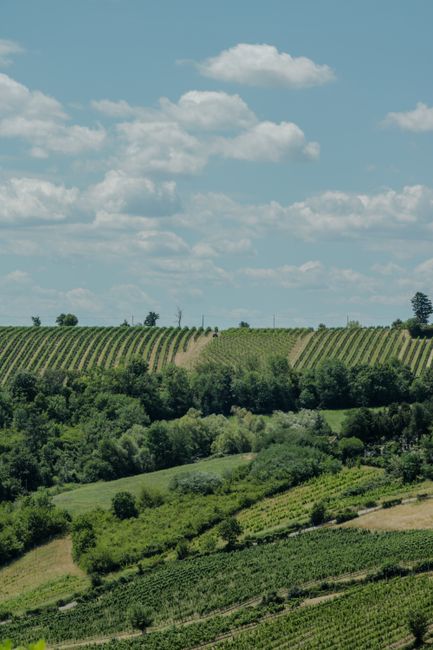
The Unseen Costs of Suboptimal Vineyard Floor Management
For experienced vineyard managers, the choice of cover crops often extends beyond mere aesthetics or basic erosion control. Failing to precisely match cover crop species to specific soil conditions and climate objectives can lead to significant, often hidden, costs. Generic cover crop mixes or a 'one-size-fits-all' approach can result in inefficient nutrient cycling, persistent weed pressure, exacerbated soil compaction, and increased demands for irrigation and synthetic fertilizers. Over time, these inefficiencies erode profit margins through higher operational expenses and, critically, can compromise long-term vine health and fruit quality. Imagine the cumulative cost of an extra pass with a cultivator to manage weeds that a well-chosen cover crop could have suppressed, or the additional irrigation required because soil organic matter has not been sufficiently enhanced to improve water retention. These are not just minor inconveniences; they represent tangible financial drains and a missed opportunity to build resilient, productive vineyard ecosystems.
Strategic Species Selection: A Step-by-Step Process
Optimizing cover crop selection requires a systematic approach, integrating detailed soil analysis with precise climate data and clearly defined vineyard management objectives.
Step 1: Comprehensive Soil Analysis and Goal Definition
- Conduct Advanced Soil Testing: Beyond standard NPK, obtain analyses for soil organic matter (SOM), pH, cation exchange capacity (CEC), and micronutrients. Consider a Haney soil health test for insights into active carbon, water-soluble organic nitrogen, and microbial respiration. This provides a holistic view of soil biological activity and nutrient availability. Target an increase in SOM by 0.2-0.5% annually in deficient soils (e.g. below 2.0% SOM).
- Assess Soil Structure and Compaction: Use a penetrometer to identify compaction layers, particularly in the top 6-18 inches. Soils with resistance readings exceeding 300 psi often indicate compaction requiring remediation. Observe water infiltration rates after rainfall or irrigation.
- Define Primary Goals: Prioritize 1-3 key objectives. Are you primarily focused on nitrogen fixation, compaction relief, weed suppression, erosion control, improving water infiltration, or enhancing biodiversity for beneficial insects? For instance, a vineyard with sandy soils and low organic matter might prioritize SOM building and water retention, while a vineyard with heavy clay and high tractor traffic might focus on compaction alleviation and improved drainage.
Step 2: Climate and Site-Specific Considerations
- Evaluate Rainfall and Irrigation Availability: In dryland vineyards or regions with limited irrigation, select drought-tolerant species. Conversely, in high-rainfall areas, species with rapid growth and good ground cover are crucial for erosion prevention.
- Determine Frost-Free Periods and Growing Degree Days (GDD): This dictates planting windows and the suitability of warm-season vs. cool-season cover crops. For instance, cool-season cereals (e.g. oats, cereal rye) are typically planted in late fall (e.g. October-November in many Northern Hemisphere regions) to establish before dormancy, while warm-season legumes (e.g. cowpeas) might be planted in late spring (e.g. May-June) after the last frost risk has passed and soil temperatures consistently exceed 60°F (15.5°C).
- Analyze Sunlight Exposure and Row Orientation: Shaded areas under dense canopies may require shade-tolerant species. Row orientation can influence sunlight penetration and, consequently, cover crop vigor.
Step 3: Species Selection and Mix Formulation
Consider a mix of species to achieve multiple goals and provide resilience. A typical mix might include a cereal for biomass and erosion control, a legume for nitrogen, and a brassica for deep root penetration.
| Species Category | Example Species | Primary Benefits | Considerations |
|---|---|---|---|
| Legumes | Crimson Clover, Hairy Vetch, Faba Bean | Nitrogen fixation (e.g. 50-150 lbs N/acre), improved soil structure, attracts beneficials. | Can be competitive for water; specific pH requirements (e.g. 6.0-7.0 for many clovers). |
| Grasses/Cereals | Cereal Rye, Oats, Barley, Annual Ryegrass | High biomass, excellent erosion control, carbon sequestration, weed suppression. | Can tie up nitrogen (high C:N ratio); can become competitive if not managed (e.g. mowed when 12-18 inches tall). |
| Brassicas | Daikon Radish, Mustard | Deep taproots alleviate compaction, nutrient scavenging, biofumigation (mustard). | Can winterkill in cold climates; strong odor with biofumigation; specific termination timing. |
| Broadleaves (Non-Legume) | Buckwheat, Phacelia | Rapid growth, phosphorus scavenging (buckwheat), attracts pollinators (phacelia). | Lower biomass than cereals; can reseed aggressively if not terminated timely. |
Industry experts note that a common mistake is selecting a cover crop based solely on a single benefit, overlooking potential drawbacks or climate unsuitability. For example, planting a highly vigorous cereal rye in a vineyard prone to water stress without adequate irrigation can exacerbate vine competition for moisture.
Step 4: Sourcing, Planting, and Management
- Source High-Quality Seed: Purchase certified seed from reputable suppliers to ensure germination rates (aim for >85%) and purity. Request seed analysis reports.
- Precision Planting: Utilize equipment like a no-till drill for optimal seed-to-soil contact and consistent planting depth, typically 0.5-1.0 inch for most small grains and legumes. Calibrate the drill to achieve recommended seeding rates (e.g. 20-30 lbs/acre for oats, 10-15 lbs/acre for crimson clover). A cultipacker can be used after broadcasting for better seed-to-soil contact.
- Timing is Critical: Plant cool-season crops in late summer to early fall (e.g. August-October) for establishment before winter dormancy. Plant warm-season crops in late spring (e.g. April-June) after the risk of frost.
- Troubleshooting Poor Germination: If germination is poor after 7-10 days, assess soil moisture, planting depth, and seed viability. Re-evaluation of conditions or a second, lighter seeding may be necessary.
- Strategic Termination: Terminate cover crops before they compete excessively with vines for water and nutrients, typically when vines begin bud break or shoot growth. Methods include mowing (e.g. flail mower), rolling/crimping, or light tillage. For nitrogen-fixing legumes, terminate at peak flowering to maximize N transfer to the soil. For biomass, allow growth until just before seed set.
- Safety Considerations: Always operate planting and termination equipment according to manufacturer guidelines. Wear appropriate personal protective equipment (PPE), including eye protection, hearing protection, and sturdy footwear. Ensure machinery is well-maintained and all safety guards are in place.
Example Scenario 1:
A vineyard in a region with moderate rainfall (25-30 inches annually) and heavy clay soils (pH 6.2, SOM 1.8%) experiences significant compaction in tractor rows and struggles with annual ryegrass competition. The manager's primary goals are to alleviate compaction, suppress weeds, and increase organic matter.
- Species Selected: A mix of Daikon radish (for deep taproot compaction relief), crimson clover (for nitrogen fixation and improved soil structure), and oats (for biomass, weed suppression, and erosion control).
- Seeding Rate (Estimates): Daikon radish at 5 lbs/acre, crimson clover at 8 lbs/acre, oats at 15 lbs/acre.
- Timing: Planted in early September to allow radish and oats to establish before winter, with clover emerging alongside.
- Expected Outcome: Radishes penetrate compacted layers, improving drainage; clover provides nitrogen and attracts beneficials; oats provide a dense canopy to outcompete ryegrass and contribute significant organic matter upon termination.
Example Scenario 1:
A vineyard in a drier region (15-20 inches annual rainfall) with sandy loam soils (pH 5.8, SOM 1.2%) faces challenges with water retention and low nitrogen availability. The manager prioritizes improving water holding capacity and natural nitrogen input.
- Species Selected: A mix of annual ryegrass (for fibrous root mass and organic matter, drought tolerance), hairy vetch (for nitrogen fixation and deep roots), and buckwheat (for rapid biomass and phosphorus scavenging).
- Seeding Rate (Estimates): Annual ryegrass at 10 lbs/acre, hairy vetch at 10 lbs/acre, buckwheat at 15 lbs/acre.
- Timing: Planted in late October, allowing ryegrass and vetch to establish before winter, with buckwheat providing early biomass.
- Expected Outcome: Increased soil organic matter from ryegrass and vetch improves water retention; vetch fixes nitrogen, reducing fertilizer needs; buckwheat helps scavenge nutrients and provides quick ground cover.
Actionable Next Steps for Vineyard Managers
Implementing a precision cover cropping strategy requires immediate and sustained action.
- Review Soil Test Data: Within the next 2-4 weeks, gather and analyze the latest comprehensive soil test results for each block. Identify areas with specific deficiencies or structural issues. Vineyard managers leverage platforms like VinoBloc to meticulously log cover crop planting dates, species, and observed growth rates, integrating this data with soil test results and subsequent vine performance metrics.
- Prioritize Goals: By the end of the month, define the top 1-2 soil and climate goals for each vineyard block based on soil tests and observed challenges.
- Research Local Seed Suppliers: Over the next 4-6 weeks, contact local agricultural extension offices and reputable seed distributors to inquire about species suitability for your region and current seed availability.
- Develop a Block-Specific Mix: Before the next planting season, formulate specific cover crop mixes for each block, considering the identified goals, soil types, and climate conditions. Document seeding rates and planting depths.
Implementation Timeline
- Current Season: Initiate advanced soil testing and detailed site assessments.
- Next 1-2 Months: Finalize cover crop species selection and secure seed supply. Calibrate planting equipment.
- Next Planting Window: Execute precise planting according to species-specific requirements and block goals.
- Ongoing: Monitor cover crop establishment, growth, and impact on soil health and vine performance. Adjust strategies annually based on observations and subsequent soil tests.
Success Metrics
- Soil Health Improvement: Annual increases in soil organic matter (e.g. 0.2-0.5% per year), improved water infiltration rates (e.g. 10-20% faster), and reduced penetrometer readings (e.g. 10-15% reduction in psi in compacted layers).
- Reduced Inputs: Measurable decreases in synthetic nitrogen fertilizer applications (e.g. 15-30% reduction where legumes are used), herbicide use (e.g. 20-40% reduction), and potentially irrigation frequency.
- Vine Performance: Stable or improved vine vigor, balanced canopy growth, and consistent fruit quality over time, indicating a healthier vineyard ecosystem.
VinoBloc Team
Vineyard Management Experts
Ready to Transform Your Vineyard Management?
See how VinoBloc can help you streamline block-level data and harvest decisions.