Precision Irrigation: Optimizing Water at Bloom vs. Veraison for Grape Quality
The Critical Junctions: Water Management at Bloom and Veraison
Vineyard managers frequently grapple with the precise timing and volume of irrigation, particularly during critical phenological stages like bloom and veraison. Mismanaging water during these windows can lead to significant consequences, from reduced fruit set and uneven berry development to compromised wine quality and diminished yields. The cost of suboptimal irrigation isn't just lost revenue; it's also increased labor for canopy management, potential disease pressure, and inefficient water use. Understanding and precisely addressing the vine's distinct water needs at these two pivotal points is paramount for producing high-quality grapes and maintaining vineyard profitability.
Bloom: Supporting Fruit Set and Early Berry Development
During bloom (anthesis to 50% capfall), the vine's primary objective is successful fertilization and fruit set. Water stress at this stage can severely impact flower fertility, leading to poor fruit set and reduced cluster size.
- Monitoring Soil Moisture and Vine Status:
- Target Soil Moisture: Maintain soil moisture within 60-80% of plant available water (PAW). Soil moisture sensors (e.g. capacitance probes, TDR sensors) should be installed at multiple depths (e.g. 18, 36, and 60 inches) to monitor the root zone.
- Stem Water Potential (Ψstem): Aim for relatively unstressed conditions. Typical targets range from -0.4 to -0.6 MPa in the morning, or -0.8 to -1.0 MPa at midday, depending on regional climate and cultivar. Use a pressure chamber (e.g. PMS Instrument Company Model 600) for readings.
- Evapotranspiration (ETc): Estimate daily ETc using local weather data and a crop coefficient (Kc) of approximately 0.4-0.6 for this stage, applying irrigation to replenish 80-100% of ETc.
- Irrigation Strategy:
- Apply moderate, consistent irrigation. Avoid both excessive wetness (which can promote fungal diseases like powdery mildew) and significant water stress.
- Initiate irrigation when soil moisture drops below 70% PAW, applying enough water to bring it back to 85-90% PAW.
- Timing: Best applied in the early morning to minimize evaporation and allow leaves to dry before evening.
- Common Mistakes:
- Under-irrigation: Leads to poor fruit set, millerandage (shot berries), and reduced yield potential.
- Over-irrigation: Can leach nutrients, reduce root oxygenation, and increase disease susceptibility.
Example scenario (hypothetical): A Cabernet Sauvignon block in a warm climate is approaching bloom. Soil moisture sensors indicate 65% PAW. Morning Ψstem readings are -0.7 MPa. To ensure optimal fruit set, the manager schedules a 4-hour drip irrigation cycle, aiming to restore soil moisture to 85% PAW, based on historical emitter flow rates and soil infiltration data.
Veraison: Managing Ripening and Quality
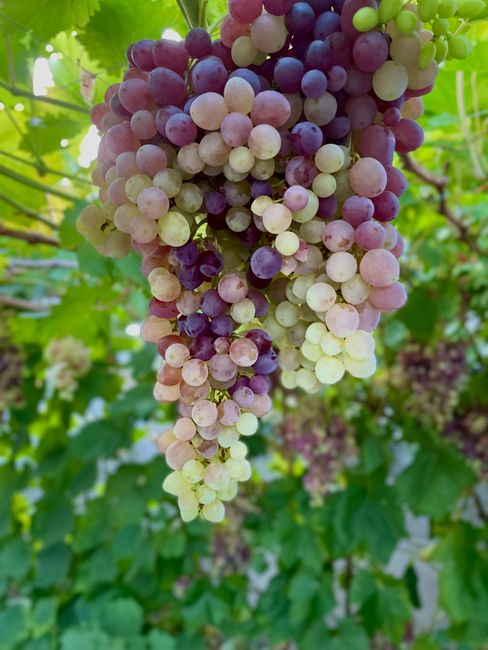
Veraison marks the onset of ripening, characterized by berry softening and color change. Water management shifts from supporting vegetative growth and fruit set to regulating berry size, concentrating flavors, and managing canopy.
- Monitoring Soil Moisture and Vine Status:
- Target Soil Moisture: Implement Regulated Deficit Irrigation (RDI). Allow soil moisture to drop to 40-60% PAW.
- Stem Water Potential (Ψstem): Aim for moderate water stress. Typical targets are -0.8 to -1.2 MPa in the morning, or -1.2 to -1.6 MPa at midday. Adjust based on desired wine style and cultivar.
- Brix Levels: Monitor Brix progression. Initial RDI can begin when berries reach approximately 8-10 Brix.
- Evapotranspiration (ETc): Estimate daily ETc with a Kc of approximately 0.5-0.7, but apply only 50-70% of ETc to induce moderate stress.
- Irrigation Strategy:
- Apply infrequent, targeted irrigation to maintain moderate stress. The goal is to limit berry expansion while preventing severe stress that could lead to premature defoliation or shrivel.
- Initiate irrigation only when Ψstem indicates the lower end of the target range or soil moisture approaches 40% PAW.
- Timing: As with bloom, early morning is preferred.
- Over-irrigation: Leads to excessively large berries, diluted flavors, delayed ripening, and increased rot risk.
- Severe stress: Can cause premature leaf senescence, sunburn, and arrested ripening.
Example scenario (hypothetical): A Zinfandel block is at 10 Brix and 50% veraison. Soil moisture is at 45% PAW, and midday Ψstem is -1.3 MPa. The manager determines that current stress levels are acceptable for encouraging flavor concentration and holds off on irrigation for another 3-5 days, continuing to monitor vine status daily.
Comparative Summary: Bloom vs. Veraison Irrigation
| Parameter | Bloom Stage | Veraison Stage |
|---|---|---|
| Primary Goal | Optimize fruit set, early berry growth | Regulate berry size, concentrate flavors, manage canopy |
| Target Soil Moisture (PAW) | 60-80% | 40-60% (RDI) |
| Target Midday Ψstem | -0.8 to -1.0 MPa | -1.2 to -1.6 MPa |
| ETc Replenishment | 80-100% | 50-70% |
| Irrigation Frequency | Moderate, consistent | Infrequent, targeted |
Troubleshooting and Safety
- Troubleshooting: If vines show signs of extreme stress (e.g. wilting leaves, premature defoliation) at veraison, apply a short, targeted irrigation pulse to alleviate immediate stress without over-saturating. If fruit set is poor at bloom despite adequate water, consider other factors like nutrient deficiencies or extreme temperatures.
- Safety: Always ensure irrigation lines and emitters are properly maintained to prevent trip hazards. Exercise caution when operating pressure chambers; follow manufacturer guidelines for safe use and calibration.
Actionable Next Steps
To refine your irrigation strategy for bloom and veraison, consider these immediate actions:
- Install or Calibrate Monitoring Equipment: Within the next 2 weeks, ensure all soil moisture sensors and pressure chambers are functional and calibrated. Establish baseline readings for your specific blocks and cultivars.
- Develop Block-Specific Irrigation Plans: Before the onset of bloom, create detailed irrigation schedules for each block, outlining target Ψstem and soil moisture ranges for both bloom and veraison. Incorporate historical ETc data.
- Integrate Data Management: Utilize vineyard management software like VinoBloc to log and analyze soil moisture, stem water potential, and irrigation event data. This allows for real-time adjustments and long-term trend analysis.
- Review and Adjust Post-Season: After harvest, analyze the impact of your irrigation decisions on yield and quality metrics. Use this data to refine strategies for the following season.
VinoBloc Team
Vineyard Management Experts
Ready to Transform Your Vineyard Management?
See how VinoBloc can help you streamline block-level data and harvest decisions.