
Precision Mowing: Optimizing Timing and Height for Vineyard Cover Crops
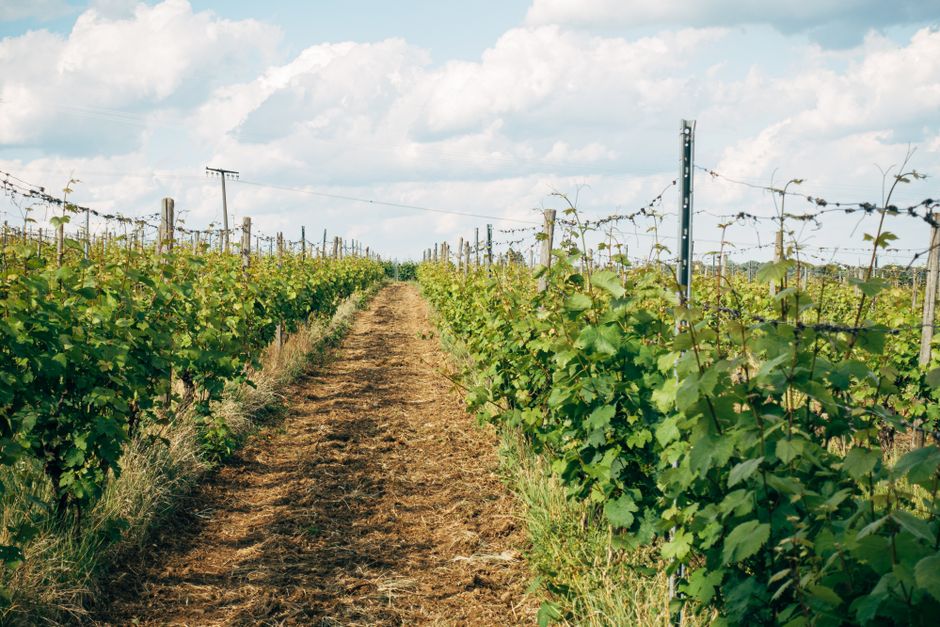
The Cost of Suboptimal Vineyard Mowing
Vineyard managers often grapple with the critical decision of when and how to mow cover crops. Mismanagement in this area can lead to significant, yet often overlooked, financial and ecological repercussions. Mowing too early can stifle beneficial cover crop development, reducing soil organic matter and increasing reliance on synthetic fertilizers. Conversely, mowing too late or at an inappropriate height allows cover crops to compete excessively with vines for water and nutrients, especially during critical growth stages. This competition can translate directly into reduced vine vigor, compromised fruit quality, and increased irrigation demands, ultimately impacting your bottom line through higher input costs and potentially lower yields.
Strategic Mowing: Timing and Height Specifications
Effective cover crop management through mowing is a precision task, not a routine chore. The optimal approach balances cover crop benefits with vine health requirements.
When to Mow: Key Timing Triggers
Mowing timing should be dictated by the cover crop's growth stage and vineyard conditions, not a fixed calendar date. Industry experts recommend the following triggers:
- Early Flowering Stage: For most annual cover crops (e.g. oats, barley, vetch), mow when approximately 50% of the plants are in flower. This timing maximizes biomass production for soil health benefits while preventing significant seed set and excessive competition.
- Height Threshold: Mow when cover crops reach a height of 12-18 inches (30-45 cm), or before they begin to shade the lower canopy of young vines excessively.
- Soil Moisture Depletion: In regions prone to early-season drought, consider mowing earlier if soil moisture probes indicate depletion below 50% available water capacity in the top 12 inches of soil, especially if vines are showing signs of stress. Monitoring soil moisture data, potentially through platforms like VinoBloc, can inform this decision.
- Pest and Disease Management: Mow to reduce habitat for certain pests (e.g. leafhoppers) or to improve air circulation within the canopy, which can mitigate fungal disease pressure.
What Height to Mow: Balancing Objectives
Mower deck height significantly impacts cover crop regrowth, moisture retention, and weed suppression.
| Objective | Recommended Cut Height | Rationale |
|---|---|---|
| Standard Management (General Soil Health) | 4-6 inches (10-15 cm) | Promotes vigorous regrowth, provides moderate weed suppression, and leaves sufficient residue for soil protection. |
| Drought Stress Mitigation (Water Conservation) | 6-8 inches (15-20 cm) | Leaves more standing biomass to shade the soil, reduce evaporation, and minimize competition for water. |
| Weed Suppression (Aggressive Control) | 3-4 inches (7-10 cm) | Cuts weeds low to prevent seed set and weaken perennial weeds. Use cautiously to avoid over-stressing beneficial cover crops. |
| Nutrient Cycling / Mulching | 3-5 inches (7-12 cm) with flail mower | Flail mowers finely chop material, facilitating faster decomposition and nutrient release. |
"The goal is not to eliminate cover crops, but to manage their growth to complement, rather than compete with, the vines."
Step-by-Step Mowing Process
- Assess Cover Crop Vigor: Regularly inspect cover crop stands for growth stage and density. Use a quadrat to estimate biomass if precision is required.
- Evaluate Vineyard Conditions: Check vine phenology, soil moisture levels, and recent weather forecasts.
- Define Mowing Objective: Determine if the primary goal is competition reduction, nutrient cycling, moisture conservation, or weed control.
- Select Equipment: Choose between a rotary mower (faster, leaves coarser residue) or a flail mower (finer chop, better for mulching and rapid decomposition). Ensure blades are sharp for a clean cut, which promotes healthier regrowth.
- Set Mower Height: Adjust the mower deck to the determined height based on your objective. Calibrate with a ruler to ensure accuracy.
- Execute Mowing: Operate at an appropriate speed to ensure complete cutting without excessive dust or damage. Overlap passes slightly to avoid strips of uncut material.
- Monitor and Adjust: After mowing, observe cover crop regrowth and vine response. Be prepared for subsequent mowing passes as needed, typically every 4-6 weeks during active growth.
Troubleshooting and Common Mistakes:
- Mowing Too Low: Can stress cover crops, reduce regrowth, and expose soil to erosion and moisture loss. It also increases the risk of scalping and damaging the mower.
- Mowing Too Late: Allows cover crops to set seed, potentially increasing weed pressure in subsequent seasons, and depletes soil moisture reserves needed by vines.
- Dull Blades: Tear rather than cut, leading to ragged cover crop ends that are more susceptible to disease and slower to recover.
Safety Considerations:
Always wear appropriate Personal Protective Equipment (PPE), including eye protection, hearing protection, and sturdy footwear. Before operating, inspect equipment for loose parts, ensure safety guards are in place, and be aware of your surroundings, especially on slopes or uneven terrain.
Example Scenario (Hypothetical):
A vineyard manager in a region experiencing a dry spring notices their annual rye cover crop is 15 inches tall and starting to head out, while young vines are showing slight leaf cupping. Soil moisture sensors, integrated with VinoBloc, confirm available water capacity is at 45%. The manager decides to mow immediately at a height of 6-7 inches using a rotary mower to reduce competition for moisture and leave a protective mulch layer, prioritizing vine health over maximizing cover crop biomass for soil organic matter.
Example Scenario (Hypothetical):
In a different block with mature vines and consistent rainfall, a cover crop of vetch and barley is 18 inches tall and approximately 60% in flower. The vineyard manager's objective is to enhance soil fertility. They opt for a flail mower set to 4 inches to finely chop the material, promoting rapid decomposition and nutrient release back into the soil, knowing that sufficient soil moisture will support healthy regrowth.
Actionable Next Steps
To optimize your vineyard mowing strategy, consider these immediate actions:
- Review Cover Crop Species: Understand the growth habits and phenology of your specific cover crop mix to accurately predict optimal mowing windows.
- Calibrate Mower Heights: Before the next mowing cycle, physically measure and calibrate your mower deck height to ensure precise cuts.
- Implement Monitoring Protocols: Establish a routine for monitoring cover crop growth stages and soil moisture levels, possibly utilizing vineyard management software for data tracking and alerts.
- Train Staff: Ensure all equipment operators are aware of the specific timing and height requirements for each block and the safety protocols involved.
Implementation Timeline: These adjustments can be integrated into your vineyard's operational plan for the upcoming growing season. Success Metrics: Look for improved vine vigor, reduced signs of water stress, decreased weed pressure, and enhanced soil health indicators (e.g. increased organic matter over time).
VinoBloc Team
Vineyard Management Experts
Ready to Transform Your Vineyard Management?
See how VinoBloc can help you streamline block-level data and harvest decisions.