
Sulfur Applications and Bee Safety: A Vineyard Manager's Guide to Compliance and Protection
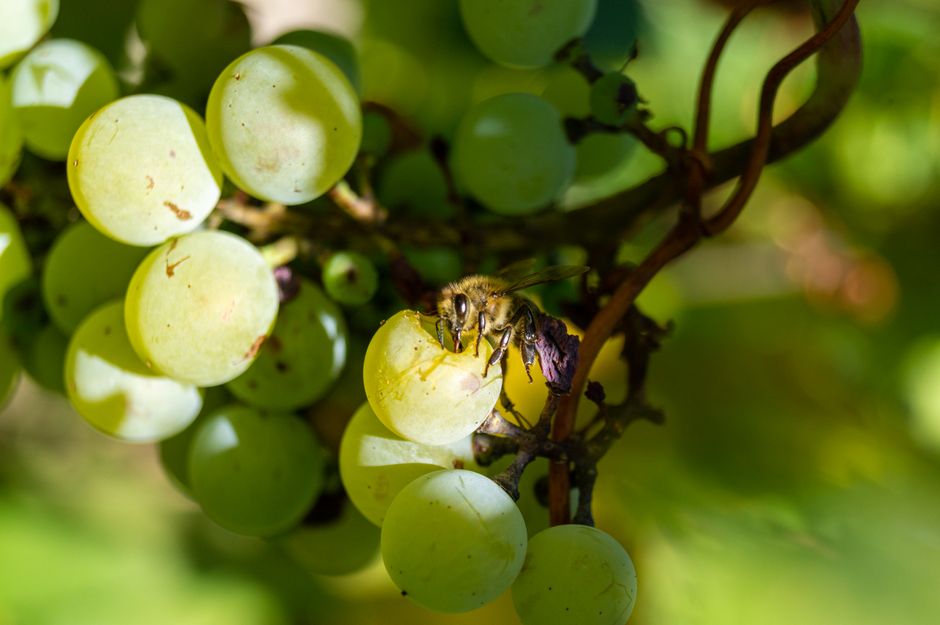
Introduction: The Balancing Act of Vineyard Management
As an experienced vineyard manager, you understand the constant pressure to protect your valuable crop from diseases like powdery mildew while simultaneously navigating the complex landscape of environmental stewardship and regulatory compliance. The challenge intensifies when disease control measures, such as sulfur applications, intersect with the critical need to safeguard pollinators. Failure to manage this intersection effectively can lead to significant consequences, including potential regulatory fines, reputational damage, strained relationships with local beekeepers, and even a reduction in natural pollination services within your ecosystem. The cost of neglecting bee safety extends beyond immediate financial penalties, impacting long-term sustainability and community trust.
This detailed guide provides actionable insights and best practices for integrating effective sulfur applications with robust pollinator protection strategies, ensuring both crop health and ecological responsibility.
Understanding Sulfur's Role and Risks
Sulfur remains a cornerstone in powdery mildew management for many vineyards, particularly in organic and conventional systems. Its multi-site mode of action makes it an effective and valuable tool for resistance management. While elemental sulfur is generally considered to have low acute toxicity to adult honey bees (generally considered to have low acute toxicity to adult honey bees, with labels often indicating minimal hazard), its application can still pose risks through indirect exposure, dust inhalation, or by contaminating pollen and nectar sources that bees forage on. The primary concern arises when sulfur dust or spray particles settle on flowering weeds within the vineyard or drift onto adjacent pollinator habitats, making these food sources undesirable or harmful to foraging bees.
Key Specifications for Bee-Safe Sulfur Application
Adhering to precise specifications regarding product labels, timing, rates, and environmental conditions is crucial for minimizing risks to pollinators.
Pesticide Label Interpretation
The pesticide label is the legally binding document dictating safe and effective use. Vineyard managers must thoroughly review the 'Environmental Hazards' section, specifically looking for statements related to pollinators. Common phrases include: "This product is highly toxic to bees and other pollinating insects exposed to direct treatment or residues on blooming crops or weeds." (for highly toxic products, not typically sulfur) or "Do not apply this product while bees are actively foraging." For sulfur products, labels often advise against application during bloom or when bees are active. Always check for specific bee hazard statements on the label.
Timing is Everything: Pre-Bloom, Bloom, and Post-Bloom
Strategic timing is the single most impactful factor in bee safety for sulfur applications.
- Pre-Bloom: This is the ideal window for sulfur applications. Aim to complete applications before 10% of the vineyard's primary bloom is open. This minimizes direct contact with flowering structures.
- During Bloom: Avoid sulfur applications during grape bloom whenever possible. While grape flowers are not typically a major bee forage source, flowering weeds within the vineyard are. If applications are absolutely necessary during bloom (e.g. severe disease pressure), restrict them to late evening (after 7 PM) or early morning (before 7 AM) when bees are not actively foraging. This allows the product to dry before bees become active.
- Post-Bloom: Once petal fall is complete, the risk significantly diminishes, though continued vigilance regarding flowering weeds is still necessary.
Application Rates and Formulations
Sulfur is available in various formulations, each with specific application guidelines:
- Wettable Powders (WP) and Flowables (F): Typical rates for powdery mildew control range from 4-10 lbs of active ingredient per acre for wettable sulfur, mixed with water. These formulations generally have less drift potential than dusts.
- Dusts (D): Sulfur dusts are applied at rates typically ranging from 10-20 lbs per acre. Due to their fine particle size, dusts have a higher potential for drift and can be more readily picked up by bees, making their application during any active foraging period particularly risky.
Always adhere to the specific rates listed on the product label for your crop and target pest. Over-application does not enhance efficacy and increases environmental risk.
Environmental Conditions
- Temperature: Sulfur efficacy is reduced below 60°F (15.5°C) and can cause phytotoxicity (burn) above 90°F (32°C). High temperatures also increase the volatility of sulfur, potentially leading to off-target movement.
- Wind Speed: Never apply sulfur (especially dusts) when wind speeds exceed 10 mph (16 km/h) to minimize drift. Ideal conditions are typically between 3-7 mph (5-11 km/h) with consistent direction.
- Dew/Moisture: Sulfur requires some moisture for activation. Applying to wet foliage (e.g. with dew) can improve coverage but may also increase the risk of phytotoxicity if followed by high temperatures.
Step-by-Step Process for Protecting Pollinators
Implementing a structured approach ensures compliance and minimizes risk.
1. Pre-Application Planning and Assessment
- Scout for Bloom and Pollinator Activity: Regularly scout your vineyard blocks and adjacent areas for flowering grapevines, weeds, cover crops, and any signs of active bee foraging. Pay close attention to the under-vine area and vineyard borders.
- Check Local Beehive Locations: Maintain communication with local beekeepers. Use tools like VinoBloc to track spray schedules and share information with beekeepers about your planned applications, allowing them to take precautionary measures like moving hives or covering them.
- Review Product Labels: Before every application, thoroughly read the specific sulfur product label for pollinator warnings, Restricted Entry Intervals (REI), and Pre-Harvest Intervals (PHI).
- Assess Weather Forecasts: Monitor temperature, wind speed, and precipitation forecasts for at least 48 hours post-application.
2. Strategic Application Techniques
- Prioritize Non-Bloom Applications: Schedule sulfur treatments before grape bloom whenever possible.
- Apply During Low Foraging Hours: If bloom is present (grapes or weeds), restrict applications to late evening (e.g. 7 PM - midnight) or early morning (e.g. 4 AM - 7 AM) when bees are least active.
- Calibrate Equipment: Ensure sprayers (e.g. air-blast, electrostatic) are properly calibrated to deliver the correct rate and achieve optimal coverage with minimal drift. Regular nozzle checks are essential.
- Manage Weeds: Mow or remove flowering weeds from vineyard rows and adjacent areas before applying sulfur to eliminate attractive forage sources during treatment.
- Implement Drift Reduction Strategies: Use drift-reducing nozzles, lower boom heights (if applicable for your sprayer type), and avoid spraying during windy conditions. Consider using drift-reducing adjuvants if permitted by the label.
3. Post-Application Monitoring and Documentation
- Observe REIs: Adhere strictly to the Restricted Entry Interval (REI) specified on the label to protect workers and allow residues to dry.
- Monitor for Bee Activity: Continue to monitor the treated area for any unusual bee activity or mortality, especially in the days following application.
- Maintain Records: Document all application details, including date, time, product used, rate, weather conditions, block treated, and any observations related to bee activity. VinoBloc can serve as a comprehensive platform for storing these critical compliance records.
Troubleshooting Common Challenges
- Unexpected Early Bloom: If bloom starts earlier than anticipated, adjust your spray schedule immediately. Prioritize non-sulfur alternatives if bloom is widespread and active foraging is observed. If sulfur is critical, apply only during non-foraging hours and ensure thorough weed control.
- Sudden Weather Changes: If high winds or temperatures develop unexpectedly after planning, postpone or cancel the application. It is better to delay than to risk drift or phytotoxicity.
- Adjacent Flowering Weeds/Cover Crops: If mowing is not feasible, consider a targeted herbicide application to flowering weeds prior to sulfur application, ensuring the herbicide itself is bee-safe.
Safety Considerations for Applicators
Applicators must wear appropriate Personal Protective Equipment (PPE) as specified on the sulfur product label, typically including long-sleeved shirts, long pants, chemical-resistant gloves, eye protection, and respirators. Ensure all equipment is well-maintained and calibrated to prevent leaks or malfunctions.
Practical Examples of Bee-Safe Practices
Example Scenario 1: Pre-Bloom Application
A vineyard manager plans a routine sulfur application for powdery mildew control in a Chardonnay block. Scouting reveals the grapevines are at E-L 17 (pre-bloom, clusters well-developed) with no open flowers. However, dandelions and clover are flowering profusely in the undervine area and adjacent headlands. The manager decides to mow the undervine weeds and adjacent flowering areas 24 hours prior to the planned spray. The application is scheduled for 5 AM, with forecasted winds at 4 mph and temperatures below 65°F (18°C). The manager uses a wettable sulfur formulation at 8 lbs/acre via an air-blast sprayer, calibrated for optimal coverage. This proactive weed management and early morning application significantly reduce the risk of bee exposure.
Example Scenario 2: Unexpected Bloom During Application Window
A vineyard manager has a critical sulfur application scheduled for a Cabernet Sauvignon block. Due to unseasonably warm weather, a small percentage (estimated 3-5%) of grape flowers have opened prematurely, and some mustard weeds are blooming along the vineyard perimeter. The manager consults the sulfur label, which advises against application during bloom when bees are actively foraging. Instead of postponing the entire spray, the manager adjusts the plan: the application is rescheduled for 8 PM that evening. Prior to spraying, a crew is deployed to quickly mow the flowering mustard weeds. The application proceeds using an electrostatic sprayer for targeted coverage, minimizing drift. This adaptive approach ensures disease control while mitigating immediate risks to nocturnal or resting pollinators and reducing the attractiveness of remaining flowering weeds.
Common Mistakes and Their Consequences
Avoiding common pitfalls is critical for effective pollinator protection.
| Common Mistake | Potential Consequence |
|---|---|
| Applying sulfur during peak bee foraging hours (mid-morning to late afternoon) when bloom is present. | Direct exposure to foraging bees, potential for acute toxicity, contamination of pollen/nectar brought back to the hive. |
| Ignoring flowering weeds or cover crops within or adjacent to the vineyard. | Bees forage on these flowers, picking up sulfur residues, leading to indirect exposure. |
| Failing to check the specific sulfur product label for pollinator warnings. | Non-compliance with federal and state regulations, increased risk to pollinators, potential fines. |
| Applying sulfur dusts during windy conditions. | Significant drift onto non-target areas, including adjacent pollinator habitats or sensitive crops. |
| Lack of communication with local beekeepers. | Prevents beekeepers from taking protective measures for their hives, leading to potential bee kills and strained community relations. |
Actionable Next Steps for Vineyard Managers
To enhance your vineyard's pollinator protection program, consider these immediate actions:
- Conduct a Pollinator Risk Assessment: Before the next growing season, map all known flowering areas (grape bloom, weeds, cover crops, adjacent wild areas) within and around your vineyard. Identify peak bloom periods for these plants.
- Update Communication Protocols: Establish or formalize a communication channel with local beekeepers, providing them with your expected spray windows and product information at least 48-72 hours in advance. Utilize your vineyard management software like VinoBloc to log these communications and application plans.
- Review and Update SOPs for Sulfur Application: Integrate specific bee-safe practices (e.g. restricted application times, weed management protocols) into your standard operating procedures for all sulfur applications. Ensure all application staff are trained and understand these revised protocols. This should be completed within the next month, well before the upcoming bloom season.
- Invest in Drift Reduction Technology: Evaluate your current sprayer nozzles and consider upgrading to air-induction or other drift-reducing nozzles. Regularly calibrate and maintain all spraying equipment to ensure precision.
Implementation Timeline: Initiate the pollinator risk assessment and communication protocol updates within the next 2-4 weeks. Revise SOPs and conduct staff training before the onset of the next growing season's pre-bloom period.
Success Metrics: Success will be measured by zero reported bee incidents related to your vineyard operations, documented adherence to all pesticide label instructions, positive feedback from local beekeepers, and comprehensive records of all applications and pollinator mitigation efforts.
Key Insight: Proactive planning and strict adherence to pesticide labels are paramount for effective disease management while safeguarding pollinator health. Integrating advanced vineyard management tools can streamline compliance and communication, fostering a more sustainable viticultural practice.
VinoBloc Team
Vineyard Management Experts
Ready to Transform Your Vineyard Management?
See how VinoBloc can help you streamline block-level data and harvest decisions.