
The Indispensable Documentation Habits Protecting Your Vineyard and Crew from Labor Disputes
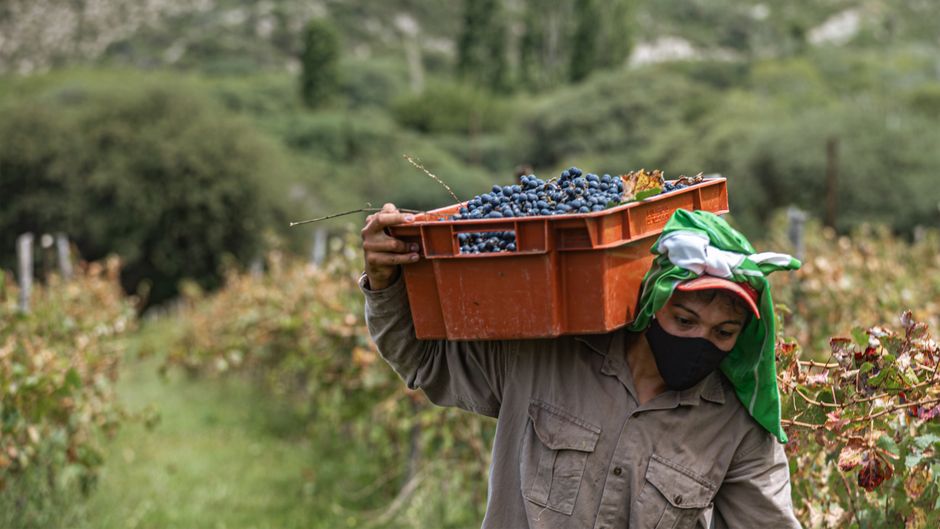
The High Cost of Undocumented Operations
As an experienced vineyard manager, you are acutely aware of the myriad challenges involved in cultivating premium grapes. From soil health to canopy management, every detail matters. Yet, one critical area often overlooked until it's too late is meticulous labor documentation. The absence of comprehensive, verifiable records can expose your operation to significant risks, particularly in the event of a labor dispute, wage claim, or safety investigation. The financial repercussions are not merely theoretical; they translate into substantial legal fees, potential back pay, hefty penalties from regulatory bodies, and considerable reputational damage. Beyond the monetary costs, the disruption to operations and the erosion of trust within your crew can be devastating, impacting productivity and morale for seasons to come. Effective documentation is not merely a bureaucratic task; it is a foundational element of risk management and crew protection.
“Comprehensive labor documentation acts as a vineyard's primary defense, providing irrefutable evidence in the face of legal challenges and ensuring compliance with complex labor laws.”
Establishing an Ironclad Documentation Protocol
Protecting your vineyard and crew necessitates a systematic approach to record-keeping. This involves specific types of documentation, defined frequencies, and robust storage methods.
1. Wage and Hour Records: Precision is Paramount
Accurate timekeeping is the bedrock of wage compliance. Industry experts note that wage claims often stem from inadequate or imprecise time records.
- Daily Time Logs: Implement a system where all crew members clock in and out using a reliable method. This could be a biometric scanner, a digital time clock, or a robust vineyard management software like VinoBloc that tracks hours per task and block. Records should capture start times, end times, and all break periods.
- Meal and Rest Break Documentation: Ensure that all mandatory meal and rest breaks are accurately recorded. For instance, if state law mandates a 30-minute unpaid meal break for shifts over 5 hours, the system must clearly show this break was taken and its duration. Any missed or shortened breaks must be explicitly acknowledged and compensated according to regulations.
- Overtime Calculations: Maintain clear records showing how overtime hours (e.g. hours worked beyond 40 in a workweek, or 8/10/12 hours in a workday, depending on local regulations) are calculated and compensated. Wage calculations should ideally use increments of at least 15 minutes to avoid disputes over rounding.
- Payroll Records: Keep detailed payroll records, including gross wages, deductions, net pay, pay periods, and pay dates. These should correspond directly with time logs.
Example scenario (hypothetical): Wage Dispute
A former crew member files a claim asserting 120 hours of unpaid overtime over a six-month period. Without precise digital time logs and corresponding payroll records, proving the claim is false or accurately calculating any legitimate discrepancy becomes challenging. With digital records showing exact clock-in/out times, recorded breaks, and corresponding overtime payments, the vineyard can quickly demonstrate compliance, potentially dismissing the claim or significantly reducing any liability.
2. Safety Training and Incident Reports: Proactive Protection
Safety documentation is crucial for demonstrating due diligence and protecting against claims of negligence.
- Safety Training Logs: Maintain detailed logs for all safety training sessions. These logs should specify the date of training, topics covered (e.g. proper use of PPE, tractor safety, pesticide handling, heat illness prevention), trainer's name, and, critically, signatures from all participating crew members. These logs should be updated annually or as regulations change. For instance, heat illness prevention training often requires annual refreshers, with records maintained for a minimum of three years.
- Equipment Training Records: Document specific training for operating machinery like tractors, sprayers, and forklifts. Records should include the date of training, equipment model, and certification of proficiency.
- Incident and Accident Reports: Every injury, illness, or near-miss incident, no matter how minor, must be documented immediately. Reports should include the date, time, location, individuals involved, a detailed description of the incident, witness statements, and any corrective actions taken. Photos of the incident scene can also be invaluable. These records are vital for workers' compensation claims and demonstrating a commitment to safety.
- PPE Distribution Records: Keep records of personal protective equipment (PPE) distributed to employees, including the type of PPE (e.g. N95 respirators, chemical-resistant gloves, safety glasses) and the date of distribution, often with employee acknowledgment of receipt.
3. Field Operations and Compliance Records: Operational Transparency
Beyond direct labor, documentation of field activities is essential for compliance and dispute resolution.
- Pesticide Application Logs: These are non-negotiable. Records must include the pesticide name, EPA registration number, application rate (e.g. 2 quarts/acre), target pest, date and time of application, block/vineyard section, applicator's name, equipment used, weather conditions (temperature, wind speed), and the re-entry interval (REI). For example, a log showing a 72-hour REI means no unauthorized entry into that block for 72 hours post-application. These records are often legally mandated to be kept for several years.
- Fertilization and Irrigation Records: Document nutrient applications (type, rate, date) and irrigation schedules (dates, duration, water volume applied). While not directly labor-related, these records can corroborate work performed and resource allocation.
- Harvest Records: Detailed records of harvest dates, crew assigned, specific blocks harvested, yield (e.g. 3.5 tons/acre), and Brix levels (e.g. 24.5 Brix) can support claims of work performed and quality control.
Example scenario (hypothetical): Safety Violation Claim
A regulatory agency investigates a claim that crew members were exposed to a recently sprayed block during its REI. Comprehensive pesticide application logs, detailing the product, application time, and the mandated 48-hour REI, combined with daily crew assignments and time logs showing no crew members were scheduled or present in that block during the restricted period, provide a strong defense against the claim.
Step-by-Step Process for Implementing Robust Documentation
- Audit Current Practices: Begin by reviewing your existing documentation systems. Identify gaps in timekeeping, safety record-keeping, and field activity logs. Compare current practices against federal, state, and local labor laws and agricultural regulations.
- Standardize Forms and Procedures: Develop standardized forms or digital templates for all critical documentation. Ensure consistency in data collection. For instance, all incident reports should follow the same format, requiring specific fields to be completed.
- Implement Digital Solutions: Transitioning from paper to digital records significantly enhances accuracy, accessibility, and security. Vineyard management software like VinoBloc can integrate time tracking, payroll data, safety training logs, and field activity records into a single, centralized platform. This reduces manual errors and provides a clear audit trail.
- Train Your Team: Conduct thorough training sessions for all supervisors and crew members on proper documentation procedures. Emphasize the importance of accurate and timely record-keeping, explaining how it protects both the individual and the vineyard. Regular refreshers are crucial.
- Regular Review and Archiving: Designate a manager to routinely review documentation for completeness and accuracy (e.g. weekly for time sheets, monthly for safety logs). Establish a clear archiving policy, ensuring records are stored securely and retained for the legally mandated periods (which can range from 3 to 7 years, depending on the record type and jurisdiction).
Troubleshooting Common Documentation Mistakes
| Common Mistake | Consequence | Solution |
|---|---|---|
| Relying on memory or informal notes | Lack of verifiable evidence, inconsistent data, easily disputed | Mandate immediate, standardized digital entry for all critical data points. |
| Incomplete or illegible paper records | Unusable in a legal context, prone to loss or damage | Implement digital forms with mandatory fields. Use a system like VinoBloc for centralized data entry. |
| Delayed documentation of incidents | Details become fuzzy, makes incident reconstruction difficult, can appear as an attempt to conceal | Train supervisors to document incidents within 24 hours. Provide mobile access to reporting tools. |
| Lack of employee acknowledgment/signatures | Difficult to prove employees received training or understood policies | Require digital signatures or signed paper forms for all policy reviews, training, and disciplinary actions. |
Safety Considerations in Documentation
Beyond legal compliance, robust documentation fosters a culture of safety. By meticulously tracking training, incidents, and corrective actions, vineyards can identify patterns, mitigate recurring risks, and demonstrate a proactive commitment to worker well-being. This vigilance not only protects against disputes but also reduces actual workplace hazards, leading to a healthier, more productive workforce.
Actionable Next Steps for Vineyard Managers
Implementing or refining your documentation habits requires immediate action and ongoing commitment.
- Conduct a Comprehensive Documentation Audit (Timeline: Within 30 days): Review all existing labor, safety, and operational records. Identify any gaps, inconsistencies, or areas that do not meet current regulatory standards. Focus on timekeeping accuracy and safety training logs.
- Evaluate Digital Solutions (Timeline: Within 60 days): Research and consider implementing a integrated vineyard management software, such as VinoBloc, to centralize and streamline documentation processes. Prioritize systems that offer robust time tracking, payroll integration, and customizable reporting features.
- Develop Standardized Protocols (Timeline: Within 90 days): Create clear, written procedures for all documentation tasks, including who is responsible, what information is required, and how often it must be updated. Distribute these protocols to all relevant personnel and ensure understanding.
- Schedule Mandatory Training (Timeline: Ongoing, quarterly refreshers): Implement initial and recurring training for all supervisors and crew members on the new documentation procedures, emphasizing the importance of accuracy and compliance.
Success Metrics
The success of these initiatives can be measured by several indicators:
- Reduced Incidence of Informal Complaints: A well-documented system often leads to fewer misunderstandings and complaints from crew members regarding wages or working conditions.
- Successful Defense of Claims: The ability to quickly and comprehensively provide evidence to regulatory bodies or legal counsel in the event of a dispute.
- Improved Compliance Scores: Higher scores on internal or external audits related to labor and safety regulations.
- Enhanced Operational Efficiency: Streamlined data collection frees up management time and provides clearer insights into vineyard operations.
By prioritizing and perfecting your documentation habits, you not only protect your vineyard from potential legal and financial liabilities but also cultivate a transparent, fair, and safe working environment for your entire crew.
VinoBloc Team
Vineyard Management Experts
Ready to Transform Your Vineyard Management?
See how VinoBloc can help you streamline block-level data and harvest decisions.