
The Week Before Pruning: Essential Readiness for Vineyard Managers
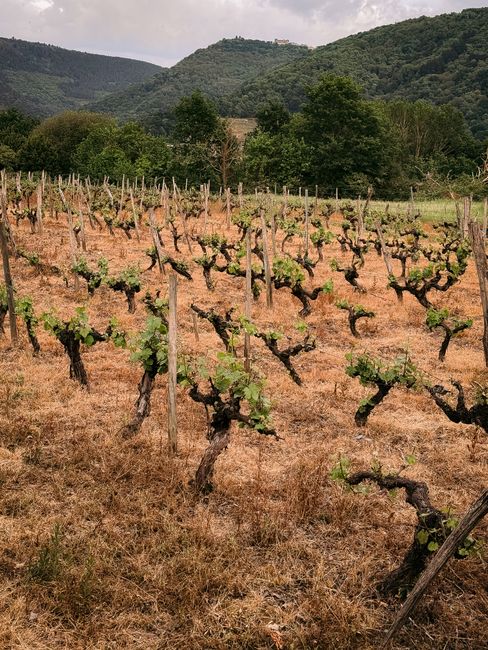
The Cost of Unpreparedness: Why Pre-Pruning Readiness Matters
As an experienced vineyard manager, you understand that the week before pruning commences is not merely a countdown; it is a critical window for operational optimization. If you have ever faced the frustration of delayed starts due to uncharged batteries, untrained crew members, or misallocated resources, you recognize the significant cost impact. These inefficiencies translate directly into lost labor hours, increased equipment wear, and, crucially, compromised pruning quality that can negatively affect yield and fruit characteristics for the upcoming season. Proactive preparation mitigates these risks, ensuring a smooth, efficient, and high-quality pruning operation from day one.
Key Readiness Areas for Pruning Success
1. Crew & Training Readiness
Ensuring your crew is not only present but also proficient and safe is paramount. This involves more than just a headcount; it requires specific training refreshers and safety protocols.
- Skill Refresher Sessions: Conduct a mandatory review of pruning techniques. Focus on specific cuts relevant to your vineyard's systems (e.g. 2-bud spur pruning, cane pruning, cordon renewal cuts). Utilize visual aids and hands-on demonstrations. For new or returning crew, allocate dedicated time for individual coaching.
- Safety Briefing & PPE Check: Review all safety protocols, emphasizing proper handling of pruning shears (manual and electric), ladder safety, and cold weather precautions. Inspect all Personal Protective Equipment (PPE) – gloves, safety glasses, warm layers – ensuring it is in good condition. Mandate that first aid kits are fully stocked and accessible within 48 hours of pruning commencement.
- Task Assignment & Communication: Clearly define roles and responsibilities for each crew member. Establish a clear communication hierarchy and a system for reporting issues or injuries. Utilize two-way radios (e.g. Motorola Talkabout T800 series) for efficient field communication across blocks.
A vineyard manager observed a 15% reduction in pruning speed in the first week of a previous season due to several new crew members misidentifying fruiting wood from vegetative growth. Implementing a 4-hour pre-pruning refresher course, focusing on differentiating wood types and proper spur selection, is estimated to improve initial efficiency by 10-12% and reduce re-work. This proactive training also reduces the risk of long-term damage to vines from incorrect cuts.
2. Tool & Equipment Verification
Dull blades, low battery levels, or malfunctioning equipment can cripple productivity. A thorough check is non-negotiable.
- Shear Maintenance: Inspect all manual and electric pruning shears (e.g. Felco #2, Bahco P1-20, Stihl electric shears). Sharpen blades to a consistent 20-degree angle for optimal cutting efficiency and reduced hand fatigue. Lubricate all moving parts with a non-toxic, food-grade lubricant.
- Battery Management: For electric shears, ensure all battery packs are fully charged and cycles tested. Maintain charge levels above 80% for all active batteries. Verify charging stations are fully functional and accessible. Label batteries to track individual performance if possible.
- Sanitation Protocols: Prepare a sanitation station for tools. Utilize a pH-neutral disinfectant solution (e.g. a 10% bleach solution, ensuring pH is above 6.0 to prevent corrosion, or a commercial quaternary ammonium compound solution like Virkon S) to clean shears between blocks or diseased vines, preventing the spread of sap-borne diseases like Eutypa dieback or Botryosphaeria canker.
- Fuel & Spares: Check fuel levels for ATVs, tractors, and generators. Ensure a readily available stock of spare parts, including shear springs, bolts, and extra blades.
| Item | Specification/Action | Frequency |
|---|---|---|
| Manual Shear Blades | Sharpen to 20° angle, inspect for nicks | Pre-season & daily |
| Electric Shear Batteries | Charge & test above 80% capacity | Pre-season & daily |
| Disinfectant Solution | Prepare 10% bleach (pH > 6.0) or commercial equivalent | Pre-season & as needed |
| PPE (Gloves, Glasses) | Inspect for wear, ensure proper fit | Pre-season & weekly |
3. Block Management & Logistics
Strategic planning of pruning order and resource allocation minimizes travel time and maximizes efficiency.
- Pruning Order Prioritization: Finalize the pruning schedule based on varietal dormancy, vine vigor, and specific block needs. Prioritize blocks with high vigor or unique canopy management requirements first to ensure timely intervention. Conversely, delay pruning in frost-prone areas if early bud break is a concern.
- Mapping & Navigation: Ensure updated vineyard maps are available to all crew leads, clearly indicating block boundaries, vine row numbers, and any specific pruning instructions for individual sections. Digital mapping tools, such as those offered by VinoBloc, can streamline this process, allowing for easy access and updates in the field.
- Logistics & Access: Verify all access roads and pathways to blocks are clear of debris. Designate central points for tool storage, battery charging, and waste collection to minimize crew travel time.
A vineyard manager scheduled pruning to begin in a high-vigor Cabernet Sauvignon block, which typically requires more aggressive pruning to manage canopy density. By starting here, the crew could establish a consistent pace and address the most critical needs early, preventing excessive shoot growth later in the season. Delaying this block would have necessitated a second pass or more intensive summer hedging, increasing labor costs by an estimated 5-7%.
Actionable Next Steps
To ensure a seamless transition into the pruning season, implement these actions immediately:
- Conduct a Final Equipment Audit (Timeline: Within 72 hours): Verify all shears, batteries, and safety equipment are operational and meet specifications. Any items not meeting standards must be repaired or replaced. Success metric: 100% equipment readiness.
- Schedule & Execute Crew Refresher Training (Timeline: Within 5 days): Hold mandatory practical training sessions covering pruning techniques and safety protocols. Success metric: All crew members demonstrate correct technique and safety adherence.
- Finalize Pruning Block Order (Timeline: Within 24 hours): Confirm the sequence of blocks to be pruned, distributing updated maps and specific instructions to crew leads. Utilize vineyard management software like VinoBloc to share block-specific tasks. Success metric: Zero confusion regarding block assignments on day one.
By meticulously addressing these readiness areas, vineyard managers can establish a foundation for a highly efficient, high-quality pruning season, safeguarding both current and future crop potential.
VinoBloc Team
Vineyard Management Experts
Ready to Transform Your Vineyard Management?
See how VinoBloc can help you streamline block-level data and harvest decisions.