Vineyard Labor Management: A Comprehensive Guide to Hiring, Training, Safety, and Retention
Effective vineyard labor management is the cornerstone of a productive and profitable viticultural operation. From the delicate art of pruning to the critical timing of harvest, the quality and efficiency of a vineyard’s workforce directly impact grape quality, yield, and ultimately, the bottom line. This comprehensive guide delves into the essential facets of managing vineyard labor, providing practical strategies and actionable insights for vineyard owners, managers, and supervisors.
Executive Summary
This guide serves as an exhaustive resource for vineyard owners, managers, and supervisors seeking to optimize their labor management practices. It addresses the pervasive challenges of workforce sourcing, skill development, safety compliance, and employee turnover within the viticulture industry.
The primary problem this article solves is the lack of a consolidated, practical framework for managing vineyard labor effectively. Many operations struggle with inconsistent hiring, inadequate training, preventable safety incidents, and high attrition rates, all of which erode productivity and profitability. By implementing the strategies outlined herein, readers can expect to build a more stable, skilled, and safe workforce.
Upon completing this deep dive, the reader will learn to:
- Navigate the complexities of labor sourcing, including the H-2A program, to secure a reliable workforce.
- Develop and implement standardized, task-specific training protocols for vineyard crew members.
- Establish robust safety programs that comply with regulatory requirements and prevent common vineyard hazards like heat illness and pesticide exposure.
- Strategically decide between piece-rate and hourly compensation models to maximize productivity and quality.
- Implement daily management practices, such as effective huddles, to foster clear communication and team cohesion.
- Apply proven retention strategies to reduce turnover and cultivate a loyal, experienced vineyard crew.
Estimated reading time: 20-25 minutes.
Table of Contents
- Executive Summary
- Sourcing and Onboarding Vineyard Labor
- Implementing Effective Vineyard Worker Training
- Ensuring Comprehensive Vineyard Worker Safety
- Optimizing Compensation: Piece-Rate vs. Hourly
- Fostering Daily Engagement and Productivity
- Strategies for Long-Term Vineyard Labor Retention
- Tools & Resources for Labor Management
- Key Takeaways
Sourcing and Onboarding Vineyard Labor
How can vineyards consistently secure a reliable and skilled workforce?
Securing a dependable labor force is often the first and most significant hurdle for vineyard managers. The seasonal nature of viticulture tasks, coupled with the physically demanding work, necessitates strategic sourcing and a streamlined onboarding process. A multi-pronged approach to recruitment, incorporating local outreach and federal programs, is crucial.
Step-by-Step Sourcing Process:
- Assess Labor Needs: Annually, or even quarterly, forecast labor requirements based on vineyard acreage, varietals, and planned tasks (e.g. pruning, shoot thinning, harvest). Quantify needs in person-hours. For instance, an acre of mature Vitis vinifera typically requires 150-200 person-hours for pruning and 80-120 person-hours for harvest, varying by training system and mechanization.
- Local Recruitment & Referrals: Prioritize local hires through community job boards, agricultural schools, and employee referral programs. Offering a referral bonus (e.g. a specific amount after 90 days of employment for the referred worker) can incentivize current employees.
- Leverage the H-2A Program (Seasonal Agricultural Workers): For operations facing domestic labor shortages, the H-2A program provides a legal pathway to bring in temporary foreign workers. The process is rigorous and requires significant lead time, typically 60-75 days prior to the date of need.
H-2A Program Basics:
- Application: File Form ETA-9142A with the Department of Labor, demonstrating a temporary need for workers and a shortage of qualified U.S. workers.
- Wage Requirements: Employers must pay the higher of the Adverse Effect Wage Rate (AEWR), the state or federal minimum wage, or the prevailing wage rate. For example, the 2024 AEWR for California is $19.75/hour, significantly impacting labor costs.
- Housing & Transportation: Employers are mandated to provide free, compliant housing and transportation from the housing to the worksite. Housing must meet specific safety and health standards, including minimum square footage per occupant (e.g. 50 sq ft/person in sleeping rooms).
- Worker Protections: H-2A workers are afforded protections under federal, state, and local laws, including workers' compensation.
Onboarding Essentials:
Once workers are hired, a structured onboarding process ensures compliance and integration.
- New Hire Paperwork: Collect I-9 forms, W-4 forms, and state-specific new hire reports. For H-2A workers, ensure all visa and travel documents are in order.
- Orientation: Conduct a comprehensive orientation covering company policies, safety protocols, pay schedules, and basic vineyard terminology. This should be delivered in a language understood by all employees.
- Initial Training: Pair new hires with experienced crew leaders for initial on-the-job training.
Regional Considerations:
Sourcing strategies vary significantly by region. In California, the H-2A program is widely utilized due to the scale of operations and chronic labor shortages. In smaller, emerging wine regions, local recruitment and word-of-mouth may suffice. State-specific labor laws regarding minimum wage, overtime, and breaks must always be observed.
Common Mistakes in Sourcing and Onboarding:
- Underestimating H-2A Lead Time: Failing to initiate the H-2A application process 3-4 months in advance can lead to critical labor shortages during peak season.
- Neglecting Comprehensive Background Checks: Skipping this step can lead to hiring individuals unsuitable for the demanding and responsible tasks in a vineyard.
- Inadequate Language Support: Providing onboarding materials and instructions solely in English to a multilingual workforce can lead to misunderstandings and safety risks.
Implementing Effective Vineyard Worker Training
What are the best practices for training vineyard crews to ensure quality and efficiency?
Effective training is paramount for developing a skilled and consistent vineyard crew. It ensures tasks are performed correctly, safely, and efficiently, directly impacting grape quality and yield. Standard Operating Procedures (SOPs) are the backbone of a successful training program.
Step-by-Step SOP Development and Training:
- Identify Key Vineyard Tasks: List all critical tasks performed manually throughout the growing season, such as dormant pruning, tying, shoot thinning, leaf pulling, cluster thinning, and harvest.
- Develop Task-Specific SOPs: For each task, create a detailed, step-by-step guide. Include objectives, required tools, safety precautions, quality standards, and common pitfalls.
- Example: Dormant Pruning SOP (Cane Pruning, 4-Cane VSP):
- Objective: Establish 4 healthy canes, each with 8-12 buds, and 2 renewal spurs with 2 buds each, to balance vine vigor and fruitfulness.
- Tools: Hand pruners (bypass type, sharp and clean), loppers for larger cuts, protective gloves.
- Safety: Maintain proper body posture, keep hands clear of blades, wear eye protection.
- Process:
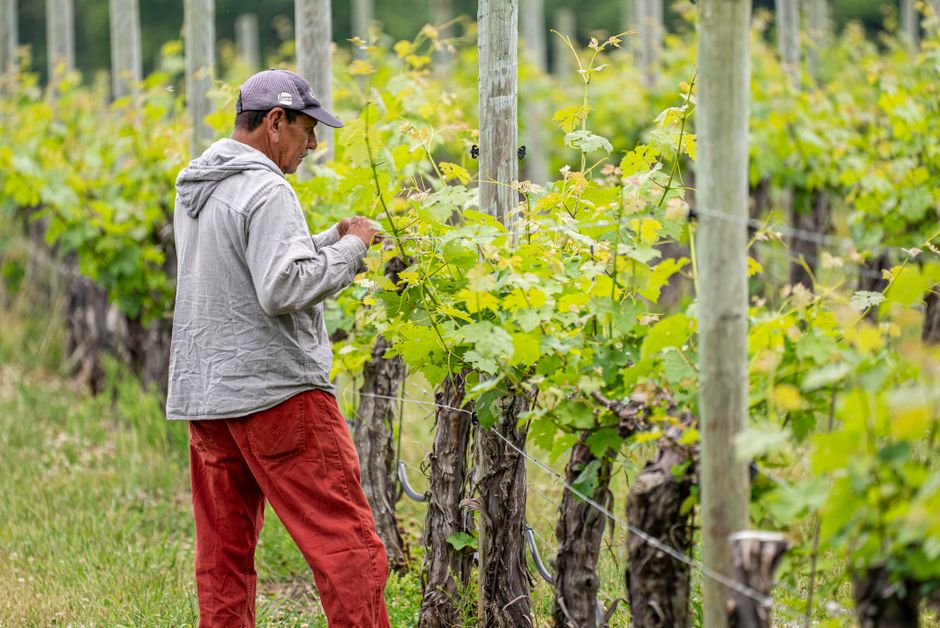
- Identify four healthy, well-placed canes from last season's growth. Canes should be pencil-thick (approx. 0.25-0.35 inches diameter).
- Select two canes from each side of the cordon, aiming for a total of four canes.
- Cut each selected cane to 8-12 buds, depending on vine vigor and desired crop load. Make clean cuts 0.5 inches past the last bud.
- Identify two basal shoots for renewal spurs near the head of the vine. Cut these back to 2 buds.
- Remove all other canes and old wood, making flush cuts to avoid leaving stubs.
- Quality Check: Each vine should have 4 well-spaced canes of appropriate length and 2 renewal spurs. No old wood or stubs remaining. Target 40-50 total buds per vine for a typical VSP system.
- Demonstration & Practice: Conduct hands-on demonstrations in the vineyard, breaking down tasks into smaller, manageable steps. Allow workers to practice under direct supervision, providing immediate, constructive feedback. For instance, a supervisor might demonstrate the correct angle for a pruning cut, then observe 3-5 practice cuts per worker.
- Visual Aids: Utilize laminated photo guides or short video demonstrations accessible via QR codes in the field.
- Regular Refresher Training: Conduct brief refresher sessions at the start of each new task or season.
- Cross-Training: Train workers on multiple tasks to increase versatility and reduce boredom, improving overall crew flexibility.
Supervisor's Role in Training:
Supervisors are critical to successful training. They must be experts in each task, capable of clear communication, and skilled in providing patient, encouraging feedback. Regular check-ins and spot checks (e.g. inspecting 10% of completed vines for quality) are essential.
Regional Considerations:
Training nuances can vary by region. For instance, cooler regions with shorter growing seasons may prioritize early season tasks like pruning and tying for optimal fruit set, while warmer regions might focus more on extensive canopy management and irrigation scheduling. Pest and disease management training will also be specific to regional pressures.
Common Mistakes in Worker Training:
- Assuming Prior Knowledge: Many new hires, even with agricultural experience, may not be familiar with specific viticultural techniques. Always start with fundamentals.
- Lack of Standardization: Inconsistent training leads to varied quality and efficiency across the crew. SOPs are vital.
- Insufficient Practice Time: Rushing through training without allowing ample practice under supervision can lead to costly errors and rework.
Ensuring Comprehensive Vineyard Worker Safety
What are the critical safety protocols and best practices for protecting vineyard workers?
Worker safety is non-negotiable in vineyard operations. Beyond the ethical imperative, robust safety programs reduce injuries, minimize workers' compensation claims, and ensure regulatory compliance. Key areas include heat illness prevention and pesticide safety.
Heat Illness Prevention:
Agricultural workers are highly susceptible to heat-related illnesses. Regulations, such as California’s Heat Illness Prevention Standard (Title 8, Section 3395), mandate specific measures.
- Water: Provide fresh, cool (60-70°F) drinking water readily accessible to all employees at all times. The employer must provide at least one quart of water per employee per hour for the entire shift.
- Shade: Provide access to shade when temperatures exceed 80°F. Shade must be sufficient to accommodate all employees on break or meal periods. When temperatures reach 95°F, proactive cool-down rest periods of at least 10 minutes every two hours are mandatory.
- Rest Breaks: Ensure workers take legally mandated rest and meal breaks. Encourage additional self-initiated cool-down breaks as needed.
- Training: Train all employees and supervisors on heat illness symptoms (e.g. headache, nausea, dizziness, heavy sweating), prevention methods, and emergency procedures. Supervisors must be trained to recognize symptoms and act immediately.
- Emergency Response: Establish a clear emergency response plan, including communication protocols (e.g. two-way radios, cell phones), first aid kits, and access to emergency medical services. Supervisors should know the exact location of the nearest medical facility.
Pesticide Safety (Worker Protection Standard - WPS):
The Environmental Protection Agency's Worker Protection Standard (40 CFR Part 170) governs the safe handling of pesticides in agricultural settings.
- Training: All workers who enter treated areas or handle pesticides must receive annual WPS training. This includes understanding Restricted Entry Intervals (REIs), warning signs, and decontamination procedures.
- Personal Protective Equipment (PPE): Provide and ensure the correct use of task-appropriate PPE (e.g. gloves, respirators, eye protection, chemical-resistant suits) as specified on the pesticide label. Ensure PPE is clean, maintained, and properly stored.
- Restricted Entry Intervals (REIs): Strictly enforce REIs. Post warning signs at all entrances to treated areas. No worker may enter a treated area until the REI has expired, typically ranging from 12 hours to several days depending on the pesticide.
- Decontamination Supplies: Provide clean water, soap, and single-use towels for decontamination within 0.25 miles of workers handling pesticides or entering treated areas.
- Emergency Medical Care: Provide transport to an emergency medical facility if a worker is exposed to pesticides or exhibits symptoms of poisoning. Ensure access to pesticide label information for medical personnel.
General Safety Practices:
- Tool Safety: Train on the safe use and maintenance of hand tools (pruners, loppers) and machinery.
- Slips, Trips, Falls: Emphasize awareness of uneven terrain and proper footwear.
- First Aid: Ensure readily available, well-stocked first aid kits in all work areas and vehicles.
Regional Considerations:
State-specific regulations often augment federal standards. California's Cal/OSHA is particularly stringent, with specific requirements for heat illness prevention, pesticide handling, and injury and illness prevention programs (IIPPs). Vineyard managers must be intimately familiar with both federal and state regulations applicable to their location.
Common Mistakes in Worker Safety:
- Inadequate Supervisor Training: Supervisors are the frontline of safety; if they aren't fully trained and empowered, safety protocols will fail.
- Neglecting Hydration and Shade: Even minor lapses in providing water or shade can quickly lead to severe heat illness in warm conditions. If a worker collapses from heat stress, immediate action (cooling, 911 call) is critical.
- Bypassing REI Periods: Allowing workers into treated areas before the REI expires is a serious violation with potentially severe health consequences and legal penalties.
Optimizing Compensation: Piece-Rate vs. Hourly
How do vineyards decide between piece-rate and hourly pay to maximize productivity and quality?
Choosing the right compensation model significantly impacts worker motivation, productivity, and the quality of work performed. Both piece-rate and hourly pay have distinct advantages and disadvantages, and the optimal choice often depends on the specific task, its complexity, and the desired outcome.
Comparison of Compensation Models:
| Feature | Piece-Rate Compensation | Hourly Compensation |
|---|---|---|
| Definition | Payment based on the quantity of work completed (e.g. per vine pruned, per bin harvested). | Payment based on time worked (e.g. per hour). |
| Pros |
|
|
| Cons |
|
|
| Best Suited For | Repetitive tasks with clear quality metrics (e.g. harvest, dormant pruning, shoot thinning). | Tasks requiring precision, judgment, or varied responsibilities (e.g. canopy management, irrigation setup, equipment operation, training). |
Strategic Implementation:
- Task Analysis: Evaluate each vineyard task. If the task is highly repetitive, can be easily measured, and has clear, quantifiable quality standards, piece-rate might be suitable. Examples include harvesting (bins/ton), dormant pruning (vines/acre), and shoot thinning (vines/acre).
- Setting Piece-Rates: Rates must be fair and allow an average worker to earn at least the applicable minimum wage. Calculate rates based on historical data of worker output (e.g. average vines pruned per hour) and target earnings. For example, if the minimum wage is a specific amount per hour and an average worker can prune 10 vines/hour, a minimum piece-rate might be a corresponding amount per vine. This must be regularly reviewed and adjusted.
- Quality Control for Piece-Rate: Implement stringent quality control checks. For pruning, randomly inspect 10-15% of completed vines for proper bud count and cane selection. For harvest, check for MOG (material other than grape) in bins. If quality is below standard, implement corrective action, which may include re-doing work at an hourly rate or a deduction from earnings if explicitly agreed upon and legally permissible.
- Hybrid Models: Consider combining models. For instance, pay a base hourly rate, plus a bonus for exceeding specific productivity or quality targets.
Regional Considerations:
Minimum wage laws vary significantly by state and even county. California, for example, has a higher state minimum wage than many other agricultural states, making piece-rate calculations more critical to ensure compliance. Overtime rules also differ, with some states requiring overtime after 8 hours/day, while others use a 40-hour/week threshold. Piece-rate workers are still eligible for overtime pay if their total hours exceed the threshold.
Common Mistakes in Compensation:
- Incorrect Piece-Rate Calculation: Setting rates too low can lead to workers earning below minimum wage, resulting in legal disputes and fines. If a worker on piece-rate falls below minimum wage, the employer must make up the difference.
- Neglecting Quality Control with Piece-Rate: Without rigorous quality checks, workers may rush, leading to compromised grape quality, which is far more costly than labor savings.
- Lack of Transparency: Failing to clearly communicate how wages are calculated, especially for piece-rate, can breed distrust and resentment among the crew.
Fostering Daily Engagement and Productivity
How can daily management practices enhance team cohesion and operational efficiency?
Consistent daily management practices are crucial for maintaining crew morale, ensuring task clarity, and driving productivity. Effective communication, particularly through daily huddles, forms the bedrock of a well-coordinated vineyard operation.
Structure of an Effective Daily Huddle:
A daily huddle, typically 5-10 minutes long, sets the tone for the workday. It should be conducted at the start of the shift, before workers disperse to their tasks.
- Safety Briefing (2-3 minutes):
- Review potential hazards for the day (e.g. slippery conditions, equipment movement, pest sightings).
- Remind workers of specific safety protocols (e.g. heat illness prevention, PPE for specific tasks).
- Address any near-misses or safety concerns from the previous day.
- Example: "Today, temperatures will reach 90°F. Remember to drink water every 15-20 minutes and take frequent shade breaks. If anyone feels dizzy or nauseous, report it immediately."
- Task Overview & Objectives (3-5 minutes):
- Clearly state the day's primary task (e.g. "Today we are shoot thinning Block 7, Cabernet Sauvignon.").
- Specify the quality and quantity expectations (e.g. "Aim for 4-5 shoots per spur, removing all non-fruitful and weak shoots. We need to complete 2 acres by lunch.").
- Identify any specific challenges or changes (e.g. "Watch out for areas with excessive vigor; we'll do a second pass there.").
- Assign teams and leaders, if applicable.
- Q&A and Feedback (1-2 minutes):
- Allow workers to ask clarifying questions.
- Encourage feedback on previous day's tasks or any logistical issues.
- Reiterate the importance of communication throughout the day.
Supervisor's Role in Daily Management:
- Visibility: Supervisors should be actively present in the vineyard, observing work, answering questions, and providing real-time feedback. Aim for supervisors to spend at least 70% of their time in the field.
- Troubleshooting: Address issues promptly. If pruning quality is uneven, check for clogged nozzles on sprayers (if applicable for other tasks) or verify proper tool maintenance. If a worker is struggling, provide one-on-one coaching.
- Communication: Maintain open lines of communication. Utilize two-way radios for large vineyards. Ensure instructions are understood, especially across language barriers.
- Recognition: Acknowledge good work. A simple "Buen trabajo" (Good job) for a well-pruned vine or a productive row can significantly boost morale.
Leveraging Technology:
Vineyard management software like Vinobloc can streamline daily operations. It allows supervisors to digitally assign tasks, track crew progress in real-time, record completed work units (for piece-rate), and log safety observations. This data provides valuable insights into productivity and helps identify areas for improvement.
Regional Considerations:
The intensity and focus of daily management can shift based on the growing season. During critical periods like veraison or harvest, daily huddles may need to be more frequent or detailed, emphasizing specific ripeness targets or sorting criteria. In regions with highly variable weather, daily plans may need to be more adaptable.
Common Mistakes in Daily Management:
- Skipping Daily Huddles: This leads to miscommunication, missed safety warnings, and a lack of clear objectives, resulting in decreased efficiency and potential safety incidents.
- Lack of Supervisor Presence: Absentee supervisors cannot effectively monitor quality, troubleshoot issues, or provide timely feedback, leading to declining work standards.
- Ignoring Worker Feedback: Failing to listen to the crew's concerns or suggestions can lead to frustration and a disengaged workforce.
Strategies for Long-Term Vineyard Labor Retention
What practices effectively reduce turnover and build a loyal, experienced vineyard crew?
High employee turnover is costly, leading to increased recruitment and training expenses, reduced productivity, and a loss of institutional knowledge. Industry data suggests that the cost of replacing an agricultural worker can be 1.5 to 2 times their annual salary. Proactive retention strategies are essential for cultivating a stable and experienced vineyard crew.
Key Retention Strategies:
- Competitive Compensation & Benefits: While not the sole factor, competitive wages and benefits are foundational. Regularly benchmark salaries against regional averages. Consider offering benefits like health insurance, paid time off, or retirement plans, even if partial. For H-2A workers, ensure compliance with all mandated benefits.
- Positive Work Environment & Culture: Foster a culture of respect, fairness, and appreciation. This includes:
- Clear Communication: Ensure workers understand expectations, company goals, and how their work contributes to the vineyard's success.
- Recognition: Acknowledge and reward good performance, whether through verbal praise, small bonuses, or employee-of-the-month programs.
- Fair Treatment: Apply policies and disciplinary actions consistently and transparently.
- Team Building: Organize occasional social events or meals to build camaraderie.
- Professional Development & Growth: Offer opportunities for skill enhancement and career progression.
- Cross-Training: Train workers on diverse tasks to broaden their skill sets and increase their value.
- Leadership Pathways: Identify high-potential individuals and offer leadership training, promoting from within to crew leader or assistant supervisor roles.
- Specialized Skills: Provide training in areas like tractor operation, irrigation system maintenance, or specific viticultural techniques.
- Safety & Well-being: A strong commitment to worker safety and well-being directly impacts retention. Workers are more likely to stay with an employer who prioritizes their health and safety.
- Solicit & Act on Feedback: Conduct regular anonymous surveys or hold informal focus groups to gather feedback on working conditions, management, and areas for improvement. Demonstrate that feedback is valued by implementing changes where feasible. For instance, if multiple workers request better tools, invest in higher-quality equipment.
- Consistency for H-2A Workers: For vineyards utilizing the H-2A program, offering repeat employment to reliable workers each season is a powerful retention tool. These workers value consistent employment and a familiar work environment. Streamline the re-application process for returning H-2A workers.
Regional Considerations:
In regions with intense competition for agricultural labor, such as the Central Valley of California, retention strategies need to be more aggressive, often involving higher wages and more comprehensive benefits. In areas with a smaller labor pool, fostering strong community ties and a reputation as a preferred employer becomes even more critical.
Common Mistakes in Labor Retention:
- Ignoring Employee Feedback: Allowing concerns to fester without addressing them leads to frustration and a perception of being undervalued.
- Lack of Growth Opportunities: Workers, especially younger ones, seek pathways for advancement. A dead-end job leads to disengagement and departure.
- Inconsistent Management: Varying expectations or unfair treatment from supervisors erodes trust and creates a toxic work environment.
Tools & Resources for Labor Management
Effective labor management is significantly enhanced by utilizing the right tools and resources, ranging from essential vineyard equipment to advanced software solutions.
Essential Vineyard Equipment:
- Hand Pruners & Loppers: High-quality, ergonomic models reduce worker fatigue and injury risk. Regular sharpening and maintenance (e.g. daily cleaning, weekly oiling) are crucial.
- Harvest Bins & Totes: Durable, food-grade bins of varying sizes (e.g. 0.5-ton macro bins, 40-pound lugs) facilitate efficient and gentle grape handling.
- Personal Protective Equipment (PPE): Includes gloves (cut-resistant, chemical-resistant), safety glasses, wide-brimmed hats, sun-protective clothing, respirators (for dust/spray), and sturdy work boots.
- Water & Shade Stations: Portable water coolers (e.g. 5-gallon insulated dispensers) and pop-up shade structures (e.g. 10x10 ft canopies) are vital for heat illness prevention.
- Communication Devices: Two-way radios or robust cellular service with ruggedized phones for supervisors and crew leaders in large or remote vineyards.
- First Aid Kits: OSHA-compliant kits readily accessible in all work vehicles and central locations.
Vineyard Management Software:
- Vinobloc: This comprehensive vineyard management platform offers robust features specifically designed to streamline labor operations. Vinobloc allows for detailed task assignment and tracking, real-time monitoring of crew progress, and accurate recording of hours worked and units completed (essential for piece-rate compensation). Its integrated payroll features simplify wage calculations, including overtime and H-2A specific requirements. Furthermore, Vinobloc aids in compliance by documenting safety training, incident reports, and worker certifications, providing an invaluable resource for audits and regulatory adherence.
Helpful Templates & Checklists:
- New Hire Onboarding Checklist: Ensures all paperwork is completed, orientation is provided, and initial training is initiated.
- Task-Specific SOP Templates: Standardized documents for developing detailed instructions for each vineyard operation.
- Daily Safety Briefing Checklist: Guides supervisors through essential safety topics for the morning huddle.
- Heat Illness Prevention Plan (HIPP) Template: A structured document to outline specific procedures for managing heat exposure.
- Pesticide Application Record & REI Tracking Log: Essential for compliance with WPS, documenting applications, REIs, and worker entry.
- Performance Review Forms: Standardized forms for providing constructive feedback and tracking worker development.
Key Takeaways
- Proactive Sourcing is Paramount: Plan labor needs well in advance, leveraging both local recruitment and, where necessary, the H-2A program with its strict lead times and compliance requirements.
- Standardize Training with SOPs: Develop detailed, task-specific Standard Operating Procedures (SOPs) and provide hands-on training to ensure consistent quality and efficiency across all vineyard tasks.
- Prioritize Comprehensive Worker Safety: Implement rigorous heat illness prevention protocols (water, shade, rest) and strictly adhere to the Worker Protection Standard (WPS) for pesticide safety, ensuring all supervisors and workers are fully trained.
- Strategically Choose Compensation Models: Determine whether piece-rate or hourly pay is best suited for each task, implementing robust quality control for piece-rate to prevent rushed work and ensuring minimum wage compliance.
- Foster Daily Engagement with Structured Huddles: Conduct brief, daily safety and task huddles to ensure clear communication, address immediate concerns, and maintain high productivity and morale.
- Invest in Long-Term Retention Strategies: Cultivate a positive work environment through competitive compensation, recognition, growth opportunities, and a strong commitment to safety to reduce turnover and build an experienced, loyal workforce.
- Leverage Technology for Efficiency: Utilize vineyard management software like Vinobloc to streamline labor tracking, payroll, and compliance, freeing up management time for in-field supervision and strategic planning.
VinoBloc Team
Vineyard Management Experts
Ready to Transform Your Vineyard Management?
See how VinoBloc can help you streamline block-level data and harvest decisions.