
Compost Application for Vineyards: Optimizing Timing, Rate, and Realistic Expectations
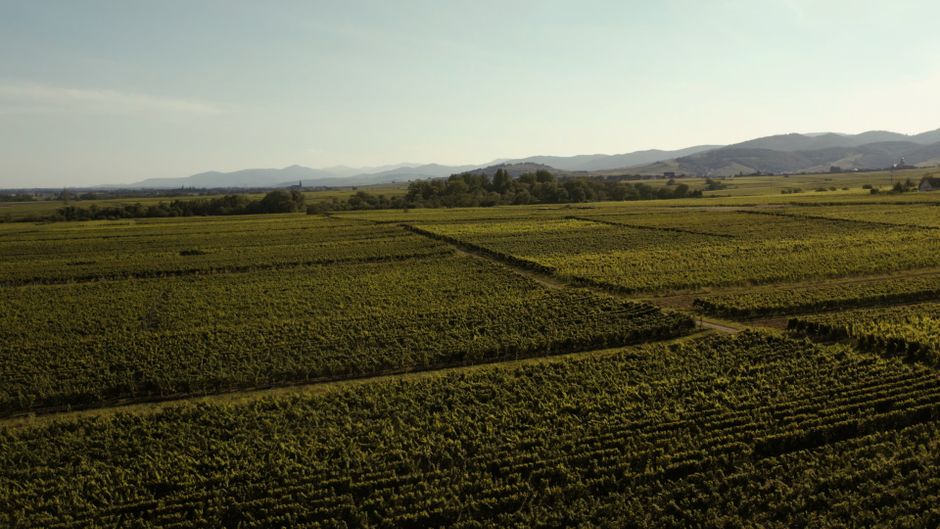
The Challenge: Declining Soil Health and Rising Input Costs
Many experienced vineyard managers grapple with the escalating costs and diminishing returns of conventional soil management. Relying heavily on synthetic fertilizers often leads to nutrient runoff, soil compaction, reduced microbial diversity, and a gradual decline in the vineyard's long-term vitality. This chemical dependency not only inflates operational budgets through repeated applications and remediation efforts but also compromises the very foundation of your vineyard's productivity: healthy soil. The cumulative effect can manifest as inconsistent yields, diminished fruit quality, and increased susceptibility to disease and stress, ultimately eroding profitability and sustainability.
Transitioning towards more sustainable practices, such as judicious compost application, offers a robust solution. Compost enriches the soil, improves its structure, enhances water retention, and fosters a thriving microbial ecosystem, leading to more resilient vines and potentially reduced reliance on synthetic inputs over time. However, to maximize these benefits, a strategic approach to compost application—focusing on timing, rate, and understanding realistic outcomes—is essential.
Understanding Compost Quality and Soil Needs
Before any application, a thorough understanding of both your soil and the compost material is paramount. Not all composts are created equal, and not all soils require the same treatment.
1. Soil Analysis: The Foundation of Informed Decisions
A comprehensive soil analysis provides the baseline data needed to determine application rates and identify specific soil deficiencies. Collect soil samples from representative areas of the vineyard, typically to a depth of 6-12 inches, every 2-3 years. Key parameters to monitor include:
- Soil Organic Matter (SOM): Aim for a gradual increase of 0.2-0.5% annually.
- pH: Optimal range for most grapevines is 6.0-7.0. Compost can buffer pH fluctuations.
- Cation Exchange Capacity (CEC): Indicates the soil's ability to hold nutrients. Compost significantly improves CEC in sandy soils.
- Nutrient Levels (N, P, K, micronutrients): Compost provides a slow-release source of these essential elements.
- Bulk Density: An indicator of compaction. Compost helps reduce bulk density over time.
2. Compost Analysis: Knowing Your Material
Always request a detailed analysis from your compost supplier. Key indicators of high-quality, mature compost include:
| Parameter | Optimal Range/Condition | Significance |
|---|---|---|
| Carbon-to-Nitrogen (C:N) Ratio | 20:1 to 30:1 | Indicates maturity; higher ratios (above 30:1) can lead to nitrogen immobilization. |
| Moisture Content | 30-50% | Too dry makes it dusty and difficult to spread; too wet makes it heavy and clumpy. |
| pH | 6.0-8.0 | Generally neutral to slightly alkaline, beneficial for most vineyard soils. |
| Particle Size | 80% passing a 1/2-inch screen (max 1-inch) | Ensures even spread and faster integration into soil. |
| Soluble Salts | < 5 dS/m (deciSiemens per meter) | High levels can harm young roots. |
| Pathogen & Weed Seed Absence | Certified pathogen-free | Ensures compost is safe and won't introduce undesirable elements. |
Strategic Compost Application: A Step-by-Step Process
Step 1: Determine Application Timing
The optimal timing for compost application depends on several factors, including climate, soil type, and vineyard management goals.
- Fall Application (Post-Harvest, October-November):
- Advantages: Allows winter rains and microbial activity to integrate compost into the soil. Nutrients become available for spring growth. Less compaction risk on dry soils.
- Considerations: Avoid application on excessively wet soils to prevent compaction. Requires planning after harvest activities conclude.
- Early Spring Application (Pre-Budbreak, February-March):
- Advantages: Nutrients are readily available for vine uptake during the critical growth period.
- Considerations: Risk of compaction if soils are too wet. Less time for full integration before intense vineyard activity.
Expert Insight: For most vineyard operations, a fall application is often preferred. It leverages natural processes for integration and provides a nutrient reservoir for the following growing season, promoting robust root development before spring shoot growth.
Step 2: Calculate the Application Rate
Compost application rates are determined by your soil analysis, desired organic matter increase, and the nutrient content of your compost. A common goal is to increase soil organic matter by 0.2-0.5% per year, which typically requires 5-15 tons per acre of compost every 1-3 years.
| Soil Organic Matter (SOM) Goal | Typical Application Rate (Tons/Acre) | Frequency |
|---|---|---|
| Maintain existing SOM | 3-5 | Every 2-3 years |
| Increase SOM by 0.2% annually | 5-10 | Annually or biennially |
| Increase SOM by 0.5% annually (initial build-up) | 10-15 | Annually for 2-3 years, then reduce |
Example scenario (hypothetical):
A vineyard manager in a region with sandy loam soil tests their vineyard and finds organic matter levels at 1.5% and a pH of 5.8. Their goal is to increase SOM to 2.5% over two years and buffer the pH. Based on the soil test and compost analysis (C:N 25:1), an initial application of 12 tons per acre of mature compost is planned for the fall. This higher rate is chosen to kickstart the SOM increase and provide a significant pH buffering effect. Subsequent applications will be reduced to 7-8 tons per acre every two years to maintain the desired SOM level.
Step 3: Application Method and Equipment
Even distribution is key to maximizing compost benefits. Specialized compost spreaders are ideal, as they are designed to handle variable moisture content and particle sizes, providing a consistent spread pattern.
- Equipment Selection: Utilize a calibrated compost spreader, such as a flail-type or spinner spreader. Ensure the spreader is capable of handling the specific compost material (e.g. moisture content, particle size). A typical spreader can cover rows or broadcast across the vineyard floor.
- Calibration: Calibrate your spreader annually. This involves spreading a known quantity over a measured area to verify the actual application rate. Adjust gate openings and ground speed accordingly.
- Technique: Apply compost evenly in the vine row, typically in a band 3-5 feet wide, directly beneath the drip line. Avoid piling compost against vine trunks, which can lead to collar rot. Maintain consistent speed to ensure uniform coverage.
- Compaction Prevention: Apply compost when soil moisture is at an optimal level—not too wet to cause compaction, but not so dry that it becomes dusty and hard to manage. Use low-pressure tires on application equipment.
Step 4: Post-Application Management
After application, consider light incorporation or irrigation.
- Light Incorporation: A very shallow cultivation (1-2 inches) can help mix the compost into the topsoil, reducing nutrient volatilization and aiding microbial integration. However, in no-till systems, surface application is preferred, allowing earthworms and natural processes to incorporate the material.
- Irrigation: If no rain is expected within 48-72 hours post-application, a light irrigation can help settle the compost and initiate microbial activity, especially in dry climates.
Common Mistakes and Consequences:
- Applying Immature Compost: A C:N ratio above 30:1 (indicative of immature compost) can lead to nitrogen immobilization, temporarily starving vines of essential nitrogen. Consequences include stunted growth and chlorosis.
- Uneven Application: Results in patchy nutrient availability and inconsistent vine vigor across the vineyard.
- Incorrect Rate: Too little compost yields minimal benefits; too much can lead to nutrient imbalances (e.g. excess potassium) or even temporary nitrogen tie-up if the C:N ratio is too high.
- Applying on Wet Soil: Causes severe soil compaction, negating the benefits of improved soil structure and hindering root growth.
Safety Considerations:
Always wear appropriate Personal Protective Equipment (PPE), including dust masks, gloves, and eye protection, especially when handling dry or dusty compost. Ensure all equipment is in good working order and operators are trained in safe operation procedures.
What to Realistically Expect from Compost Application
Compost is not a quick fix; its benefits accumulate over time, fostering long-term soil health and vine resilience.
Immediate and Short-Term Expectations (First 1-2 Years):
- Improved Soil Structure: Noticeable reduction in soil crusting, better aggregate stability.
- Enhanced Water Infiltration and Retention: Especially evident in sandy soils, leading to reduced irrigation needs.
- Increased Microbial Activity: A healthier, more diverse soil food web, contributing to nutrient cycling.
- Moderate Nutrient Availability: Compost provides slow-release nutrients, reducing the immediate need for synthetic fertilizers.
Long-Term Expectations (3+ Years):
- Significant SOM Increase: Sustained improvement in soil organic matter levels (e.g. from 1.5% to 3.0-4.0% over several years).
- Reduced Fertilizer Inputs: As soil health improves, the vineyard's natural fertility increases, potentially allowing for reduced applications of synthetic fertilizers.
- Enhanced Disease and Pest Resistance: Healthier soils support healthier vines, which are more resilient to stress.
- Improved Root Development: Better soil structure allows for deeper, more extensive root systems, enhancing nutrient and water uptake.
- Consistent Yields and Quality: Over time, vineyards with robust soil health tend to exhibit more stable yields and higher fruit quality, even under varying climatic conditions.
Example scenario (hypothetical):
A vineyard manager applies compost at 8 tons per acre annually for three years to a clay-loam vineyard struggling with compaction and low water infiltration. In the first year, minor improvements in surface water penetration are observed. By the third year, soil tests show an increase in organic matter from 2.0% to 2.8%, and the vineyard floor is noticeably softer, with improved friability. The vines exhibit more uniform vigor, and the need for supplemental irrigation during dry spells has decreased by an estimated 15-20% due to better water retention.
Actionable Next Steps for Vineyard Managers
Implementing a successful compost program requires careful planning and consistent monitoring. Here are immediate actions to take:
- Conduct a Comprehensive Soil Test: If not done recently, collect samples from representative blocks to establish baseline soil health metrics (SOM, pH, CEC, nutrient levels). Aim to complete this within the next 4-6 weeks to allow time for results before planning fall/spring applications.
- Research Compost Suppliers and Request Analyses: Identify reputable local compost producers. Obtain detailed analyses for their products, focusing on C:N ratio, moisture content, soluble salts, and particle size. Prioritize suppliers who can consistently provide mature, high-quality compost. Begin this research immediately.
- Calibrate Application Equipment: Ensure your existing spreading equipment is in good working order and can be accurately calibrated for compost. If purchasing new equipment, consider specialized compost spreaders for optimal distribution. Schedule calibration checks before your planned application window.
- Develop a Phased Application Plan: Based on your soil test results and compost analysis, create a multi-year plan for compost application, detailing rates, timing, and specific vineyard blocks. Track the long-term impact of compost applications, including changes in soil organic matter, nutrient levels, and vine performance. Vineyard managers can leverage platforms like VinoBloc to meticulously record application dates, rates, and subsequent soil test results, providing valuable data for future decision-making and ROI analysis.
Implementation Timeline: Begin soil testing and supplier research now. Plan for fall applications (October-November) or early spring applications (February-March) based on your specific vineyard needs and climate.
Success Metrics: Monitor annual soil test results for increases in organic matter (target 0.2-0.5% annual increase), improved water infiltration rates, reduced bulk density, and more stable nutrient levels. Observe vine vigor, fruit quality, and overall vine health, noting any reductions in synthetic fertilizer or irrigation requirements over successive seasons.
VinoBloc Team
Vineyard Management Experts
Ready to Transform Your Vineyard Management?
See how VinoBloc can help you streamline block-level data and harvest decisions.