How to Start a Vineyard: Complete 2025 Guide (1-100 Acres)
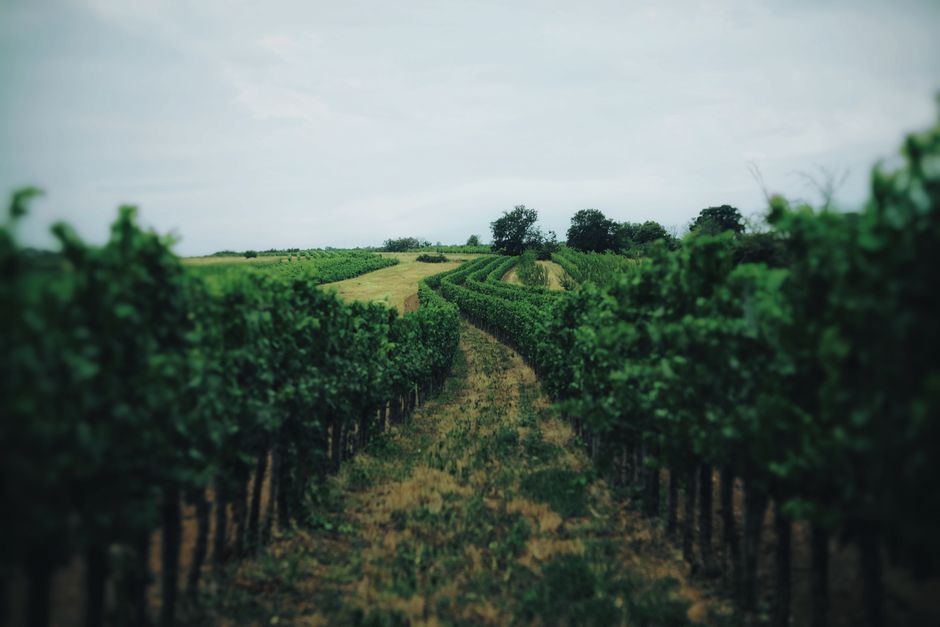
Embarking on the journey of starting a vineyard is a venture that combines agricultural science, business acumen, and a deep appreciation for viticulture. This comprehensive guide, tailored for operations ranging from 1 to 100 acres, provides an exhaustive roadmap for aspiring vineyard owners and existing agriculturalists looking to diversify. From the initial spark of an idea to the diligent management of young vines, every critical phase is meticulously detailed.
Executive Summary
This guide serves as the definitive resource for individuals, families, and investors contemplating the establishment of a commercial vineyard in 2025. It addresses the inherent complexities and significant investments involved in viticulture, offering a structured, step-by-step approach to mitigate risks and foster success. The primary challenge this article solves is consolidating disparate information into a single, authoritative source, ensuring readers are equipped with practical knowledge and actionable insights.
Upon completing this guide, readers will gain a profound understanding of:
- Developing a robust vineyard business plan, including financial projections and legal considerations.
- Executing critical site selection processes, encompassing climate analysis, topography, and water resources.
- Implementing effective soil preparation strategies, from comprehensive testing to nutrient management and drainage solutions.
- Selecting appropriate grape varieties and rootstocks that align with specific regional terroirs and market demands.
- Mastering the precision required for vineyard layout, planting techniques, and initial vine establishment.
- Understanding the intricacies of trellis system installation, crucial for vine health and yield optimization.
- Navigating first-year vineyard management, covering irrigation, pest control, and vine training.
- Estimating realistic startup and operational costs for vineyards of varying scales.
Table of Contents
- Executive Summary
- How Do You Develop a Robust Vineyard Business Plan?
- What Are the Critical Factors for Vineyard Site Selection?
- How Do You Prepare Vineyard Soil for Optimal Grape Growth?
- Which Grape Varieties and Rootstocks Suit Your Vineyard's Terroir?
- What is the Process for Laying Out and Planting a New Vineyard?
- How Do You Effectively Install a Trellis System for Grapevines?
- What Does First-Year Vineyard Management Entail?
- What Are the Estimated Startup Costs for a Vineyard (1-100 Acres)?
- Tools & Resources
- Key Takeaways
How Do You Develop a Robust Vineyard Business Plan?
A well-structured business plan is the foundational document for any successful vineyard enterprise. It outlines the vision, strategies, financial projections, and operational framework, guiding decisions from initial investment to market entry. This plan should encompass market analysis, financial modeling, legal structure, and a comprehensive permit strategy.
Step-by-Step Business Plan Development:
- Market Research and Analysis: Begin by identifying target markets, understanding local and regional demand for grapes or wine, and assessing competition. Evaluate potential sales channels (wineries, direct-to-consumer, wholesale). For instance, a 10-acre vineyard might target local boutique wineries, while a 100-acre operation could focus on larger bulk contracts or establish its own winery.
- Operational Plan: Detail the vineyard's size, chosen grape varieties, cultivation methods (e.g. organic, conventional), and a timeline for development. This includes securing necessary equipment, labor, and vineyard management expertise.
- Financial Projections: Develop a detailed five-year financial forecast, including startup costs, operational expenses, revenue projections, cash flow analysis, and break-even points. Startup costs for a 1-10 acre vineyard can range from $20,000 to $40,000 per acre, excluding land, while larger operations (11-100 acres) might see costs closer to $15,000-$30,000 per acre due to economies of scale.
- Legal Structure and Permits: Determine the optimal legal entity (e.g. LLC, S-Corp) and identify all necessary federal, state, and local permits. These often include agricultural zoning permits, water rights permits, environmental impact assessments, and potentially alcohol production licenses if a winery is planned.
- Marketing and Sales Strategy: Outline how grapes or wine will be sold. This includes branding, pricing strategies, and distribution plans.
Regional Considerations:
Permit requirements and zoning regulations vary significantly by region. For example, California's stringent environmental regulations may require extensive impact studies, while regions in the Pacific Northwest might have different water rights acquisition processes. Local agricultural extension offices are invaluable resources for specific regional requirements.
Common Mistakes:
- Underestimating Costs: Many new vineyard owners fail to account for unforeseen expenses, contingency funds, and the multi-year period before initial harvest revenue.
- Neglecting Market Research: Planting varieties without understanding local market demand or existing supply can lead to difficulty selling grapes.
- Ignoring Legal & Regulatory Hurdles: Failing to secure proper permits or understand zoning can result in significant delays or project termination.
What Are the Critical Factors for Vineyard Site Selection?
Site selection is arguably the most crucial decision in establishing a vineyard, influencing everything from grape quality to long-term profitability. Key factors include climate, topography, soil, and water availability, which collectively define a vineyard's terroir.
Step-by-Step Site Selection Process:
- Climate Assessment: Evaluate Growing Degree Days (GDD) for the region. Most Vitis vinifera varieties require 1400-2000 GDD (base 50°F / 10°C) during the growing season (April-October in Northern Hemisphere). Assess frost risk (spring and fall), hail frequency, and prevailing winds. A site with good air drainage on a gentle slope can significantly reduce frost damage.
- Topographical Survey: Analyze slope, aspect, and elevation. Ideal slopes are typically 2-15% for good drainage and sun exposure. South-facing slopes (Northern Hemisphere) maximize sunlight and warmth, beneficial in cooler climates. Avoid low-lying areas prone to frost pockets.
- Water Availability and Quality: Secure a reliable water source for irrigation, especially during establishment and dry periods. This could be a well, municipal water, or surface water rights. Test water quality for pH, salinity, and mineral content, as high levels can negatively impact vine health. A typical young vine requires 1-2 gallons of water per week, increasing to 5-10 gallons during peak summer for mature vines, depending on climate and soil.
- Historical Data Analysis: Consult local weather stations and agricultural records for historical temperature extremes, rainfall patterns, and pest/disease pressures.
Regional Considerations:
In regions like the Finger Lakes (NY) or Okanagan Valley (BC), proximity to large bodies of water moderates temperatures, extending the growing season and reducing frost risk. In arid regions like parts of California or Washington, water rights are paramount and often dictate site viability. Conversely, high rainfall areas such as the Pacific Northwest require excellent drainage and careful disease management strategies.
Common Mistakes:
- Ignoring Microclimates: A site's specific elevation, slope, and proximity to natural features can create unique microclimates that differ significantly from regional averages.
- Insufficient Water Planning: Underestimating water needs or failing to secure adequate water rights can lead to significant challenges, especially in drought-prone areas.
- Disregarding Frost Risk: Planting in frost-prone areas without mitigation strategies (e.g. wind machines, sprinklers) can lead to devastating crop losses.
How Do You Prepare Vineyard Soil for Optimal Grape Growth?
Proper soil preparation is fundamental to establishing healthy, long-lived grapevines. It involves understanding soil composition, pH, nutrient levels, and ensuring adequate drainage. This stage can significantly impact vine vigor, disease resistance, and fruit quality for decades.
Step-by-Step Soil Preparation:
- Comprehensive Soil Testing: Collect soil samples from multiple locations across the proposed vineyard site at depths of 0-12 inches and 12-36 inches. Send samples to a reputable agricultural lab for analysis of pH, organic matter, macro- and micronutrients (N, P, K, Ca, Mg, B, Zn, Mn, Fe), and texture (sand, silt, clay). Ideal pH for Vitis vinifera is typically 6.0-7.0.
- Subsoiling/Ripping: If a hardpan or compacted layer is present, subsoil or rip the land to a depth of 2-3 feet (60-90 cm) along future row lines. This improves root penetration, drainage, and aeration. This should be done when soil is dry to maximize effectiveness.
- Soil Amendments: Based on soil test results, apply necessary amendments. For low pH, incorporate agricultural lime (calcium carbonate); for high pH, sulfur can be used. Organic matter can be increased by incorporating compost or planting green manure crops (e.g. legumes, cereals) and tilling them in. For example, if soil pH is 5.5, applying 1-2 tons/acre of lime might be necessary to raise it to 6.5.
- Drainage Installation: In areas with heavy clay soils or high rainfall, consider installing subsurface drainage tiles to prevent waterlogging, which can lead to root rot. Tile drains are typically laid 3-4 feet deep and 30-60 feet apart, depending on soil type.
- Final Grading and Layout: After amendments and ripping, perform final grading to ensure uniform slopes and prepare for row layout.
Regional Considerations:
In regions with naturally acidic soils (e.g. parts of the Eastern US), significant lime application may be required. Conversely, in arid, alkaline regions (e.g. parts of California), sulfur or gypsum might be needed to lower pH or improve soil structure. Areas with heavy rainfall necessitate more robust drainage solutions compared to drought-prone locales.
Common Mistakes:
- Skipping Soil Tests: Guessing at soil needs leads to inefficient amendment application and suboptimal vine growth.
- Inadequate Ripping: Failure to break up hardpan layers restricts root development and water infiltration.
- Poor Drainage: Waterlogged soils are a primary cause of vine stress, disease, and mortality. If puddles persist for more than 24-48 hours after rain, drainage is insufficient.
Which Grape Varieties and Rootstocks Suit Your Vineyard's Terroir?
Selecting the right grape varieties and rootstocks is a critical decision that dictates the vineyard's character, market appeal, and long-term viability. This choice must harmonize with the site's climate, soil, and the desired wine style.
Step-by-Step Variety and Rootstock Selection:
- Climate-Matching Varieties: Research grape varieties known to thrive in your region's GDD range and frost conditions. Cool-climate varieties (e.g. Pinot Noir, Chardonnay, Riesling) require 1400-1700 GDD, while warm-climate varieties (e.g. Cabernet Sauvignon, Zinfandel, Syrah) often need 1700-2000+ GDD. Consult local university extension services or experienced growers.
- Soil-Matching Varieties: Consider how varieties perform in different soil types. For example, Cabernet Sauvignon often prefers well-drained, gravelly soils, while Merlot can tolerate heavier clays.
- Market Demand: Balance suitability with market demand. Planting a rare variety that struggles to sell locally may not be economically viable.
- Rootstock Selection: Choose rootstocks based on specific site challenges. Key considerations include:
- Phylloxera Resistance: Essential for nearly all Vitis vinifera plantings globally.
- Nematode Resistance: Important in sandy soils where nematodes are prevalent.
- Vigor Control: Vigorous rootstocks (e.g. 110R, 1103P) are suited for weaker soils or less fertile sites, while less vigorous ones (e.g. 3309C, Riparia Gloire) are for fertile soils.
- Drought Tolerance: Rootstocks like 110R or 140R offer good drought resistance.
- Lime Tolerance: Important in high pH soils (e.g. 41B, SO4).
- Source Certified Nursery Stock: Purchase dormant benchgrafts or rooted cuttings from reputable nurseries to ensure disease-free, true-to-type vines. Order 12-18 months in advance.
Regional Considerations:
In the Willamette Valley (OR), Pinot Noir and Chardonnay dominate due to the cool, maritime climate. In contrast, the Napa Valley (CA) excels with Cabernet Sauvignon, benefiting from warmer GDDs and specific soil profiles. Regions with a history of phylloxera (virtually everywhere outside of unique, sandy sites) make rootstock choice non-negotiable.
Common Mistakes:
- Choosing Popular Over Suitable Varieties: Selecting a fashionable grape without verifying its suitability for the specific climate and soil.
- Ignoring Rootstock Benefits: Planting own-rooted vines where phylloxera or nematodes are present, or failing to match rootstock vigor to soil fertility.
- Not Ordering in Advance: Reputable nurseries often have long lead times, and delaying orders can force a compromise on desired varieties or rootstocks.
What is the Process for Laying Out and Planting a New Vineyard?
The precise layout and planting of a vineyard are critical for maximizing sunlight interception, facilitating vineyard operations, and ensuring uniform vine development. This stage requires careful planning and execution to establish the vines correctly for their long-term growth.
Step-by-Step Layout and Planting:
- Row Orientation: Determine optimal row orientation, typically North-South in most regions to maximize sun exposure on both sides of the canopy throughout the day. In extremely hot climates, a slightly East-West orientation can reduce sun scald. Use GPS or surveying equipment for accuracy.
- Vine and Row Spacing: Decide on spacing based on variety vigor, soil fertility, trellis system, and equipment size. Common spacings for Vitis vinifera range from 8-10 feet between rows and 4-6 feet between vines. This results in vine densities of approximately 600-1300 vines per acre. Tighter spacing (e.g. 6x3 ft) increases vine density (2400 vines/acre) and can enhance quality but also labor.
- Marking the Vineyard: Accurately mark row ends and individual vine positions. GPS-guided planting equipment can achieve high precision. For manual planting, use string lines or painted stakes.
- Planting the Vines: Plant dormant benchgrafts or rooted cuttings typically between April and June, once frost danger has passed and soil temperatures are consistently above 50°F (10°C). Dig holes large enough to accommodate the root system without bending. Ensure the graft union is 2-4 inches above the soil line to prevent scion rooting. Backfill with soil, gently tamp, and create a small basin around each vine.
- Initial Watering and Protection: Immediately after planting, water each vine thoroughly (1-2 gallons) to settle the soil and eliminate air pockets. Install vine shelters (grow tubes) to protect young vines from pests, herbicides, and provide a greenhouse effect for early growth.
Regional Considerations:
In very steep terrain, contour planting or terracing may be necessary, deviating from straight row orientations. In high-wind areas, additional support for young vines might be required immediately after planting. Early spring planting is crucial in regions with short growing seasons to maximize establishment time.
Common Mistakes:
- Incorrect Row Orientation: Suboptimal sun exposure can lead to uneven ripening, increased disease pressure, or sun scald.
- Inconsistent Spacing: Irregular vine spacing leads to uneven vine vigor and difficulty with mechanical operations.
- Planting Too Deep/Shallow: If the graft union is below the soil line, the scion can root, negating the benefits of the rootstock. Planting too shallow can expose roots to drying.
- Lack of Immediate Watering: Newly planted vines are highly susceptible to desiccation.
How Do You Effectively Install a Trellis System for Grapevines?
A well-designed and properly installed trellis system is indispensable for modern viticulture. It supports the vine, positions the canopy for optimal sunlight exposure and air circulation, and facilitates vineyard operations like pruning, spraying, and harvesting. The choice of trellis impacts vine health, yield, and fruit quality.
Step-by-Step Trellis Installation:
- Select Trellis Type: Choose a system suitable for the chosen grape variety, climate, and desired wine style.
- Vertical Shoot Positioned (VSP): Most common, suitable for moderate vigor vines and cooler climates, positioning shoots upwards.
- Scott Henry/Lyre: Divided canopy systems for high vigor varieties, increasing leaf area exposure.
- Geneva Double Curtain (GDC): Another divided canopy system, often used for very vigorous varieties.
- Install End Posts: These are the anchor points for the entire trellis. Use sturdy posts (e.g. 4-5 inch diameter treated wood or heavy gauge steel) driven 3-4 feet (90-120 cm) deep. Angle them slightly outward from the row and secure with anchors (e.g. 'duckbill' anchors or deadmen) and high-tensile wire. End posts are typically placed 1-2 feet beyond the last vine.
- Install Line Posts: Place intermediate line posts along the row to support the wires. Spacing typically ranges from 20-30 feet (6-9 meters) depending on wire tension and soil type. Use lighter gauge steel posts (e.g. T-posts) or smaller diameter wooden posts, driven 2-3 feet (60-90 cm) deep.
- String Wires: Install high-tensile galvanized wire (typically 12.5 gauge) for permanence and strength. A fixed cordon wire (lowest) is usually 30-36 inches (75-90 cm) above ground. Install movable catch wires above the cordon wire, typically at 12-18 inch intervals, to manage shoot growth. Use wire tensioners at end posts to maintain proper tension (e.g. 200-300 lbs).
- Install Drip Irrigation Line: Attach a drip irrigation line (typically 1/2 or 5/8 inch poly tubing with emitters) to the lowest cordon wire. Emitters should be spaced appropriately for vine spacing, typically one per vine, delivering 0.5-1 gallon per hour.
Regional Considerations:
In windy regions, stronger end post anchoring and closer line post spacing may be necessary to prevent trellis collapse. In areas with heavy snow loads, ensure the trellis design can withstand the weight or allow for wires to be dropped in winter. The choice between VSP and divided canopies often depends on a region's typical vine vigor and sunlight intensity.
Common Mistakes:
- Weak End Posts: The most common failure point. Insufficiently anchored end posts can lead to entire rows collapsing under crop load or wind stress.
- Improper Wire Tension: Wires that are too loose fail to support the canopy effectively; wires that are too tight can damage posts or snap.
- Incorrect Trellis Choice: Using a VSP system for highly vigorous varieties in fertile soils can lead to excessive shading and disease, while a divided canopy on low-vigor vines is inefficient.
What Does First-Year Vineyard Management Entail?
The first year is crucial for establishing a strong root system and a healthy trunk, setting the stage for future productivity. Management efforts are focused on vine survival, pest and disease prevention, and initial training to develop the desired vine architecture.
Step-by-Step First-Year Management:
- Irrigation Management: Provide consistent moisture, especially during dry periods. Young vines have shallow root systems and are highly susceptible to drought stress. Monitor soil moisture regularly (e.g. with a soil probe or tensiometer) and adjust irrigation schedules. A general guideline is 1-2 gallons per vine per week, but this varies significantly with soil type and climate.
- Weed Control: Aggressively manage weeds, as they compete fiercely with young vines for water and nutrients. This can be achieved through cultivation, mulching, or targeted herbicide application (with vine shelters in place). Maintain a weed-free zone of at least 2-3 feet around each vine.
- Pest and Disease Monitoring: Regularly scout the vineyard (weekly) for signs of common pests (e.g. cutworms, leafhoppers, phylloxera) and diseases (e.g. powdery mildew, downy mildew). Implement integrated pest management (IPM) strategies. If powdery mildew is detected, apply a sulfur-based fungicide according to label rates, typically every 7-14 days.
- Initial Vine Training: The primary goal is to grow a single, strong shoot from the ground to the cordon wire. Select the most vigorous shoot and prune off all others. Tie this shoot loosely to a training stake or the lowest trellis wire as it grows. Remove lateral shoots below the developing trunk.
- Nutrient Management: Based on initial soil tests and observed vine growth, apply minimal, targeted fertilization if necessary. Over-fertilization of young vines can lead to excessive vegetative growth at the expense of root development. A small application of balanced fertilizer (e.g. 10-10-10) at 1-2 oz per vine may be considered in nutrient-deficient soils, applied away from the trunk.
- Winter Protection: In cold climates, consider mounding soil over the graft union or laying down young vines and covering them with soil to protect against winter kill.
Regional Considerations:
Regions with high humidity (e.g. Southeastern US) will face greater pressure from fungal diseases like downy mildew and require more frequent fungicide applications. Arid regions will have higher irrigation demands. Winter protection strategies are essential in regions experiencing temperatures consistently below 0°F (-18°C).
Common Mistakes:
- Inconsistent Watering: Leads to vine stress and poor establishment. If vines show wilting leaves during the day, they are likely underwatered.
- Neglecting Weed Control: Weeds can stunt young vine growth significantly. If weeds are taller than the vine, competition is severe.
- Ignoring Early Pest/Disease Signs: Small infestations or infections can quickly escalate, causing irreversible damage to young vines.
- Over-Fertilization: Promotes lush top growth at the expense of root development, making vines more susceptible to drought and winter damage.
What Are the Estimated Startup Costs for a Vineyard (1-100 Acres)?
Understanding the financial commitment is paramount for anyone considering a vineyard venture. Startup costs are substantial and vary widely based on scale, region, and desired level of mechanization. This section provides estimated ranges for key cost categories, excluding land acquisition.
Estimated Startup Cost Breakdown (Per Acre, excluding land):
| Cost Category | 1-10 Acres (Small Scale) | 11-100 Acres (Medium Scale) | Notes |
|---|---|---|---|
| Site Preparation (Ripping, Grading, Drainage) | $1,500 - $3,500 | $1,000 - $2,500 | Depends on existing conditions and required work. |
| Vines (Benchgrafts/Rooted Cuttings) | $4,000 - $8,000 | $3,500 - $7,000 | Based on 600-1200 vines/acre @ $3-$6/vine. |
| Trellis System (Posts, Wire, Anchors) | $6,000 - $12,000 | $5,000 - $10,000 | Varies by material (wood/steel) & system type. |
| Irrigation System (Drip line, Pump, Filters) | $2,000 - $4,000 | $1,500 - $3,000 | Excludes cost of water source (well/pond). |
| Labor (Planting, Trellis Install, Training) | $3,000 - $6,000 | $2,500 - $5,000 | Includes specialized labor for installation. |
| Vine Shelters/Grow Tubes | $1,000 - $2,000 | $800 - $1,500 | Protects young vines from pests & herbicides. |
| Fertilizers/Amendments | $300 - $800 | $200 - $600 | Based on soil test results. |
| Contingency (10-15%) | $1,780 - $5,445 | $1,450 - $4,440 | Essential for unforeseen expenses. |
| TOTAL ESTIMATED STARTUP COST (per acre) | $20,000 - $40,000 | $15,000 - $30,000 | Excluding land, equipment, and annual operating costs. |
Annual Operating Costs (Per Acre):
Beyond startup, annual operating costs typically range from $2,000 - $6,000 per acre, encompassing labor (pruning, canopy management, harvesting), pest & disease control, irrigation, and general maintenance. These costs will increase as vines mature and yield fruit.
Major Equipment Costs (Initial Investment):
A tractor (40-100 HP, narrow-row capable) can cost $30,000 - $100,000+. Essential implements like a sprayer ($5,000 - $30,000), flail mower ($3,000 - $10,000), and various tillage tools will add to the initial investment. Small vineyards may rely on custom work or shared equipment to reduce this burden.
Regional Considerations:
Land costs are highly variable; an acre in prime Napa Valley can exceed $300,000, while agricultural land in emerging regions might be $5,000-$15,000 per acre. Labor costs also differ significantly by state and region, impacting both initial setup and ongoing operational expenses.
Common Mistakes:
- Not Budgeting for Contingencies: Unexpected issues (e.g. vine replanting, equipment repairs) are common.
- Underestimating Labor Costs: Viticulture is labor-intensive, and labor is often the largest operational expense.
- Ignoring Equipment Depreciation: Factor in the long-term costs of maintaining and replacing machinery.
Tools & Resources
Establishing and managing a vineyard efficiently requires a range of specialized tools and access to reliable information. Investing in the right equipment and leveraging modern resources can significantly enhance productivity and decision-making.
Essential Equipment for Vineyard Establishment & Management:
- Tractor: A narrow-row capable tractor (40-100 HP) is fundamental for cultivation, spraying, and mowing.
- Airblast Sprayer: Essential for efficient and uniform application of fungicides, insecticides, and foliar nutrients.
- Flail Mower/Weed Wiper: For managing cover crops and inter-row vegetation.
- Post Driver: For quick and efficient installation of trellis posts. Hydraulic post drivers are ideal for larger operations.
- Soil Augers/Probes: For collecting soil samples and monitoring soil moisture.
- Pruning Shears & Loppers: High-quality hand tools are necessary for precise vine training and pruning. Electric or pneumatic pruners can significantly reduce labor time for larger vineyards.
- Tensiometers/Soil Moisture Sensors: For accurate irrigation scheduling, preventing over or under-watering.
- Weather Station: Provides real-time data on temperature, humidity, rainfall, and wind, crucial for disease modeling and spray timing.
- GPS Mapping System: For precise vineyard layout, row orientation, and record-keeping.
Vineyard Management Software:
For modern vineyard management, digital tools are invaluable. Vinobloc provides a comprehensive platform designed to streamline vineyard operations. It offers modules for:
- Block & Row Management: Detailed record-keeping for each section of the vineyard.
- Task Scheduling & Tracking: Assigning and monitoring labor tasks, from pruning to harvesting.
- Pest & Disease Monitoring: Logging observations, spray records, and generating reports.
- Yield Forecasting: Tools to estimate crop size and quality.
- Cost Analysis: Tracking expenses against revenue for financial oversight.
Utilizing software like Vinobloc allows for data-driven decisions, optimizing resource allocation and improving overall vineyard health and profitability.
Helpful Templates & Checklists:
- Vineyard Business Plan Template: A structured outline to ensure all critical business aspects are covered.
- Site Assessment Checklist: A comprehensive list of climate, soil, and topographical factors to evaluate during site selection.
- Annual Vineyard Management Calendar: A month-by-month guide for tasks such as pruning, spraying, irrigation, and canopy management.
- Cost Analysis Spreadsheet: Detailed templates for tracking startup and operational expenses.
- Pest & Disease Scouting Log: A standardized form for recording observations, severity, and treatment actions.
These resources, combined with expert advice from viticultural consultants and local extension services, form a robust support system for new vineyard owners.
Key Takeaways
Establishing a vineyard is a long-term commitment requiring meticulous planning and dedicated execution. Success hinges on a holistic approach that integrates viticultural expertise with sound business principles. The following actionable points summarize the core tenets of this guide:
- Comprehensive Planning is Non-Negotiable: A detailed business plan, encompassing market analysis, financial projections, and legal frameworks, is the bedrock of your vineyard's success. Do not cut corners here.
- Site Selection Dictates Destiny: Invest significant time and resources into evaluating climate, topography, soil, and water. These factors are immutable and profoundly influence grape quality and operational efficiency.
- Soil Health is Paramount: Thorough soil testing and targeted amendments create the optimal growing environment for vines, impacting their health and longevity for decades.
- Match Variety to Terroir and Market: Select grape varieties and rootstocks that are not only climatically and geologically suited to your site but also align with market demand.
- Precision in Planting: Accurate vineyard layout, proper vine spacing, and correct planting depth are crucial for uniform vine development and efficient future operations.
- Robust Trellis Systems are an Investment: A well-designed and strongly installed trellis system supports vine health, canopy management, and protects your long-term yield.
- First-Year Care is Critical: Diligent irrigation, weed control, pest monitoring, and initial training in the first year lay the foundation for a vigorous and productive vineyard.
- Budget for Reality: Acknowledge the substantial startup and ongoing operational costs. Always include a contingency fund for unexpected challenges.
Related Articles
- Optimizing Vineyard Density: How Many Vines Per Acre? (Calculator Included)
- Precision Pre-Emergent Herbicide Timing for Vineyard Managers
- Best Vineyard Sprayers: Complete 2024 Buyer Guide for Experienced Managers
- Precision Pulse: The Irrigation Tweak That Saves Water Without Hurting Vines
- Vineyard Recordkeeping: Minimum Fields to Log Per Spray for Compliance & Efficacy
- Fixing Chlorosis in 30 Days: A Rapid Treatment Protocol for Experienced Vineyard Managers
- Vineyard Soil pH: Precision Testing & Amendment Strategies for Managers
VinoBloc Team
Vineyard Management Experts
Ready to Transform Your Vineyard Management?
See how VinoBloc can help you streamline block-level data and harvest decisions.