
Mastering Herbicide Buffer Zones: A Critical SOP for Vineyard Compliance
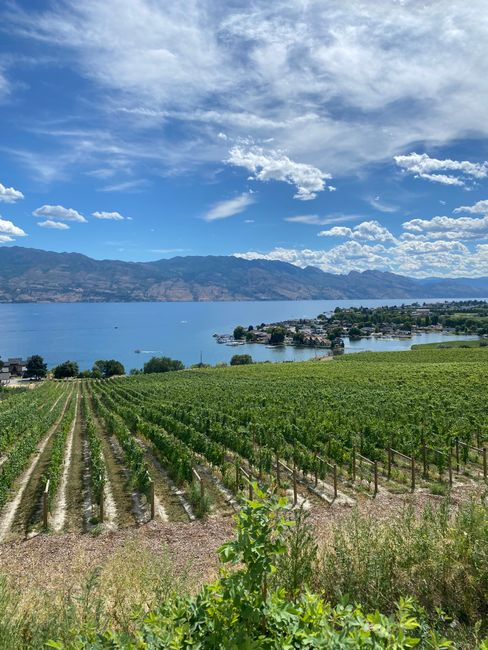
The Cost of Non-Compliance Near Water Sources
Vineyard managers often grapple with the complexities of herbicide application, particularly when operations are situated near vital water sources. Failure to adhere to mandated buffer zone requirements for herbicides can lead to severe consequences, extending far beyond environmental damage. Non-compliance risks substantial regulatory fines, costly remediation efforts, potential legal challenges, and significant reputational harm within the community and industry. Such incidents can erode public trust and even jeopardize future permitting or certifications, impacting long-term operational viability and profitability.
Key Insight: Strict adherence to herbicide label buffer zone requirements is not merely a regulatory burden; it is a critical component of risk management, environmental stewardship, and sustainable vineyard operations.
Establishing and Maintaining Herbicide Buffer Zones: A Step-by-Step Protocol
Effective management of herbicide buffer zones requires a systematic approach, integrating pre-application planning, precise application techniques, and diligent post-application verification. This protocol is designed to ensure compliance and minimize environmental impact.
Step 1: Pre-Application Assessment and Planning
- Identify Water Bodies: Accurately map all water sources adjacent to or within vineyard blocks. This includes perennial and intermittent streams, rivers, lakes, ponds, wetlands, drainage ditches, and irrigation canals. Utilize high-resolution aerial imagery and on-the-ground surveys. Vineyard management platforms like VinoBloc can assist in digitally mapping these features and integrating them with block data.
- Consult Product Labels: For each herbicide intended for use (e.g. glyphosate-based products like Roundup ProMax, glufosinate products like Rely 280), meticulously review the product label for specific buffer zone requirements. These can vary significantly based on the active ingredient, formulation, application method, and type of water body.
- Typical Buffer Ranges: Labels often specify buffer zones ranging from 10 feet to 100 feet or more, depending on the product and environmental conditions. For instance, some glyphosate labels might require a 25-foot buffer from aquatic habitats, while certain more volatile or persistent herbicides could demand 50-foot or 100-foot buffers, especially near sensitive aquatic ecosystems.
- Wind Speed Restrictions: Most labels prohibit application when wind speeds exceed 10 mph. Many recommend application when winds are between 3-10 mph, blowing away from sensitive areas.
- Weather Monitoring: Before and during application, continuously monitor wind speed and direction, temperature, and humidity. Use handheld anemometers or integrate with local weather station data.
- Equipment Calibration: Ensure spray equipment is calibrated to deliver the correct droplet size and volume. Utilize low-drift nozzles (e.g. air-induction or venturi nozzles) that produce coarse to ultra-coarse droplets to minimize off-target movement. Maintain boom height as low as possible (e.g. 18-24 inches above target canopy for broadcast applications).
Example Scenario (Hypothetical):
A vineyard block borders an intermittent stream. The chosen herbicide, a glufosinate product, has a label specifying a 50-foot aquatic buffer zone and a maximum wind speed of 10 mph. The vineyard manager must mark off a 50-foot no-spray zone from the stream's edge and schedule application only when winds are stable, ideally 3-7 mph, blowing away from the stream.
Step 2: Application Execution
- Mark Buffer Zones: Physically delineate buffer zones with flags, markers, or GPS-guided spray shut-offs. This provides a clear visual boundary for applicators.
- Implement No-Spray Zones: Strictly adhere to the marked buffer zones. Ensure spray booms are shut off well in advance of entering the buffer.
- Monitor Conditions: Continuously observe wind conditions. If wind direction shifts towards the water body or speeds exceed label limits, cease application immediately.
- Applicator Training: Ensure all personnel involved in herbicide application are fully trained on label requirements, buffer zone protocols, and emergency procedures.
Step 3: Post-Application Verification and Documentation
- Visual Inspection: After application, visually inspect buffer zones and adjacent water bodies for any signs of off-target herbicide movement.
- Record Keeping: Document all application details, including date, time, herbicide product and rate, applicator name, equipment used, wind speed and direction, temperature, and confirmation of buffer zone adherence. This data is crucial for compliance audits and can be efficiently managed using digital tools.
- Troubleshooting Drift: In the event of suspected drift into a water source, immediately report the incident according to local regulations and the product label. Consult with environmental specialists for remediation guidance.
| Common Mistake | Consequence |
|---|---|
| Relying on generic buffer zones (e.g. 25 ft) for all products. | Non-compliance if specific product label requires a larger buffer (e.g. 50-100 ft). |
| Applying during elevated wind speeds (e.g. >10 mph). | Significant off-target drift, potential water contamination, fines. |
| Failure to calibrate equipment for optimal droplet size. | Increased fine droplet production, leading to higher drift potential. |
| Inadequate documentation of application conditions. | Difficulty proving compliance during audits, potential for unjustified penalties. |
Actionable Next Steps for Vineyard Managers
To enhance buffer zone compliance and mitigate risks, vineyard managers should implement the following immediate actions:
- Update SOPs: Review and update all herbicide application Standard Operating Procedures (SOPs) to explicitly include detailed buffer zone protocols, specific to each product and water body type. Timeline: Within 30 days.
- Conduct GIS Mapping: Utilize GIS tools, potentially within a platform like VinoBloc, to precisely map all water bodies and generate digital no-spray zones for each vineyard block. Timeline: Within the next quarter.
- Invest in Low-Drift Technology: Evaluate and invest in sprayer nozzles and technologies specifically designed to reduce drift (e.g. air-induction nozzles, shielded sprayers). Timeline: Prior to the next major spray season.
- Mandatory Training: Conduct annual mandatory training sessions for all spray applicators, focusing on label interpretation, buffer zone adherence, and drift mitigation techniques. Timeline: Annually, before spray season.
Success Metric: Zero reported herbicide drift incidents into water bodies, and 100% compliance with all product label buffer zone requirements in the next 12 months.
VinoBloc Team
Vineyard Management Experts
Ready to Transform Your Vineyard Management?
See how VinoBloc can help you streamline block-level data and harvest decisions.